
Why digitalize restaurant operations for efficiency

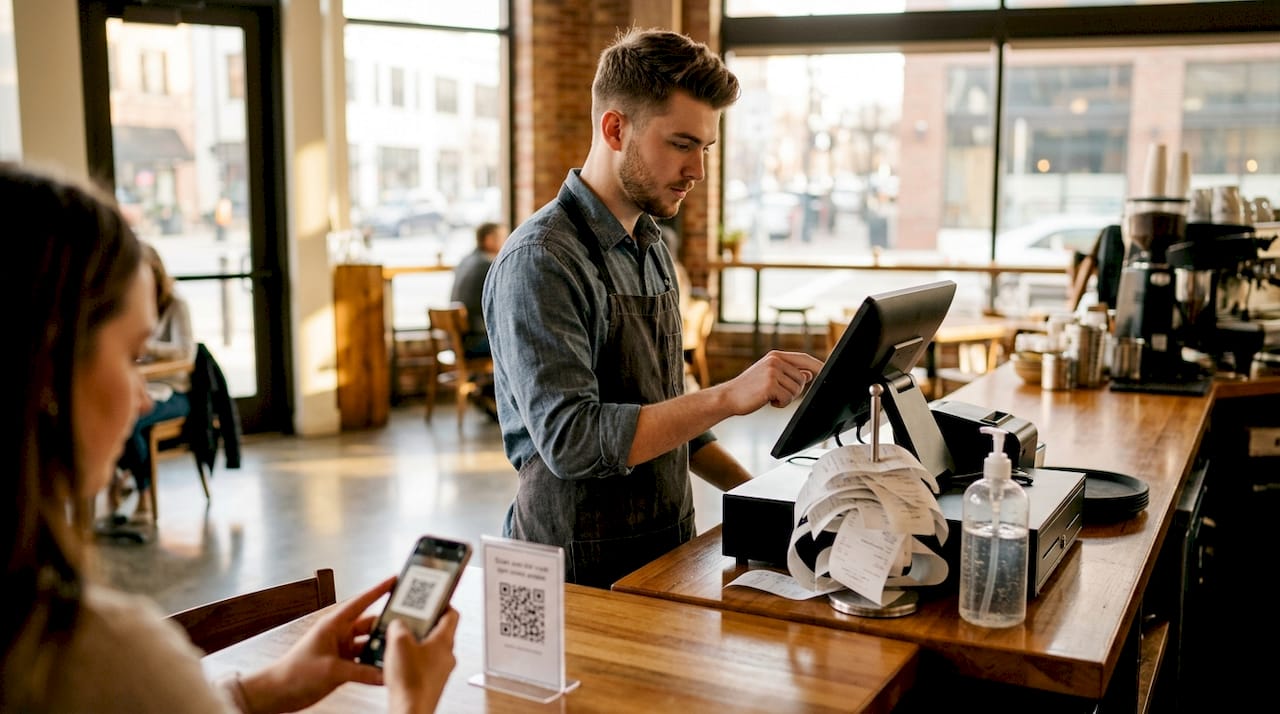
Restaurant owners who embrace digital ordering, POS integrations, and guest engagement tools are seeing sales jump 12 to 22 percent while slashing labor costs and errors. Yet many hesitate, worried about upfront expenses or losing the personal touch that defines hospitality. The reality? Smart digitalization doesn’t replace human warmth. It frees your team to focus on genuine guest connections while technology handles repetitive tasks. This guide walks you through the efficiency gains, personalization opportunities, real challenges, and practical strategies to digitalize your restaurant successfully in 2026.
Table of Contents
Key Takeaways
Point | Details |
Sales uplift and labor savings | Digital ordering and integrated POS raise sales and cut labor hours, freeing staff to focus on hospitality. |
Personalization drives loyalty | Personalization through apps engages guests and builds loyalty by tailoring recommendations and offers without sacrificing human warmth. |
Training and careful integration | Successful digitalization hinges on careful integration and staff training to respect customer preferences. |
Balance tech with hospitality | Technology handles repetitive tasks while humans deliver warmth and memorable experiences for best results. |
How digitalization improves restaurant efficiency and profitability
Digital ordering systems eliminate the friction that slows traditional service. When guests use QR code menus or self-service kiosks, orders flow directly to the kitchen without staff intermediaries. This cuts transcription errors to near zero and speeds table turnover by 15 to 20 percent during peak hours. Your servers spend less time taking orders and more time building rapport with guests.
Integrated POS systems tie ordering, inventory, and payment processing into one ecosystem. When a guest orders a signature cocktail through a digital tablet menu, the system instantly updates ingredient counts and flags low stock items. Managers get real-time dashboards showing which dishes drive profit and which tie up kitchen resources. This visibility lets you adjust menus on the fly, promoting high-margin items during slow periods or pulling complicated dishes when understaffed.
The financial impact is substantial. Restaurants implementing kiosks and mobile ordering increase sales by 12-22% while reducing labor hours significantly. Fast-casual chains report shaving two full-time equivalent positions per location after rolling out digital ordering, redirecting those wages toward kitchen staff who improve food quality. Digital ordering cuts labor in multiproduct setups by handling the complexity that once required experienced order takers.
Consider a 60-seat café that adopts QR ordering during breakfast rush. Before digitalization, three servers juggled orders while guests waited 8 to 10 minutes for attention. After implementation, two servers handle the same volume because guests order immediately upon sitting. The kitchen receives orders in batches rather than random spurts, smoothing workflow and reducing ticket times by four minutes. That efficiency translates to serving 15 more tables per morning, adding $450 daily revenue without expanding square footage.
Key efficiency gains from restaurant digitalization:
Order accuracy improves from 85% to 98%, eliminating costly remakes and guest complaints
Kitchen prep time drops 20% through better order sequencing and inventory alerts
Payment processing speeds up 40% with integrated mobile and contactless options
Labor costs decrease 10-15% as staff focus on value-added hospitality tasks
Table turnover accelerates 15-20% during peak periods through faster ordering
Sales Boost: Restaurants using digital ordering see average check sizes climb 10-20% because guests browse full menus without time pressure and systems suggest add-ons at optimal moments.
The digital ordering labor impact extends beyond front-of-house savings. Back-office tasks like inventory reconciliation, vendor ordering, and sales reporting become automated. Managers reclaim 10 to 12 hours weekly previously spent on spreadsheets and manual counts. That time shifts to coaching staff, refining recipes, and planning marketing campaigns that drive repeat visits.
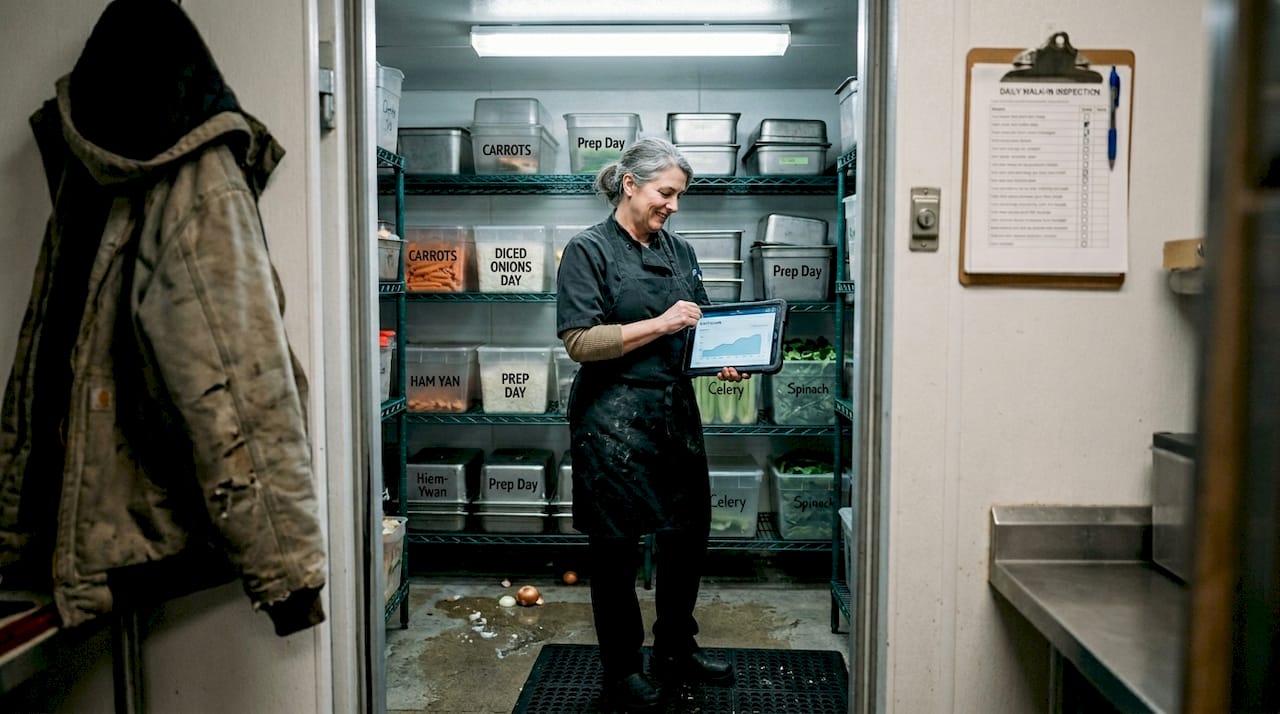
Enhancing guest engagement with personalization and data-driven insights
Digital platforms transform anonymous transactions into relationship-building opportunities. When guests log into your ordering app or scan a QR code linked to their profile, you capture preferences, dietary restrictions, and order history. This first-party data powers personalization that makes every visit feel tailored. A regular who always orders oat milk lattes sees that option highlighted automatically. A couple celebrating an anniversary receives a dessert recommendation based on their previous special occasion orders.
CRM integration turns these insights into revenue. Your system identifies guests who haven’t visited in 30 days and triggers a personalized email with a discount on their favorite dish. Loyalty programs embedded in digital menus reward repeat visits with points redeemable for free items or exclusive experiences. The gamification keeps your restaurant top of mind and incentivizes more frequent trips.
The numbers validate this approach. Personalization increases guest engagement by 20% while digital channels raise check sizes by 10-20%. Guests ordering through apps spend more because they browse without feeling rushed and systems surface premium options at strategic moments. A pizza restaurant using digital menus might suggest truffle oil or burrata add-ons right after a guest selects a margherita pizza, capitalizing on the decision momentum.
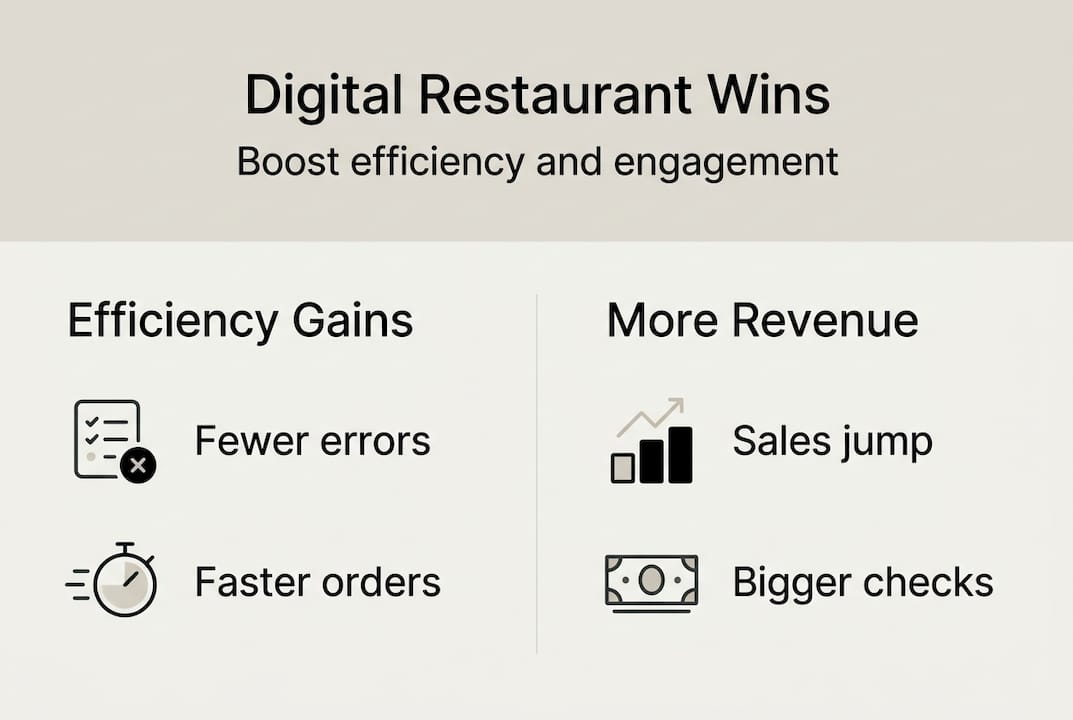
Targeted marketing campaigns become surgical rather than scattershot. You segment guests by behavior: brunch lovers, weeknight regulars, high spenders, health-conscious diners. Each group receives messaging aligned with their preferences. Brunch fans get Saturday morning reservation reminders. Health-conscious guests see new salad launches before anyone else. This relevance boosts campaign response rates from 2% to 15% compared to generic email blasts.
Personalization tactics that drive guest loyalty:
Welcome back messages referencing previous orders create immediate connection
Birthday and anniversary rewards triggered automatically increase visit frequency
Dietary preference filters show only relevant menu items, simplifying decisions
Order history quick-reorder buttons reduce friction for repeat purchases
Exclusive previews of new dishes for loyalty members build anticipation
Digital menus also enable dynamic upselling without awkward server prompts. When a guest adds a burger to their cart, the system suggests premium toppings or side upgrades with compelling food photography. Digital menu options display nutritional information, ingredient sourcing stories, and pairing recommendations that influence purchasing decisions. A wine bar using tablet menus reports a 30% increase in bottle sales after adding tasting notes and sommelier videos to each listing.
Pro Tip: Use guest data to create surprise-and-delight moments that generate word-of-mouth. When a regular orders their usual dish, have the kitchen add a free new appetizer with a note saying you thought they’d enjoy trying it based on their preferences. This costs pennies but creates memorable experiences guests share on social media.
The feedback loop tightens too. Post-meal surveys delivered via app or email capture sentiment while the experience is fresh. You identify service gaps, popular dishes, and improvement opportunities in real time rather than relying on sporadic review site comments. This data informs menu engineering, staff training priorities, and operational adjustments that compound guest satisfaction over time.
Challenges and risks of digitalizing restaurant operations
Technology failures can paralyze operations instantly. When your POS system crashes during Saturday dinner rush, you’re stuck taking orders on paper while the kitchen drowns in handwritten tickets. Tech outages can cost $100k+ per hour for high-volume restaurants, and 60% of customers still prefer human interaction over kiosks. The dependence on stable internet, functioning hardware, and bug-free software introduces vulnerability that traditional service models avoid.
Many guests resist digital ordering, particularly older demographics who find QR codes confusing or prefer conversing with servers. Forcing everyone onto tablets or apps alienates this segment and generates negative reviews. A steakhouse that removed all human order-taking saw a 15% revenue drop as regulars defected to competitors offering traditional service. The lesson? Digital should enhance options, not eliminate human touchpoints entirely.
Upfront costs create barriers, especially for independent restaurants operating on thin margins. A comprehensive digital transformation including POS upgrade, tablet menus, kitchen display systems, and CRM integration runs $15,000 to $40,000 depending on restaurant size. Subscription fees for software platforms add $200 to $800 monthly. High upfront costs and cybersecurity concerns remain barriers, with 45% of operators planning cybersecurity investments after recognizing data breach risks.
Vendor lock-in compounds the problem. Once you’ve invested heavily in one platform’s ecosystem, switching becomes prohibitively expensive even if service deteriorates or better options emerge. You’re trapped paying escalating subscription fees because migrating guest data, retraining staff, and reconfiguring integrations would cost more than enduring subpar service.
Common digitalization pitfalls to avoid:
Implementing too many systems at once, overwhelming staff and creating integration chaos
Neglecting staff training, leading to poor adoption and guest-facing errors
Choosing platforms that don’t integrate with existing POS or accounting software
Ignoring cybersecurity, exposing guest payment data to breaches and regulatory fines
Removing human service options entirely, alienating guests who prefer personal interaction
Staff resistance poses another hurdle. Veteran servers worry digital ordering will eliminate their jobs or reduce tip opportunities. Kitchen staff accustomed to paper tickets struggle with kitchen display systems. Without proper training and change management, your team will sabotage implementation through passive resistance or outright refusal to use new tools. You need buy-in from the floor up, which requires transparent communication about how technology enhances rather than replaces their roles.
Cybersecurity threats multiply as you collect more guest data. Payment card information, email addresses, order histories, and loyalty account details become targets for hackers. A data breach destroys customer trust, triggers regulatory penalties under privacy laws, and generates legal liability. You must invest in encryption, secure payment processing, regular security audits, and staff training on phishing and social engineering attacks.
Pro Tip: Start with one digital tool, master it completely, then add more. Restaurants that roll out tablet menus, loyalty apps, and inventory management simultaneously see higher failure rates than those phasing in one system per quarter. Give your team time to adapt before introducing the next change.
Check out digital menu pricing options that fit various budgets and explore restaurant tech challenges articles for deeper dives into overcoming implementation obstacles.
Practical strategies for successful digital transformation in restaurants
Phased rollout minimizes disruption and builds competence gradually. Start with POS and ordering first, then loyalty and AI to establish a stable foundation before layering advanced features. Month one focuses on POS integration and staff training. Month two adds digital menus for dine-in service. Month three introduces online ordering. Month four launches loyalty programs. This cadence lets your team master each component before complexity increases.
Prioritize integration to avoid data silos that cripple decision-making. Your POS, online ordering, inventory management, and CRM must communicate seamlessly. When a guest orders through your app, that transaction should automatically update inventory, trigger loyalty point credits, and feed sales dashboards without manual data entry. Fragmented systems force staff to duplicate work across platforms, erasing efficiency gains and creating errors.
Step-by-step digital transformation roadmap:
Audit current technology stack and identify integration gaps causing manual workarounds
Select a core POS system that offers open APIs for connecting third-party tools
Implement QR menu implementation for dine-in ordering to reduce server workload
Add tablet menu system at host stand for browsing while guests wait
Connect delivery portals to POS to consolidate order management
Launch loyalty program integrated with ordering platforms to capture guest data
Deploy kitchen display systems replacing paper tickets for faster communication
Implement inventory management with auto-ordering when stock hits reorder points
Monitor KPIs obsessively to validate ROI and catch problems early. Track sales uplift, average check size, table turnover rate, order accuracy, labor hours per revenue dollar, and guest satisfaction scores weekly. Set benchmarks before implementation and measure progress monthly. If digital ordering hasn’t increased sales by 8% within 90 days, investigate whether menu design, staff training, or technical issues are blocking adoption.
Balance automation with human touch for optimal guest experience. Use technology to handle transactional tasks like ordering, payment processing, and reservation management. Free your staff to focus on hospitality: greeting guests warmly, making personalized recommendations, checking in during meals, and handling special requests with creativity. Guests remember the server who accommodated their shellfish allergy with custom menu suggestions, not the efficiency of the payment terminal.
Implementation Phase | Focus Area | Success Metric | Timeline |
Foundation | POS integration, staff training | 95% staff proficiency | Month 1-2 |
Digital ordering | QR menus, tablets, online ordering | 50% orders through digital channels | Month 3-4 |
Guest engagement | Loyalty programs, CRM, personalization | 30% repeat visit rate increase | Month 5-6 |
Optimization | AI recommendations, predictive inventory | 15% labor cost reduction | Month 7-8 |
Invest in comprehensive staff training that goes beyond button-pushing tutorials. Explain why you’re digitalizing and how it benefits them personally. Show servers how tablet menus increase tips by speeding table turnover. Demonstrate to kitchen staff how display systems reduce order confusion and remake waste. Create champions among early adopters who mentor skeptical colleagues.
Pro Tip: Run a parallel system for two weeks during initial rollout. Keep your old ordering process as backup while staff learn the new platform. This safety net reduces anxiety and lets you catch bugs before going all-in. Once everyone’s comfortable and systems prove stable, retire the legacy approach.
Regularly solicit feedback from staff and guests about digital tools. Your servers know which features confuse guests or slow service. Your kitchen team spots when display systems lag during rush periods. Monthly feedback sessions surface these issues before they become crises. Guest surveys reveal whether your digital experience feels seamless or frustrating, guiding interface improvements.
Explore My Menu’s digital solutions for restaurants
If you’re ready to implement the strategies we’ve covered, My Menu offers comprehensive digital menu and ordering solutions designed specifically for restaurants, cafes, and bars. Our restaurant digital tablet iPad menu system lets guests browse your full menu with stunning food photography and videos that drive higher check sizes. The platform requires zero app downloads, so guests start ordering within seconds of scanning a code or picking up a tablet.
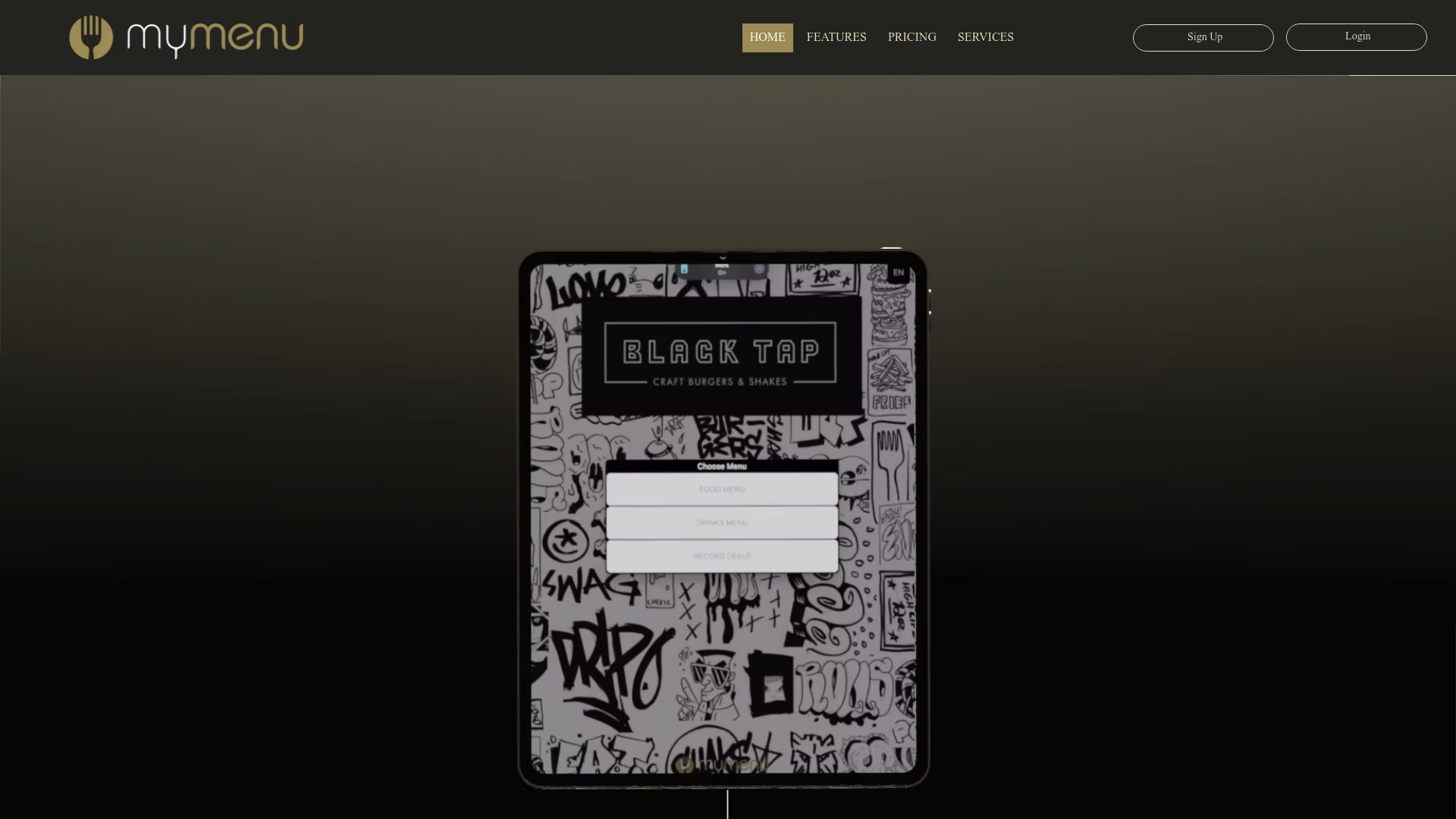
Our QR menu generator creates contactless ordering experiences that reduce labor costs while maintaining service quality. Guests scan, browse, order, and pay from their phones without waiting for server attention. You keep your team focused on hospitality rather than order-taking. The system integrates with major POS platforms and online delivery portals, consolidating all orders into one dashboard. Flexible digital menu pricing plans accommodate everything from single-location cafes to multi-unit restaurant groups, with transparent monthly fees and no hidden costs.
Frequently asked questions
What are the main benefits of digitalizing restaurant operations?
Digital tools boost sales 12 to 22 percent while cutting labor costs and order errors. You gain real-time visibility into inventory, sales patterns, and guest preferences that inform smarter business decisions. Table turnover accelerates and staff focus shifts from transactional tasks to genuine hospitality.
Which digital tools should restaurants implement first?
Start with POS system upgrades and digital ordering through QR codes or tablets. These deliver immediate efficiency gains and ROI that fund subsequent investments. Add loyalty programs and CRM integration once ordering systems are stable and staff are comfortable with the technology.
How do digital menus increase guest engagement?
Digital menus capture guest preferences and order history, enabling personalized recommendations and targeted promotions. Loyalty programs integrated into ordering platforms reward repeat visits and increase visit frequency. Rich content like food videos and detailed descriptions influence purchasing decisions and raise average check sizes.
What are the biggest challenges when digitalizing a restaurant?
Upfront costs ranging from $15,000 to $40,000 create financial barriers for independents. Technical failures during service can paralyze operations. Many guests, especially older demographics, prefer human interaction over kiosks or apps. Staff resistance and inadequate training undermine adoption.
How can restaurants balance automation with personal service?
Use technology for transactional tasks like ordering, payment, and reservation management. Free staff to focus on hospitality: warm greetings, personalized recommendations, and handling special requests. Maintain human ordering options alongside digital channels so guests choose their preferred experience. Train staff to assist guests struggling with technology rather than directing them to self-service exclusively.
Recommended
Comments