
Best payment options for restaurants: 2026 guide

TL;DR:
Contactless and digital wallet payments dominate guest preferences in restaurants by 2026.
Choosing open, negotiable POS systems enhances flexibility, cost savings, and integration capabilities.
Implementing digital and QR menu solutions improves guest experience and operational efficiency.
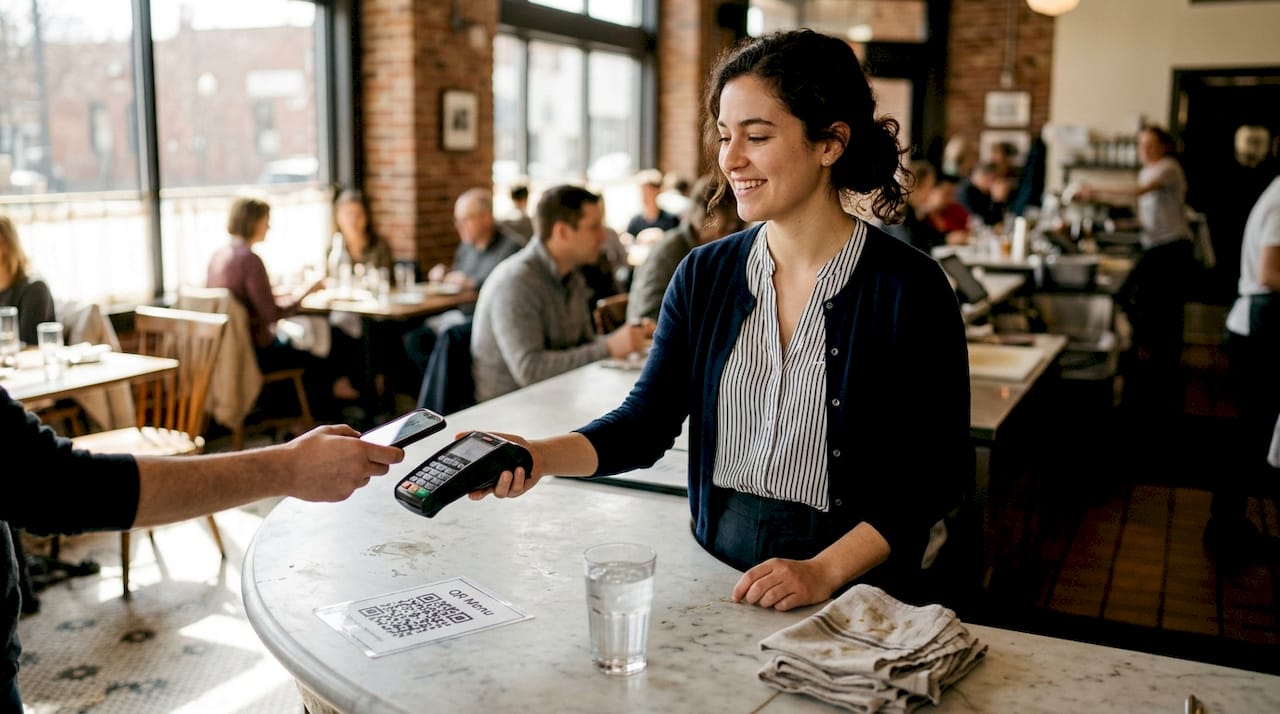
Choosing the right payment mix for your restaurant is no longer a back-office decision. It shapes how guests feel the moment they ask for the check, and it directly affects your table turnover, staff efficiency, and bottom line. Restaurant payment options in 2026 now span credit and debit cards, digital wallets like Apple Pay and Google Pay, cash, buy-now-pay-later (BNPL), bank transfers, gift vouchers, QR code payments, and even emerging options like crypto and biometrics. Getting this mix wrong costs you more than processing fees. It costs you guests.
Table of Contents
Key Takeaways
Point | Details |
Evaluate using key criteria | Select payment options based on customer preference, speed, cost, and tech compatibility. |
Embrace digital and contactless | Mobile wallets and QR code payments are now expected and boost customer convenience. |
Choose flexible POS platforms | Open-system POS allow lower fees and better integration with digital workflows. |
Prepare for future trends | Stay ahead by piloting biometric and crypto solutions as consumer habits evolve. |
Key criteria for choosing restaurant payment options
Now that we have established the importance, let us create a framework for making smart payment choices. Not every payment solution fits every restaurant. A fast-casual burger spot has different needs than a fine-dining establishment with a 90-minute average table time. The right evaluation framework keeps you from chasing shiny features that do not actually serve your operation.
Here are the core factors to weigh before committing to any payment solution:
Customer preference: Are your guests primarily mobile-first millennials, or do you serve an older demographic that still reaches for cash? Knowing this shapes everything.
Speed and efficiency: Slow checkout kills table turnover. Every extra minute at the payment terminal is a minute the next guest is not seated.
Operational cost: Processing fees, hardware costs, monthly software subscriptions, and chargeback rates all add up. Calculate total cost of ownership, not just the headline rate.
POS and delivery integration: A payment solution that does not talk to your point-of-sale or delivery platform creates data silos and reconciliation headaches. If you want to digitalize restaurant operations, seamless integration is non-negotiable.
Security and compliance: The payment processing flow moves through initiation, authorization, clearing, settlement, and reconciliation. At each stage, tokenization and EMV/NFC chip technology protect cardholder data and reduce fraud exposure.
Hardware and software requirements: Some solutions require proprietary terminals. Others run on an iPad. Know what infrastructure you are committing to.
Offline support: Internet outages happen. A system that cannot process payments during a connectivity blip will leave your staff scrambling on a Friday night.
Contactless and mobile payments are rising fast while cash continues to decline. Guests increasingly expect to tap, scan, or pay from their phone without fumbling for a wallet.
Pro Tip: Prioritize payment hardware that supports both EMV chip and NFC contactless in one terminal. This single upgrade speeds up checkout, reduces fraud liability, and future-proofs your setup without requiring a full hardware overhaul.
Popular payment solutions for restaurants in 2026
With criteria in mind, here is what restaurant owners are actually using and why. The landscape has shifted dramatically. Only 16% of in-person transactions are now cash, down from 31% just a few years ago. Meanwhile, 83% of restaurants now accept mobile wallets. That is not a trend. That is a new baseline.
Here is a breakdown of the most popular payment methods available today:
Credit and debit cards: Still the workhorse. Fast, familiar, and universally accepted. Processing fees typically range from 1.5% to 3.5% per transaction.
Digital wallets (Apple Pay, Google Pay): Tap-and-go convenience that guests love. Adoption is surging, especially among guests under 45.
Cash: Declining but not dead. Some guests and markets still rely on it. Refusing cash entirely can create legal and reputational issues in some states.
Buy Now Pay Later (BNPL): Emerging in higher-ticket dining. Allows guests to split larger bills over time, which can increase average check size.
Bank transfers: More common in catering and event bookings than in table service. Lower fees but slower settlement.
QR code payments: Guests scan a code at the table and pay via their phone. QR code payments reduce staff touchpoints and speed up checkout significantly.
Gift cards and vouchers: High-margin revenue drivers. Guests who redeem gift cards often spend more than the card value.
Biometrics and crypto: Still early-stage for most restaurants, but worth monitoring as consumer adoption grows.
Payment method | Adoption rate | Key advantage | Key limitation |
Credit/debit card | Very high | Universal acceptance | Processing fees |
Digital wallets | 83% of restaurants | Fast, contactless | Requires NFC hardware |
Cash | 16% of transactions | No fees | Slower, security risk |
QR code payment | Growing rapidly | Reduces staff load | Requires guest smartphone |
BNPL | Emerging | Boosts average check | Complex integration |
Gift cards | Moderate | High margin | Requires management system |
For mobile ordering solutions, pairing QR code menus with integrated digital payments creates a frictionless loop that guests genuinely enjoy.
POS system options and integrations: What works best?
To make those payment options seamless, your choice of POS matters. The system you pick determines which payment methods you can accept, how much you pay per transaction, and how easily you can connect to delivery platforms, digital menus, and loyalty programs.
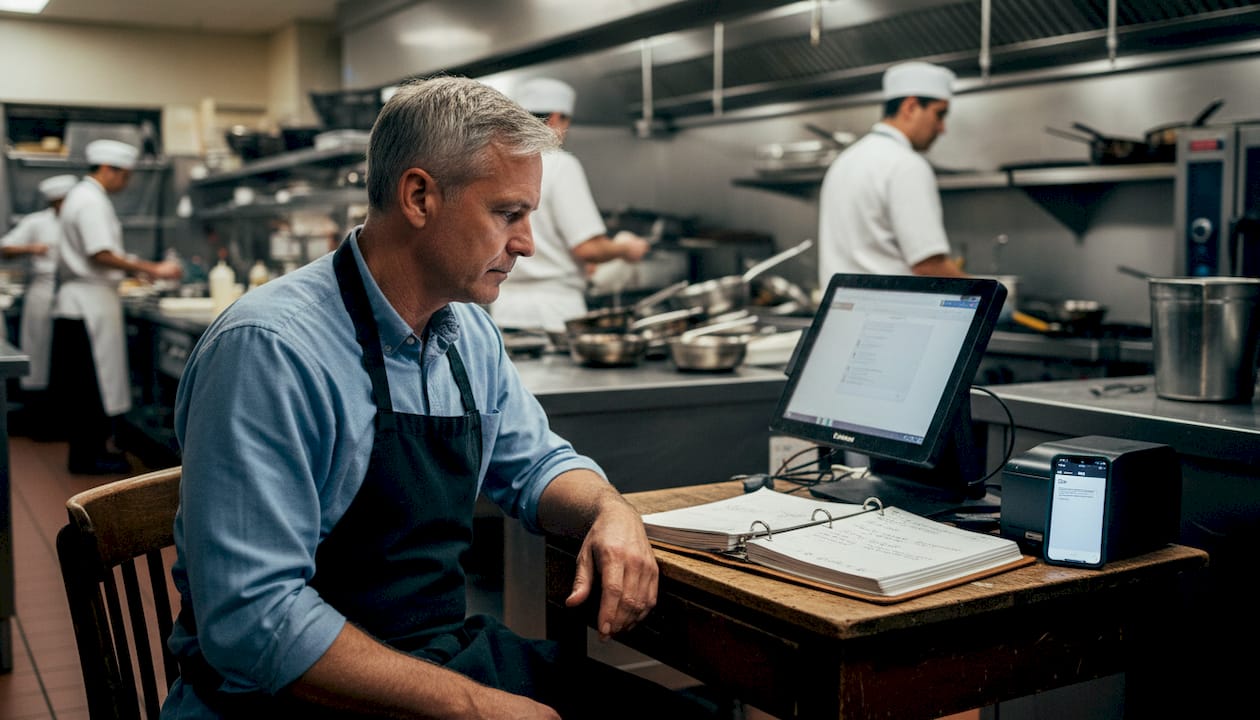
Three platforms dominate the restaurant POS conversation right now. Here is how they compare based on industry analysis of leading POS systems:
POS system | Pricing model | Ecosystem type | Best for |
Toast | Monthly + processing fees | Closed (proprietary hardware) | Full-service restaurants |
Square | Free tier + transaction % | Semi-open | Small to mid-size restaurants |
Stripe | Interchange-plus available | Open (flexible integrations) | Tech-forward, high-volume ops |
Toast is powerful but operates as a closed ecosystem, meaning you are locked into their hardware and fee structure. You can read a detailed Toast POS review to understand the full trade-off. Square is beginner-friendly and low-cost to start, but transaction fees can add up at volume. Stripe offers the most flexibility, especially for restaurants integrating tableside pay technology or custom digital ordering workflows.
Delivery platform integrations add another layer. Connecting to Grubhub or DoorDash requires PCI compliance, fraud prevention protocols, and careful onboarding to avoid data mismatches between the delivery platform and your in-house POS.
Here is a numbered process for onboarding a new POS or payment integration:
Audit your current payment volume and method mix.
Identify integration requirements with your existing delivery and QR code menus.
Request sandbox or demo access before signing any contract.
Run a parallel pilot for two to four weeks alongside your current system.
Train staff thoroughly before going live, especially on error handling and refunds.
Monitor chargebacks, settlement times, and reconciliation accuracy for the first 60 days.
Pro Tip: If your monthly card volume exceeds $40,000, negotiate interchange-plus pricing with your processor. Flat-rate pricing is convenient but expensive at scale. Interchange-plus passes the actual card network cost to you plus a fixed markup, which is almost always cheaper at high volume.
Current trends and what’s next in restaurant payments
With the basics and tech covered, how are payment options evolving and what should you prepare for? The answer is both exciting and a little uncomfortable. Guests are spending less per week on dining out, with average weekly restaurant spend dropping to $90 from $115. But their expectations for speed and convenience have never been higher.
Here are the top payment trends shaping restaurants right now:
Contactless is the default: 72% of consumers now prefer contactless payments, making tap-to-pay and QR checkout essential rather than optional.
Digital wallets are accelerating: Digital wallet usage is up 45% year over year. Guests expect to pay with their phone, watch, or even a wearable device.
QR-based ordering and payment: Combining a QR code menu with integrated payment creates a fully self-contained guest journey. You can streamline digital ordering from browse to bill without a staff member touching the table.
Biometric payments: Facial recognition and fingerprint-based payments are being piloted in select markets. Adoption is still limited but growing in quick-service environments.
Crypto and stablecoin payments: A niche but real segment, particularly in urban markets with tech-savvy guest bases.
“Consumers are eating out less, but expect faster, more convenient payments than ever.”
The smart move is to pilot emerging options with your most loyal guests first. They are more forgiving of friction during testing, and their feedback is more actionable than a one-time visitor’s. A well-designed menu design for engagement paired with seamless payment checkout creates a guest experience that feels effortless. Understanding how Grubhub tests payment integrations across restaurants also offers a useful model for how to stress-test your own payment flows before a full rollout.
A real-world perspective: What actually works for growing restaurants
After breaking down the trends and tools, here is what restaurant owners should actually keep in mind. The most common mistake we see is operators defaulting to whatever payment setup their POS vendor recommends out of the box. It is convenient in the short term. It is expensive in the long term.
Closed ecosystems like Toast lock you into proprietary hardware and fixed fee structures. Open platforms give you negotiating leverage, especially as your volume grows. Savvy operators treat their payment processor contract the same way they treat their food supplier contract. Everything is negotiable.
The operators who are growing fastest right now are investing in guest-facing technology, specifically QR menus, tableside payment, and mobile ordering best practices, because these tools do two things simultaneously. They reduce labor dependency and they measurably improve guest satisfaction scores. Higher satisfaction drives repeat visits. Repeat visits drive revenue. It is a compounding effect that a cheaper processing rate alone cannot replicate.
Open systems paired with digital ordering give you more leverage with processors and more data to optimize your guest experience over time.
Transform your payment experience with digital menu solutions
If you want to future-proof and streamline your payment system, here is where to start. The gap between restaurants that thrive and those that struggle is increasingly defined by how well their digital and payment infrastructure works together.
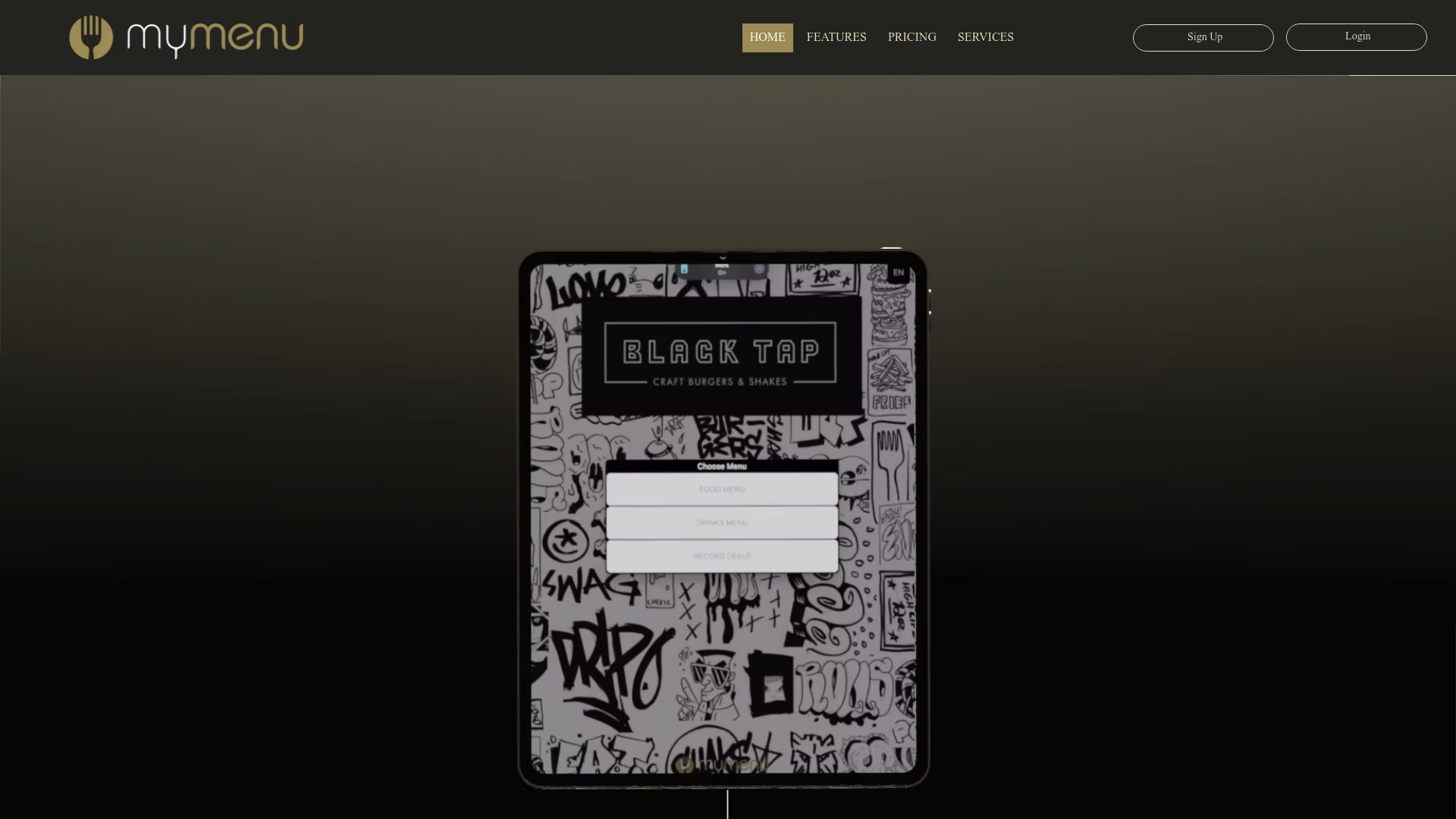
MyDigiMenu empowers restaurants to bring contactless ordering, QR payments, and tableside checkout into one intuitive platform. Whether you are launching a digital tablet menu for your dining room or deploying QR menu solutions for faster table turns, the platform integrates seamlessly with your existing POS and delivery workflows. Explore flexible plans and pricing designed to scale with your operation, and see how a dash of digital can turn everyday service into extraordinary guest memories.
Frequently asked questions
What are the most cost-effective payment solutions for small restaurants?
Open-platform POS systems with negotiable fees like Square or Stripe usually offer lower long-term costs for small restaurants, especially those with growing card volumes.
How can restaurants reduce fraud and increase payment security?
Using EMV and NFC technologies alongside tokenization and PCI-compliant processors significantly reduces fraud risk at both the terminal and the data layer.
Is cash still relevant for restaurant payments in 2026?
Cash now accounts for just 16% of in-person transactions, down from 31%, as most consumers actively prefer digital and contactless payment methods.
How does integrating payment solutions with POS benefit restaurants?
POS and payment integration streamlines data flow, speeds up service, reduces manual errors, and supports unified end-of-day reconciliation across all revenue channels.
Recommended
Comments