
What Is Contactless Payment? A 2026 Guide

TL;DR:
Contactless payment enables secure, touch-free transactions using NFC and RFID technology, with over 66% of in-person Mastercard transactions now contactless. The method is safer and more convenient, with dynamic tokenization protecting each payment, and adoption is rapidly expanding across retail, transit, and hospitality. Businesses that implement contactless systems improve operational speed, customer satisfaction, and are positioned for ongoing technological growth.
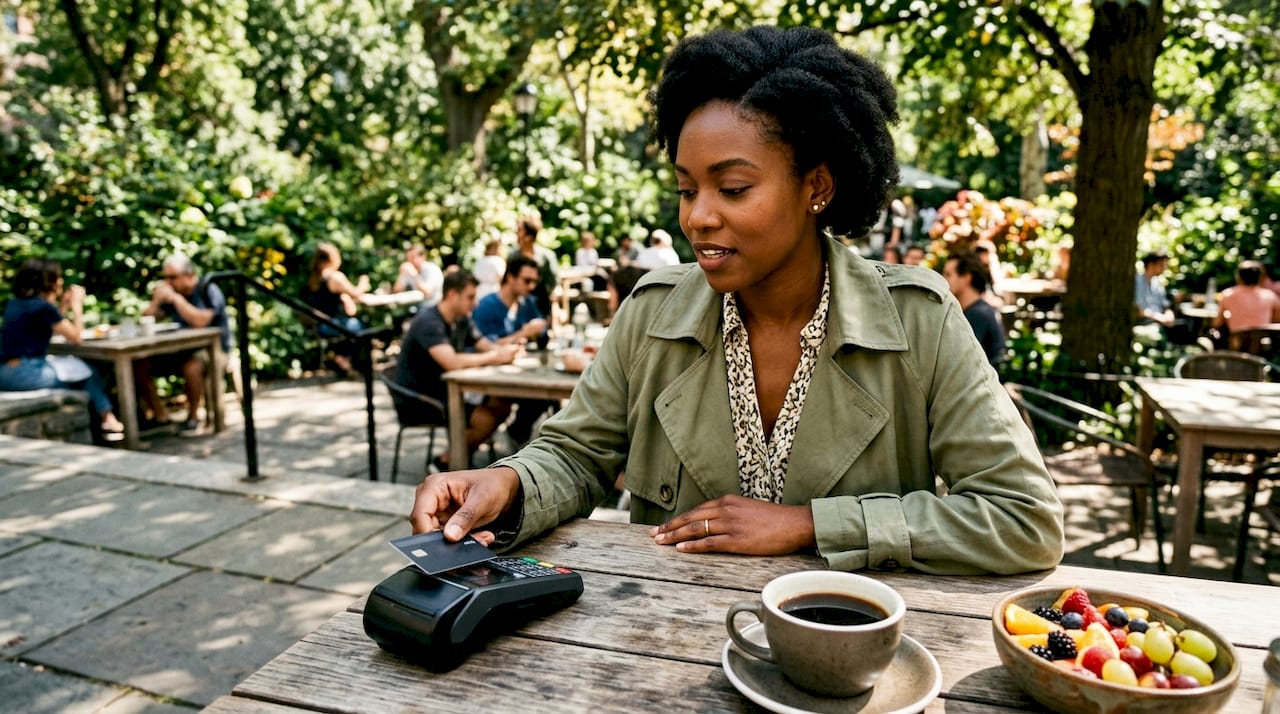
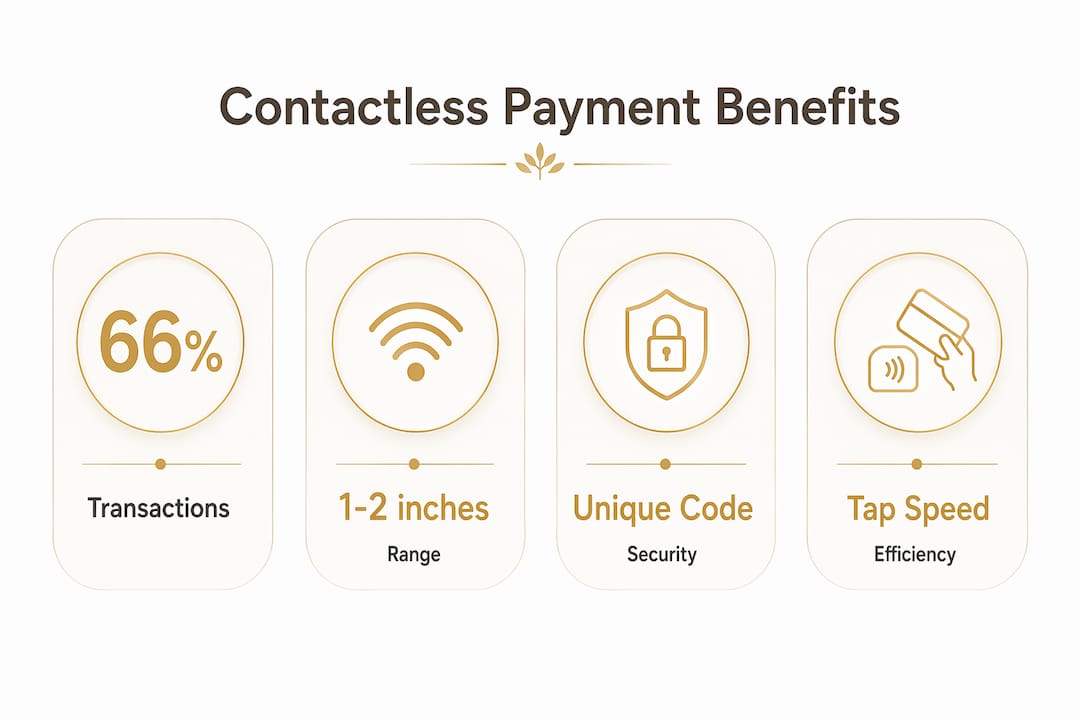
Contactless payment is defined as a touch-free transaction method that lets consumers pay by tapping a card, smartphone, or wearable near a compatible terminal, using Radio-Frequency Identification (RFID) or Near Field Communication (NFC) technology. No physical swipe, insertion, or signature is required. Mastercard reports that over 66% of in-person transactions globally now happen this way, up from 33% before the pandemic. That shift tells you everything about where payments are heading and why both consumers and business owners need to understand this technology now.
What is contactless payment and how does the technology work?
Contactless payment technology relies on two core standards: RFID and NFC. RFID and NFC technology allow a card or device to broadcast encrypted payment data to a terminal without any physical connection. The terminal reads that signal, processes the transaction, and confirms payment in under two seconds.
The devices that support this technology include:
EMV chip cards with a contactless antenna embedded in the card body
Smartphones running mobile wallets such as Apple Pay or Google Pay
Wearables like smartwatches and fitness bands with NFC chips
Tap-to-pay stickers that attach to non-NFC phones
One detail that surprises many people: the card or phone does not need to physically touch the reader. NFC works by proximity within 1–2 inches, not by contact. Pressing hard against the terminal can actually damage your phone screen or card chip over time.
Security is built into every layer of the transaction. Dynamic tokenization generates a unique one-time cryptogram for each payment. That means even if someone intercepts the data mid-transaction, the code is already expired and useless.
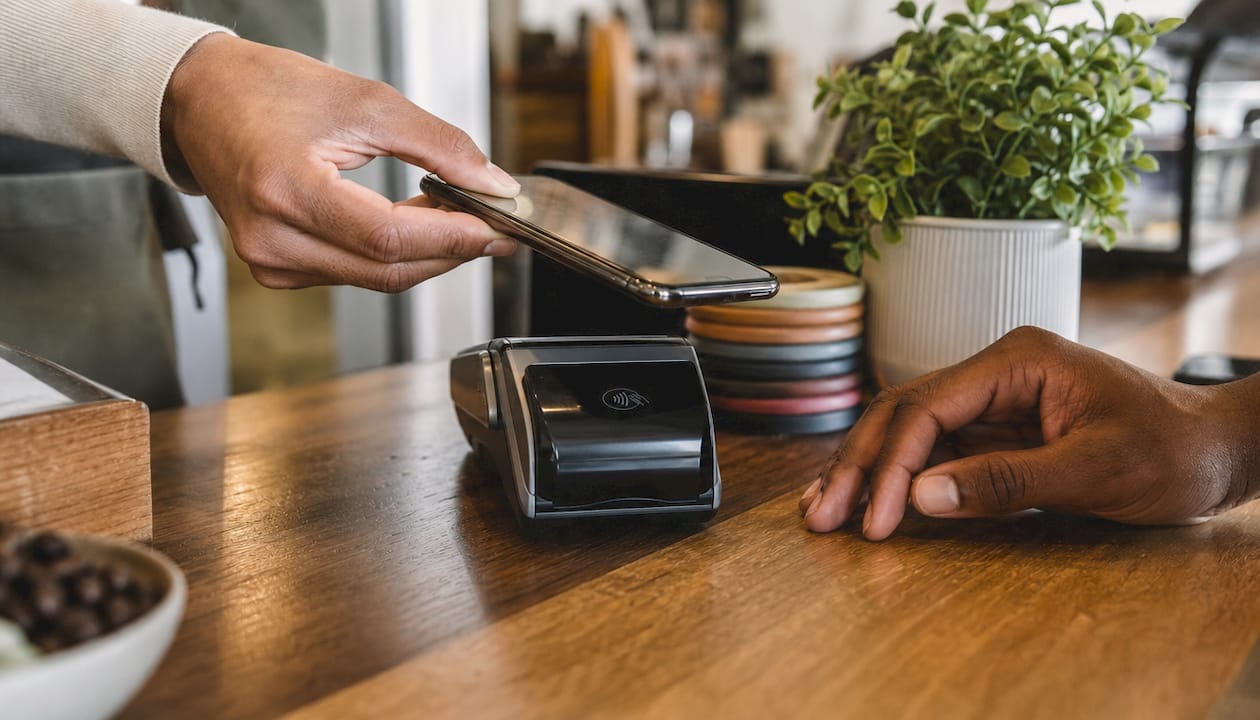
Pro Tip: Hold your card or phone about an inch from the reader and wait for the beep or green light. Hovering is faster and safer than pressing.
How widespread is contactless payment adoption?
The growth of tap-to-pay has been one of the fastest shifts in payment history. Pandemic hygiene concerns pushed consumers away from shared PIN pads and cash, and mass transit tap-to-ride systems normalized the habit for millions of daily commuters. That behavioral change stuck long after the health crisis faded.
The numbers confirm the trend. Contactless transactions doubled from 33% to over 66% of all in-person payments on Mastercard’s network by march 2025. That means more than two in every three face-to-face purchases now happen without a card being inserted or swiped.
The expansion has moved well beyond retail checkout lanes. Here is where contactless payment now operates at scale:
Industry | Contactless application |
Retail | Tap-to-pay at checkout terminals |
Public transit | Tap-to-ride on buses, subways, and trains |
Banking | Cardless ATM withdrawals via mobile wallet |
Hospitality | QR-based ordering and tap-to-pay at table |
Healthcare | Contactless billing and co-pay at reception |
By Q4 2025, Tap on Phone merchant solutions allowed any smartphone to act as a payment terminal. Small vendors at farmers markets, food trucks, and pop-up events can now accept tap payments without buying dedicated hardware. That development removed the last major barrier for small business adoption.
Is contactless payment safe?
Contactless payment is generally more secure than traditional swipe or magstripe transactions. The reason is straightforward: encryption and tokenization replace your actual card number with a one-time code that expires the moment the transaction completes. A stolen code from one purchase cannot be reused.
There are legitimate concerns worth addressing honestly:
Lost or stolen cards can be used for small purchases without a PIN, since many contactless systems skip PIN entry below a set spending limit
Relay attacks are theoretically possible, where a criminal uses two devices to extend the NFC range, though this requires close physical proximity and specialized equipment
Skimming is far less effective than with magstripe cards because the tokenized data has no reuse value
“Contactless payments often offer enhanced security versus traditional card methods. The combination of encryption and dynamic tokenization means intercepted data is worthless to a fraudster.” — Mastercard contactless payment research, 2025
The card-never-leaves-your-hand factor also matters. With chip-and-PIN, you hand your card to a server or cashier. With tap-to-pay, the card stays in your grip the entire time. That alone eliminates a common vector for card cloning.
Pro Tip: If you lose a contactless card, report it immediately. Most issuers allow you to freeze the card through their app in under 30 seconds, stopping any unauthorized tap transactions.
How can businesses implement contactless payment systems?
Businesses that accept contactless payments see real operational gains. Faster checkout times reduce queue lengths, which directly improves customer satisfaction and increases the number of transactions a location can handle per hour. A coffee shop that cuts average transaction time by 15 seconds serves meaningfully more customers during a morning rush.
Getting set up is more accessible than most business owners expect. Here are the main paths to implementation:
Upgrade your existing terminal. Most modern point-of-sale terminals already support NFC. Check with your payment processor. Activation is often a software setting, not a hardware purchase.
Use a Tap on Phone app. Turn any NFC-enabled Android smartphone into a payment terminal using a certified app from your payment processor. No extra hardware required.
Add QR-based payment at table. Restaurants and cafes can combine a contactless ordering system with payment links, letting guests order and pay entirely from their own phone.
Integrate with your POS. Most enterprise POS platforms support contactless payment natively. Confirm your software version is current and EMV-compliant.
Train your staff. Customers who are unfamiliar with tap-to-pay sometimes need a quick prompt. A staff member who confidently says “just tap here” removes hesitation and speeds up the line.
Cost is a common concern for smaller operators. Tap on Phone solutions require no terminal purchase at all. For businesses already running a tablet-based menu, adding contactless payment is often a matter of connecting a compatible card reader to an existing setup.
Pro Tip: Display a small “tap to pay accepted here” sign at your counter. Customers who prefer contactless will choose your line over one that doesn’t show the option.
The role of payment flexibility in hospitality goes beyond speed. Guests who can pay the way they prefer are more likely to return. Offering tap-to-pay alongside cash and chip-and-PIN signals that your business is attentive to customer preferences.
What contactless payment trends are shaping 2026 and beyond?
The next wave of contactless payment technology moves well past the simple tap-to-pay transaction. Tap to Activate and Tap to Add features now let customers provision a new card directly into their mobile wallet by tapping the physical card against their phone. Banks benefit from reduced call center volume. Customers get instant digital access without waiting for app navigation.
Cardless ATM withdrawals represent another meaningful shift. Consumers can now authenticate at an ATM using their mobile wallet, withdraw cash, and never touch a physical card. That capability matters most in situations where a card is lost or forgotten but the phone is available.
In hospitality specifically, contactless technology is merging with the full dining experience. Contactless dining trends for 2026 show restaurants combining QR menus, tap-to-pay, and digital loyalty programs into a single guest interaction. A diner scans a QR code, browses a visual menu, orders, pays, and earns loyalty points without touching a shared surface or waiting for a server to return with a card machine.
Wearables are also gaining ground. Smartwatches with NFC chips allow payment without reaching for a wallet or phone. In transit environments, this is already standard. In retail and dining, adoption is accelerating as wearable ownership grows.
The broader direction is clear: contactless payment is becoming the default, not the exception. Businesses that build their payment infrastructure around tap-to-pay today will spend less time retrofitting later.
Key Takeaways
Contactless payment is the most secure and efficient transaction method available today, combining NFC technology, dynamic tokenization, and device-level authentication to protect every purchase.
Point | Details |
Core technology | NFC and RFID enable touch-free payments within 1–2 inches, no physical contact needed. |
Adoption rate | Over 66% of in-person Mastercard transactions are now contactless, up from 33% pre-pandemic. |
Security advantage | Dynamic tokenization creates a one-time code per transaction, making intercepted data worthless. |
Business benefit | Faster checkout reduces queue times and increases transaction throughput per hour. |
Implementation options | Businesses can use existing terminals, Tap on Phone apps, or QR-based ordering with payment links. |
Why contactless payment is more than a convenience upgrade
I have watched businesses treat contactless payment as a nice-to-have feature, something to add eventually. That framing is wrong, and the data makes it obvious. When two out of every three in-person transactions are already happening via tap-to-pay, a business without contactless capability is actively creating friction for the majority of its customers.
The security misconception is the part I find most frustrating. Consumers who distrust contactless payment often do so because they imagine their card data floating through the air unprotected. The reality is the opposite. A magstripe transaction sends your actual card number to the terminal in plain text. A contactless transaction sends a one-time code that is useless the moment it is processed. The “old way” is the vulnerable one.
What I find genuinely exciting is the hospitality application. A restaurant that combines a digital menu with tap-to-pay at the table has eliminated three of the most friction-heavy moments in dining: waiting for a menu, waiting for the check, and waiting for the card machine to return. That is not a minor improvement. It changes the entire pace and feel of a meal. Guests leave faster if they want to, or stay longer without feeling rushed. Both outcomes improve satisfaction scores.
The businesses that will struggle in 2026 are not the ones that lack the latest hardware. They are the ones that have not yet decided that the customer’s payment experience is worth investing in. Contactless payment is the clearest, lowest-cost way to signal that you have made that decision.
— Abhi
How Mydigimenu helps restaurants go fully contactless
Contactless payment works best when the entire guest experience matches its speed and simplicity. A tap-to-pay terminal paired with a paper menu still creates friction. Mydigimenu closes that gap.
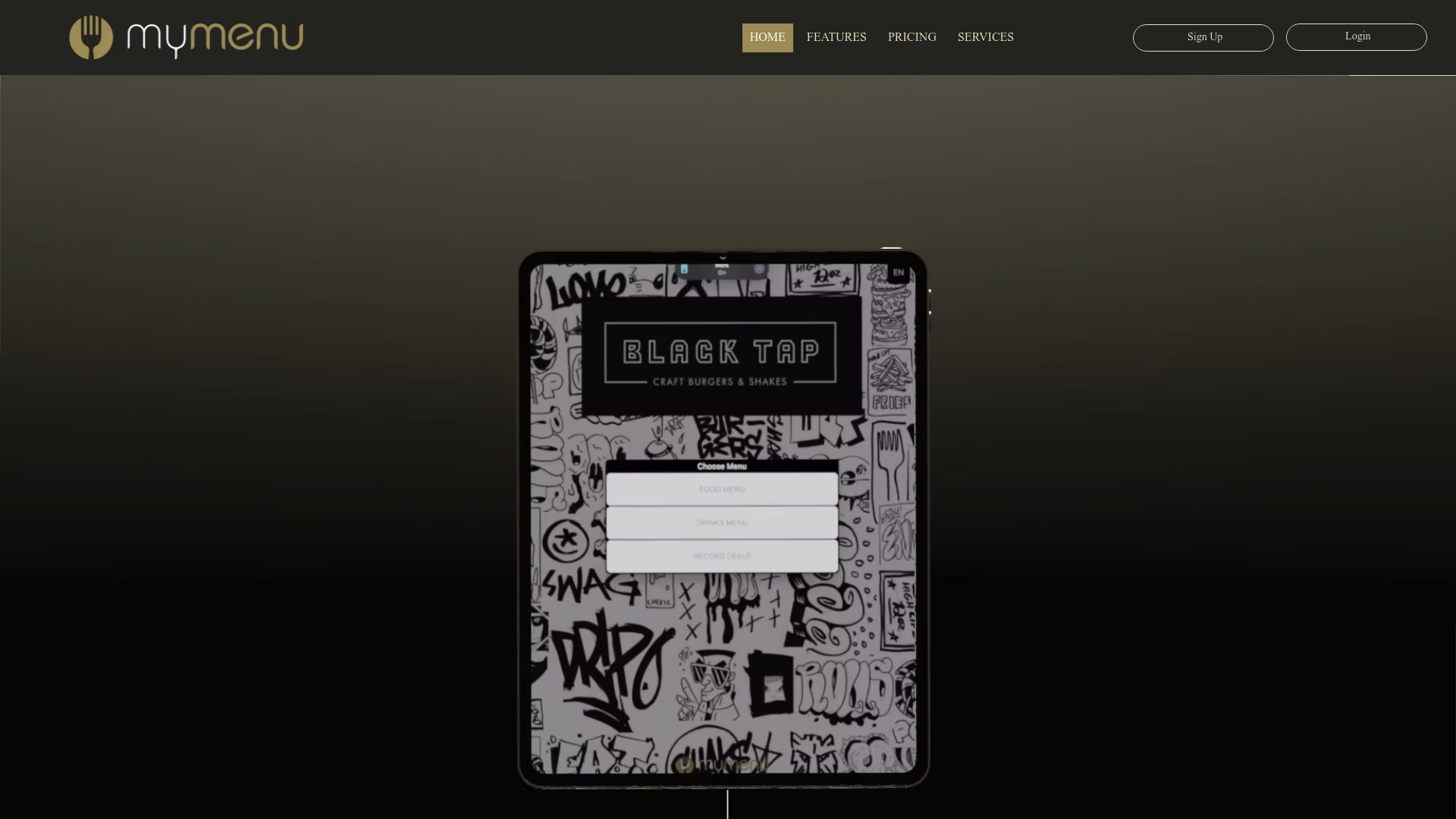
Mydigimenu’s restaurant digital tablet menu and QR menu generator let guests browse, order, and pay from their own device, with no app download required. High-quality food visuals, multilingual support, and built-in loyalty programs turn a single dining visit into a complete digital experience. For restaurants ready to build a contactless operation from the ground up, Mydigimenu connects the menu, the order, and the payment into one fluid guest journey.
FAQ
What is contactless payment in simple terms?
Contactless payment is a way to pay by holding a card, phone, or wearable near a payment terminal without inserting or swiping. It uses NFC technology to transmit encrypted payment data in under two seconds.
How does contactless payment work at checkout?
The card or device broadcasts a one-time encrypted code to the terminal via NFC. The terminal reads the code, verifies it with the payment network, and confirms the transaction, all without physical contact.
Is contactless payment safe to use?
Contactless payment is safe. Dynamic tokenization generates a unique code for each transaction, so intercepted data cannot be reused. The card also never leaves your hand, which removes a common risk present with traditional card handling.
What devices support contactless payment?
EMV contactless cards, NFC-enabled smartphones running mobile wallets, and NFC-equipped wearables like smartwatches all support tap-to-pay at compatible terminals.
Can small businesses accept contactless payments?
Yes. Tap on Phone solutions turn any NFC-enabled Android smartphone into a payment terminal, requiring no dedicated hardware purchase. QR-based payment systems offer another low-cost option for restaurants and cafes.
Recommended
Comments