
What Is a Digital Mocktail Menu? A 2026 Guide
- Abhi Bose
- 6 hours ago
- 8 min read
TL;DR:
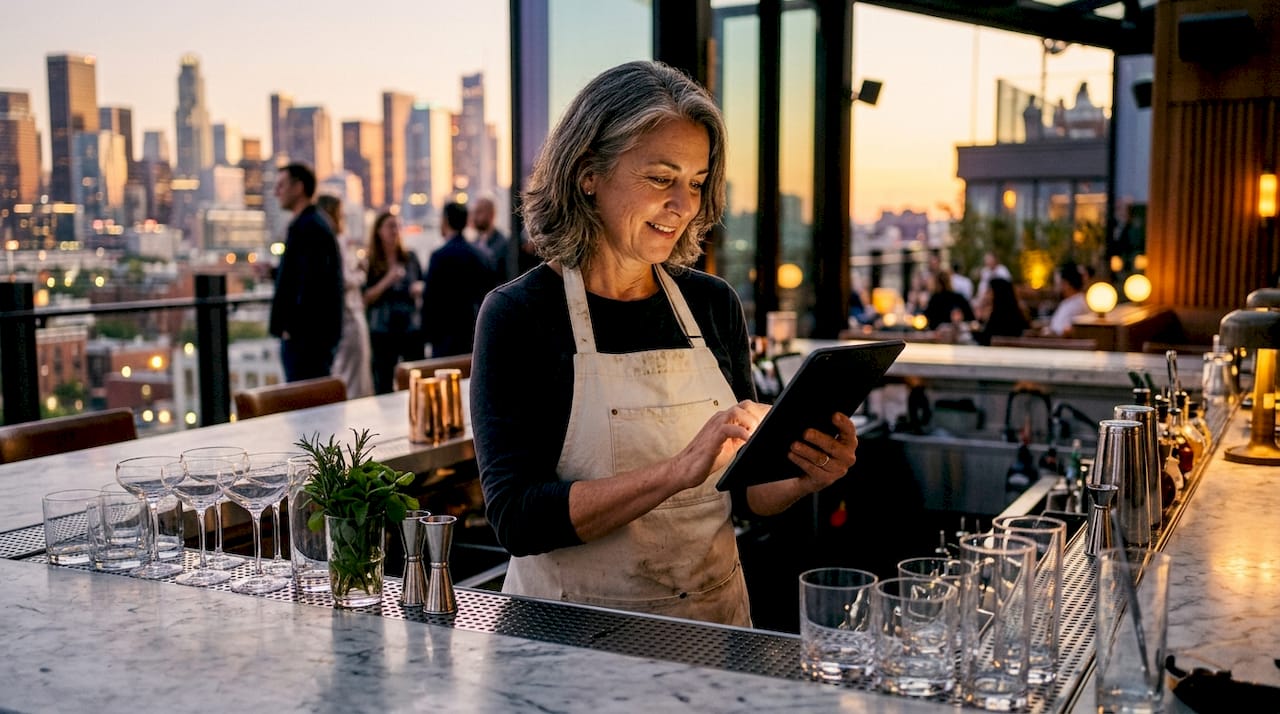
A digital mocktail menu displays non-alcoholic drinks on screens or QR codes that are updated in real time. Such menus enhance guest engagement, support premium pricing, and increase non-alcoholic beverage sales. Implementing a well-designed, regularly updated digital menu significantly boosts revenue and guest satisfaction.
A digital mocktail menu is a screen-based or QR-accessible presentation of non-alcoholic beverages that hospitality venues update in real time, without printing a single page. The industry term for this broader category is “digital menu,” and mocktail menus represent one of its fastest-growing applications. Mocktails, defined as alcohol-free drinks crafted with the same care as cocktails, have moved from afterthought to profit center in bars, hotels, and restaurants worldwide. A well-built digital drink menu puts those offerings front and center, with vivid photography, flavor descriptions, and instant updates that a laminated card simply cannot match. Platforms like Mydigimenu make this possible for venues of every size, turning a static beverage list into a living, breathing guest experience.
What is a digital mocktail menu, and how does it work?
A digital mocktail menu is any digital menu format that displays non-alcoholic beverage options on screens, tablets, or guest-owned smartphones via QR code, with content managed from a central software interface. The core difference from a printed list is real-time control. A bar manager can add a seasonal shrub soda, remove a sold-out ingredient, or adjust pricing across every table in seconds.
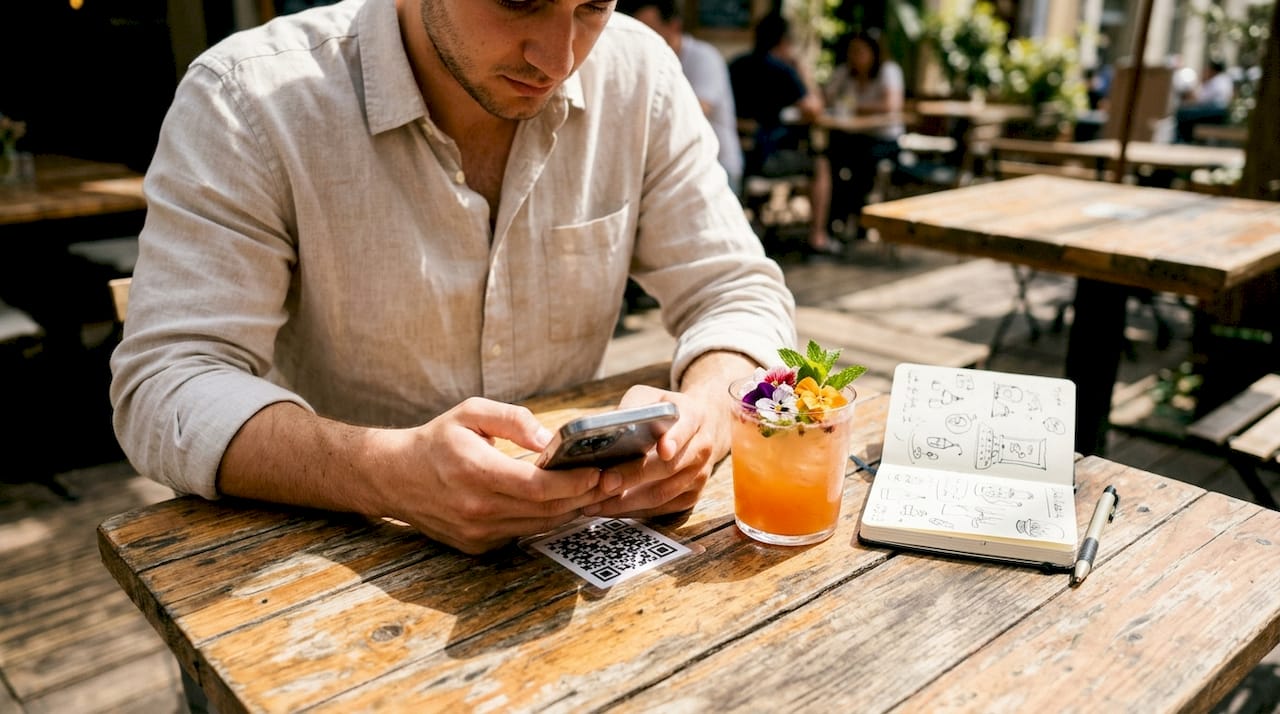
The format also changes how guests interact with the menu. Instead of scanning a two-column text list, guests browse mouthwatering images, read ingredient stories, and filter by flavor profile. That shift in presentation directly influences what guests order and how much they spend on non-alcoholic options.
Mocktails deserve this treatment. A Seedlip and tonic with hand-pressed citrus and a botanical garnish is as craft-driven as any cocktail. A digital format gives that drink the visual real estate it deserves, and gives your team the tools to sell it confidently.
What types of digital mocktail menus are available?
Hospitality venues use four main formats, each suited to a different service environment.
Format | Best suited for | Key advantage | Limitation |
QR code menu | Casual dining, bars, hotels | No app download; guests use their own phone | Requires guest smartphone |
iPad or tablet menu | Fine dining, lounges, tableside service | Rich visuals; tactile browsing experience | Hardware cost and maintenance |
Digital menu board | Quick-service counters, lobby bars | High visibility; drives impulse orders | Less personalized interaction |
Kiosk | High-volume venues, hotel lobbies | Self-service ordering; reduces staff load | Higher upfront investment |
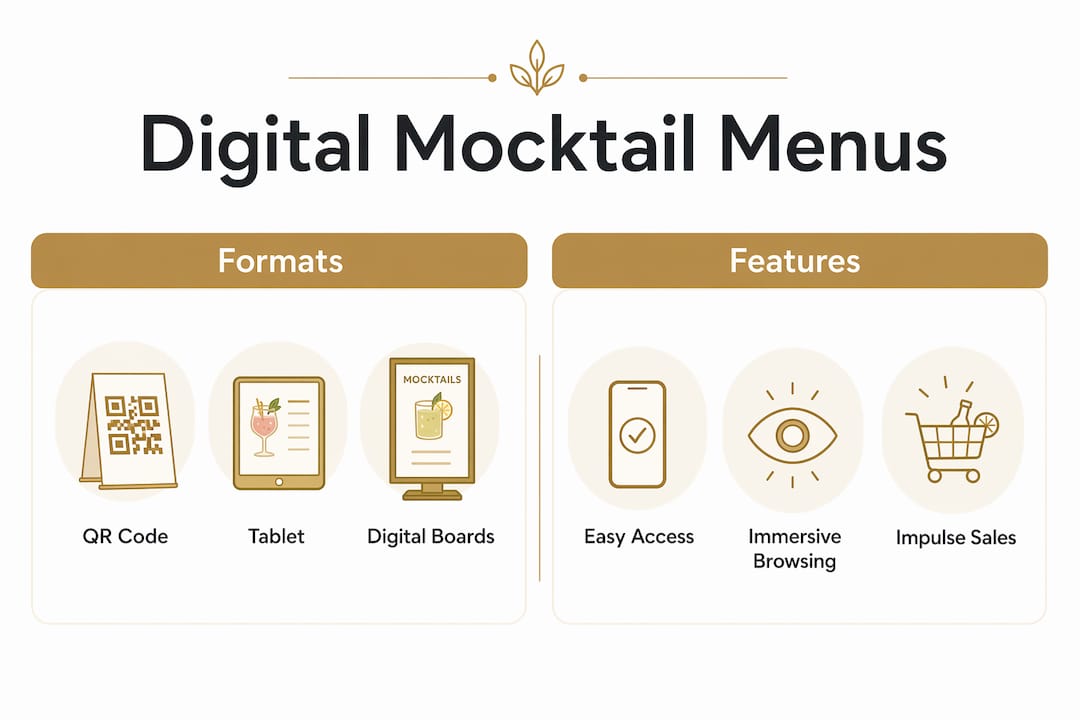
QR code menus open instantly on a guest’s phone with no app download required, which removes friction and speeds up the ordering process. That frictionless access is especially valuable for non-alcoholic beverage upsells, where the decision window is short.
Tablet menus, by contrast, create a more immersive browsing experience. A guest holding an iPad with a full-screen photo of a hibiscus and ginger fizz is far more likely to order it than a guest reading “hibiscus fizz, $9” in plain text. For upscale bars and hotel lounges, the tablet format turns browsing into an adventure.
Digital menu boards work best at the point of decision, such as a lobby bar or a counter-service café. They drive impulse orders by showcasing featured mocktails with motion graphics or seasonal callouts. The limitation is that they offer no personalized interaction, so they work best as a complement to another format rather than a standalone solution.
Pro Tip: Start with a QR code menu if you want the lowest barrier to entry. You can layer in tablet menus for premium sections of your venue once you have the content and photography ready.
What are the benefits of a digital mocktail menu for hospitality?
The operational and commercial case for a digital mocktail menu is strong, and it goes well beyond convenience.
Real-time updates. Menu changes like sold-out items, price adjustments, or new seasonal additions take effect with a single click across every access point in the venue.
Reduced perceived wait time. Guests who browse a visually engaging menu feel less impatient. Research shows digital menus reduce perceived wait time by up to 35%, improving satisfaction even when actual service speed stays the same.
Sustainability. QR menus reduce paper use and eliminate reprints caused by seasonal changes or pricing errors, supporting environmental goals without sacrificing presentation quality.
Higher non-alcoholic revenue. When mocktails are presented with the same visual weight as cocktails, guests treat them as equally desirable. That perception shift drives order frequency and average spend.
Allergen and dietary transparency. Digital formats display ingredient lists, calorie counts, and allergen flags without cluttering the visual design, which builds guest trust.
The storytelling dimension is where digital mocktail menus truly separate themselves from print. Hospitality managers recognize digital menus as storytelling platforms that justify premium pricing for crafted non-alcoholic beverages. A description that explains the cold-press process behind a cucumber and mint cooler, paired with a close-up image, gives guests a reason to pay $14 instead of $8.
“Digital menus give non-alcoholic drinks the narrative they deserve. When guests understand the craft behind a mocktail, they value it differently, and they order it more often.”
That shift in perceived value is the most underused revenue lever in the non-alcoholic beverage category. Venues that present mocktails with the same care as their cocktail program consistently see stronger attachment rates on those items.
How to design an effective digital mocktail menu
Design determines whether your digital drink menu converts browsers into buyers. The following principles apply whether you are building from scratch or refreshing an existing list.
Organize by flavor profile. Categories like Botanical, Citrus, and Velvet help guests navigate non-alcoholic options intuitively. Flavor-first navigation removes the guesswork and makes the menu feel curated rather than generic.
Use high-resolution photography. Every mocktail should have at least one image that shows the drink styled and garnished. Blurry or stock photos undermine the premium positioning you are trying to build.
Write descriptive, sensory copy. “Sparkling elderflower with muddled basil and a salted rim” sells the drink. “Elderflower mocktail” does not. Pair the image with copy that engages taste and smell.
Design for mobile first. Most guests access QR menus on a 6-inch screen. Text must be legible without zooming, and images must load in under two seconds. A well-designed digital menu can increase guest engagement measurably when it respects mobile constraints.
Limit choices per category. Cognitive load research consistently shows that 6–8 options per category outperform longer lists. Curate your mocktail menu ideas rather than listing every variation.
Highlight featured or seasonal items. A “Staff Pick” or “This Month’s Special” badge draws the eye and drives trial of new recipes without requiring staff to verbally upsell every table.
Pro Tip: Add a short “how it’s made” note to your top three mocktails. Even one sentence about the process, such as “cold-pressed for 12 hours,” signals craft and supports a higher price point.
How to implement and manage a digital mocktail menu effectively
A strong implementation plan separates venues that see results from those that abandon the format after a few weeks.
Choose a platform that fits your workflow. The right digital menu platform connects to your existing point-of-sale system and allows staff to make updates from devices they already use. Integration with ordering and payment systems allows guest self-service and faster checkouts, reducing pressure on front-of-house teams during peak hours.
Build your content library before launch. Photograph every mocktail you plan to feature. Write descriptions in advance. Launching with placeholder images or incomplete copy damages the guest experience and undercuts the premium positioning you are building.
Train your team on the guest-facing experience. Staff should know how to guide guests to the QR code or tablet, answer questions about the menu format, and use the backend to flag sold-out items in real time. A digital table ordering setup works best when the team treats it as a service tool, not a replacement for hospitality.
Schedule seasonal updates. Plan mocktail menu refreshes quarterly, aligned with ingredient availability and guest trends. Set a calendar reminder so updates happen proactively, not reactively.
Measure and iterate. Track which mocktails receive the most views and which convert to orders. Most digital menu platforms surface this data. Use it to retire underperformers and promote high-margin items.
The 85% adoption rate of digital menus across hospitality venues post-COVID reflects how quickly the format became standard. Venues that treat implementation as a one-time setup miss the ongoing opportunity. The menu is a living document, and the venues that update it regularly see compounding returns in guest engagement and beverage revenue.
For venues looking to improve their online visibility alongside their digital menu rollout, pairing the effort with restaurant SEO services can help attract guests before they even walk through the door.
Key takeaways
A digital mocktail menu is the single most effective tool for turning non-alcoholic beverages from a menu afterthought into a genuine revenue driver for hospitality venues.
Point | Details |
Definition is clear | A digital mocktail menu displays non-alcoholic drinks via QR codes, tablets, or screens with real-time content control. |
Format choice matters | QR menus suit most venues; tablet menus add premium value in fine dining and lounge settings. |
Storytelling drives revenue | Descriptive copy and high-quality images justify premium pricing for crafted mocktails. |
Implementation requires planning | Build your content library, train staff, and integrate with your POS before going live. |
Ongoing updates compound results | Seasonal refreshes and performance tracking turn a static launch into a growing revenue channel. |
Why digital mocktail menus are the most overlooked opportunity in hospitality right now
I have spent years watching hospitality venues invest heavily in their cocktail programs while their non-alcoholic offerings sit in a corner of the menu with two options and no description. The digital mocktail menu changes that equation entirely, and I think most operators still underestimate how much it matters.
The guest base has shifted. Sober-curious dining is not a niche trend. A meaningful share of guests at any given table are actively choosing not to drink alcohol, and they remember venues that made them feel as considered as everyone else. A thoughtfully built interactive drink menu signals that your venue takes those guests seriously.
The implementation challenge I see most often is not technical. It is content. Operators launch a digital menu with beautiful design and then populate it with the same flat descriptions from their old printed list. The format is only as good as the content inside it. Invest in photography and copy before you invest in hardware.
The venues I have seen get this right share one habit: they treat their mocktail menu as a product, not a list. They name their drinks, tell their stories, and update them with the seasons. A dash of digital can turn an overlooked beverage category into one of the most talked-about parts of the guest experience. That is not an accident. It is a choice.
— Abhi
Mydigimenu and your digital mocktail menu
Mydigimenu is built for exactly this kind of work. The platform gives hospitality professionals the tools to create visually rich, fully customizable digital mocktail menus without technical complexity.
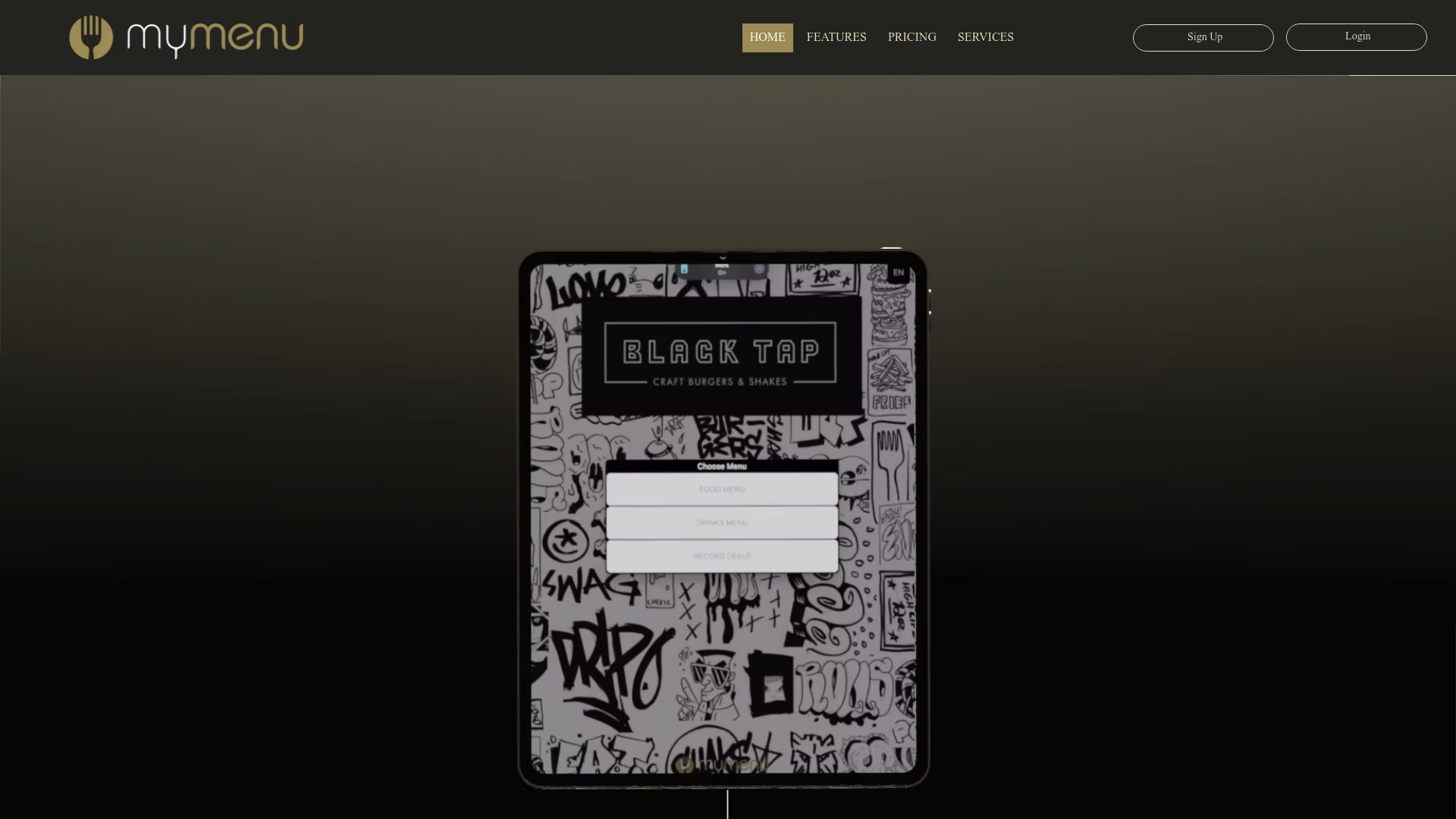
With Mydigimenu’s iPad and tablet menu solution, you can present mocktails with high-resolution images, detailed flavor descriptions, and allergen information, all updated from one central dashboard. The platform’s QR menu generator lets guests access your non-alcoholic offerings instantly on their own phones, with no app required. Multilingual support, CRM integration, and guest feedback tools mean your digital mocktail menu works as hard as the rest of your operation. Explore Mydigimenu’s plans and pricing to find the right fit for your venue.
FAQ
What is a digital mocktail menu?
A digital mocktail menu is a screen-based or QR-accessible list of non-alcoholic beverages that hospitality venues manage and update in real time through a central software platform. It replaces printed menus with dynamic, visually rich content that can be changed instantly.
What are mocktails, and why do they need a dedicated menu section?
Mocktails are alcohol-free drinks crafted with the same techniques and ingredients as cocktails, including fresh juices, syrups, herbs, and carbonation. A dedicated section with strong visuals and descriptions signals their value and drives guest orders.
How do QR code menus improve the mocktail ordering experience?
QR code menus open instantly on a guest’s phone with no app download, reducing friction and giving guests immediate access to the full non-alcoholic beverage range. Research shows this format also reduces perceived wait time by up to 35%.
How often should a digital mocktail menu be updated?
Seasonal updates every quarter align with ingredient availability and keep the menu feeling fresh. Real-time updates for sold-out items or price changes should happen as needed through the platform’s management interface.
Can a digital mocktail menu increase non-alcoholic beverage sales?
Digital menus that pair high-quality images with descriptive, story-driven copy consistently position mocktails as premium products, which supports higher price points and stronger order frequency compared to plain-text printed lists.
Recommended