
Tips for Restaurant Upselling That Actually Work

TL;DR:
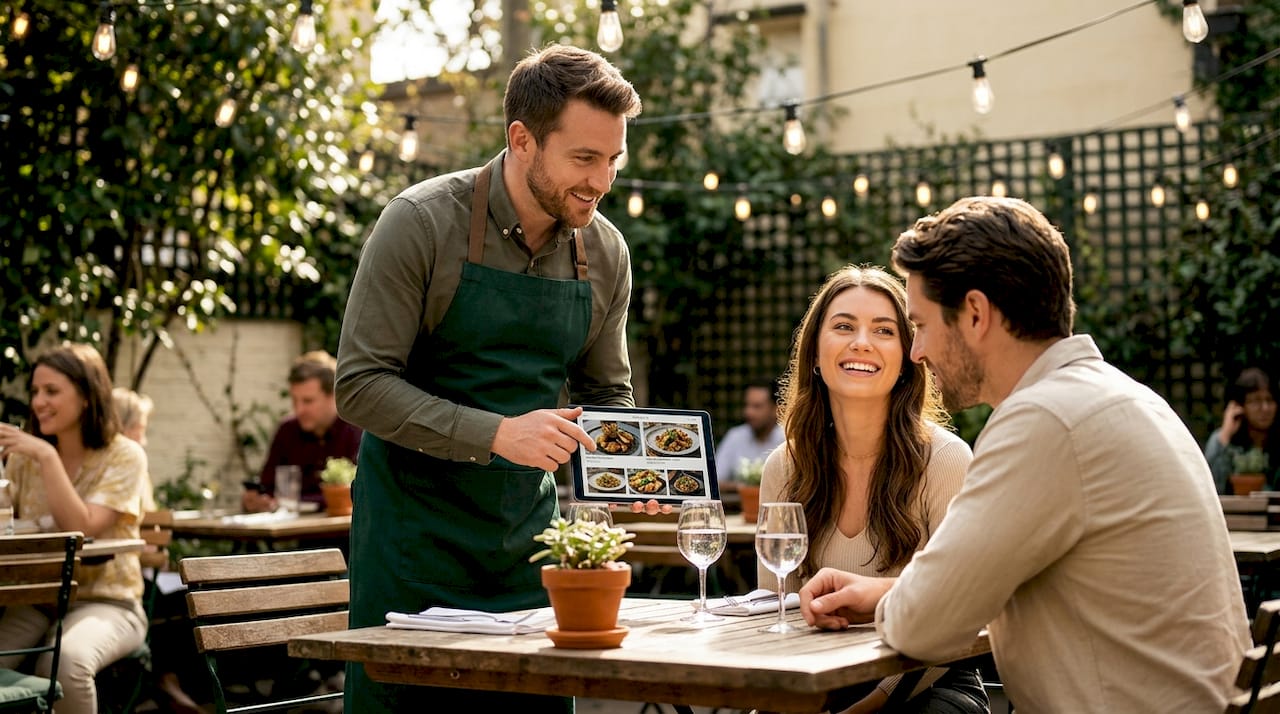
Effective restaurant upselling relies on perfect timing, humanized scripts, strategic menu design, and digital tools. When executed well, it deepens guest experience while adding substantial revenue without feeling pushy. Consistent team practice and technology integration make suggestive selling natural and highly profitable.
The best servers in the world rarely feel like salespeople. They feel like knowledgeable friends who happen to know the menu inside and out. That distinction is everything when it comes to tips for restaurant upselling, which the industry formally calls suggestive selling. Done right, it is a hospitality skill that deepens the guest experience while adding measurable revenue to every shift. Done wrong, it feels transactional and sends guests running. This article gives you a structured, practical playbook covering timing, language, menu design, and technology so you and your team can start selling more without ever feeling pushy.
Key Takeaways
Point | Details |
Timing drives acceptance | Upselling within 90 seconds of seating anchors higher-margin first orders and improves acceptance rates. |
Scripts build confidence | Short, flexible scripts practiced in pre-shift roleplay keep delivery natural and consistent across your team. |
Menu design sells silently | Placing high-margin items in Golden Triangle zones can increase profits per guest by 10% to 15%. |
Technology removes pressure | Digital and QR menus let guests browse at their own pace, which increases add-on attach rates organically. |
Measure what matters | Tracking just two or three KPIs like appetizer attachment rate prevents random upsell attempts and improves results. |
1. Master the timing of your upsell attempts
The single most overlooked element in restaurant sales techniques is timing. You can have the perfect script, a beautifully designed menu, and a motivated team. If the moment is wrong, the upsell dies before it starts.
There are four windows where guests are genuinely receptive:
Within 90 seconds of seating: This is when guests are still orienting. A confident, warm drink recommendation here anchors the entire experience. Beverage upselling at this moment locks in higher-margin first orders before guests default to water.
During appetizer selection: Guests in decision mode are open to suggestions. This is your opportunity to name a specific dish with a brief, enticing reason.
When the entrée order is placed: Pair it with a side upgrade, a sauce addition, or a wine recommendation tailored to what they ordered.
The dessert window: This is the most skipped and most profitable moment. Dessert attachment rates average 20% to 35% when a specific item is named, compared to a flat “Would you like dessert?”
Knowing when NOT to attempt an upsell matters just as much. If a table is deep in conversation, if a guest looks rushed, or if someone is visibly unhappy, silence is the right move. Reading guest signals and adjusting accordingly prevents discomfort and builds lasting trust.
Pro Tip: Run a two-minute pre-shift drill where you identify the two upsell moments your team will focus on that evening. Rotating focus weekly keeps the approach fresh and prevents robotic delivery.
2. Build upselling scripts that feel human
Scripts are training wheels. They exist to build staff confidence and create consistent language across your team, not to manufacture robotic recitations. The goal is a team that has internalized the ideas so well that the words feel like their own.
Here are practical script frameworks for four key moments:
Appetizer: “Have you tried the burrata tonight? It pairs beautifully with what you’re about to order and the kitchen finishes it with truffle oil.”
Beverage upgrade: “We just got a beautiful Malbec from Mendoza in. It would be stunning with the ribeye you chose.”
Entrée upgrade: “The 8-ounce is fantastic, but if you’re celebrating, the 12-ounce is the one regulars always come back for.”
Dessert specific prompt: “The crème brûlée tonight is made tableside. It takes about three minutes and guests who order it always say it was the highlight.”
That last example illustrates why specific item recommendations outperform yes-or-no questions every time. You are removing decision friction and painting a picture. When it comes to wine, sharing a regional detail or tasting note makes a real difference. Wine pairing suggestions add an average of $12 per glass on a $60 entrée when paired with genuine staff expertise.
Keep scripts short, rotate them by session, and limit yourself to three per shift. Rotating upsell scripts prevents the delivery from sounding canned and keeps enthusiasm authentic.
Pro Tip: Record a 60-second pre-shift video of your best server demonstrating one script. Share it in your team group chat before service. Modeling beats lecturing every time.
3. Design your menu to sell for you
Your menu is your most tireless salesperson. It works every table, every shift, without needing coaching or motivation. The question is whether you have set it up to succeed.
Menu psychology research points to what is known as the Golden Triangle: the natural eye-tracking pattern guests follow when they open a menu. They look at the center first, then the top-right, then the top-left. Guests spend 35% of reading time on that top-right zone alone. Dishes placed there are ordered roughly three times more often than items buried elsewhere.
Menu tactic | Effect on guest behavior |
Golden Triangle placement | Items in high-attention zones ordered 3x more frequently |
Omitting currency symbols | Reduces price scrutiny and increases purchase amounts in prime zones |
Descriptive item names | Increases perceived value and adds appetite appeal |
Visual badges (“Chef’s Pick”, “Most Loved”) | Guides attention to high-margin dishes without requiring staff prompts |
High-quality photos or video | Increases order likelihood for featured items by up to 30% |
Removing currency symbols from prime menu zones reduces price scrutiny and subtly shifts guest focus from cost to experience. This is not a trick. It is choice architecture at work, and it influences decisions as powerfully as the food itself.
A strong restaurant menu design guide will walk you through the full framework, but the fastest win is moving your three highest-margin items into the Golden Triangle today and watching what shifts in your sales data within two weeks.
Pro Tip: Describe dishes with origin details and preparation methods rather than ingredient lists alone. “Slow-braised short rib, 12 hours, finished with roasted bone marrow butter” sells more than “braised beef short rib.”
4. Use technology to upsell without any pressure
Digital ordering tools have quietly become one of the most effective upselling strategies available to restaurants today. The reason is simple: guests on a digital menu platform browse at their own pace, without feeling watched or rushed, which leads to genuinely higher add-on rates.
The numbers are compelling:
Digital kiosks and menus increase average order values by 20% to 30%.
Adaptive suggestive selling through digital displays lifts add-on rates by 27%.
Seasonal special displays increase point-of-sale purchase amounts by nearly 30%.
QR code menus allow you to surface high-margin items with visuals, short videos, and badges that no printed menu can replicate. When a guest scans and sees a mouthwatering video of a truffle pasta alongside a “Chef’s Tonight Pick” badge, the upsell happens before a server says a word.
POS systems and reservation notes add another layer. When your host notes a birthday in the reservation, a prompt appears in the server’s POS view suggesting the dessert platter. When a table orders a specific entrée, the system nudges the server toward the ideal wine pairing. Technology turns institutional knowledge into reliable, consistent behavior across every member of your team.
Pressure-free digital upselling also improves the perception of your hospitality. Guests feel in control. They explore, they discover, and they spend more because they want to.
5. Know which upselling technique fits your moment
Not all upselling techniques are the same, and using the wrong one in the wrong context works against you. The three main types of cafe and restaurant upselling approaches each have their place.
Technique | What it means | Best moment to use |
Suggestive selling | Recommending a specific item the guest has not considered | Early in the meal: appetizers, beverages |
Upgrading | Offering a larger size, premium version, or better cut | When the guest has already decided on a category |
Add-on selling | Adding complementary items to an existing order | After the main order is placed: sides, sauces, desserts |
Suggestive selling works best early, when guests are still curious. Upgrading works best once a guest has committed to a category, because they feel no pressure to change course, only to refine. Add-on selling works after the core order is locked in, because the guest is already in a yes mindset.
Aligning your technique with your menu and your brand is what separates a natural experience from an awkward one. A casual neighborhood bistro and a fine-dining tasting menu restaurant both upsell, but the language, pacing, and moment look very different.
Defining two or three upselling metrics such as appetizer attachment rate and dessert sales gives you a feedback loop that shows which technique is working for your specific context. That data is far more useful than chasing every tactic at once.
6. Turn upselling into a consistent team standard
Upselling improves fastest when it is treated as a service standard rather than an individual skill. That means daily practice, simple metrics, and personalized coaching on specific wording. One focused area per week prevents overwhelm and keeps behavior authentic.
Effective upselling can add $1.50 to $3.00 per guest to the average check. Across a 50-cover dinner service, that is $75 to $150 added per shift. Wine pairings can add $12 to $15 per table. Dessert upsells bring in $8 to $14 per table. These are not aspirational figures. They are what happens when a trained team applies the right techniques consistently.
Upselling framed as hospitality advice rather than sales pressure is what makes guests feel cared for rather than targeted. The framing your team uses internally matters. If your servers think of themselves as guides helping guests discover the best experience possible, their language and body language will reflect that. Guests feel the difference.
Build a short coaching ritual into your weekly rhythm: one script focus, one timing reminder, and one piece of feedback from last week’s numbers. That structure is what improves upselling performance fastest without burning out your team.
My honest take on upselling in restaurants
I have watched dozens of restaurant teams struggle with upselling, and the pattern is almost always the same. The moment leadership frames it as “we need to sell more,” the team stiffens. Guests sense it. Conversion drops.
What actually works is reframing the whole idea. When I have seen upselling click for a team, it is always because someone shifted the internal language from “push the sale” to “give them the full experience.” That one change transforms how staff carry themselves at the table.
Scripts matter, but the volume of scripts kills results. I have seen teams handed ten scripts and come out sounding like call center agents. Rolling out one script per week, drilling it until it sounds natural, and then moving on is the method that actually sticks.
Timing is the skill that separates average servers from genuinely impressive ones. Reading a table and knowing when to speak and when to let the moment breathe is something you can teach. It starts with giving your team permission to not upsell when the read is wrong.
The thing I find genuinely exciting right now is what digital menus and menu psychology are making possible. The best upsells are increasingly happening before a server opens their mouth. A well-designed digital menu layout does the heavy lifting. It is the kind of quiet, elegant selling that leaves guests feeling delighted rather than pressured.
— Abhi
How Mydigimenu can power your upselling strategy
If you are serious about turning these techniques into daily results, the right digital tools make the entire process more consistent and more profitable. Mydigimenu is built exactly for this.
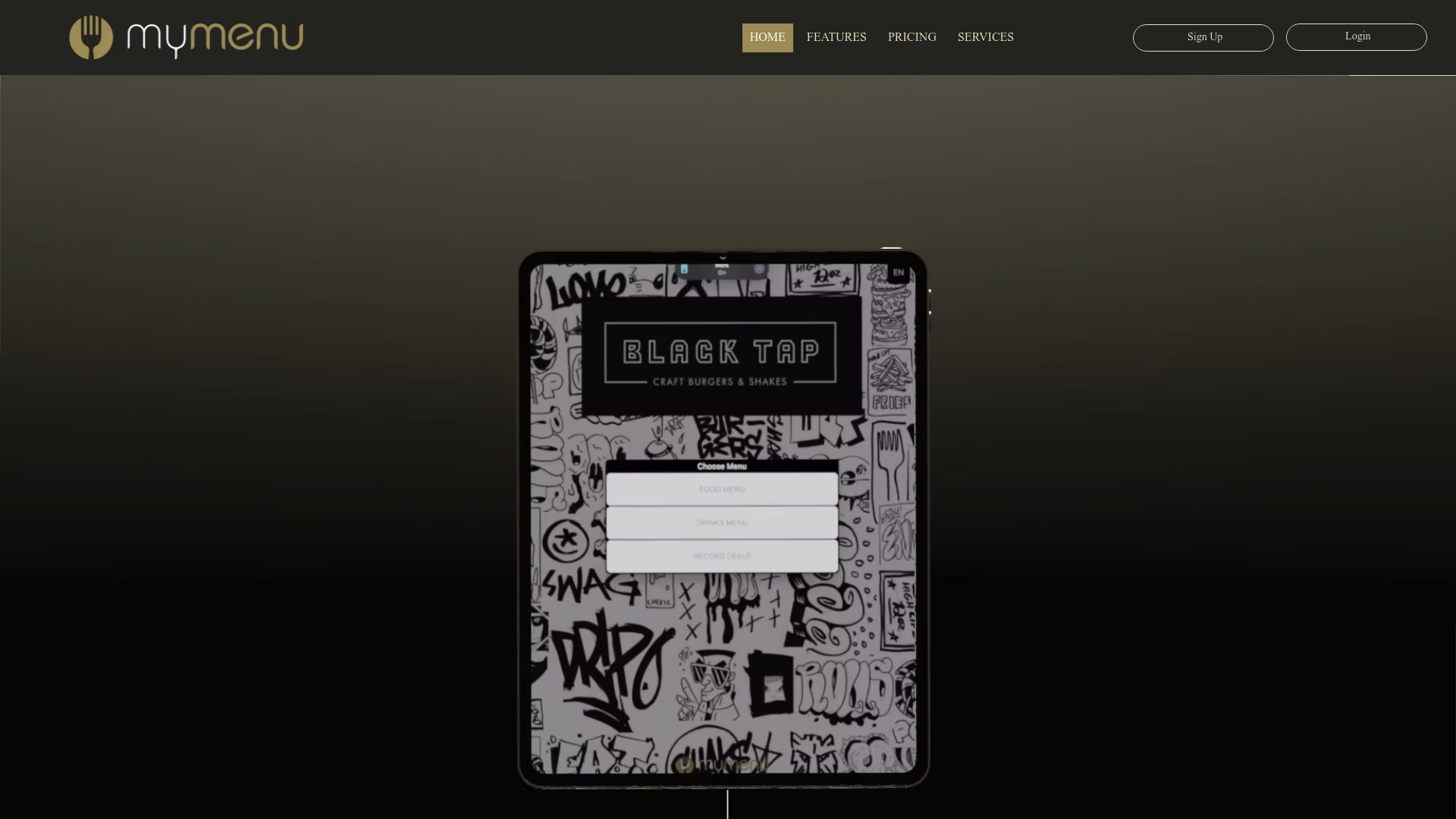
Mydigimenu’s restaurant tablet and iPad menus give you customizable layouts that put your high-margin items front and center, with full support for food videos, visual badges, and real-time menu updates. Every design choice is oriented toward encouraging guests to discover and order more, naturally. The platform also integrates with POS systems so your team receives upsell prompts based on what each table has already ordered.
For restaurants and cafes looking to start with a lighter-touch solution, Mydigimenu’s QR code menu generator delivers the same guest-facing experience via a simple phone scan. No app download required. Explore plans and pricing and see which option fits your operation best.
FAQ
What is the best time to upsell during a meal?
The most effective upsell windows are within 90 seconds of seating for beverages, during appetizer selection, at the entrée order for pairings, and immediately after the main course for desserts. Specificity at each moment dramatically improves acceptance rates.
How do I train staff to upsell without being pushy?
Limit your team to one or two focused scripts per shift, frame upselling internally as hospitality guidance rather than sales, and practice with pre-shift roleplay. Staff who feel confident in the language deliver recommendations that feel natural to guests.
Does menu design really affect upselling results?
Yes, significantly. Placing high-margin items in the Golden Triangle zones of your menu can increase profits per guest by 10% to 15%, and menu psychology principles like removing currency symbols and using descriptive names further influence guest purchasing behavior.
How much can effective upselling add to revenue?
Consistent upselling typically adds $1.50 to $3.00 per guest to the average check. Across a full service, that compounds quickly, with wine pairings alone adding $12 to $15 per table and dessert prompts adding $8 to $14.
What digital tools help restaurants upsell more effectively?
Digital and QR menus are among the highest-impact tools available. They increase average order values by 20% to 30% by presenting visual item suggestions in a pressure-free environment where guests browse and decide at their own pace.
Recommended
Comments