
Online Ordering Cost for Restaurants: 2026 Breakdown


Most U.S. restaurants running online orders through a marketplace pay between $1,500 and $3,000 per month in commissions alone on modest sales volumes, while a direct subscription channel typically runs $300–$700 per month all-in at the same volume. The math is clear: once your monthly online sales clear roughly $2,000–$3,000, a flat-fee direct platform almost always costs less than a marketplace commission model. Meanwhile, direct ordering incurs card-not-present (CNP) processing of roughly 2.4%–2.9% plus $0.10–$0.30 per transaction, plus a monthly software fee. Use marketplaces for new customer acquisition. Build a direct channel to protect your margin.
Key Takeaways
Direct ordering through a flat-fee subscription platform almost always costs less than a marketplace commission model once monthly online sales exceed roughly $2,000–$3,000, and the savings compound as volume grows.
Point | Details |
Marketplace commissions are expensive | At 15%–30% per order, a $10,800/month café pays ~—/month in commission alone. |
Breakeven is lower than expected | A $399/month direct subscription beats a 25% marketplace at roughly $1,700/month in online sales. |
Hidden fees add up fast | Placement spend, tablet rental, chargebacks, and PCI fees can add $200–$600+/month beyond the headline rate. |
Free tiers trade cost for control | $0-upfront marketplace access costs more per order at volume and surrenders all customer data. |
Mydigimenu offers commission-free direct ordering | With QR menus, POS integrations, and guest data capture, Mydigimenu is built to lower real monthly ordering costs. |
Table of Contents
How does online ordering pricing actually work?
The online ordering cost structure falls into three primary models, and each one shifts the financial risk differently.
Marketplace commission model. The platform lists your restaurant, handles delivery logistics, and charges a percentage of every order. Commissions typically run 15%–30%, and marketing and placement fees can add another 5%–10% on top. You gain exposure to new customers, but you surrender margin and, critically, customer data. The platform owns the relationship.
Costs are predictable. You do not own the customer data, which means you cannot run loyalty programs, SMS campaigns, and remarketing without paying the platform a cent. The tradeoff is that you drive your own traffic.
POS-bundled per-order fees. Some point-of-sale systems include online ordering with a per-order fee, often $0.10–$0.50 per transaction, plus the base POS subscription. This hybrid sits between the two models in cost and control.
To see how the math plays out at real volume, consider a restaurant with a $30 average ticket and 100 orders per day (roughly $3,000/day, or $90,000/month in online sales):
At $90,000/month in online sales, the commission model costs roughly eight times more than a direct subscription. Industry analysis confirms this arithmetic holds at volumes well below what most operators expect.
The customer-ownership angle matters beyond pure cost. Marketplace customers belong to the platform. Direct-channel customers belong to you, and editorial analysis consistently recommends using marketplaces for discovery while building a direct channel to protect repeat-order margin and data.
What are the real line-item costs to budget for?
Every online ordering cost conversation should start with a full line-item list, not just the headline commission rate. Here are the components that actually show up on your monthly statement:
Cost Component | Typical U.S. Range | What Drives It |
Marketplace commission | 15%–30% per order | Platform, order type (delivery vs. pickup) |
Card-not-present processing | 2.4%–2.9% + $0.10–$0.30/transaction | Processor, card type, volume |
Monthly software subscription | $0–$500/month | Platform tier, feature set |
Per-order platform fee (POS-bundled) | $0.10–$0.50/order | POS vendor, plan |
One-time setup/website build | $2,000–$5,000 | Custom vs. template, integrations |
Hosting and maintenance | $100–$200/month | Hosting tier, update frequency |
Hardware/tablet rental | $20–$50/month per device | Vendor, device type |
POS integration fee | $0–$150/month | Platform, integration complexity |
Chargeback fees | $15–$25 per dispute | Processor, dispute volume |
PCI non-compliance fee | $20–$50/month | Processor, compliance status |
Marketing/sponsored placement | Variable, often $100–$500+/month | Marketplace, campaign spend |
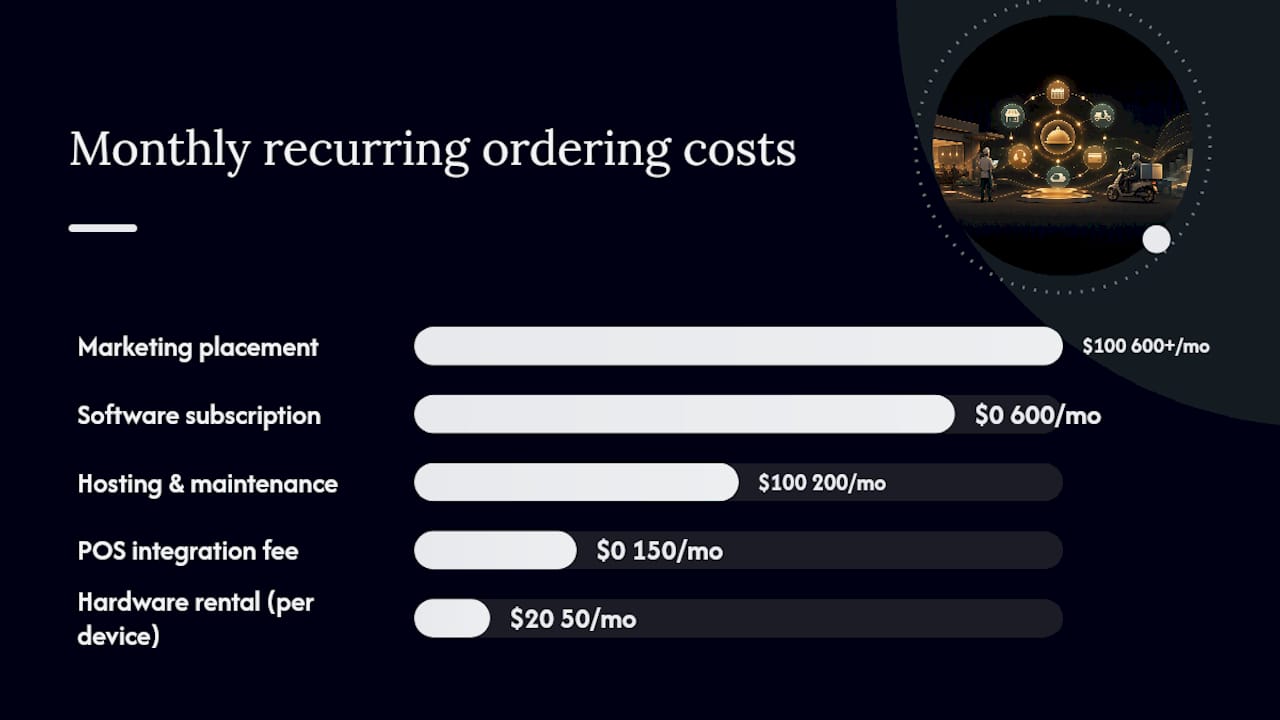
A custom direct ordering site typically costs $2,000–$5,000 to build and $100–$200/month to host, but that one-time investment pays back quickly once marketplace commissions are avoided. The ordering cost formula in supply-chain contexts captures a similar logic: every transaction carries both a fixed overhead and a variable per-unit cost, and the goal is to find the volume at which fixed costs per order fall below the variable commission rate.
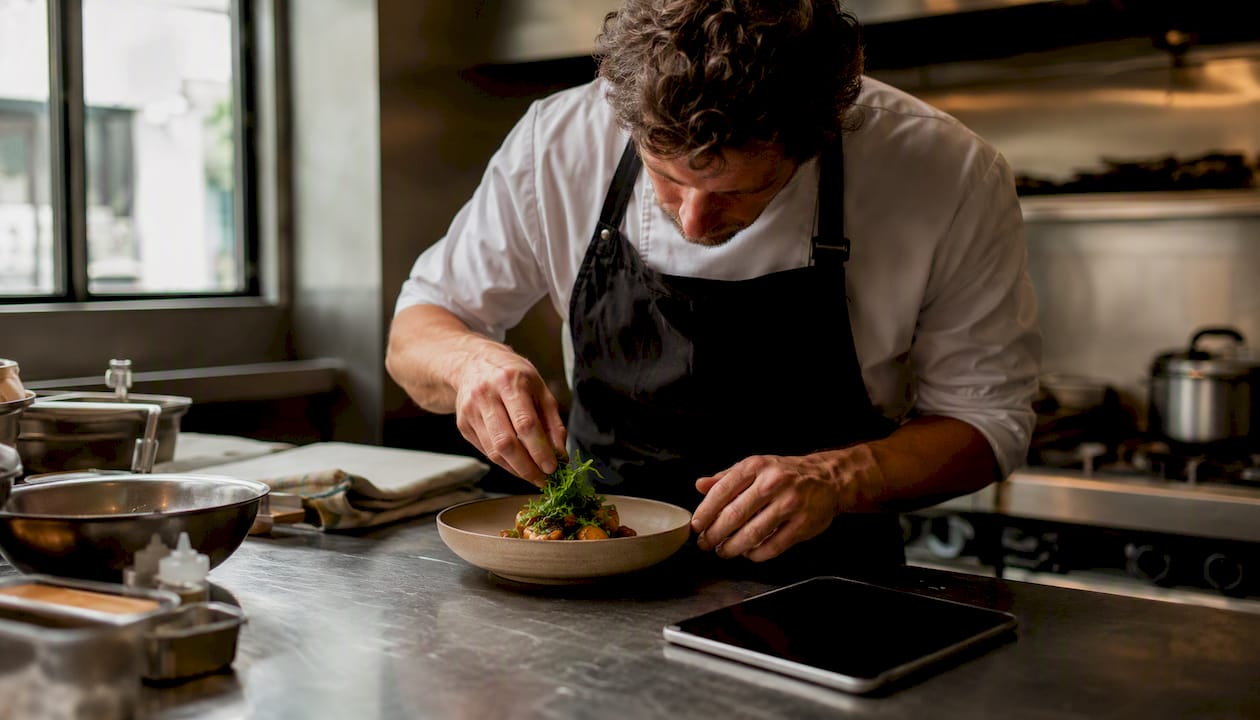
Pro Tip: Three practical ways to reduce card-processing costs: (1) use an integrated payment processor that your ordering platform already supports, since pass-through pricing is often cheaper than a bundled markup; (2) batch settlements daily to avoid per-batch fees; (3) once your monthly card volume exceeds $20,000–$30,000, negotiate directly with your processor for interchange-plus pricing rather than a flat percentage.
Digitalizing restaurant operations also reduces indirect costs that rarely appear in vendor quotes: fewer order errors, less staff time on phone orders, and cleaner data for inventory planning.
Sample monthly cost scenarios: small café, busy QSR, multi-location
Three scenarios illustrate how the pricing model choice plays out at different volumes. Assumptions: card-not-present processing at 2.7% + $0.15 per transaction; marketplace commission at 25%; direct subscription at $399/month; 30% of orders are delivery, 70% pickup.
Scenario assumptions:
Small café: 20 orders/day, $18 average order value, ~$10,800/month online sales
Busy quick-service restaurant (QSR): 80 orders/day, $22 average order value, ~$52,800/month online sales
Multi-location full-service: 150 orders/day across 3 locations, $38 average order value, ~$171,000/month online sales
The breakeven point for the small café sits around a low thousands monthly in online sales: at that volume, the subscription plus processing costs balance with what a marketplace percentage commission would cost. Below that, a free marketplace tier may be less expensive. Above it, direct ordering tends to be more cost-effective.
At $10,000/month in online sales, routing orders through a 25% marketplace plan costs roughly $2,500/month in commission alone, versus a few hundred dollars in processing on a direct channel.
Menu pricing and delivery fees shift the math further. If you add a $2.99 delivery fee on direct orders, that fee offsets processing costs almost entirely at low volumes. Menu design that increases average order value by even 10%–15% compresses the breakeven timeline, since higher AOV means the fixed subscription cost is spread across more revenue per transaction.
How do you choose the right online ordering solution?
Choosing a platform on price alone is a common mistake. The questions you ask during vendor evaluation determine whether the quoted price reflects your true all-in cost.
Must-ask questions before signing:
What is the exact card processing rate, and is it interchange-plus or a flat markup?
Are there per-order fees on top of the monthly subscription?
Who owns the customer data, and can you export it at any time?
Which POS systems are natively integrated, and what does integration cost?
What is the contract length, and what are the auto-renewal and termination terms?
Is there a minimum monthly commission or minimum order volume requirement?
What does onboarding and menu digitization cost, and how long does it take?
What are the support hours and SLA for downtime?
Red flags that signal hidden cost risk:
Per-order fees that are not disclosed until the contract stage
Mandatory marketing spend or sponsored placement as a condition of listing
Auto-renewal clauses with 60–90 day notice windows (easy to miss)
Processor lock-in that prevents you from negotiating your own rates
Vague uptime SLA language (“commercially reasonable efforts” rather than a stated percentage)
Trust signals worth looking for:
Published sample cost breakdowns and worked pricing examples
Clearly stated termination terms with no steep early-exit penalties
Documented POS integrations with named systems
Transparent online ordering pricing pages that show all fee tiers without requiring a sales call
Operators who ask for an itemized quote before signing are far better positioned to negotiate setup fees, tablet costs, and processing rates. A vendor that resists itemization is usually protecting a margin line you would push back on if you saw it.
What hidden fees and contract clauses should you watch for?
The quoted monthly fee rarely tells the full story. These are the costs that tend to surface after the contract is signed:
Sponsored placement fees: Marketplaces often charge $100–$500+/month to appear prominently in search results. Without it, new listings can be buried.
Tablet rental fees: Some platforms require their proprietary hardware at $20–$50/month per device, even when you have existing equipment.
Chargeback fees: Typically $15–$25 per dispute, and high-volume delivery operations can see several per month.
PCI non-compliance fines: Processors charge $20–$50/month if your annual PCI self-assessment questionnaire lapses.
Cross-refund penalties: Some contracts require you to process refunds through the platform at a fee, even when the error was the platform’s.
Minimum monthly commission: A floor commission (e.g., $200/month minimum regardless of order volume) that activates during slow periods.
Contract pitfalls to negotiate before signing:
Auto-renewal clauses are the most common trap. A 12-month contract that auto-renews for another 12 months with only a 60-day cancellation window means missing the window locks you in for two years total. Early termination fees of $500–$2,000 are not unusual. Bundled “required” add-ons, such as a branded app or premium analytics, can add $100–$200/month to a plan that looked affordable at the headline price.
Pro Tip: Always request a 30-day pilot or a month-to-month trial before committing to an annual contract. Most vendors will offer it for a modest premium. The cost of one month at a higher rate is far less than a year locked into a platform that underperforms. Also ask specifically whether the payment processor is bundled or whether you can bring your own, since processor flexibility is one of the highest-leverage negotiation points.
Are there free online ordering systems, and what do you trade off?
“Free” in online ordering almost always means the cost is deferred to a per-order percentage rather than eliminated. Some direct platforms offer a free tier with limited features, typically capped at a low monthly order volume, with the expectation that growing operators upgrade.
The practical tradeoffs with free or $0-upfront models:
Higher per-order commission that scales with your success (the more you sell, the more you pay)
Limited visibility without paid placement spend
No customer data ownership, which means no remarketing, no loyalty programs, and no direct relationship
Feature restrictions that may require manual workarounds (no POS sync, no custom branding)
When a free tier makes sense: Early-stage testing, validating demand in a new market, or supplementing a slow-period acquisition push. Track the true all-in cost per order including any marketing spend, not just the commission rate.
At that point, the cost of online ordering through a marketplace is actively eroding profit that a flat subscription would preserve.
Pro Tip: *Use marketplace orders as a data-collection opportunity. Train staff to include a direct-channel incentive (a printed card, a receipt message, or a QR code) with every delivery.
How a commission-free platform like Mydigimenu lowers your real costs
The financial case for a direct ordering platform rests on three compounding advantages: no per-order commission, full customer data ownership, and lower lifetime customer acquisition cost (CAC) through remarketing.
Mydigimenu’s workflow efficiency features are designed to reduce operational friction at the order level, including fewer errors from manual re-entry, cleaner POS sync, and guest data capture via social login that feeds directly into CRM and loyalty workflows. The platform supports QR code menus, tablet ordering, and app-free mobile ordering, all of which reduce the staff overhead that phone-order channels carry.
Feature-to-cost benefits at a glance:
Commission-free direct ordering preserves the full margin on every transaction
Guest profile capture and CRM integration reduce paid acquisition costs over time
POS and delivery platform integrations eliminate double-entry errors and the labor cost of reconciling two systems
Loyalty programs and digital stamp cards increase repeat order rate, which directly lowers CAC
Multi-payment support (including digital wallets) reduces cart abandonment at checkout
Online ordering platforms that give operators full channel control have been shown to drive 20%–30% more revenue for restaurants compared to marketplace-dependent models, largely because repeat customers return at higher frequency when loyalty mechanics are in place.
Getting started with Mydigimenu:
Sign up for a trial and select the plan tier that matches your location count and feature needs at the pricing page.
Digitize your menu using Mydigimenu’s menu-build tools, adding photos, descriptions, and modifiers.
Connect your POS system through the platform’s native integrations.
Run a two-week live pilot with a subset of your tables or a single ordering channel.
Review order accuracy, average order value, and guest data capture rates before full rollout.
The QR menu setup is particularly fast to deploy, often live within a day, which means the pilot timeline is short and the cost of testing is low relative to the potential monthly savings.
The real cost decision most operators get wrong
There is a persistent belief among restaurant operators that you need high volume before a direct subscription platform makes financial sense. The breakeven math in this article shows that belief is usually wrong. That is not a high-volume operation.
The deeper issue is that operators often evaluate online ordering cost as a line item rather than as a system. Marketplace commissions feel like a marketing expense because they come bundled with discovery. It is a recurring tax on a relationship you already earned.
The smarter approach is to treat marketplaces as a customer acquisition channel with a defined budget, then actively migrate repeat customers to a direct channel where the economics are entirely different. Receipt messaging, loyalty program enrollment at checkout, and a small direct-order incentive (a free item on the third direct order, for example) are low-cost tactics that compound over time. The role of online food ordering in building long-term customer relationships is precisely this: the channel you own is the one that pays back.
One more thing operators underestimate: the value of the data itself. A year of direct-channel order history tells you which customers order weekly, which items drive repeat visits, and which promotions actually move volume. That intelligence is worth real money in reduced marketing waste, and it is entirely invisible when your orders run through a marketplace.
Mydigimenu makes commission-free ordering practical from day one
Mydigimenu gives restaurant and café operators a commission-free direct ordering channel with QR menus, tablet ordering, POS integrations, guest data capture, and loyalty tools built in — everything needed to convert first-time marketplace customers into repeat direct-channel guests.
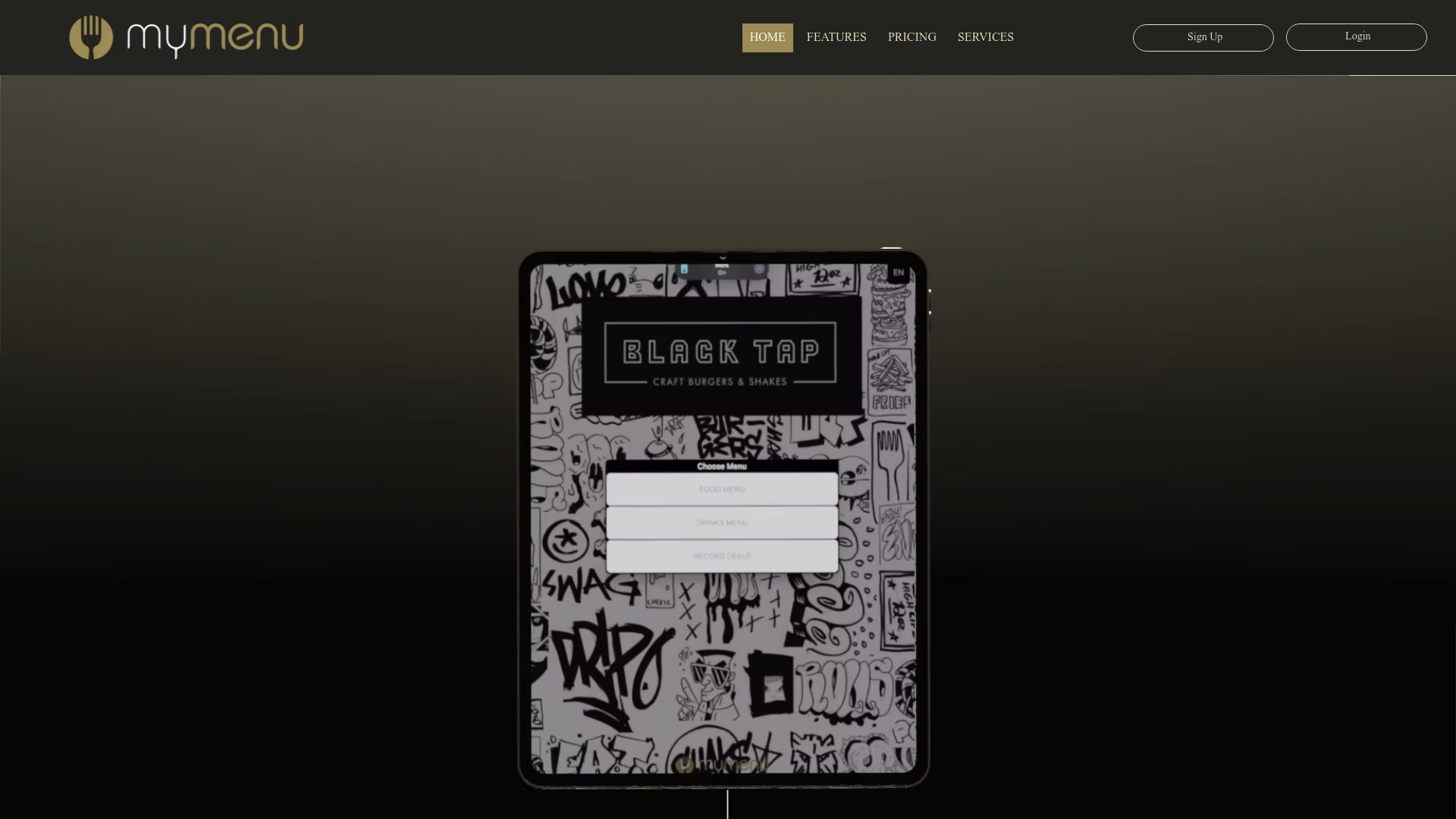
The platform supports multi-payment options, multi-language menus, and delivery platform integrations, so you are not choosing between convenience and control. Operators who want to see exactly what the subscription costs before committing can view all plan tiers and features without a sales call. If you want to see the ordering experience your guests will have, the QR menu product page shows the full flow. Ready to run your own breakeven numbers? Book a demo and bring your current monthly online sales figure — the math usually takes about five minutes.
Sources
The cost ranges and breakeven figures in this article are drawn from published vendor pricing, independent operator math guides, and platform documentation. The term “ordering cost” as used here refers to the total platform and processing expense per transaction, consistent with the ordering cost formula framework used in operational finance.
Recommended
Comments