
Restaurant Menu Psychology Principles That Drive Sales


TL;DR:
Applying menu psychology reduces decision fatigue and guides guests toward higher-margin choices, boosting profits without price increases. Strategic item placement, concise menus, and evocative descriptions enhance perceived value and customer satisfaction. Regular updates and digital tools like Mydigimenu facilitate ongoing optimization and measurable results.
Restaurant menu psychology principles are the design, wording, and pricing decisions that shape what guests order and how much they spend. Applied correctly, these tactics can increase average check size by 15% or more without raising a single price. Research from WebstaurantStore and The Restaurant CPAs confirms that operators who treat their menu as a sales tool, not just a list of dishes, consistently outperform those who don’t. The principles covered here are grounded in behavioral science and proven in real dining environments, giving you a practical framework to put to work immediately.
1. Restaurant menu psychology principles start with limiting choices
Decision fatigue is real, and menus are one of its most common triggers. When guests face 40 or 50 items across a single category, they default to the familiar or the cheapest option, neither of which serves your margins. Boxing or highlighting menu items increases selection by 20 to 30%, and experts advise limiting menu sections to 5 to 7 items to prevent that paralysis from setting in. That constraint forces you to curate, which is exactly the point.
Shorter menus do more than reduce anxiety. They speed up ordering, improve table turnover, and signal confidence in your kitchen’s strengths. A gastropub with 8 thoughtfully chosen entrees reads as more credible than one with 22 options that stretch from pad thai to beef Wellington. The psychological message is clear: these are the dishes worth ordering.
Keep each menu category to 5 to 7 items maximum
Remove slow sellers and low-margin items that dilute focus
Group items by flavor profile or occasion, not just protein type
Revisit category size every quarter alongside your pricing review
Pro Tip: If you cannot cut items for operational reasons, use visual separation and whitespace to create the perception of a shorter, more curated menu. Grouping items into clearly labeled sub-categories achieves the same cognitive relief.
2. Strategic placement guides eyes toward your most profitable dishes
Guests do not read menus the way they read books. Eye-tracking studies show that customers scan in a golden triangle pattern, landing first on the center, then the top-right corner, then the top-left. That makes those three zones prime real estate for your highest-margin items. Placing a signature dish or a high-profit appetizer in the top-right of a two-panel menu is not an accident. It is a deliberate act of menu engineering.
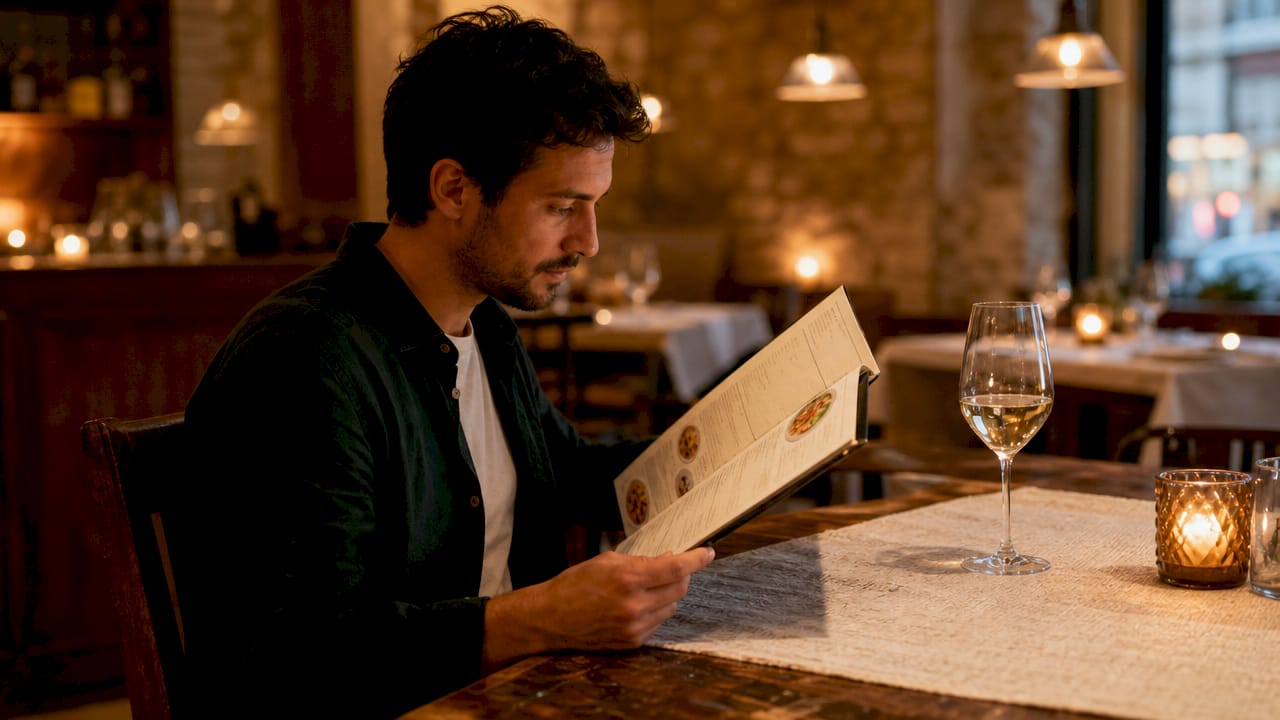
The serial position effect compounds this. Guests are most likely to order the first and last items listed within any given section, and least likely to order those buried in the middle. That means your second-most-profitable item belongs at the bottom of a category, not the top. The middle is where you park items you want to sell less of or items that anchor the pricing range.
Visual cues amplify placement strategy. A simple box around a dish, a small icon indicating a chef’s recommendation, or generous whitespace around a single item all increase that item’s selection rate significantly. The key is restraint. Too much highlighting dilutes the effect entirely. If everything is emphasized, nothing is.
Pro Tip: Treat your menu like a magazine spread. The items you want guests to notice first should have the most visual breathing room around them. Crowding a signature dish between two dense descriptions is the fastest way to make it invisible.
You can find a deeper breakdown of these techniques in this guide on enhancing menu visuals for restaurant managers.
3. Psychological pricing in menus shapes perceived value without a word
Pricing is where menu psychology becomes most measurable. Removing the dollar sign from prices increases average check by up to 8 to 12% because currency symbols activate pain-related regions in the brain. A price listed as “18” reads as less costly than “$18.00,” even though the guest knows they are paying the same amount. This single formatting change costs nothing to implement and delivers immediate results.
Price endings carry their own signals. Charm pricing using .99 or .95 endings signals value and works well in casual dining environments. Round numbers, by contrast, convey quality and are the standard in fine dining. The choice between “14.99” and “15” is not arbitrary. It tells guests what kind of experience they are about to have before they take a single bite.
Anchoring and decoy pricing are equally powerful. Placing a high-priced item at the top of a section makes every item below it look like a better deal. A decoy item, priced just slightly below the premium option with noticeably less value, nudges guests toward the profitable middle tier. Decoy and anchoring effects curate a decision environment that encourages choices near your most valuable, highest-margin items.
Price display format matters too. Removing right-aligned price columns and dotted leader lines shifts guest focus from price comparison to value, increasing basket size. When prices are listed inline after the description rather than stacked in a column on the right, guests read the dish first and the price second.
Pricing tactic | Effect on guest behavior |
Remove dollar signs | Reduces pain of paying; lifts check average up to 12% |
Charm pricing (.99/.95) | Signals value; suits casual and fast-casual concepts |
Round numbers | Signals premium quality; standard in fine dining |
Anchor item at top | Makes adjacent items appear more reasonably priced |
Inline price formatting | Shifts focus from cost to dish value |
4. Descriptive language increases orders by up to 27%
Words sell food before the kitchen does. Sensory and craft-focused language in item descriptions raises orders by up to 27% compared to plain item names. “Slow-braised short rib with roasted garlic jus” outperforms “beef short rib” every time, not because it is fancier, but because it answers the guest’s unspoken question: what will this taste like?
Effective descriptions focus on three elements: flavor cues, cooking method, and origin when it adds credibility. “Wood-fired” and “house-made” signal craft. “Sourced from local farms” signals freshness. These details reduce uncertainty, and reducing uncertainty is what converts a browsing guest into a confident buyer. Avoid over-describing, though. A paragraph-length description creates scanning fatigue and undermines the clean layout you worked to build.
Lead with the most appealing sensory detail, not the protein
Use cooking method as a quality signal (“slow-roasted,” “hand-rolled,” “stone-ground”)
Reference origin only when it genuinely adds value (“Maine lobster,” “Wagyu beef”)
Keep descriptions to two lines maximum per item
Avoid jargon that requires culinary training to decode
Pro Tip: Read your descriptions aloud. If a phrase sounds like it belongs in a press release rather than a conversation, rewrite it. Guests respond to language that sounds like a knowledgeable friend describing a great meal.
5. How to design restaurant menus that integrate psychology with operations
Menu psychology is the final layer of refinement, not the foundation. It works best when built on top of sound menu engineering, which means you have already identified your stars (high profit, high popularity), plowhorses (high popularity, low margin), puzzles (high margin, low popularity), and dogs (low on both). Psychology then amplifies what engineering reveals. A puzzle item, for example, is a candidate for better placement, stronger description, and a visual callout.
Operational reality must constrain every decision. A dish that photographs beautifully and reads well on the menu but takes 22 minutes to prepare creates a bottleneck during peak service. Menus that are cluttered, mispriced, or poorly structured cause customer unease and reduce profitability, but so do menus that ignore kitchen capacity. The best menu psychology in the world cannot compensate for an item that slows your line.
Updating menus on a regular cadence is non-negotiable. Quarterly mini-reprices and annual full menu refreshes maintain effectiveness as food costs, competition, and guest habits shift. A menu designed in 2023 and left untouched through 2026 is almost certainly underperforming. Costs have changed, guest preferences have evolved, and the competitive set has moved. Treat your menu as a living document, not a printed artifact.
Complete menu engineering analysis before applying psychology tactics
Identify which items deserve visual emphasis based on margin and popularity
Audit descriptions for sensory language and remove jargon
Review price formatting and remove dollar signs and right-aligned columns
Schedule quarterly pricing reviews and annual full redesigns
Test changes on a section-by-section basis and measure cover-level sales data
This menu layout optimization guide from Mydigimenu covers the full process of applying these principles to both print and digital formats.
Key takeaways
Menu psychology principles work because they reduce friction and guide guests toward confident, satisfying choices that also happen to serve your margins.
Point | Details |
Limit category size | Cap each section at 5 to 7 items to prevent decision paralysis and speed ordering. |
Use placement strategically | Put high-margin items in the golden triangle zones: center, top-right, and top-left. |
Remove dollar signs | Dropping currency symbols can lift average check by up to 12% with zero cost. |
Write sensory descriptions | Evocative, two-line descriptions increase individual item sales by up to 27%. |
Update menus regularly | Quarterly pricing reviews and annual redesigns keep menus aligned with costs and guest behavior. |
Why menu psychology is about trust, not tricks
I have worked with enough restaurant operators to know that the phrase “menu psychology” makes some of them uncomfortable. They worry it sounds manipulative, like they are engineering guests into spending more than they intended. That discomfort is worth taking seriously, but it misreads what menu psychology actually does. It reduces friction. It makes the decision to order your best dishes easier, clearer, and more satisfying. That is a service to the guest, not a sleight of hand.
The operators who misapply these principles are the ones who use them to obscure bad value. They bury prices, inflate anchor items beyond reason, or write descriptions that overpromise and underdeliver. That approach does generate short-term check averages, but it destroys the repeat business that sustains a restaurant. Trust, once lost at the table, is almost impossible to rebuild.
What I find genuinely exciting is how much of this is measurable. When you move a dish from the middle of a section to the top-right position and sales climb 18% in a month, that is not a coincidence. When you rewrite a description and add a sensory detail and watch that item go from your third-best seller to your first, the data tells the story. Menu psychology creates a curated decision environment that balances profitability with guest value perception, and when it is done with integrity, both sides of that equation win.
The operators who see the biggest gains treat their menu as a dynamic sales tool that requires the same ongoing attention as their pricing strategy, their staffing model, and their marketing. A menu is not a document you print and forget. It is the most read piece of content your restaurant produces, and it deserves to be treated that way.
— Abhi
Put menu psychology to work with Mydigimenu
Applying these principles is far easier when your menu lives in a digital environment where changes take minutes, not days. Mydigimenu’s restaurant digital menu platform gives you full control over layout, visual emphasis, item placement, and pricing format across tablet, mobile, and QR code menus. You can spotlight high-margin dishes with custom callouts, update prices instantly for quarterly reviews, and use high-quality food visuals to do the sensory work that descriptions alone cannot.
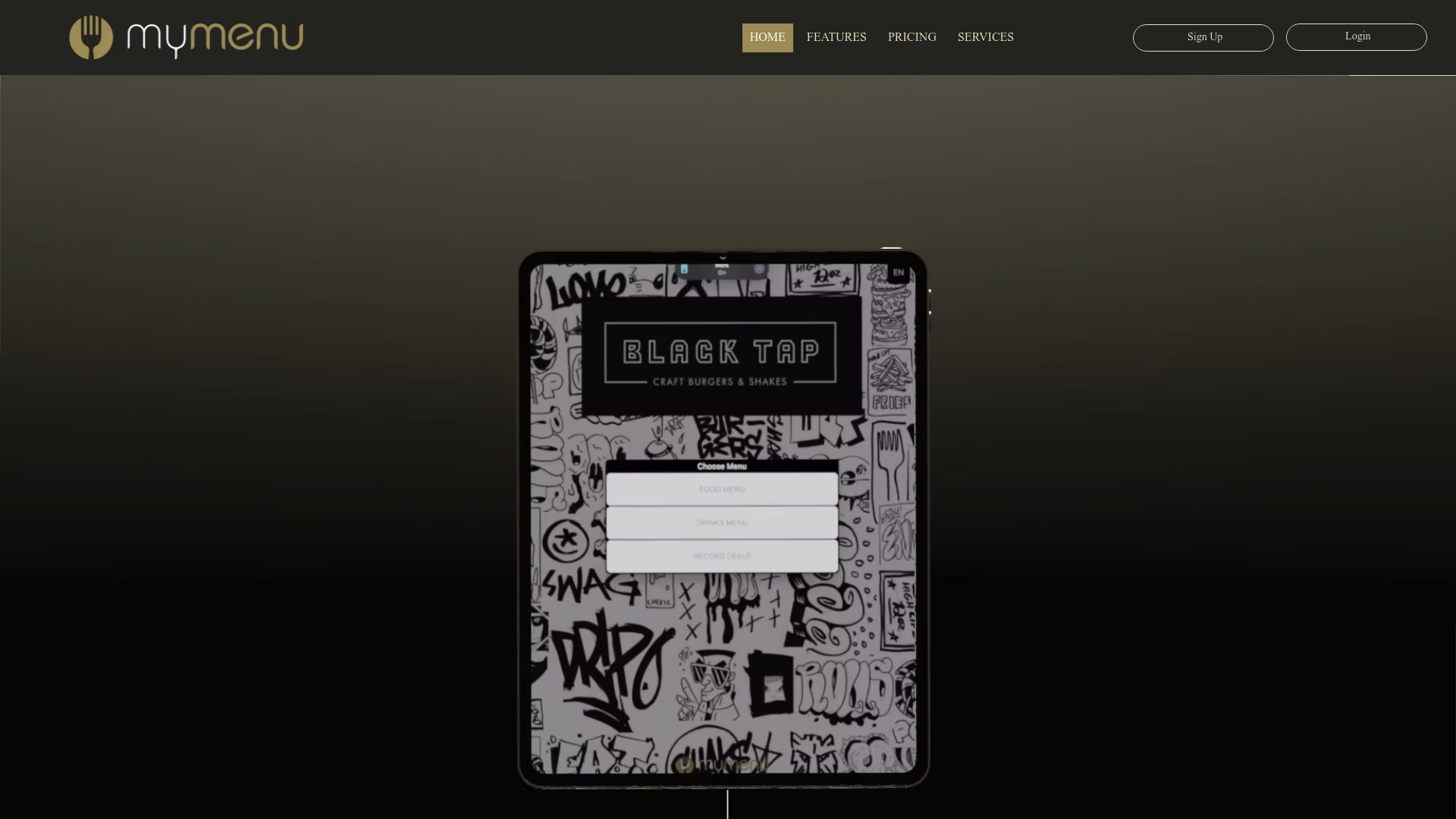
The platform’s built-in analytics show you which items guests engage with most, giving you real data to guide your next round of menu engineering. No print costs, no reprinting delays, and no waiting for a designer. For restaurants ready to treat their menu as the sales tool it truly is, Mydigimenu makes that shift practical and immediate. Explore the QR menu options to see how fast a psychology-informed redesign can go live.
FAQ
What are restaurant menu psychology principles?
Restaurant menu psychology principles are the design, pricing, and language strategies that influence what guests order and how much they spend. They include tactics like limiting menu sections to 5 to 7 items, using visual emphasis on high-margin dishes, and removing dollar signs from prices.
How much can menu psychology increase restaurant sales?
Effective menu psychology can increase average check size by 15% or more without raising prices. Individual tactics like descriptive language can lift specific item sales by up to 27%, while removing dollar signs alone can boost check averages by up to 12%.
Where should high-margin items be placed on a menu?
Eye-tracking research shows guests scan menus in a golden triangle pattern, focusing first on the center, then the top-right, then the top-left. Placing your most profitable items in those zones maximizes their visibility and selection rate.
Does psychological pricing work in fine dining?
Yes, but the tactics differ by concept. Fine dining menus typically use round numbers rather than .99 endings to signal premium quality, and they avoid dollar signs entirely. Anchoring and inline price formatting still apply effectively across all dining segments.
How often should a restaurant update its menu?
Quarterly mini-reprices and annual full menu redesigns are the recommended cadence. Regular updates keep pricing aligned with food costs, refresh descriptions that have grown stale, and allow you to reposition items based on current sales performance data.
Recommended
Run 3 creates a memorable browser experience by turning a strange space environment into a place for constant discovery. Players encounter unusual structures and shifting routes that make the journey feel different from conventional platform games. Its creative presentation gives the title a recognizable personality while leaving plenty of room for players to explore at their own pace.
This in-depth examination of menu psychology was fantastic! You make excellent observations about how words and arrangement might affect diners' decisions. However, I wonder if streamlining the menu could also improve the clientele's roblox clicker experience.
I wonder how these principles could be applied in game design too, like in Drift Boss. Can strategic choices there elevate player engagement as effectively?