
Restaurant loyalty strategies that drive real repeat visits

TL;DR:
Nearly 50% of new restaurant loyalty signups in 2024 are from Gen Z, emphasizing digital, instant, personalized rewards.
Traditional points-based programs are declining in effectiveness, with AI personalization boosting guest lifetime value by up to 50%.
Engaging guests within the first 90 days after enrollment is crucial to building lasting loyalty and habitual visits.
Nearly half of all new restaurant loyalty program signups in 2024 came from Gen Z, and that number is still climbing. That single fact rewrites the entire rulebook for how restaurants need to think about rewarding guests in 2026. The old playbook, built around punch cards and generic point tallies, simply does not move this audience. What does work is fast, personalized, and entirely digital. This article walks you through the evidence-backed strategies, the newest technology reshaping loyalty, and the concrete steps you can take right now to turn first-time diners into passionate regulars who keep coming back.
Table of Contents
Key Takeaways
Point | Details |
Gen Z drives loyalty innovation | Mobile-first, instant rewards are essential for meeting Gen Z loyalty expectations in 2026. |
Personalization boosts guest value | AI-powered personalized rewards can increase guest lifetime value by up to 50%. |
Tailored approach by segment | Different restaurant segments require customized loyalty strategies for maximum effectiveness. |
Early engagement is crucial | The second and fourth guest visits during the first 90 days are key for building habitual loyalty. |
Move beyond discounts | Experiential rewards and seamless digital solutions foster stronger, lasting customer relationships. |
Gen Z and the new loyalty landscape
The restaurant industry is experiencing a loyalty revolution, and Gen Z is driving it with remarkable speed. These guests are not just signing up for programs in large numbers; they are fundamentally changing what loyalty means. Gen Z leads restaurant loyalty signups, representing nearly 50% of new enrollments in 2024, a figure that continues to grow as this demographic gains purchasing power.
What does this mean for your restaurant? It means that if your loyalty program was designed for the habits and preferences of an older guest, it is increasingly out of step with the people walking through your door most often. Gen Z diners expect their loyalty experience to mirror the rest of their digital life: instant, intuitive, and rewarding in real time.
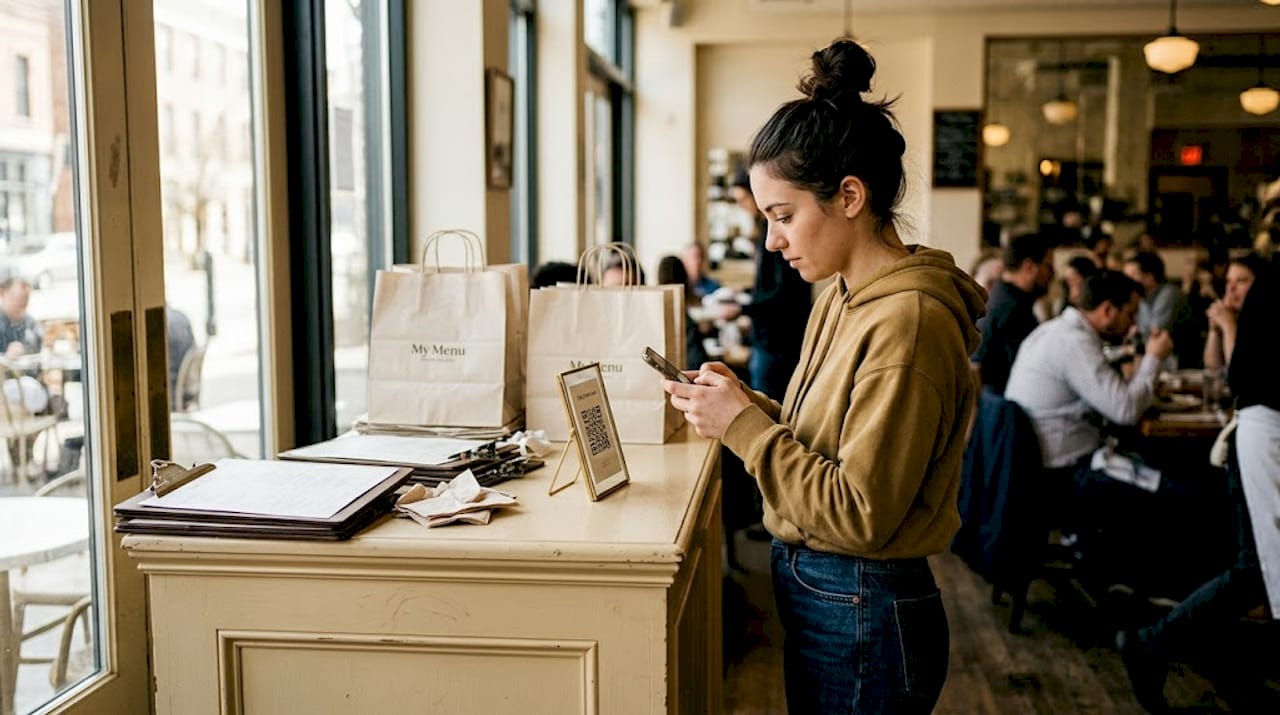
Consider how this generation interacts with technology. They do not want to carry a physical card, wait for a mailed coupon, or log into a clunky app to check their balance. They expect to scan a QR code, immediately see their rewards, and redeem them on the spot. Investing in digital menu engagement strategies that align with this behavior is no longer optional; it is essential.
Here are the core behaviors shaping Gen Z loyalty expectations:
Immediacy: Rewards should be visible and redeemable in real time, not after a 30-day processing window.
Mobile-first access: Loyalty touchpoints must work flawlessly on a smartphone without requiring an app download.
Relevant personalization: Generic offers feel like noise; tailored rewards based on order history feel like recognition.
Value during inflation: Around 70% of loyalty users say managing food costs is a key motivation, making practical rewards more compelling than aspirational ones.
Frictionless experience: The fewer steps between a guest and their reward, the more likely they are to engage repeatedly.
“Loyalty programs are no longer just about rewards. They’re about creating a relationship. Gen Z wants to feel like a restaurant knows them, not just their purchase frequency.” — Industry analyst perspective on 2026 loyalty trends.
Restaurants that deliver seamless guest features across every touchpoint, from ordering to payment to reward redemption, are the ones capturing this generation’s long-term business. Platforms that enable no app ordering are especially powerful here, removing the single biggest barrier Gen Z cites when abandoning a loyalty program before it even begins.
The opportunity is real and it is right now. Restaurants that modernize their loyalty infrastructure to match Gen Z’s expectations are not just retaining guests; they are igniting a wave of word-of-mouth that traditional advertising cannot replicate.
From points to personalization: The evolution of loyalty rewards
For decades, the points-based loyalty model was the gold standard. Collect enough points, earn a free item. Simple, trackable, scalable. But the data tells a different story in 2026. According to the Paytronix 2026 loyalty report, points-based loyalty is becoming obsolete, and restaurants that shift to AI-powered personalization and experiential rewards are seeing guest lifetime value (LTV) increases of 20 to 50%.
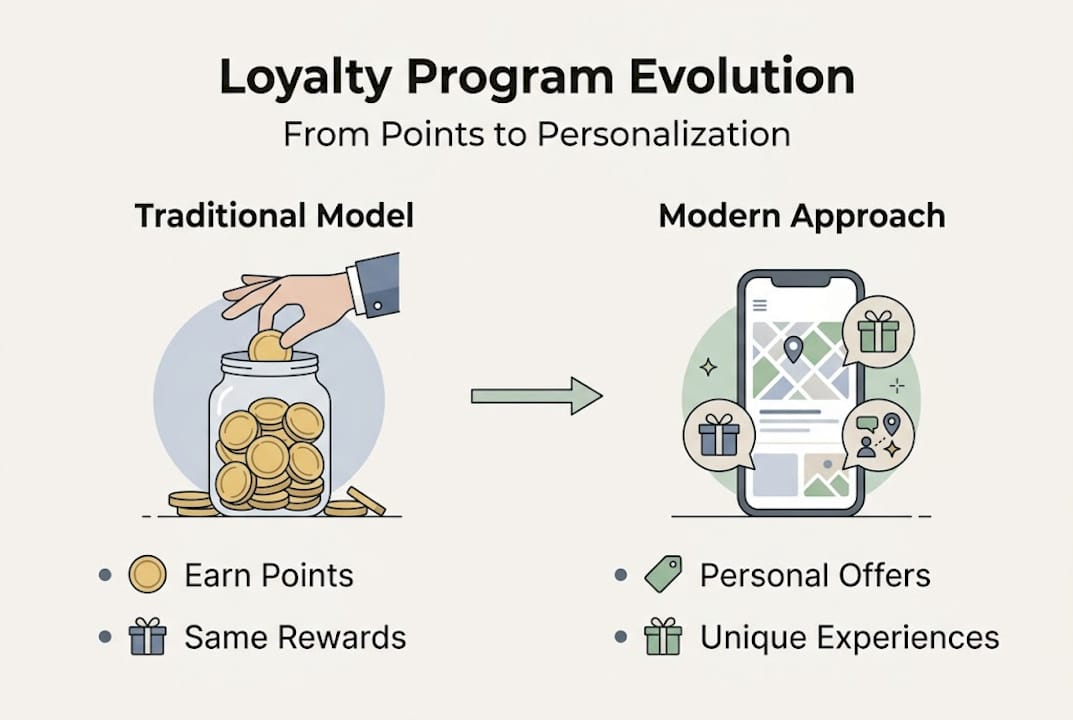
That is a staggering range. A 50% increase in guest LTV, driven purely by how you structure and communicate rewards, transforms the economics of your entire business. The question is: what does this shift actually look like in practice?
Feature | Points-based program | AI-personalized program |
Reward type | Generic discount or free item | Tailored offer based on order history |
Guest experience | Transactional | Relational and memorable |
Redemption rate | Low to moderate | Significantly higher |
Data used | Visit count and spend | Preferences, timing, dietary habits |
Guest LTV impact | Minimal | 20 to 50% increase |
Flexibility | Rigid tiers | Dynamic and responsive |
The contrast is stark. A points program treats every guest the same, which sends a quiet but powerful message: you are just a number here. An AI-personalized program says something completely different. It says: we notice what you love, we remember your habits, and we are rewarding you, not just your spending.
Experiential rewards are another area where the evolution is accelerating. Guests, particularly Gen Z and millennials, respond far more enthusiastically to exclusive experiences than to another 10% discount. Think chef’s table invitations, early access to seasonal menus, cooking class partnerships, or behind-the-scenes tastings. These create memories that a points balance simply cannot compete with. Platforms offering app-free guest experiences make delivering these personalized touchpoints far smoother, since guests can engage without friction right at the table.
The practical implication for restaurant operators is to start treating guest data as a strategic asset. Every order placed through your digital menu system is a data point that can inform a smarter, more personal reward. Your digital menu engagement platform should be capturing preferences, visit frequency, and average spend, then feeding that intelligence into your loyalty engine.
Pro Tip: Segment your loyalty guests into at least three behavioral groups: frequent visitors, lapsed guests, and newcomers. Then craft a distinct reward offer for each group. A “we miss you” incentive for lapsed guests performs dramatically better than the same generic offer sent to everyone on your list.
Restaurants that pair smart must-have features with AI-driven loyalty are not just keeping pace with trends; they are writing the new playbook.
Segmenting loyalty: What works across restaurant types
Not all restaurants experience loyalty the same way. One of the most revealing insights from the Paytronix 2026 Loyalty Report is how dramatically active loyalty rates vary by restaurant segment, with snack-focused concepts leading and casual dining lagging significantly behind.
Restaurant segment | 90-day active loyalty rate |
Snack and bakery | 72% |
Sandwich and Mexican | 66% to 72% |
Casual dining | Below 50% |
Bar and grill | Down 13% year over year |
These numbers tell a story about frequency, occasion, and reward relevance. Snack and bakery concepts naturally encourage repeat visits because guests stop in multiple times per week. Loyalty programs in these segments reinforce an existing habit. Casual dining, on the other hand, typically captures less frequent visitors, which means the loyalty program must work harder to motivate a return visit within a meaningful timeframe.
Bar and grill segments face an additional challenge: a 13% drop in active rates year over year suggests that generic, broadly applied loyalty tactics are actively losing ground. Guests in this segment are looking for community, experience, and genuine recognition, not just a discount on their next appetizer.
Here is a step-by-step approach to tailoring loyalty strategy by segment:
Audit your current active rate. Calculate how many loyalty members visited at least twice in the past 90 days. This is your baseline.
Map your visit frequency patterns. High-frequency segments need milestone rewards; low-frequency segments need compelling re-engagement offers.
Identify your top 20% of loyal guests. These are your brand ambassadors. Design a VIP tier specifically to honor and retain them.
Build segment-specific campaigns. A bakery loyalty program built around morning visits is very different from a casual dining program built around weekend occasions.
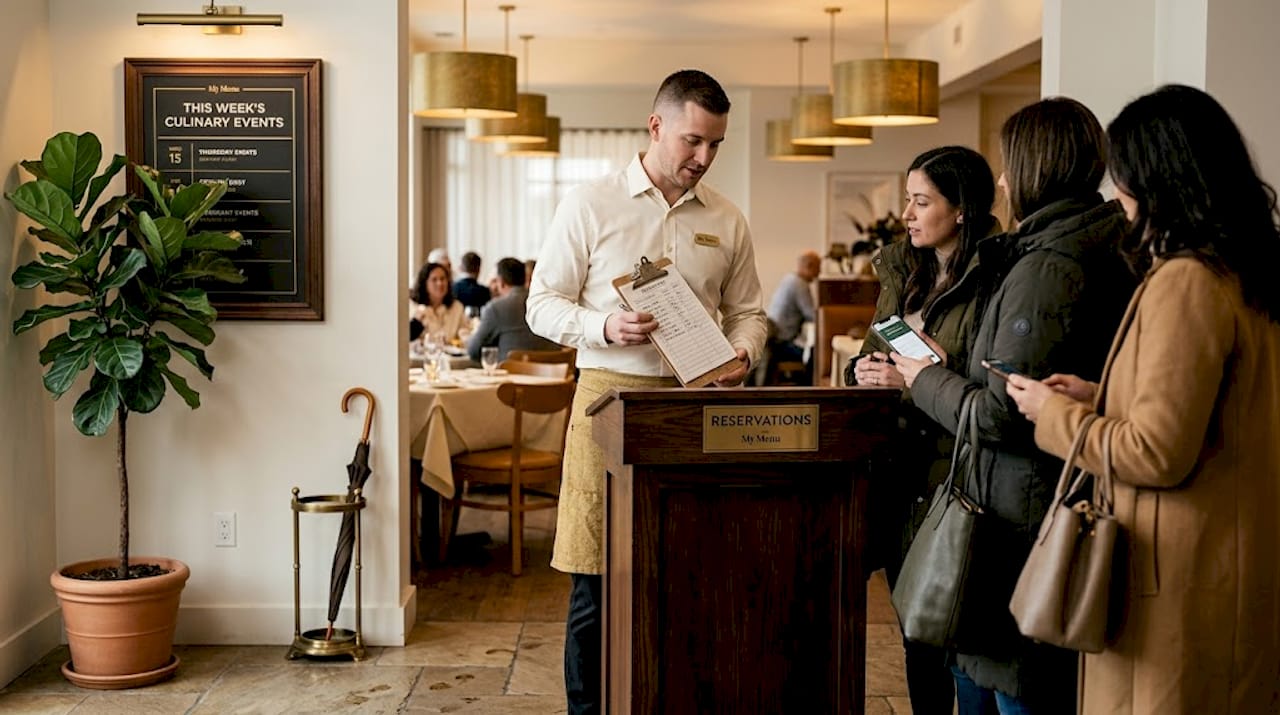
Integrate with your reservation system. For sit-down concepts, linking loyalty data to effective reservation methods allows you to greet returning guests by name and customize their experience before they even sit down.
Practical reservation best practices also play a key role in loyalty for full-service restaurants. When a guest books a table and the host can see their loyalty status, order preferences, and last visit date at a glance, that operational intelligence transforms a routine dinner into a personalized experience. This level of detail is what separates a good loyalty program from a transformative one.
Winning the 90-day challenge: Building habitual guests
The most critical window in any loyalty relationship is the first 90 days after a guest enrolls. This is where habitual behavior either takes root or quietly disappears. The Paytronix 2026 data is crystal clear: the second visit after enrollment is when loyalty begins to solidify, and by the fourth visit, a guest transitions from occasional visitor to regular.
If a newly enrolled guest does not return within 90 days, the odds of building a lasting relationship drop sharply. This means the 90-day window is your golden opportunity to create momentum, and you need a deliberate plan to use it well.
What drives that second visit? Personalization, without question, is the most powerful lever available. A guest who receives a generic “thank you for joining” message is mildly pleased. A guest who receives a tailored offer tied to something they actually ordered on their first visit feels genuinely noticed. That difference in emotional response translates directly into return behavior.
Here are the key strategies that turn new enrollees into habitual guests:
Send a personalized welcome offer within 24 hours. Base it on what they ordered, not on what you want to sell. If they ordered a vegetarian dish, offer a reward on another plant-based item.
Set a clear expiration on the welcome reward. Urgency drives action. A reward expiring in 14 days motivates a return far more effectively than one with no deadline.
Trigger a milestone message after the second visit. Acknowledge the return. A simple “Welcome back! You’re building something great here” message reinforces the relationship and makes the guest feel seen.
Personalize the fourth-visit reward dramatically. By this point, you have real behavioral data. Use it to deliver something genuinely surprising and relevant, like a complimentary add-on based on their favorite order combination.
Use your reservation system to flag loyalty milestones. When a guest’s reservation platform data shows they are on their third visit, alert your team to give that guest a warm, specific acknowledgment.
Pro Tip: Do not wait for guests to come to you within those 90 days. Proactive outreach at the 30-day and 60-day marks, with personalized content and time-sensitive offers, can recover guests who are drifting before you lose them entirely.
The restaurants that master this 90-day window are the ones building the kind of loyal guest base that sustains them through economic uncertainty, rising food costs, and increasing competition. Loyalty is not a program; it is a practice.
Beyond rewards: What most loyalty guides miss
Most loyalty guides focus entirely on the mechanics: points structures, reward tiers, redemption rates. Those details matter, but they miss what is actually at the center of lasting guest loyalty. Guests do not become regulars because of a free dessert. They return because they feel genuinely recognized every time they walk in.
The restaurants that build the deepest loyalty are the ones that treat operational excellence as a loyalty strategy. Friction is the enemy of loyalty. A slow checkout process, a confusing menu interface, or a reservation that was not properly noted erases the goodwill of any reward program instantly. Most guides overlook this entirely.
Guest data intelligence is the other underused asset. When you capture rich profiles through social login, track order histories through your digital platform, and connect those insights to your CRM, you build something far more powerful than a points balance. You build context. And context is what allows your team to make every guest interaction feel personal and intentional. Explore how a reservation platform disruption in the market is already making these capabilities accessible to restaurants of every size.
True loyalty is built not in the rewards dashboard, but in the moments when a guest feels that your restaurant genuinely knows and values them as a person.
Next steps: Digital loyalty solutions for your restaurant
Transforming your loyalty approach starts with the right digital foundation. When your menu, ordering system, and loyalty tools all work together seamlessly, the guest experience becomes effortless, and effortless experiences are what guests remember and return for.
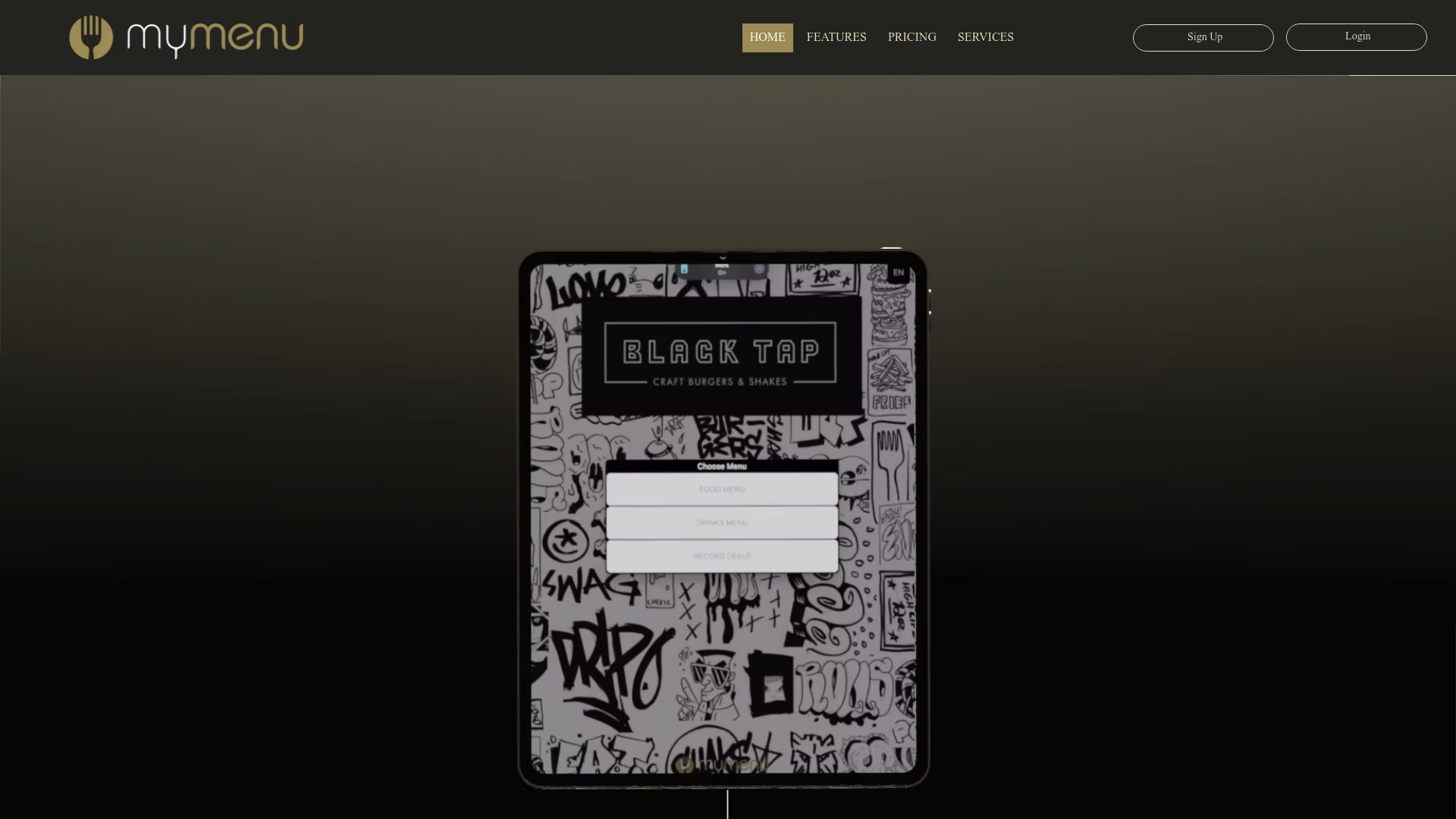
MyDigiMenu.com empowers restaurants to create exactly this kind of integrated experience. From beautifully designed digital menu solutions that capture guest preferences on every visit, to a powerful QR menu tool that supports loyalty programs, digital stamp cards, and contactless ordering with no app required, the platform gives you everything you need to build lasting guest relationships. Whether you run a busy café, a casual dining concept, or a full-service restaurant, MyDigiMenu.com helps you turn every visit into a loyalty-building moment.
Frequently asked questions
What makes Gen Z loyalty programs effective in 2026?
Mobile-first access, instant rewards, and real-time personalization make Gen Z loyalty programs effective by meeting their demand for immediacy and practical value. Gen Z loyalty signups are rising fast, and digital-first programs capture and retain this audience far better than traditional models.
How do AI-powered loyalty strategies improve guest lifetime value?
AI-powered loyalty programs boost lifetime value by personalizing offers to guest preferences and behaviors, delivering LTV increases of 20 to 50% compared to generic points-based systems.
What is the most critical period for building restaurant loyalty?
The first 90 days after program enrollment are the most critical window, with the second visit solidifying loyalty and the fourth visit establishing a true regular.
Why are traditional points-based loyalty programs becoming obsolete?
Guests increasingly expect personalized experiences and experiential rewards that reflect their individual preferences, and points-based programs simply cannot deliver the flexibility or emotional resonance that AI-driven, tailored rewards provide.
Recommended
Comments