
What Is Contactless Dining? A Complete Guide for Restaurants

TL;DR:
Contactless dining allows guests to browse menus, order, and pay with minimal physical interaction.
Implementing digital tools like QR codes and tablets enhances efficiency, safety, and guest engagement.
Successful adoption depends on thoughtful design, staff training, seamless integration, and hospitality focus.
Imagine a Friday night rush where orders flow seamlessly, guests browse vivid food photography on sleek digital screens, and payments clear in seconds without a single paper menu changing hands. That scene isn’t a vision of some distant future. It’s happening right now in restaurants around the world, and the gap between establishments that embrace it and those that don’t is widening fast. Contactless dining has quietly become one of the most powerful operational upgrades available to restaurant owners today, yet many still confuse “contactless” with “impersonal.” This guide clears that up and shows you exactly what contactless dining is, how it works, and why it can transform your guest experience from the ground up.
Table of Contents
Key Takeaways
Point | Details |
Contactless dining defined | Contactless dining eliminates physical touchpoints in ordering and payment for safety and efficiency. |
Tech enables engagement | Digital menus, QR codes, and tablets empower guests to customize their experience. |
Safety and satisfaction rise | Contactless solutions improve both hygiene and guest satisfaction, boosting repeat visits. |
Easy to implement | Step-by-step strategies can help any restaurant upgrade to contactless dining smoothly. |
Human touch matters | Successful contactless dining blends technology with authentic hospitality for maximum impact. |
What is a contactless dining experience?
Contactless dining refers to a model of restaurant service in which guests can browse menus, place orders, and complete payments with minimal or no physical interaction with staff or printed materials. The idea isn’t to remove the human element from dining. It’s to remove the friction, the wait, and the unnecessary touchpoints that slow service down and frustrate guests.
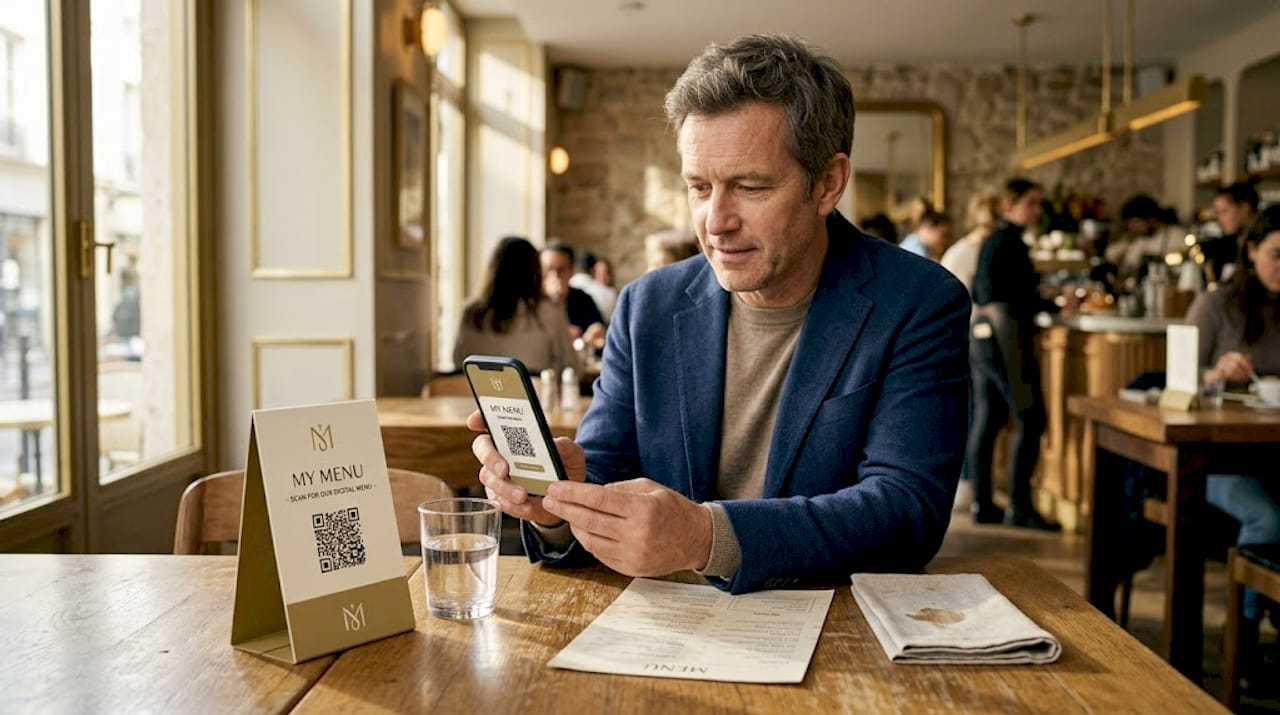
At its core, contactless dining relies on a suite of digital tools working together. Guests typically scan a QR code at their table using their smartphone, which instantly opens a digital menu in their browser without requiring any app download. From there, they can browse dish descriptions, view high-quality photos or videos, filter by dietary preferences, and place their order directly. Payment follows the same path, with guests completing transactions through integrated digital payment options, including cards, mobile wallets, and even cryptocurrencies on advanced platforms.
The key components of a contactless dining system generally include:
Digital menus accessible via QR codes, tablets, or mobile apps
Self-ordering interfaces that allow guests to customize and submit orders without staff assistance
Contactless payment gateways that support multiple payment methods securely
Kitchen display systems that receive and track orders in real time
Guest feedback tools that capture satisfaction data at the point of experience
The benefits are measurable. Digital menu adoption surged dramatically after the pandemic, with over 85% of restaurants implementing digital menus as both a safety measure and an operational upgrade. That adoption rate didn’t reverse when pandemic restrictions lifted. Operators discovered something important: guests actually preferred the speed and interactivity of digital menus, and staff performance improved when routine order-taking was streamlined.
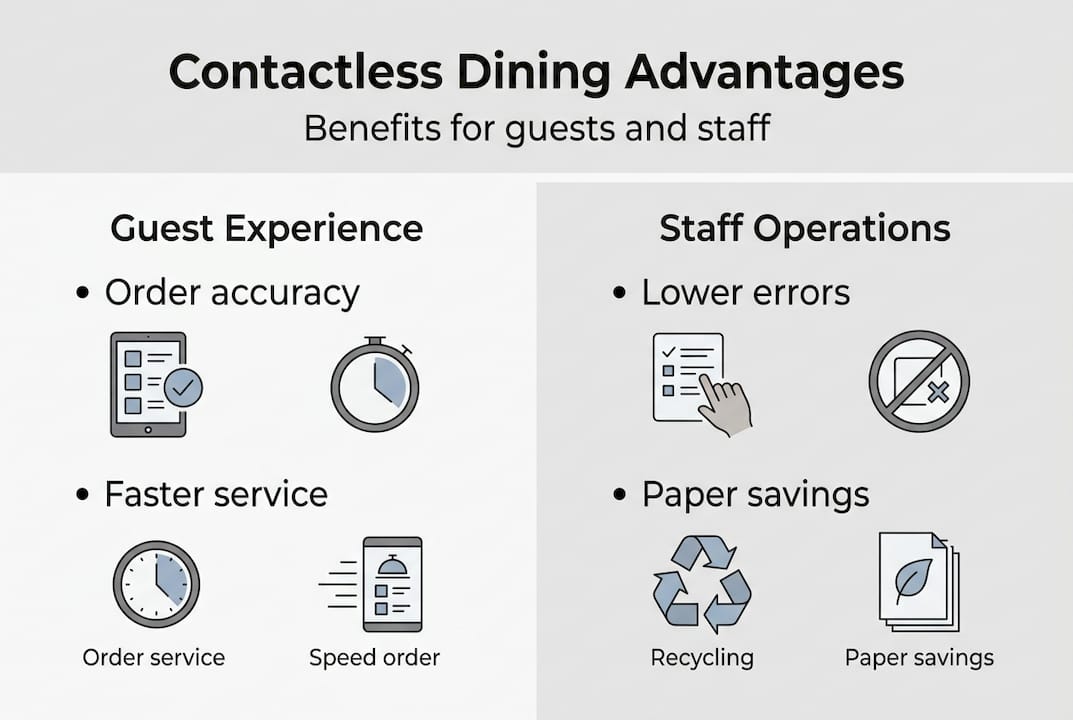
For restaurant owners and managers, contactless dining also means lower error rates on orders, reduced paper costs, and the ability to update menu items instantly, whether that’s adjusting a price, marking a dish as sold out, or launching a limited-time special. The days of reprinting expensive laminated menus for every seasonal change are over. Every part of the operation, from front-of-house flow to back-of-house ticket management, becomes more responsive and efficient.
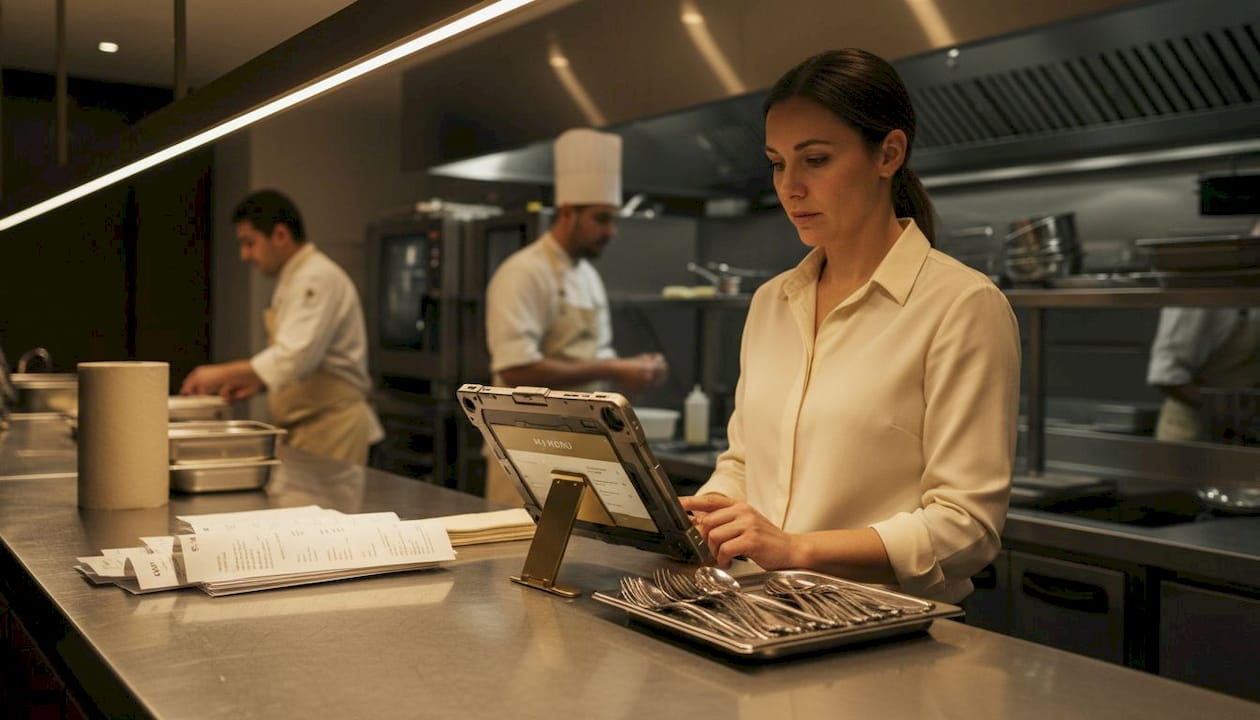
The shift isn’t about replacing your team with technology. Think of it as giving your team a smarter set of tools so they can spend less time reading back orders and more time creating the kind of warm, attentive service that keeps guests coming back.
Core technologies powering contactless dining
Understanding what contactless dining is, now let’s explore the technologies behind it. The landscape of contactless dining tools is broader than most operators realize, and choosing the right combination matters enormously for both guest experience and operational fit.
A comparison of the main contactless menu technologies:
Technology | Best for | Guest interaction | Setup complexity |
QR code menus | All restaurant types | Scan and browse via smartphone | Low |
Tablet menus | Fine dining, hotels | Touchscreen ordering at the table | Medium |
Video menus | High-volume venues | Visual storytelling, upselling | Medium to high |
Online ordering | Delivery and takeout | Order from anywhere | Medium |
QR menu technology allows guests to scan codes for instant access to digital menus, making it the most universally accessible format because every modern smartphone can do it without additional hardware. Tablet menus offer a premium, tactile experience that suits upscale venues where a beautifully designed interface adds to the ambiance. Video menus, which present dishes through short, mouthwatering clips, are proving remarkably effective at boosting guest engagement because they turn the act of browsing into something genuinely enjoyable.
How to implement contactless menu technology step by step:
Audit your current setup. Identify where physical touchpoints create the most friction for guests and staff, including menus, payment terminals, and order collection.
Choose the right menu format. Match your technology choice to your venue style, guest demographics, and budget. A casual cafe might start with QR codes, while a boutique hotel might invest in elegant tablets.
Select an integrated platform. Look for a solution that connects your digital menu to your point-of-sale system and payment processing so data flows automatically.
Design your digital menu with care. High-resolution photography, accurate descriptions, and clear dietary labeling all influence order values and satisfaction.
Train your team. Staff should understand how the technology works, be ready to assist guests who need guidance, and know how to troubleshoot basic issues.
Communicate the change to guests. Use table signage, social media, and your booking confirmation emails to let guests know what to expect.
Pro Tip: Place QR codes at eye level on table tents rather than flat on the table surface. Guests scan more reliably when the code is vertical and well-lit, which reduces friction at the first moment of contact with your digital menu. Menu digitization success often comes down to these small but impactful details in the physical setup.
The technology itself is only as powerful as the experience it creates. A poorly photographed digital menu with confusing navigation will frustrate guests just as much as a smudged paper menu. Invest in the design layer as seriously as you invest in the infrastructure.
Enhancing guest engagement and safety with contactless dining
With technology explained, let’s see how contactless dining enhances guest interaction and safety. One of the most persistent myths in hospitality is that contactless systems create a cold, transactional experience. The evidence says otherwise.
Impact of contactless dining on key performance metrics:
Metric | Traditional dining | Contactless dining |
Average order accuracy | ~85% | ~97% |
Average table turn time | 65 minutes | 48 minutes |
Guest satisfaction score | Baseline | Up to 15% improvement |
Menu item upsell rate | Moderate | Significantly higher |
Digital menus and contactless ordering can improve guest engagement by up to 15%, largely because guests spend more time exploring the menu when it’s interactive and visually rich. Video menus for engagement take this even further, turning the passive act of reading a menu into an experience that genuinely excites guests about what they’re about to eat.
From a safety standpoint, contactless dining aligns with evolving restaurant hygiene protocols by eliminating high-touch shared surfaces like laminated menus that may be cleaned inconsistently. This matters beyond the pandemic context. Guests have permanently elevated their hygiene awareness, and operators who demonstrate thoughtfulness about cleanliness earn long-term trust.
The engagement benefits extend into deeper personalization. When a guest returns and logs into a digital menu platform using a social profile, the system can surface their previous orders, highlight dishes aligned with their dietary preferences, and apply loyalty rewards automatically. Digital table ordering insights show that this kind of personalized experience measurably increases repeat visit rates.
“A dash of digital can turn everyday service into extraordinary memories, as long as the technology works invisibly and the warmth of hospitality stays front and center.”
Operationally, contactless systems give managers real-time visibility into table status, order volumes, and peak demand patterns. This data enables smarter staffing decisions, more accurate inventory management, and faster responses when something goes wrong. The kitchen gets cleaner, more organized ticket streams. The front-of-house team gets freed from repetitive tasks. And guests get more consistent, attentive service as a result.
Specific engagement benefits worth highlighting:
Speed of service improves because guests don’t wait for a server to take their order or bring a check
Interactivity increases because guests explore the full menu at their own pace, discovering dishes they might have overlooked
Personalization grows over time as the platform learns guest preferences through CRM integration
Upselling becomes natural because visual menus with pairing suggestions and modifiers prompt guests to add items they genuinely want
Implementation strategies for restaurant owners
Now that engagement and safety benefits are clear, let’s upgrade your operations with practical implementation strategies. Knowing what the technology can do is one thing. Rolling it out successfully is another challenge entirely.
A step-by-step implementation roadmap:
Start with a pilot. Rather than converting your entire operation overnight, test contactless dining on a section of tables or a specific daypart. Gather feedback, measure results, and refine before scaling.
Prioritize platform integration. The most common implementation mistake is choosing a digital menu tool that doesn’t connect to your existing POS or payment processor. This creates double-entry work and data silos that undermine efficiency. Digitalizing operations delivers the biggest gains when all systems talk to each other.
Design for your guest, not for yourself. Operators sometimes build elaborate menu structures that make internal sense but confuse guests. Keep navigation intuitive, categories clear, and the ordering path as short as possible.
Train staff to champion the technology. Guests who encounter confusion with a digital menu will look to staff for help. If your team is uncertain or dismissive about the system, guest adoption suffers. Enthusiastic, knowledgeable staff are your most effective implementation asset.
Communicate proactively. Place clear signage at the entrance and on tables explaining the contactless experience. A brief, friendly note that says “Scan to order. No app needed.” removes the single biggest barrier to guest adoption.
Measure ROI from day one. Track average order value, table turn time, order accuracy rates, and guest satisfaction scores before and after implementation. These metrics tell the real story of impact.
Pro Tip: Review your restaurant payment options before finalizing your contactless setup. Guests increasingly expect to pay with Apple Pay, Google Pay, and even cryptocurrency on premium platforms. Offering broad payment flexibility reduces checkout friction and can meaningfully increase completed transactions.
Common mistakes to avoid include launching without guest-facing instructions, choosing the cheapest platform without evaluating its feature depth, and neglecting to update the digital menu regularly. A digital menu with outdated items or missing photos quickly erodes the trust and excitement that contactless dining is meant to build.
Successful rollouts share one characteristic: they treat the technology as a hospitality tool rather than a cost-cutting exercise. When the goal is genuinely improving how guests feel at your restaurant, every implementation decision aligns around that north star.
Why contactless dining isn’t just about technology
Here’s an angle worth sitting with. The restaurants that struggle most with contactless dining aren’t the ones that chose the wrong software. They’re the ones that handed the project to their IT vendor and considered it done.
The uncomfortable truth is that technology can make a mediocre dining experience marginally faster but it cannot make it memorable. What transforms a contactless setup from a functional tool into a genuine competitive advantage is the intentionality behind it. How does your menu design for engagement reflect your brand’s personality? Does your digital menu tell a story about where your ingredients come from, or does it just list items and prices? Does your staff greet guests with the same warmth they always did, now freed from routine tasks to actually connect with people?
The most successful operators we’ve seen treat contactless technology as the invisible infrastructure of hospitality, present, reliable, and powerful, but never the main event. The main event is still the food, the atmosphere, and the feeling guests carry with them when they leave. When digital systems are thoughtfully woven into that experience, they amplify it. When they’re bolted on as an afterthought, they just add complexity.
The long-term payoff comes from that integration, not the technology itself.
Take your restaurant to the next level with digital menus
Ready to turn these ideas into real results for your restaurant? MyDigiMenu.com makes it straightforward to launch a contactless dining experience that fits your venue, your guests, and your team, whether you’re running a single cafe or managing a multi-location hospitality brand.
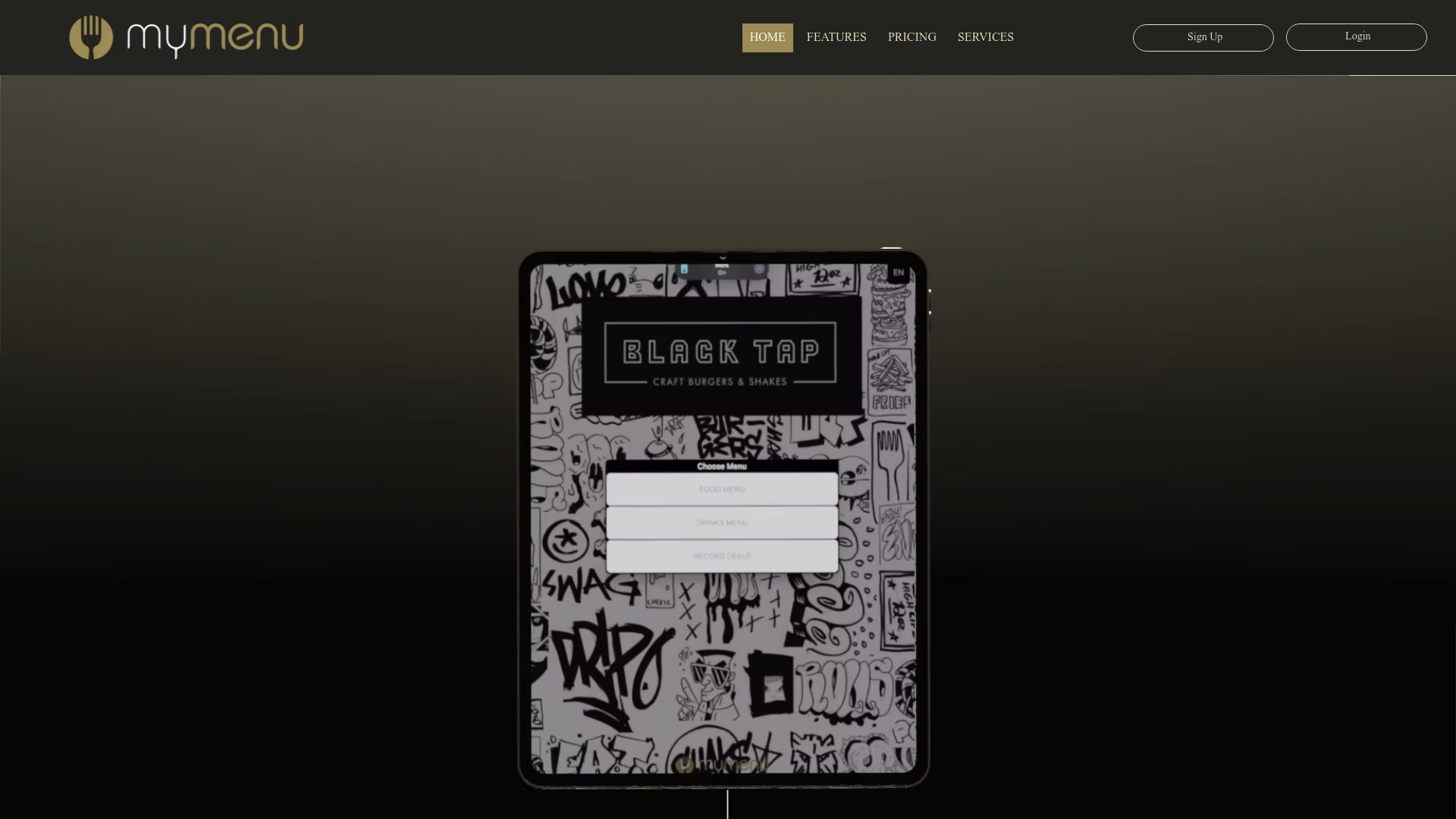
From intuitive QR menu generators to elegant tablet menu solutions, MyDigiMenu.com offers a full suite of digital menu tools built specifically for hospitality. The platform requires no app downloads for guests, supports multiple languages and currencies, and integrates with leading POS systems so your operations stay unified. With robust features including loyalty programs, CRM integration, and payment flexibility, you get everything you need to boost engagement, streamline service, and grow revenue from day one.
Frequently asked questions
How do guests interact with contactless menus?
Guests scan a QR code or access a tablet at their table to browse and order directly from a digital menu, with instant menu access requiring no app download.
Is contactless dining only for large restaurants?
No, contactless solutions can be tailored to fit any size restaurant, from local cafes to large hospitality chains, with scalable pricing and features to match.
Does contactless dining reduce staff roles?
It streamlines staff workload but enhances their ability to provide personalized service, and engagement improvements of up to 15% are often attributed to staff having more time for meaningful guest interaction.
Is contactless dining secure?
Yes, reputable platforms encrypt payment and guest data end to end, and digitalizing operations through integrated systems significantly reduces manual errors and fraud exposure.
Can contactless dining actually improve guest engagement?
Absolutely. When implemented thoughtfully, digital menus personalize the experience and boost guest engagement through interactivity, rich visuals, and data-driven personalization that traditional menus simply cannot deliver.
Recommended
Comments