
For Restaurant Operators: 10 Gift Card Ideas Without Extra Devices

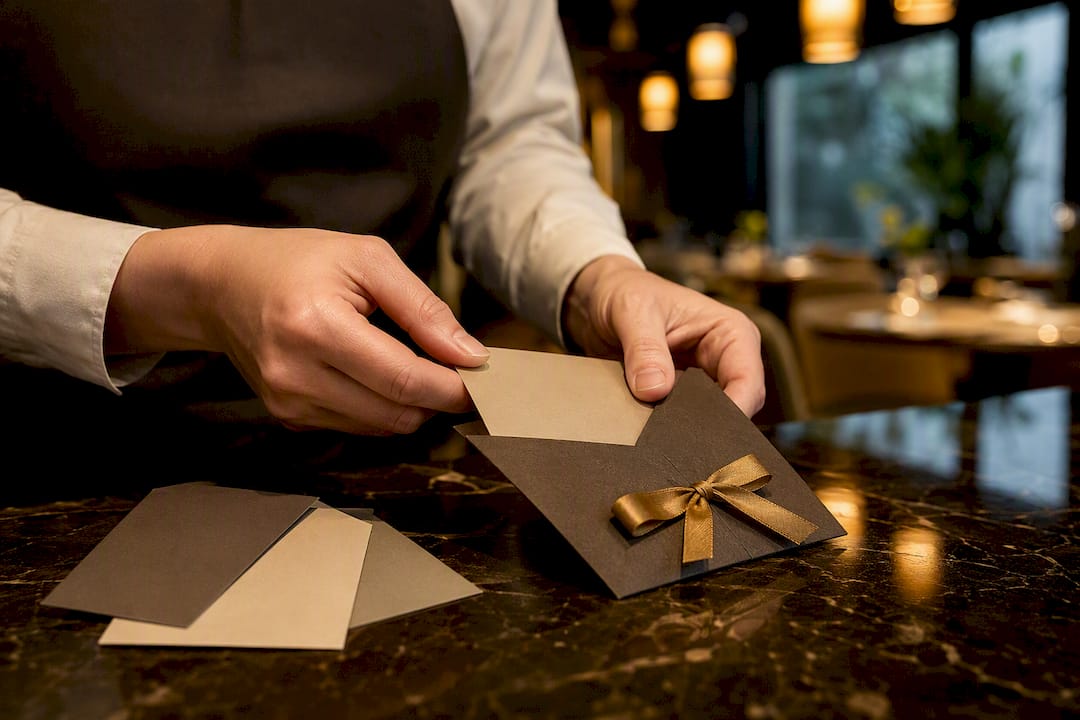
Sell both physical and e-gift cards, put an ecommerce checkout for cards on your website, and run a holiday “buy $100, get $20 bonus” stacking promotion timed for late November. Make sure your point-of-sale can activate, check balances, and process partial redemptions natively, without a separate device. A platform that supports ecommerce gift vouchers, loyalty linkage, and guest-profile capture in one system is essential, as these features are often added too late by operators.
TL;DR:
Physical and digital gift cards serve different customer needs, with physical cards boosting in-restaurant impulse sales and digital cards capturing last-minute online buyers.
Ensuring your POS supports instant balance checks, partial redemptions, and activation at checkout is vital for seamless gift card adoption and operational efficiency.
Testing varied formats such as preset denominations, bonus stacking, premium packaging, corporate bulk options, and loyalty-linked reloadables can significantly expand gift card revenue.
Timing promotions around key calendar events like early November for holidays, Valentine’s Day, Mother’s Day, and graduation season maximizes gift card sales throughout the year.
Integrating gift card sales into a unified platform that links ecommerce, CRM, and loyalty systems prevents operational friction and supports long-term growth.
Table of Contents
What Formats and Tech Do You Need to Launch a Restaurant Gift Card Program?
When Should You Run Gift Card Promotions Throughout the Year?
How Much Should You Price Gift Card Bonuses, and What Are the Legal Basics?
What Should You Fix First When Starting a Gift Card Program?
How Mydigimenu Helps You Run This Whole Program From One Platform
What Formats and Tech Do You Need to Launch a Restaurant Gift Card Program?
Physical and digital cards serve different buyers, and skipping either one leaves revenue behind. Physical cards win the in-restaurant impulse purchase and most corporate orders; someone paying their check will add a $50 card for a coworker without thinking twice. Digital cards capture the buyer at 11 p.m. the night before an anniversary, plus out-of-town relatives who will never walk through your door. Digital cards are the fastest-growing segment, largely because they solve the last-minute problem physical cards can’t.
Before you print a single card, confirm your tech can handle three things: instant balance checks, partial redemptions, and activation at the point of sale rather than through a separate terminal. If your system forces staff to log into a second screen to sell or redeem a card, adoption will stall no matter how good the design is.
Launch checklist:
Order an initial physical stock (200 to 500 cards is typical for a single location).
Keep PIN or activation codes concealed until the point of sale.
Add gift-card checkout to your main navigation, footer, and social bio links.
Schedule delivery options for e-gifts (send now, send on a specific date).
Write a one-line staff prompt script and test it during a slow shift before your first big push.
Pro Tip: Run your entire redemption flow, purchase, activation, balance check, partial redemption, on a slow Tuesday before you promote anything. If it takes more than a few seconds at the register, fix it before the holiday rush finds the gap for you.
Pairing this with an integrated digital ordering workflow means gift-card purchases and regular online orders live in the same system, so you’re not reconciling two platforms every week.
10 Restaurant Gift Card Ideas Worth Testing This Year
Most restaurants sell exactly one kind of gift card: a plain plastic rectangle in three denominations. That leaves money on the table. Here are ten formats worth testing, ranked roughly by ease of setup.
Preset denominations mapped to visit type. A $25 card fits a casual lunch gift; $75 to $100 fits a date-night gift. Add a custom-amount field for buyers who want something in between. Low complexity. Track: units sold per denomination.
Holiday bonus-stacking cards. Buy $100, get a $20 bonus card, but delay the bonus card’s activation until January or February to seed foot traffic in your slowest month. Moderate complexity, since your POS needs to support delayed activation. Track: redemption rate on the bonus tier.
Premium packaged cards. Pair a card with a tasting flight or a signed cookbook in gift packaging. Higher price point ($75 to $150), moderate complexity because it requires inventory coordination. Track: average sale value.
Corporate-branded bulk cards. Custom-branded cards sold in bulk to local businesses for client or employee gifts. Corporate orders often run $5,000 to $50,000 per transaction, making this the single biggest revenue lever on this list. High complexity, since it needs invoicing and account management.
Prepaid meal plan cards. A fixed number of meals or a monthly credit amount for regulars. Moderate complexity, strong for loyalty. Track: renewal rate.
Reloadable cards linked to loyalty points. Every reload earns points redeemable for perks. Requires CRM integration. Track: reload frequency per customer.
Charity-tie gift cards. A percentage of each card sold goes to a local cause during a defined window. Low complexity, strong PR value. Track: units sold during the campaign window versus a normal week.
Staff-curated tasting cards. A fixed-value card bundled with a chef’s recommended dishes for that season. Low complexity. Track: redemption rate against the standard card.
Catering-bundle gift cards. Prepaid credit toward catering orders, aimed at office managers and event planners. Moderate complexity. Track: average catering order size from redeemers.
Partner-bundled gift packs. Combine your card with a local retailer’s product, a bakery, a wine shop, a florist, for a joint gift package sold at both locations. Higher complexity because it requires a partner agreement. Track: incremental units from the partner’s customer base.
When Should You Run Gift Card Promotions Throughout the Year?
November and December carry the heaviest weight. Holiday gifting drives roughly 40 to 60% of annual restaurant gift-card sales in a six to eight week window, which means your stacking promo and staff scripts need to be live by early November, not December 1.
But treating gift cards as a Q4-only product wastes three other strong windows: Valentine’s Day, Mother’s Day, and graduation season each generate their own spike in card purchases, usually tied to a specific occasion rather than a general “gift” impulse.
Period | Primary occasion | Tactic to run |
Early Nov to Dec | Holiday gifting | Bonus-stacking promo with delayed activation |
Early Feb | Valentine’s Day | Couples-focused card bundle, dinner-for-two framing |
Early May | Mother’s Day | Preset denomination push, brunch tie-in |
Mid June | Father’s Day | Simple $50 to $75 card promotion |
May to June | Graduation season | Custom-amount cards, social sharing push |
Staff incentives matter more than most owners assume. A $1 bonus per card sold, tracked on a visible leaderboard, turns a passive mention into an active pitch. Pair that with signage at the host stand and a suggestive-selling script (“Would you like to add a gift card for someone on your list?”) at checkout.
Corporate outreach needs its own timeline. Start contacting local businesses four to six weeks before their peak buying season, typically early November for holiday gifts, with tiered pricing and a branded packaging option ready to quote. A dedicated promotional push built around this calendar tends to outperform a single December email blast by a wide margin.
How Much Should You Price Gift Card Bonuses, and What Are the Legal Basics?
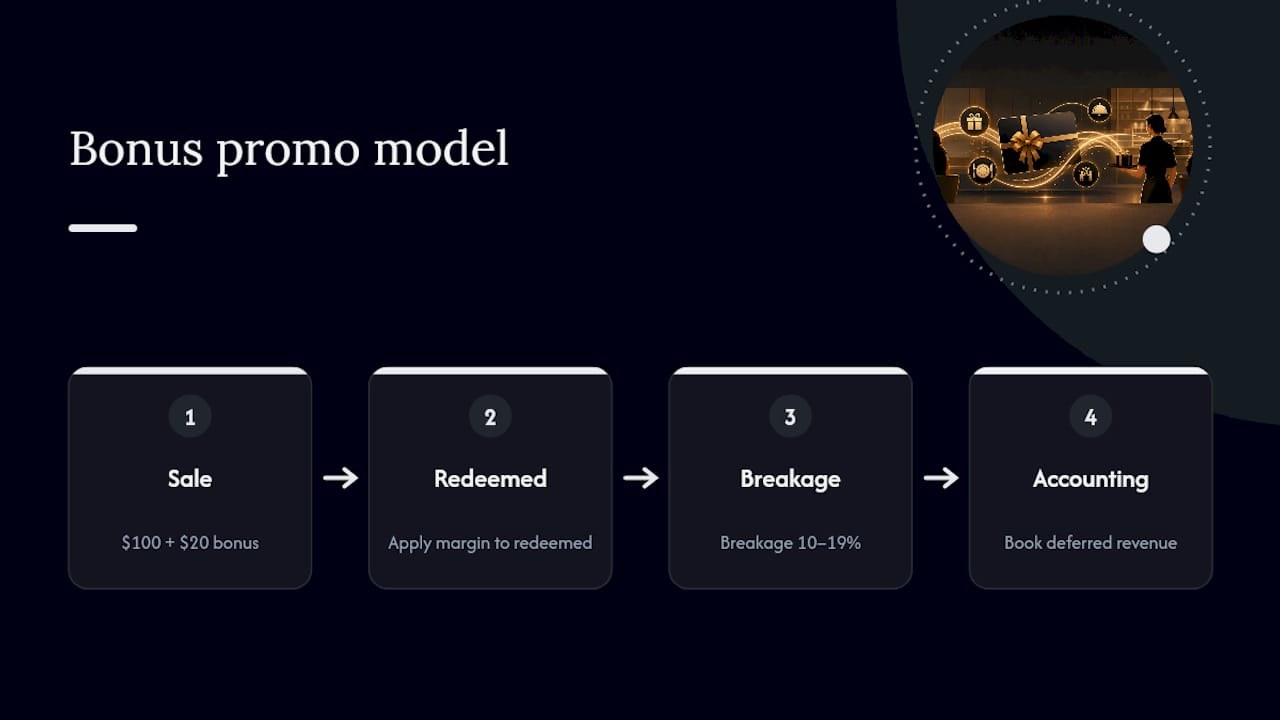
Bonus promotions aren’t free money, they’re a modeled discount, and treating them as a marketing freebie instead of a priced offer is the most common mistake operators make. If you offer a $20 bonus on a $100 purchase, you’re effectively giving a 20% discount on redemption, offset by the fact that a meaningful share of that bonus card will never get redeemed at all.
Industry breakage, the percentage of gift-card value never redeemed, runs roughly 10 to 19%. That breakage is real revenue you can plan around, but it belongs in your books as deferred revenue, not immediate income, until the card is redeemed or legally expires.
To cost a bonus promo properly: estimate your expected redemption rate, apply your typical margin to the redeemed portion, and net that against the breakage estimate. Most operators find the promo pays for itself even before accounting for the new-customer visits it generates. Before you finalize expiration terms or unclaimed-balance policies, check your state’s specific rules, they vary widely, and loop in your CPA on how to book deferred revenue correctly.
Making Gift Cards a Frictionless Part of Daily Operations
A gift-card program that requires a workaround at the register is a program that quietly dies within a month. Gift cards need to function as a native tender: activated at the point of sale, balance-checked in under two seconds, and able to support split tender so a guest can pay partly with a card and partly with cash or a credit card without a manager override.
Physical card fulfillment needs its own attention too. Corporate orders require bulk packing, individual card activation records, and clean invoicing, none of which should fall on a server mid-shift.
Track these numbers weekly, not just at year-end:
Sales by channel (in-store versus online)
Redemption timing (how long after purchase cards get used)
Redemption rate specifically on bonus cards
Revenue attributable to corporate accounts
Pro Tip: If your team is reaching for a second device or a paper log to handle gift cards, that’s the clearest sign your integration isn’t finished yet, fix the workflow before you scale the promotion.
What Should You Fix First When Starting a Gift Card Program?
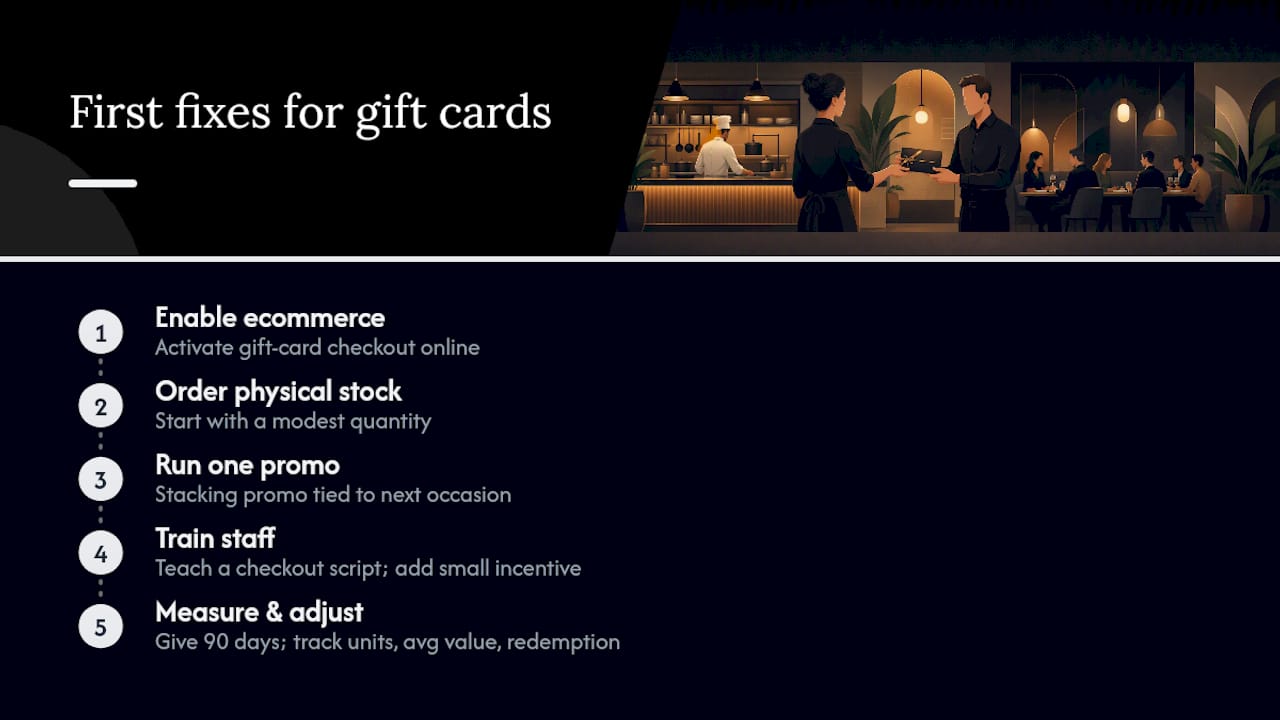
Most operators overthink the launch and underthink the follow-through. Start by turning on ecommerce checkout for gift cards and ordering a modest physical stock, then run one stacking promo tied to the next real occasion on the calendar, not necessarily December. Waiting for the holidays to be your only swing at this wastes ten months of potential revenue.
The bigger failure I see is staff silence. A card program with no active prompt at checkout is a program running at a fraction of its potential, regardless of how good the design looks. Train the script, tie a small incentive to it, and give the program 90 days before you judge it. Track units sold, average card value, and redemption rate, then adjust the denominations or the bonus structure based on what actually happened, not what you assumed would happen.
— Abhi
How Mydigimenu Helps You Run This Whole Program From One Platform
Some platforms offer an alternative to running gift cards through bolted-on third-party voucher tools by integrating ecommerce checkout for card sales, guest-profile capture, loyalty linkage, and content-rich campaign presentation within one system instead of three disconnected ones.
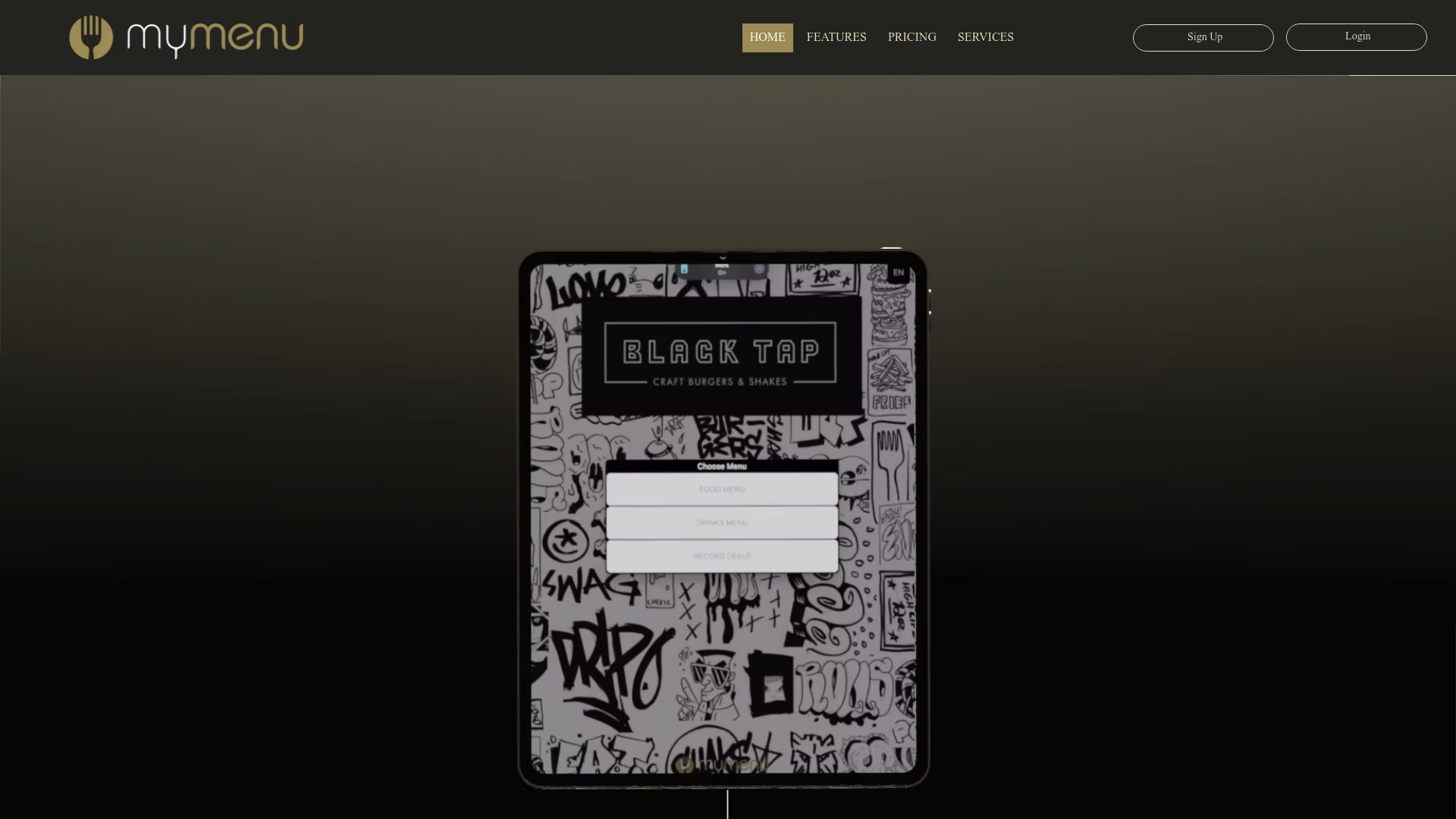
That matters most in the weeks after launch, when a fragmented setup usually reveals itself: a card sold on one platform that your POS can’t see, a loyalty point that never posted, a corporate order with no CRM record attached. Mydigimenu’s guest profiles and CRM integration mean a customer who buys a gift card is captured the same way as a customer who scans your QR menu at the table, which turns a one-time purchase into a marketing list you can actually use for the next promotion.
If you’re ready to put your gift-card checkout and your digital menu on the same platform, take a look at the digital tablet and QR menu features and request a walkthrough of how the setup fits your current POS.
Sources
Recommended
Wow, these gift card ideas are fantastic! 🎉 They not only help boost restaurant sales but also create meaningful customer connections. Thanks for sharing such practical tips—definitely inspiring for both operators and diners alike! slope 2 game
The concept of providing both physical and digital gift cards makes a great deal of sense, particularly when it comes to gifts that slope 2 arrive at the eleventh hour. Moreover, I appreciate the emphasis placed on simplifying the process of checking out.
The idea of offering both physical and digital gift cards makes a lot of sense, especially for last-minute gifts. I also like the focus on making the checkout process simple. A quick game of Golf Hit is my usual break after reading tips like these.