
Reservation management tips to elevate guest experience

TL;DR:
A centralized, real-time reservation system reduces errors, prevents double-bookings, and enhances operational efficiency. Automating confirmations and reminders creates a seamless guest experience while enabling proactive management of cancellations and no-shows. Effective reservation management depends on data analysis, staff training, and cultivating a culture of continuous improvement beyond just software tools.
Few moments shape a guest’s loyalty more powerfully than what happens before they ever walk through the door. A flawlessly confirmed reservation signals professionalism and care; a botched double-booking signals chaos. For restaurant and hotel managers navigating busy seasons, multiple booking channels, and rising guest expectations, the reservation process is simultaneously the first impression and the operational heartbeat of the entire business. This guide cuts through the noise and delivers proven, actionable strategies to help you minimize errors, reduce no-shows, and turn every reservation interaction into the opening act of an extraordinary experience.
Table of Contents
Key Takeaways
Point | Details |
Centralize reservations | Integrate your systems for real-time availability updates and fewer manual errors. |
Automate communications | Use technology to send confirmations, reminders, and updates automatically. |
Leverage data for decisions | Monitor and analyze reservation data regularly to uncover trends and act quickly. |
Control overbooking professionally | Set smart policies, invest in staff training, and communicate proactively to handle overbooking risks. |
Prioritize the human touch | Sustained excellence comes from processes, staff expertise, and guest-centric service—not just software. |
Set up a centralized, real-time reservation system
Every efficient reservation operation is built on one non-negotiable foundation: a single source of truth. When your restaurant or hotel uses multiple booking channels, such as your own website, third-party online travel agencies (OTAs), phone calls, and walk-ins, and each channel operates in its own silo, you are essentially setting the stage for double-bookings, missed updates, and frustrated guests.
The solution is a centralized reservation system that syncs availability instantly across every channel. As hotel reservation systems research confirms, you should centralize reservations so availability updates instantly across channels to prevent double-bookings, while also integrating the reservation system with your property management system (PMS), channel management tools, and payment processors. That integration does more than prevent embarrassing errors. It removes the manual data entry burden from your front-line staff, freeing them to focus on genuine hospitality.
Here is what a truly centralized reservation infrastructure should accomplish:
Real-time syncing across direct booking pages, OTAs, phone inquiries, and walk-in rosters
PMS integration so that room or table status updates cascade instantly throughout all systems
Payment processor connectivity to handle deposits, holds, or cancellation fees automatically
OTA compatibility ensuring that third-party platforms reflect accurate availability at all times
Scalability to accommodate seasonal peaks without manual intervention
Following reservation best practices is far more achievable when your technology does the heavy lifting on accuracy. Similarly, online reservation system efficiency demonstrates how eliminating manual processes compounds into significant time savings and revenue recovery over a full season.
“A well-integrated reservation system is not just a booking tool. It is the operational backbone that connects every guest touchpoint to a consistent, accurate, and responsive experience.”
Pro Tip: Before selecting a centralized system, audit every channel through which guests currently book with you. Map out exactly where availability data currently lives and how often it is updated. That audit will reveal your biggest double-booking risk points and help you prioritize which integrations are most urgent.
For properties managing multiple dining areas or event spaces, table management integration brings that same real-time precision to floor-level operations, ensuring hosts and servers always work from accurate, live data.
Automate confirmations, reminders, and guest communications
With your system infrastructure in place, the next step is transforming your guest communications from static, manual tasks into a dynamic, automated journey. The difference between sending a confirmation email manually and triggering an automated sequence might seem minor, but the compounding operational benefits are remarkable.
Afixis reservations-management tips make a compelling case: investing in reliable systems, automating confirmations and reminders, and monitoring and analyzing booking data are the practical methodologies that reduce reservation errors and chaos at scale. Meanwhile, hotel reservation systems reinforce that a strong reservation platform keeps availability and guest information accurate while providing insight and dashboard tracking for management teams.
Here is how to build an effective automated communication sequence:
Instant booking confirmation sent the moment a reservation is made, including all relevant details (date, time, party size, location, cancellation policy)
48-hour reminder with a clear call-to-action to confirm, modify, or cancel, giving you actionable lead time before service
Day-of reminder sent the morning of the reservation, especially effective for dinner bookings or overnight stays
Post-visit follow-up requesting feedback or encouraging a return visit, which supports both reputation management and loyalty building
Re-engagement message for guests who canceled, offering a future incentive to rebook within a defined window
Communication type | Timing | Primary purpose |
Booking confirmation | Immediate | Reassure guest, document details |
Pre-arrival reminder | 48 hours before | Reduce no-shows, allow modifications |
Day-of reminder | Morning of visit | Final confirmation, reduce last-minute cancellations |
Post-visit follow-up | 24 hours after | Collect feedback, drive repeat visits |
Win-back message | 7 days after cancel | Recover lost bookings with incentive |
The automated guest notifications available through modern hospitality platforms allow you to personalize each message using guest profile data, making every touchpoint feel thoughtful rather than robotic. Explore additional reservation methods to understand how layering automation with personal service creates a genuinely impressive guest journey.
Pro Tip: Track open rates and click-through rates on your automated messages. If your 48-hour reminder has a low open rate, test a different subject line or switch from email to SMS for that specific touchpoint. Guest communication should be treated as a living strategy, not a set-it-and-forget-it feature.
Monitor, analyze, and act on reservation data
Automation brings efficiency, but effective management demands constant oversight. Your reservation data is not just a record of past bookings; it is a strategic map of your operation’s rhythms, vulnerabilities, and opportunities. The most agile hospitality managers treat dashboards not as administrative tools but as early-warning systems.
Afixis reservations-management tips emphasize centralizing and continually analyzing reservation and booking data so it can be monitored and acted on, including tracking booking patterns over time. A hotel reservation systems study reinforces this by noting that strong systems keep availability and guest information accurate while providing the insight and dashboard tracking that management teams need to stay responsive.
For external benchmarking, the 2025 Hospitality Benchmark Report Release offers a powerful perspective: major hospitality KPI data includes large-scale email, text, call, and guest-review volumes, alongside room and booking value benchmarks tied directly to direct-booking strategies. Knowing where your numbers stand relative to industry averages reveals exactly where you are winning and where you are leaking opportunity.
The following comparison illustrates how reactive versus proactive data management affects outcomes:
Management approach | Cancellation response | Staffing adjustment | Revenue impact |
Reactive (no data review) | Discovered day-of | Last-minute scramble | Revenue and morale loss |
Proactive (regular monitoring) | Spotted 72 hours ahead | Planned staffing change | Recovered revenue, stable team |
Key metrics to monitor consistently include:
Booking lead time: Are guests booking days or weeks in advance? Shortening windows may signal declining trust or weak marketing.
Cancellation rate by channel: OTA bookings often cancel at higher rates than direct bookings, informing your channel mix strategy.
No-show rate by guest segment: First-time guests no-show more than returning guests, which shapes your reminder frequency.
Peak versus off-peak booking concentration: Identifying these patterns enables smarter staffing, promotional timing, and inventory management.
Reviewing your reservation management overview periodically ensures your strategy evolves with your data, rather than fossilizing around assumptions. Similarly, table management best practices show how data-driven table assignments can dramatically improve both seat utilization and guest satisfaction scores.
Key insight: Properties that review reservation data weekly, rather than monthly, catch emerging cancellation spikes early enough to launch targeted promotions that fill the gap, protecting both revenue and team morale.
Control overbookings with smart policies and staff training
Controlling overbookings is where both data precision and human judgment converge. The reality is that some level of overbooking is a recognized revenue strategy in hospitality. Airlines and hotels have practiced it for decades, operating on the statistical reality that a predictable percentage of bookings will cancel. The risk, of course, is that the prediction fails and you face a walk situation, meaning a guest who has a confirmed reservation but cannot be accommodated.
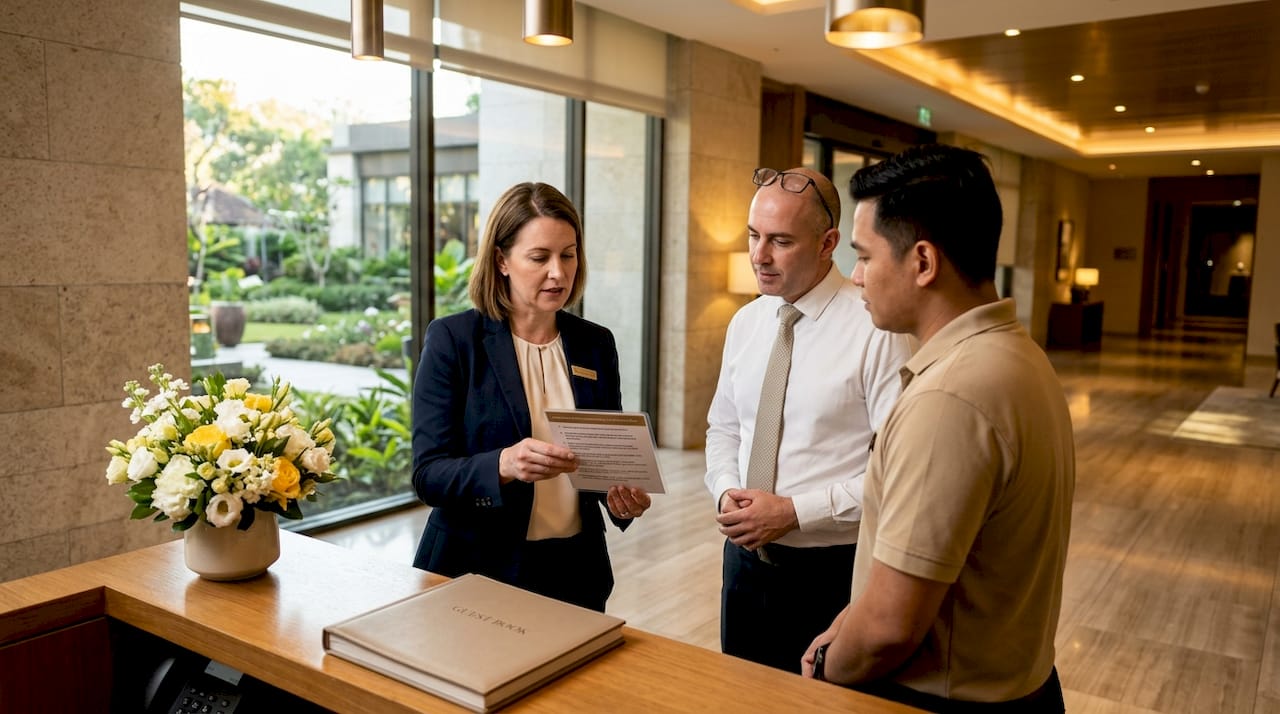
Hotel overbooking research makes clear that the best practice is to control overbooking with data-driven limits and strong standard operating procedures (SOPs), along with proactive communication and staff training to handle relocations professionally if they occur. InnQuest and Revfine research on hotel overbooking reinforces this: use historical data to forecast cancellation rates and set operational SOPs, establish clear overbooking limits, and train teams on proactive communication to reduce guest dissatisfaction.
Building a responsible overbooking policy involves these core steps:
Analyze your historical cancellation data by season, day of week, booking channel, and guest segment to establish realistic baseline rates
Set a maximum overbooking buffer (commonly 5 to 10 percent above capacity) calibrated to your specific property patterns, not industry averages
Create clear relocation SOPs for hotel walk situations, including approved partner properties, compensation standards, and communication scripts
Train front-line staff extensively on how to communicate walk situations with empathy, urgency, and professionalism without escalating guest frustration
Review and recalibrate quarterly using outcome data to refine your buffer limits based on what actually happened versus what was predicted
“No universal safe overbooking level exists across hospitality. Each property must calibrate its limits to its own cancellation patterns, guest segments, and risk tolerance—and revisit that calibration regularly as conditions evolve.”
Pro Tip: Create a laminated walk procedure card for your front desk and host teams. When a stressful walk situation occurs, staff who have a clear visual reference respond faster, communicate more confidently, and recover guest trust far more effectively than those relying purely on memory.
Reviewing how you can optimize reservation workflow will reveal additional ways to tighten your overbooking controls within a smoother operational framework. If you are also expanding into delivery or takeout channels, understanding online ordering systems can prevent overbooking dynamics from spilling over into those service streams.
Why mastering reservation flow is more than just software: The overlooked human factor
Here is an honest observation that many technology-focused guides sidestep: the most sophisticated reservation platform in the world cannot compensate for a team that does not believe in or follow the processes built around it. Operational excellence in reservation management is not primarily a technology problem. It is a culture problem.
The most effective hospitality managers we observe do not simply install new software and expect transformation. They invest equal energy in building accountability structures around that software. They conduct brief daily stand-ups where the team reviews the day’s reservation status. They celebrate when automated reminders successfully convert a potential no-show into a confirmed arrival. They treat near-miss double-bookings as learning events rather than embarrassments, using them to improve SOPs rather than assign blame.
Front-line staff carry enormous influence over how guests perceive reservation management. A guest who receives a flawless automated confirmation but then speaks with a confused host at check-in will remember the confusion, not the automation. Conversely, a guest who encounters a minor system hiccup but is met with a warm, confident, and proactive team member will almost always leave satisfied. The human layer amplifies or undermines everything the technology delivers.
Regular auditing of outcomes, including tracking how often walk situations arise, how guests respond to reminders, and how quickly staff resolve conflicts, creates the feedback loop that turns good intentions into genuine operational mastery. Smart reservation strategies work best when they are embedded in a culture of continuous improvement rather than treated as a one-time implementation project.
The properties that consistently lead their markets in guest satisfaction scores are not necessarily those with the biggest technology budgets. They are the ones where every team member, from the reservations agent to the front desk host, understands exactly why the process exists and is empowered to uphold it, or adapt it gracefully, in the moments that matter most.
Supercharge your reservation management with digital tools
Ready to put these strategies into practice with tools that are purpose-built for the hospitality world? Moving to an integrated digital platform means you can centralize reservations, automate guest communications, and present your property with the polish and professionalism that today’s guests expect, all from a single, intuitive system.
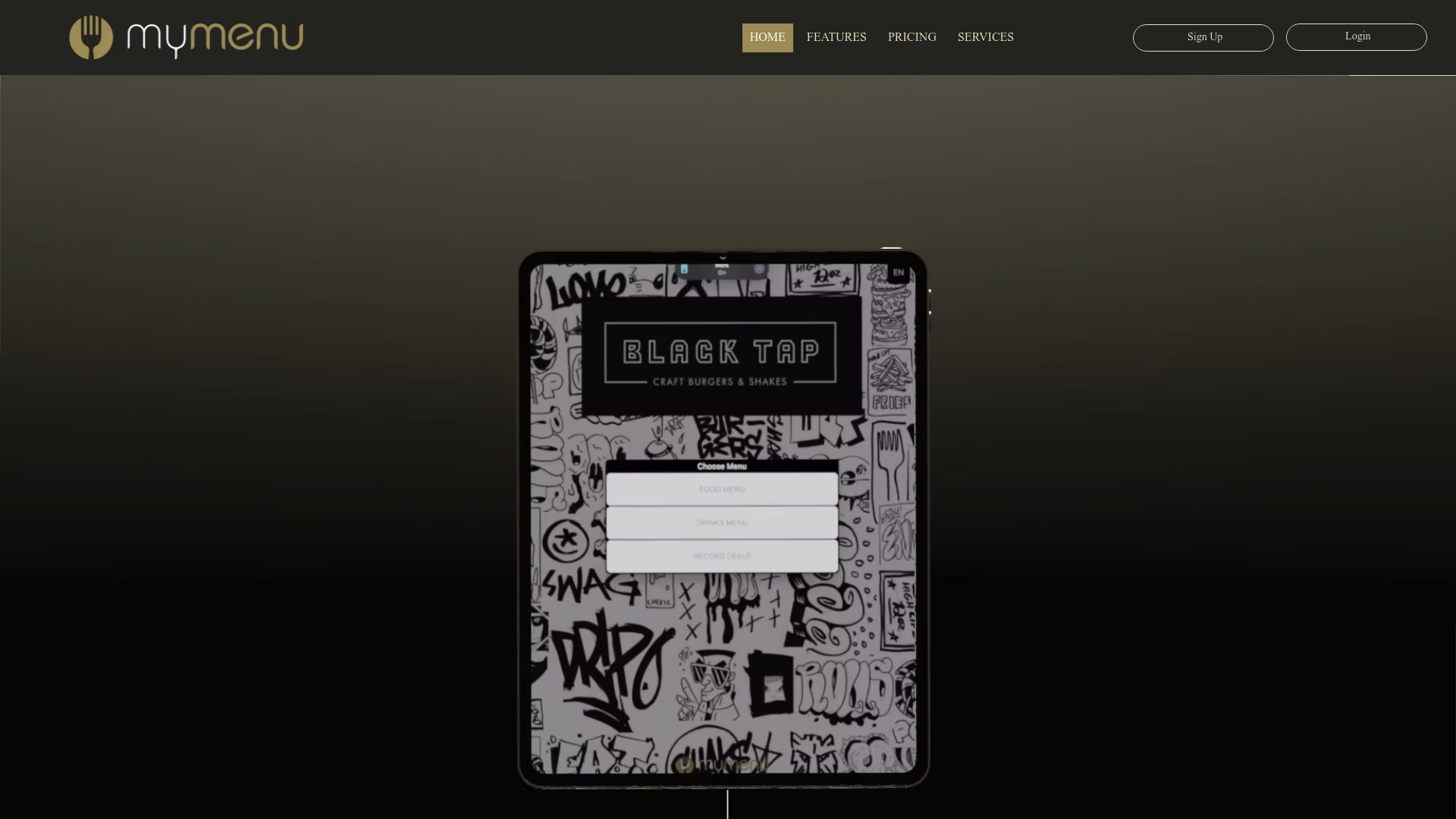
MyDigiMenu.com brings together digital menus, reservation support, guest engagement features, and automation capabilities in one seamless platform. Explore our restaurant digital menu tools to see how a modern menu experience integrates beautifully with your reservation flow, or discover how our QR menu solutions eliminate friction from the moment a guest arrives. A dash of digital can genuinely turn everyday service into extraordinary memories, and the right platform makes that transformation achievable without a massive investment in time or resources.
Frequently asked questions
What is the most common cause of double-bookings in restaurants and hotels?
Manual entry errors and uncoordinated booking channels are the primary culprits. As hotel reservation systems research confirms, centralizing reservations so availability syncs instantly across all channels eliminates the vast majority of double-booking risks.
How can I reduce guest no-shows through reservation management?
Automated confirmations and timed reminder messages are the most effective tools. Afixis reservations-management tips identify automating confirmations and reminders as a core methodology for reducing reservation errors and the chaos that no-shows create.
Is it better to overbook or avoid it completely?
Strategic overbooking can protect revenue when cancellation rates are predictable, but it must be managed with data-driven limits and staff training. Hotel overbooking best practice emphasizes clear SOPs and proactive guest communication to handle any walk situations professionally.
How often should I review and update my reservation policies?
At minimum, review policies quarterly, and immediately following any operational disruption, spike in guest complaints, or noticeable shift in booking patterns. InnQuest and Revfine research specifically recommends regularly reviewing and adjusting overbooking limits based on real outcome data.
What key metrics matter most for reservation performance benchmarking?
Reservation volume, guest communication response rates, cancellation rates by channel, and direct booking share are the essential KPIs. The 2025 Hospitality Benchmark Report Release tracks large-scale email, text, call, and guest-review volumes alongside room and booking value benchmarks, offering a valuable external reference point for your own performance targets.
Recommended
Comments