
Save $30–$60 on Premium Tables: QR vs NFC Menus for Restaurant Owners


Most restaurants should default to QR code menus for their broad compatibility and low setup cost, then layer in NFC at premium touchpoints like bar seating or private dining where a faster, tap-based experience justifies the extra hardware. When guest devices and budgets vary across your venue, running both side by side, QR everywhere and NFC where it counts, solves more problems than choosing one technology outright.
TL;DR:
QR codes are nearly cost-free to produce and replace, making them ideal for high-turnover or budget-sensitive venues, while NFC tags cost more per unit but offer a faster experience.
Modern smartphones commonly support both QR and NFC menu access, but NFC requires proper device settings, and guests with impairments may find QR codes more challenging to use.
QR codes can be damaged or obscured easily, whereas NFC tags are less visually obvious but can fail silently if damaged or mounted improperly near metal surfaces.
Collecting guest data is limited to session counts and device types at baseline, but advanced analytics can track behavior and conversion events through the hosting platform, with privacy transparency essential.
Implement a hybrid approach by starting with QR menus for broad access and piloting NFC on premium tables to gauge speed, reliability, and guest acceptance before a full rollout.
Table of Contents
How QR codes and NFC menus actually work
The technical gap between these two systems shapes everything from installation cost to guest speed. NFC relies on a passive chip embedded in a tag, card, or table marker that broadcasts a short data packet called an NDEF record. A guest’s phone reads that chip only when held within about 4 centimeters, and on modern iOS and Android devices, no app download is required to open the linked menu, according to Wikipedia’s overview of near-field communication. That short range means tag placement matters: mount them flat, away from metal surfaces that can interfere with the signal, and test with a handful of guest phones before rolling out broadly.
QR codes work differently. They’re printed two-dimensional barcodes that a phone’s camera reads from a distance, and the code typically encodes a URL that opens the same kind of hosted menu page, as Wikipedia’s entry on QR codes explains. Because native camera apps on modern smartphones scan them without any extra software, QR codes are effectively hardware-free to deploy. Both technologies usually land the guest on the same type of web page, but their failure points diverge: a scratched QR code stops scanning, while a damaged or poorly placed NFC chip stops broadcasting altogether.

Which guest devices can actually read your menu
Reach depends on what’s already in your guests’ pockets. Native QR scanning has been standard in iOS camera apps since iOS 11 and in most Android camera apps for several years, so nearly every smartphone released in the last half-decade can open a QR menu without installing anything. NFC read support is similarly widespread on modern iPhones and Android handsets, but the experience varies more by manufacturer: some Android phones require the NFC toggle to be switched on manually, and a phone actively running a mobile payment app can occasionally conflict with a menu tag, delaying the read.
Accessibility is worth a separate look. QR scanning demands a working camera, decent lighting, and enough dexterity to hold a phone steady, which can be harder for guests with visual or motor impairments. NFC’s tap gesture is more forgiving physically since it doesn’t require aiming, but it still assumes the guest owns a smartphone. Keep a laminated paper menu on hand regardless of which digital option you choose. It’s the simplest fallback for guests who can’t or won’t use either.
What QR and NFC menus cost to set up and run
Budgets diverge quickly once hardware enters the picture. QR codes cost almost nothing to produce: a printed, laminated table card runs a few cents to a couple of dollars depending on material and finish, and replacing a damaged one takes minutes. NFC tags and cards cost more per unit, ranging from roughly $0.20 for basic disposable stickers to a few dollars each for durable, waterproof cards rated for repeated cleaning and heavy handling.
Three quick scenarios illustrate the range. A small cafe with 10 tables might spend under $50 total on printed QR table cards and lamination. A 40-table full-service restaurant testing NFC at 8 premium tables while keeping QR everywhere else might spend $30 to $60 on durable NFC cards plus the printing cost for the remaining tables. A pop-up or event running for a single weekend will almost always favor QR alone, since there’s no time to recover the cost of NFC hardware that won’t be reused.
On top of hardware, most digital menu platforms carry a monthly subscription fee for hosting, analytics, and updates, and some charge transaction fees on in-app payments. Staff training is minimal for either technology: budget an hour to walk servers through the guest flow and a few minutes weekly for someone to check that tags and codes are undamaged. Internal guides like MyDigiMenu’s QR code menu setup walkthrough cover the practical steps in more detail.

How the guest experience differs at the table
A guest scanning a QR code pulls out their phone, opens the camera, aims it at the code, waits for the link to resolve, and taps through to the menu; the whole sequence takes a few seconds when the code and lighting cooperate, longer when they don’t. A guest tapping an NFC card skips the aiming step entirely: phone near tag, menu opens. Industry messaging from the NFC Forum frames this speed and lack of friction as NFC’s central advantage, describing the tap interaction as feeling faster and more premium when it works reliably.
That perception gap matters for brand positioning. QR feels familiar and low-key, appropriate for casual and quick-service settings. NFC feels a touch more polished, which fits fine dining, hotel lounges, and other spaces where guests expect a little more ceremony. Either way, a fast-loading hosted menu page and clear table signage explaining the gesture (tap here, or scan this code) remove most of the friction that would otherwise slow guests down.
Keeping tags and codes reliable in daily service
Printed QR codes fail through scuffing, grease smears, fading from sunlight, or peeling laminate edges. NFC tags fail less visibly: a cracked chip, a card bent past its tolerance, or a tag mounted too close to metal can all stop the read silently, with no obvious sign until a guest complains. Clean both with a damp cloth and mild soap. Avoid abrasive pads on laminated QR cards and avoid harsh solvents on NFC cards, since some adhesives and chip housings degrade under repeated exposure.
Build a short habit around inspection. A quick daily glance at high-traffic tables catches most damage before it affects a guest, and a slightly longer weekly check across the full floor catches what daily glances miss. Keep 5 to 10 percent extra tags or printed cards in reserve so a damaged one can be swapped out immediately rather than left in service.
What analytics and guest data you can actually collect
QR and NFC menus both generate a baseline layer of passive data: how many scans or taps happened at a given table, what time they occurred, and what device type was used. That raw count is useful for spotting dead tables or malfunctioning tags but doesn’t tell you much about guest behavior on its own.
The richer picture comes from the hosted menu platform itself, which can track time spent on the menu, which dishes get viewed most, entry points, and conversion events like an order placed or a loyalty signup started. Capturing a guest’s contact details for marketing, through a social login or an email opt-in adds a layer of personalization that platforms increasingly lean on, a shift covered in Hotelia’s writing on personalization in hospitality. Any time you collect guest data beyond anonymous counts, be transparent about what’s stored and give guests a clear opt-in, following the kind of consent principles laid out in privacy frameworks like the Cookie Database’s TCF purposes reference.
Three questions that tell you QR, NFC, or both
Run through this short diagnostic before committing hardware budget to either technology.
Guest device profile: if your guests are largely walk-in, mixed-demographic, or unfamiliar with tap gestures, QR’s camera-based familiarity wins; if your crowd is tech-comfortable and speed matters, NFC’s tap gesture pays off.
Budget and scale: QR scales to hundreds of tables for a trivial printing cost, while NFC’s per-unit hardware cost makes it a better fit for a smaller footprint of premium seats rather than a full-floor rollout.
Brand signal: if you want guests to feel the tech is fast and a little upscale, NFC delivers that impression more consistently than a printed code ever will.
A quick-service counter with high table turnover should stick with QR alone. A fine dining room can pilot NFC at a handful of premium tables while keeping QR as the fallback everywhere else. A mixed venue, say a hotel restaurant with both a casual lounge and a formal dining room, is the clearest case for running both permanently rather than picking one.
Piloting NFC without betting the whole floor on it
The lowest-risk way to test NFC is small. Pick 4 to 8 premium tables, keep QR active at every other table, and let both run for a few weeks before deciding anything.
Table signage should explain the choice in plain language: “tap here or scan the code to view our menu” works better than assuming guests know what an NFC tag looks like. Watch tap success rate, guest complaints about failed reads, and staff feedback on maintenance burden during the pilot. If NFC clears those bars without adding meaningful overhead, expanding to more tables is a reasonable next step; if tags need frequent replacement or guests default to scanning the QR code anyway, staying QR-only is the more sensible call.
Protecting guests from quishing and tampered codes
Quishing, QR phishing through a sticker placed over your legitimate code, is a documented risk for restaurant menus, and it works because guests rarely inspect a printed code before scanning it, according to Is This QR Safe’s guidance on restaurant QR code risks. A fraudulent overlay can redirect guests to a fake payment page designed to capture card details.
The fix is fast and cheap. Add a 5-second tactile check to opening duties: run a fingernail across the edge of each QR code to feel for a sticker overlay, and glance at the URL preview before it fully loads to confirm it matches your domain. Host your menu on your own domain or a vetted provider rather than a generic shortened link, and keep a paper menu on hand as an unambiguous fallback. Internal resources like MyDigiMenu’s QR menu security checklist walk through the same steps in more depth, and design choices covered in MyDigiMenu’s QR menu design guide can also make tampering easier to spot at a glance.
What most restaurants should do starting tomorrow
The short version: QR for reach and cost, NFC for a premium touch where it fits, and both together when your venue serves more than one type of guest. Start by getting a reliable QR menu live with real analytics behind it, then pilot NFC on a small handful of premium tables before expanding. Implementation guides on QR setup and security checklists are the fastest way to get the basics right before adding NFC into the mix.
— Abhi
Getting your QR and hybrid menu running with MyDigiMenu
Setting up a hosted QR menu doesn’t need to be a drawn-out project. MyDigiMenu’s QR Menu tool generates a hosted menu page in minutes, complete with the analytics dashboard needed to see which dishes guests actually view and where they drop off. For venues layering in reservations alongside contactless ordering, the Restaurant Reservations Module connects table management to the same guest-facing experience.
A few starting points worth knowing:
The StartUp Menu plan is available as a monthly subscription option for restaurants starting their digital menu.
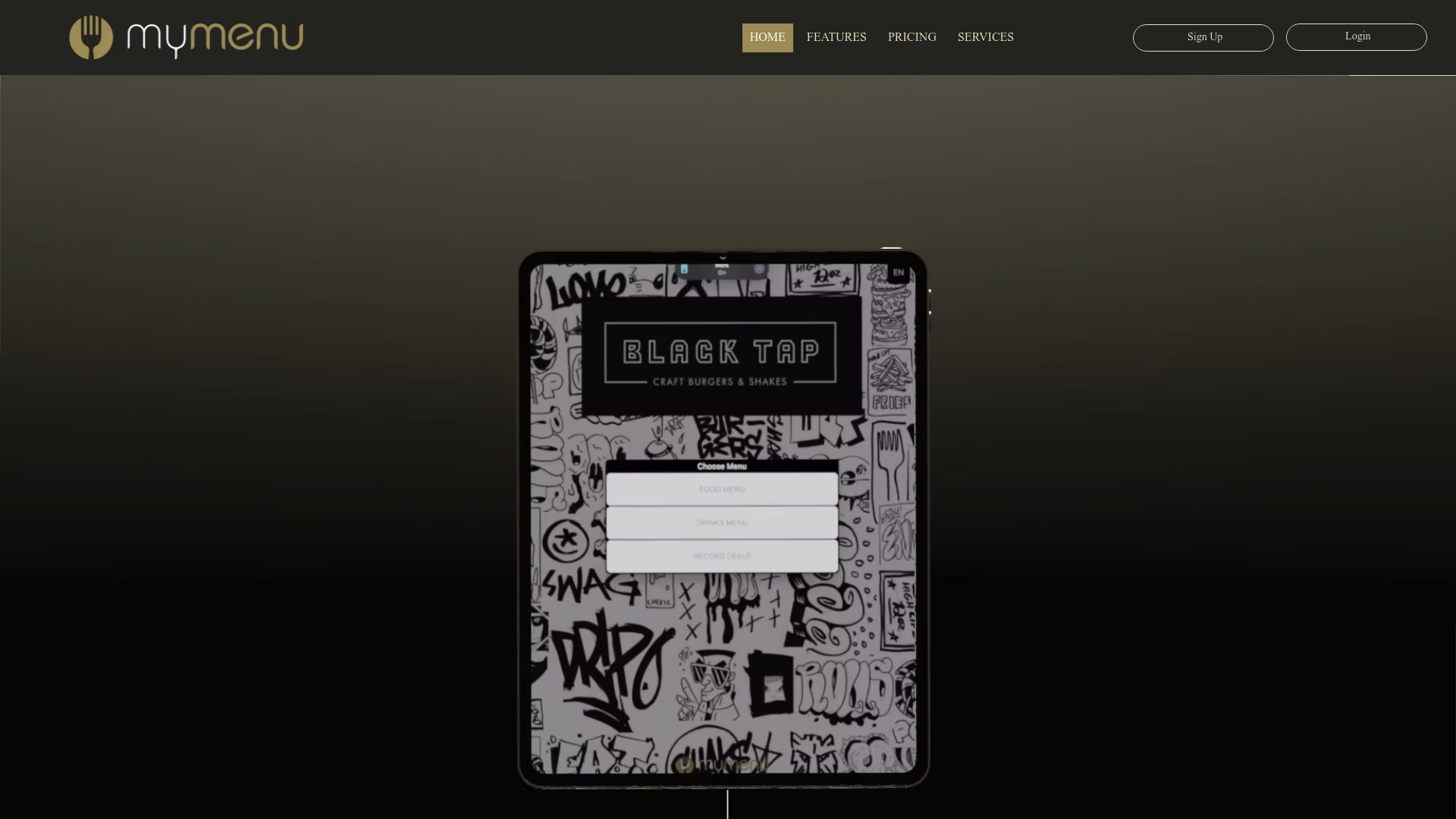
Venues wanting a premium tabletop presence alongside QR can add the Tablet Menu as a complementary touchpoint.
Hotels running both restaurant and room-service menus can pair the QR rollout with The Hotel App.
Compare the full plan lineup, including Silver, Gold, Platinum, and the higher tiers, on the pricing page to find the fit for your table count and feature needs.
Sources
FAQ
What’s the difference between NFC and QR code?
NFC uses a passive chip that a phone reads by tapping within a few centimeters, while a QR code is a printed barcode read by a phone’s camera from a short distance, according to Wikipedia’s NFC and QR code entries. Both typically open the same kind of hosted menu page once read.
What is the FBI warning about QR codes?
Security guidance warns that criminals place fraudulent stickers over legitimate QR codes to redirect victims to fake payment or phishing pages, a tactic known as quishing, as described by Is This QR Safe. A quick tactile check for overlay stickers and a glance at the URL before it loads catches most of these attempts.
What is NFC on a menu?
NFC on a menu means a small chip embedded in a table card or tag that opens a digital menu page when a guest taps their phone near it, without needing an app on most modern devices, per Wikipedia’s NFC overview. It’s often used at premium tables where a faster, tap-based experience fits the brand.
Can I make a QR code for a menu?
Yes, a QR code for a menu is a barcode that encodes a link to a hosted menu page, and tools like MyDigiMenu’s QR Menu generator create one without requiring any technical setup. Once generated, the code can be printed on table cards or signage for guests to scan with their phone camera.
Recommended
Comments