
US Restaurants: Compliant Tipping Settings With FLSA and Form 8027


Getting this configuration right protects guest trust, keeps your restaurant compliant, and still gives staff a fair shot at strong tip capture.
TL;DR:
Default tip options should start unselected and include visible custom-amount fields to prevent overstated gratuities and reduce complaints.
The tip prompt placement must vary by order type, showing on checkout for pickup, near payment for delivery, and during check request for dine-in, to avoid confusion.
Automatic service charges are wages subject to withholding and must be labeled separately from voluntary tips to ensure compliance.
Tips collected online require prompt redistribution and reconciliation before payroll, with clear documentation of pooling and distribution policies.
Regular testing, monitoring KPIs, and staff feedback help optimize tip prompts and prevent repetitive rejection or complaint patterns.
Table of Contents
Quick settings checklist: apply these today
Most digital ordering platforms let you configure tipping in minutes, but the defaults matter more than the software itself. Start here.
Offer three presets, typically 15%, 18%, and 20%, alongside a visible custom-amount field for guests who want to enter their own number.
Leave every tip option unselected when the screen loads. A pre-checked box quietly nudges guests into paying more than they intended, and it invites pushback.
Never set a forced minimum tip. Optional means optional, and any hint of a required gratuity should be labeled as a service charge instead.
Show the tip prompt once per order. If your point-of-sale terminal already asked at the counter, suppress the online prompt for that same transaction.
Write a one-page policy covering how tips are pooled, who owns distribution, and when payroll processes the funds.
Pro Tip: Test your tip screen the way a guest would, on a phone, in bad lighting, with one thumb. If the custom-amount field is hard to find, so is your revenue.
How tipping works across pickup, delivery, and dine-in
Where you place the tip prompt changes depending on how the guest is ordering, and getting the sequence wrong is the fastest way to create confusion or double charges.
For pickup orders, place the tip prompt on the checkout page before payment. If the guest will also face a card reader at the counter, suppress the online prompt so they are not asked twice.
For delivery, keep delivery fees and service fees visually separate from the voluntary tip line, and position the tip choice near payment confirmation, not buried earlier in the flow.
For dine-in and QR pay-at-table, present the tip screen at the moment the check is requested, using plain wording like “Add a tip?” rather than vague language, and keep the entire flow in a mobile browser so no app download interrupts the moment.
For mixed flows, such as a prepaid online order finished with a cash tip on delivery, add a short note confirming the online charge already excluded gratuity, so the guest knows a cash tip is still appropriate.
Our guide to payment flexibility in restaurants covers how to structure checkout screens so tipping choices stay clear across these channels.
Legal and tax compliance: FLSA, service charges, and Form 8027
Your tipping configuration has to sit inside a real legal framework, not just a UX preference. The Department of Labor is direct on this point: employers may not keep employees’ tips, and managers or supervisors must be excluded from any tip pool. That rule should shape how your platform routes funds, not just how your handbook reads.
Service charges are a separate category entirely. The IRS treats automatic service charges as wages, not tips, which means they are subject to standard withholding and do not qualify for the tip credit. If your online ordering system adds an automatic gratuity for large parties or catering, it needs its own label, distinct from the voluntary tip line.
Form 8027 is the next compliance checkpoint. Restaurants that meet the IRS definition of a large food or beverage establishment must file it annually, and the instructions for Form 8027 lay out three allocation methods: hours-worked, gross receipts, and a good-faith agreement among employees. If reported tips fall below a certain threshold of gross receipts as defined by the IRS, you may need to allocate additional tip income to staff for tax purposes.
A few operational habits keep this manageable:
Redistribute pooled tips promptly rather than letting them sit unreconciled between pay periods.
Keep a written log of pool percentages, eligible roles, and any good-faith agreement signed by staff.
Reconcile tip totals against payroll exports before each run, not after.
A significant share of surveyed diners reported being asked for a tip via touchscreen for takeout in the prior 30 days, according to Experian’s digital tipping survey. That volume of prompts is exactly why compliance and restraint have to work together.
UX and UI configuration: presets, defaults, and wording
The interface choices you make either protect guest goodwill or quietly erode it.
Never pre-select a tip percentage. Let the guest make an active choice every time.
Label optional charges as “tip” and mandatory ones as “service charge,” and show the full total, tip included, before the final payment step.
Use plain wording such as “Add a tip for your server?” instead of vague prompts, and make sure screen readers announce each option clearly with generous tap targets for mobile users.
On small-ticket orders like coffee or a single pastry, consider fixed-dollar suggestions ($1, $2, $3) instead of percentages, since 20% of a $4 coffee reads as an odd number.
For orders with no service component, such as a retail pickup, hide the tip prompt entirely rather than forcing an irrelevant choice.
Pro Tip: If a guest has to hunt for the custom-amount field, they’ll either overpay on a preset or skip the tip out of frustration. Put it in plain sight.
Operational routing and payroll: distributing tips and managing pools
Once tips are collected, how you move that money matters as much as how you asked for it.
Choose a routing model. Direct-to-individual works well for counter service where one employee handled the full transaction, pooled-by-shift suits teams that share serving duties, and a hybrid model splits a portion each way.
Set payroll timing. Transfer pooled funds to staff promptly and reconcile the total against your point-of-sale reports before each payroll run, not after.
Document the policy. Write down who is eligible, what percentage each role receives, and any exclusions, then have staff sign off if you are using a good-faith agreement for allocation.
Reconcile disputes quickly. When a server’s recorded tips do not match what they received, check the export against the payment processor’s settlement report first, since most mismatches come from delayed batch transfers rather than missing funds.
Measure and iterate: KPIs, A/B tests, and tipping fatigue
Treat your tip settings as something to monitor, not something to set once and forget.
Track tip conversion rate, average tip percentage, cart abandonment on the payment screen, and any guest complaints that mention tipping.
Run one variable at a time: test preset percentages, the default selection state, prompt placement, or whether the custom-amount field is expanded by default.
Watch for negative signals like a jump in abandoned carts right at the tip screen or repeated complaint mentions, and give any test at least two to three weeks before drawing conclusions.
Ask staff directly whether guests are commenting on the tip prompt, since frontline feedback often surfaces problems before the data does.
How MyDigiMenu approaches tipping flows
Tip totals export alongside order data so managers can reconcile pools against payroll without manual entry. A practical go-live checklist: brief staff on the new prompt wording, run a handful of test orders across pickup and dine-in flows, then walk through one full reconciliation cycle before opening to guests.

What most restaurants get wrong about tipping prompts
The most common mistake is not the tip amount at all. It is leaving a box pre-checked and assuming guests will not notice. They notice, and it shows up in complaints and chargebacks more than in extra revenue. A fast fix worth trying this week: switch every tip default to unselected and make sure the custom-amount field is visible without scrolling. Restaurants that make this one change tend to see complaints drop with barely any change in average tip.
— Abhi
Put these settings live with MyDigiMenu
Configuring compliant tipping across pickup, delivery, and dine-in takes more than a checkbox in your point-of-sale system, and that is where a purpose-built ordering platform earns its keep. MyDigiMenu’s QR and no-app checkout pages carry optional tip presets, custom-amount fields, and separate service-charge labeling out of the box, with tip data exportable directly for payroll reconciliation.
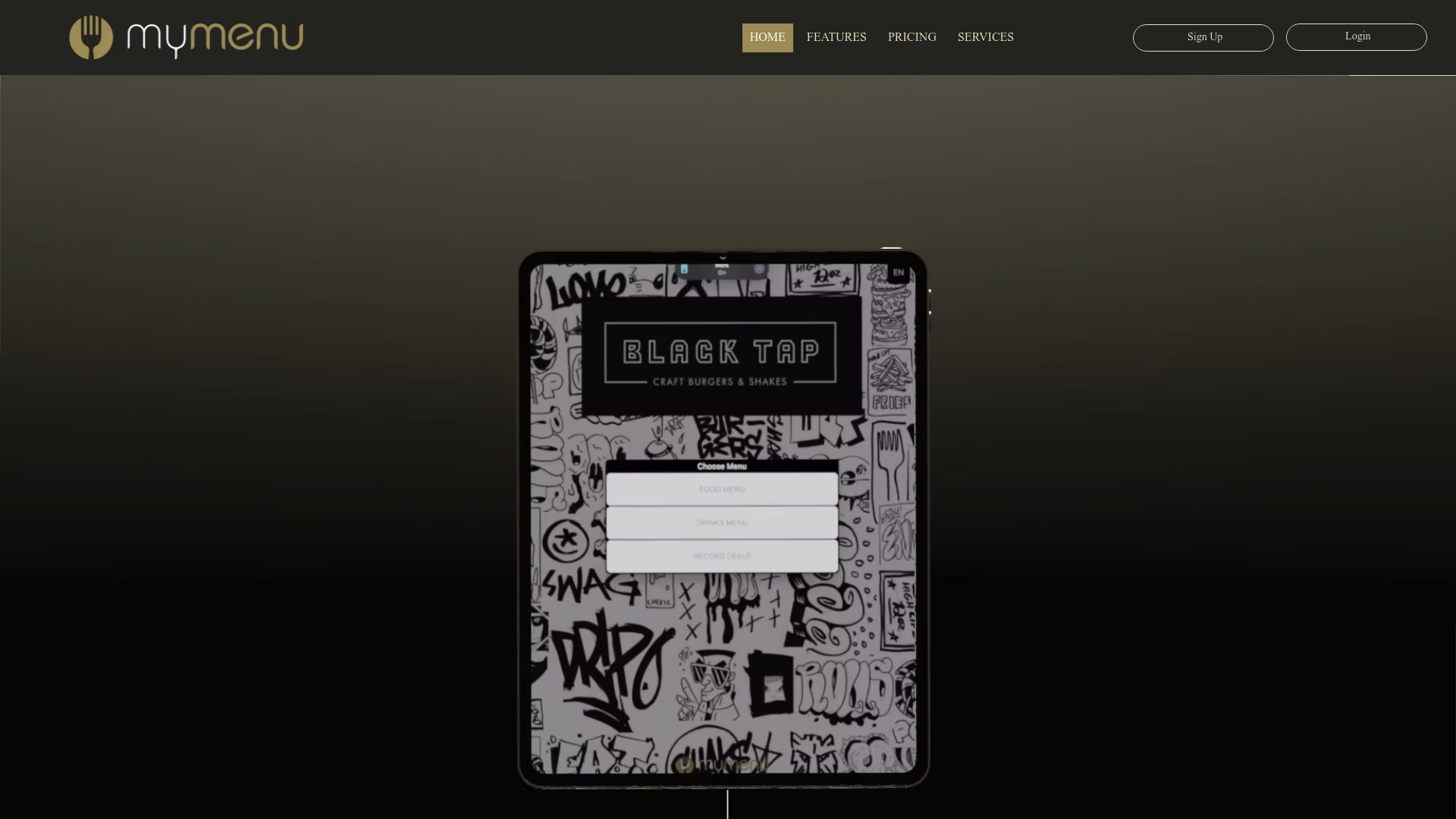
If you book a walkthrough, ask specifically about tip routing rules, pool eligibility settings, export formats for your payroll provider, and sample messaging templates for staff. Plans start with StartUp Menu at $39 per month, scaling up through Gold Menu, Platinum Menu, and Diamond Menu for restaurants that need deeper POS and delivery integrations. Full plan details and pricing are on the MyDigiMenu pricing page, and dine-in operators building a pay-at-table flow may also want to look at the Tablet Menu or QR Menu product pages before booking a demo.
This article is general information, not a substitute for advice from a qualified lawyer. Consult a qualified legal professional about your own circumstances before acting on anything here.
Sources
FAQ
What is the 30/30/30 rule for restaurants?
This isn’t a standard tipping or payroll rule recognized by the Department of Labor or IRS, and definitions vary widely depending on the source. If you’ve seen it referenced for cost structure or menu pricing, it typically has nothing to do with configuring tip settings and shouldn’t guide your compliance decisions.
Should I tip if I order online?
Tipping for online orders is voluntary and depends on the service involved, such as whether staff are preparing, packaging, or delivering the order.
How much should you tip on a $500 bill at a restaurant?
The right amount still comes down to guest preference and service quality, since tipping remains voluntary rather than fixed.
What percentage should servers tip out?
Tip-out percentages vary by restaurant policy and role, and there’s no single legal standard dictating the split. Whatever percentage a restaurant sets, the Department of Labor requires that managers and supervisors be excluded from the pool and that employers never keep a portion of employee tips.
Recommended
5 Letter Words
offer a balanced search space
Clear guidance on tipping settings is helpful for restaurant operators, and after reading through it, Slope 2 is a fun way to take a quick break.