
Must-have restaurant features for seamless guest experiences
- Abhi Bose
- Mar 30
- 8 min read

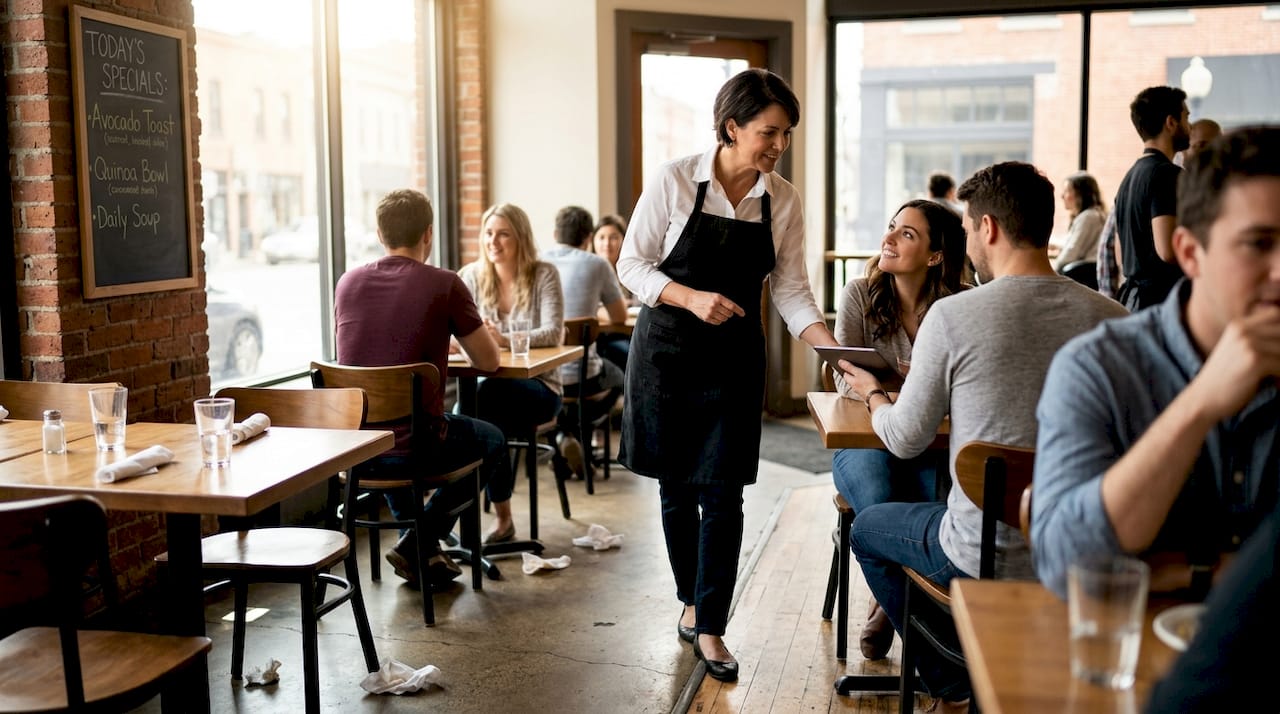
Picking the right technology for your restaurant feels a lot like building a menu from scratch: too many options, too little guidance, and the stakes are high. Get it right, and you transform every table into a seamless, memorable experience. Get it wrong, and you end up with a fragmented tech stack that frustrates staff and alienates guests. The good news is that a clear framework exists for evaluating which features genuinely move the needle on guest satisfaction and operational efficiency. This article walks you through the must-have features, compares your options, and gives you practical guidance for making confident decisions.
Table of Contents
Key Takeaways
Point | Details |
Guest-centric solutions | Feature choices should address both tech-savvy and traditional diners for best results. |
Integrated platforms matter | Avoiding data silos ensures smoother operations and better staff adoption. |
Loyalty impacts revenue | Mobile loyalty programs can increase guest spending by up to 92%. |
Hybrid models maximize reach | Offering digital alongside paper options ensures all guests are comfortable and included. |
Direct ordering protects margins | In-house ordering systems avoid 15-30% third-party commissions, boosting profitability. |
Evaluating must-have restaurant features: The new criteria
Before you invest in any new platform, you need a solid set of evaluation criteria. The best restaurant technology serves two masters at once: your guests and your operations. That means prioritizing features that accelerate order speed, deepen guest engagement, improve retention, and adapt gracefully to guests of all ages and comfort levels with technology.
One of the most common pitfalls is building a fragmented tech stack where your POS, loyalty program, and online ordering system never talk to each other. Integrated platforms help avoid data silos, which affect 32% of operators, and a cloud-hybrid POS setup is widely recommended for reliability and flexibility. When evaluating platforms, look for solutions that consolidate functions rather than multiply them.
It is also worth remembering that technology should augment your team, not replace them. Staff who feel empowered by their tools deliver better hospitality. Involving frontline employees in the selection process dramatically improves adoption rates and surfaces practical concerns before they become expensive problems. Operators who want to digitalize restaurant operations successfully know that people and platforms must work in harmony.
Guest engagement: Does the feature create meaningful interactions or just automate transactions?
Order speed: Does it reduce wait times without sacrificing accuracy?
Retention tools: Does it capture guest data to enable personalized follow-up?
Adaptability: Does it serve both tech-savvy millennials and guests who prefer low-tech options?
Integration: Does it connect cleanly with your existing systems?
Pro Tip: Always involve frontline staff in feature selection. Their daily experience reveals friction points that managers and vendors often miss entirely.
With clear criteria in mind, let’s look at the key features that drive results.
Digital menus: Options for every guest
Understanding menu presentation choices is the foundation for guest-friendly ordering. The digital menu landscape has matured significantly, and today you have three primary formats to consider: QR code menus, tablet or iPad menus, and full kiosk setups. Each has genuine strengths, and the smartest operators use a hybrid approach.
QR code menus are fast to deploy, cost-effective, and beloved by tech-savvy guests who want to browse at their own pace. However, a significant portion of your guests may resist them. 64% of consumers avoid personal phone QR scans, preferring kiosks or tablets instead. That statistic alone should give any operator pause before going QR-only.
“64% of consumers avoid scanning QR codes on their personal phones, favoring shared kiosks or tablets for a more comfortable ordering experience.”
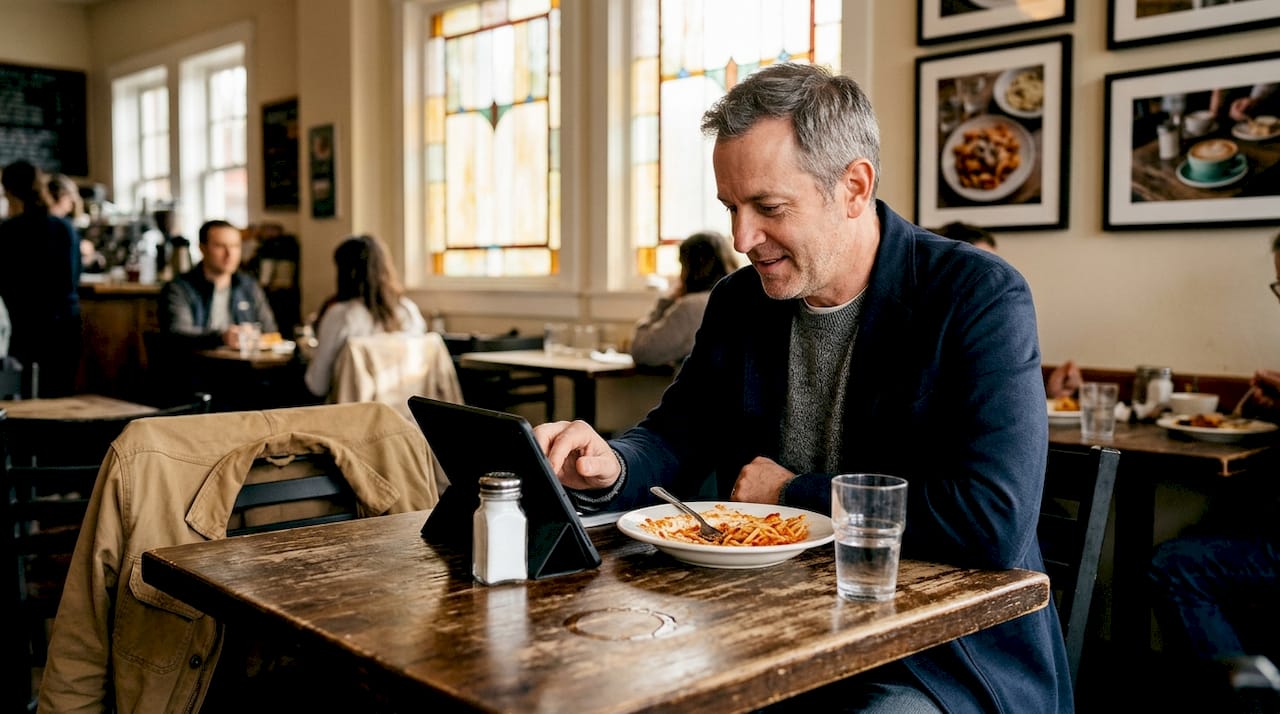
Tablet menus solve this problem elegantly. A well-designed tablet menu solution placed at each table gives guests a familiar, intuitive interface without requiring them to touch their own devices. Research on consumer vs operator tech views consistently shows that guests value comfort and ease above novelty. Good menu design best practices apply equally to digital formats: clear photography, logical flow, and smart upsell placement.
Pros and cons of each menu type:
QR code menus: Low cost, easy to update, no hardware required. But they exclude guests without smartphones or data plans, and many guests simply dislike using personal phones at the table.
Tablet menus: Inclusive, visually rich, and great for upselling with video content. Hardware costs are higher, and tablets require maintenance and charging routines.
Kiosk menus: Ideal for quick-service formats, reduce queue times dramatically. Require significant floor space and upfront investment.
Hybrid models: Combine QR and tablet options to serve all guest segments. Slightly more complex to manage but deliver the broadest satisfaction.
Understanding the tablet menu system benefits helps you see why many full-service restaurants are moving toward tablet-first strategies with QR as a secondary option.
Order processing: Streamlined and flexible solutions
Once menus are guest-friendly, get orders processed promptly and reliably. Fast, accurate order processing is the engine beneath every great dining experience. Guests notice delays. They also notice when their order arrives exactly right, exactly on time.
Direct ordering protects margins from third-party commissions that typically run between 15% and 30% of each transaction. That is a significant slice of revenue that stays in your pocket when guests order directly through your platform. Beyond the financial benefit, direct ordering gives you full control over the guest data, the upsell flow, and the overall experience.
Cloud-hybrid POS systems add another layer of resilience. Unlike purely cloud-based systems that go dark during internet outages, a cloud-hybrid setup continues processing orders locally and syncs when connectivity returns. For a busy Friday night service, that reliability is priceless.
Core steps for streamlining order processing:
Audit your current order flow to identify bottlenecks between guest, server, and kitchen.
Implement a direct ordering channel through your digital menu platform to capture margin and data.
Integrate your POS with your digital menu so orders flow automatically without manual re-entry.
Use a cloud-hybrid POS to ensure uptime during connectivity disruptions.
Monitor order accuracy rates weekly and adjust menu layout or item descriptions to reduce errors.
Exploring streamlining ordering workflow strategies and digital table ordering options can help you map out the right sequence for your specific setup. The CRM software benefits that flow from integrated ordering data are also substantial, setting the stage for the next layer of guest engagement.
CRM and loyalty: Personalization for guest engagement
A reliable ordering system lays the groundwork for powerful guest engagement strategies. Knowing who your guests are, what they love, and when they last visited transforms your marketing from guesswork into precision. That is exactly what a well-integrated CRM delivers.
CRM features increase retention by 10%, mobile loyalty members spend 92% more than non-members, and AI-powered recommendations boost average order value by 18% to 26%. Those numbers represent real revenue, not theoretical projections.
Feature | Impact on key metric | Guest segment benefiting most |
Guest profile capture | +10% retention rate | Repeat diners |
Mobile loyalty program | +92% spend per visit | Frequent guests |
AI-powered recommendations | +18-26% average order value | All segments |
Targeted marketing campaigns | Higher campaign ROI | Lapsed guests |
Digital stamp cards | Increased visit frequency | Casual diners |
Personalized recommendations feel like attentive service, not surveillance, when done well. A guest who always orders vegetarian dishes should never see a steak promotion. That level of relevance builds genuine loyalty. Pairing your CRM with table management apps also allows you to connect reservation data with guest preferences for a truly seamless arrival experience.
Pro Tip: Leverage AI-powered menu recommendations to increase check value organically. Guests respond positively to suggestions that feel relevant to their tastes, not generic upsells.
Comparison of must-have restaurant features
With each feature explained, compare their effectiveness for various scenarios. The table below brings together the major feature categories and shows which guest segments and restaurant types benefit most.
Feature | Primary benefit | Best for | Guest segment |
QR code menu | Low cost, fast updates | Casual, fast-casual | Tech-savvy guests |
Tablet menu | Inclusive, visually rich | Full-service, fine dining | All ages |
Direct ordering | Margin protection | All formats | All guests |
Cloud-hybrid POS | Uptime reliability | High-volume venues | Operations team |
CRM and loyalty | Retention and spend | All formats | Repeat guests |
AI recommendations | Higher order value | Full-service, delivery | All segments |
73% of diners report improved experience with restaurant technology, which confirms that investment in these features pays off in guest perception. The hospitality tech impact research also shows that operators who combine multiple features see compounding benefits rather than isolated gains.
Hybrid solutions consistently outperform single-format approaches because they serve the full spectrum of guest preferences. Reviewing digital menu layout examples can spark ideas for how to present your offerings across both QR and tablet formats without duplicating effort.
Top recommendations by restaurant type:
Quick-service restaurants: Prioritize kiosk ordering, direct ordering integration, and loyalty stamp cards.
Casual dining: Lead with tablet menus, QR as backup, and CRM-driven marketing campaigns.
Fine dining: Focus on tablet menus with rich media, AI recommendations, and reservation-linked guest profiles.
Cafes and bars: QR menus work well here; pair with loyalty programs to drive repeat visits.
Making the right choice: Situational recommendations
Now, it’s time to tailor these features to your specific needs. No two restaurants are identical, and the best feature set for a high-volume quick-service location looks very different from what a boutique fine dining room requires. The key is matching technology to context rather than chasing every trend.
Prioritizing integrated platforms prevents the data silos that plague operators who bolt on disconnected tools over time. Integration is not glamorous, but it is foundational.
Feature priorities by restaurant format:
Quick-service: Speed is everything. Invest in kiosk ordering, direct online ordering, and a cloud-hybrid POS first.
Casual dining: Balance is key. Tablet menus with QR backup, CRM integration, and a loyalty program form a strong core.
Fine dining: Experience is the product. Tablet menus with video content, reservation-linked guest profiles, and AI recommendations elevate every visit.
Cafes and bars: Simplicity wins. QR menus, digital stamp cards, and targeted promotions keep costs low and guests engaged.
Hotels and multi-venue operators: Multilingual support, multi-currency payment options, and centralized CRM become critical at this scale.
Pro Tip: Always pilot digital solutions with a small group of tables or a single shift before a full rollout. Real-world feedback from guests and staff will surface issues that no demo ever reveals.
For operators focused on boosting guest engagement, the combination of tablet menus, direct ordering, and a CRM-backed loyalty program delivers the strongest results across nearly every restaurant format.
Upgrade your restaurant’s guest experience with digital tools
The features covered in this article are not distant aspirations. They are available, proven, and deployable right now. MyDigiMenu.com brings together everything discussed here into one intuitive platform built specifically for the hospitality industry.
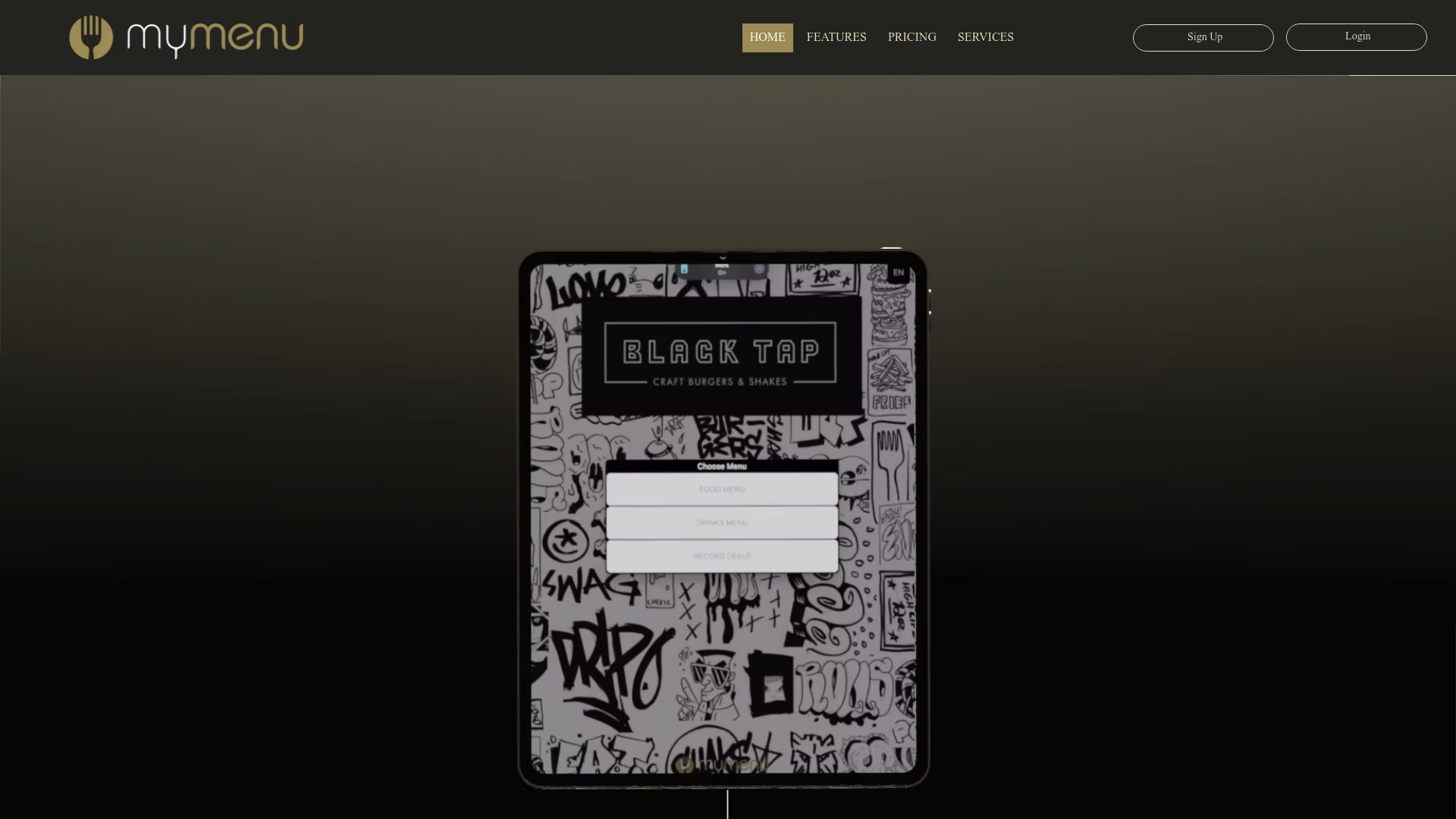
From restaurant digital tablet menus that delight guests of every age to QR menu solutions that speed up service for tech-savvy diners, MyDigiMenu.com supports hybrid models that maximize satisfaction across your entire guest base. The platform also handles online delivery integration, CRM, loyalty programs, and multilingual support, so you can grow without adding complexity. A dash of digital truly can turn everyday service into extraordinary memories, and MyDigiMenu.com is designed to make that transformation as smooth as possible for your team and your guests.
Frequently asked questions
How do digital menus impact guest experience?
73% of diners report improved experience with restaurant technology, and digital menus drive that improvement by speeding up ordering and reducing errors. Hybrid options that combine QR and tablet formats ensure accessibility for guests of all comfort levels with technology.
Are tablet menus better than QR code menus?
Neither format wins outright on its own. 64% of consumers avoid personal phone QR scans, which makes tablet menus the more inclusive choice, but a hybrid approach that offers both options typically delivers the highest overall guest satisfaction.
What’s the ROI of CRM and loyalty features in restaurants?
CRM improves retention by 10% and mobile loyalty program members spend up to 92% more per visit than non-members. AI-powered recommendations layer on top of that by boosting average order value by 18% to 26%.
Should small restaurants invest in integrated tech platforms?
Integrated platforms prevent data silos, a challenge that affects 32% of operators regardless of size. For small restaurants especially, a single connected platform reduces administrative burden and gives owners a clearer picture of their business without juggling multiple dashboards.
Recommended
Comments