
Top 3 Instalacarte.com Alternatives 2026
- Abhi Bose
- 11 minutes ago
- 9 min read

Finding digital menu and ordering software that supports both easy integration and cost transparency is still a pain for restaurant operators. Many platforms demand direct sales calls for pricing or hide advanced features behind higher tiers, making it hard to plan budgets and rollout. This comparison shows pricing, integration flexibility, and scale support so restaurant chains, cafes, and franchise groups can pick a better fit than instalacarte.com.
Table of Contents
Touchpoint OmniFusion™
At a Glance
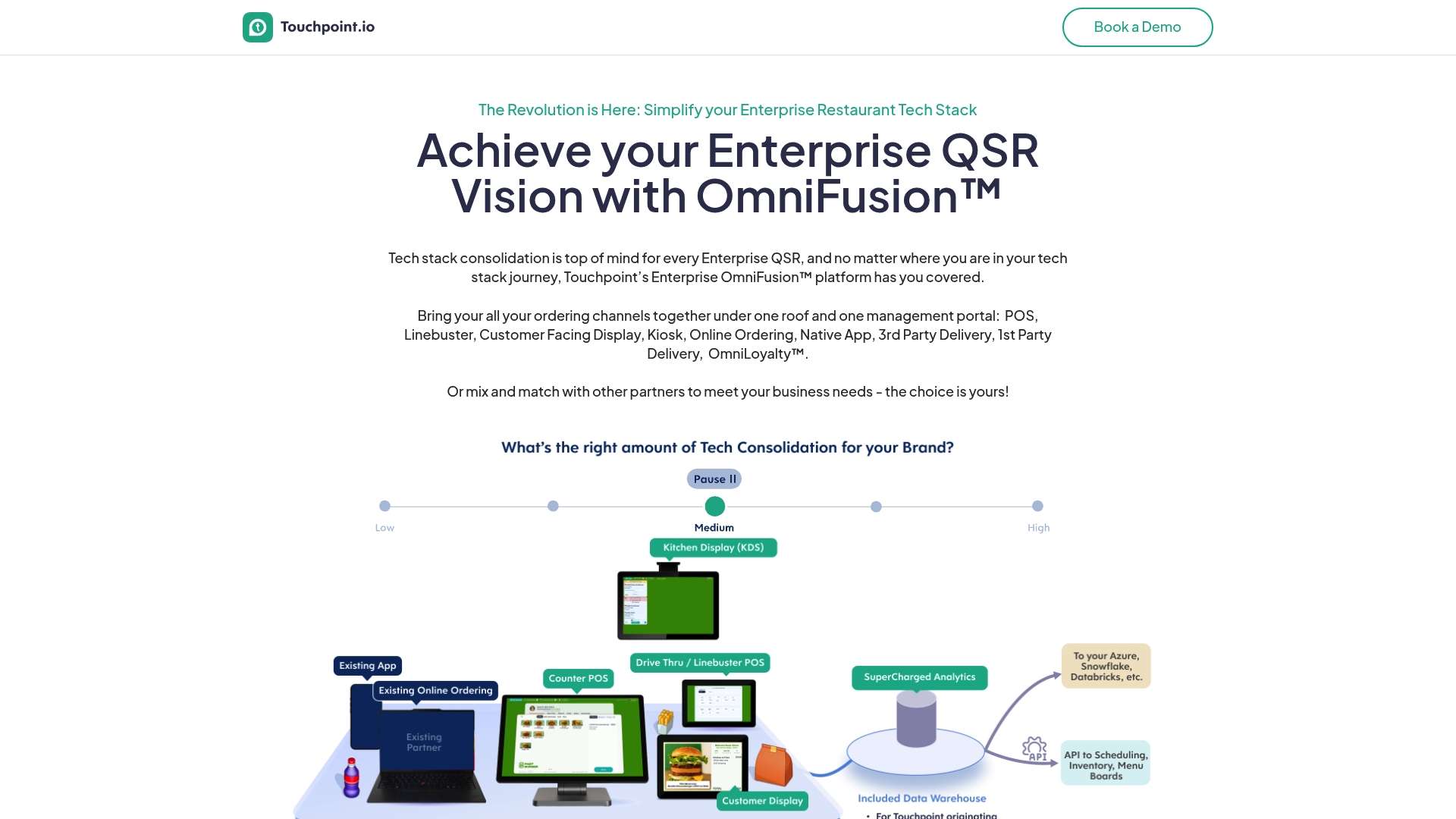
The vendor advertises 5X redundancy and 99.95% uptime. Touchpoint OmniFusion™ targets large-scale QSRs and multiunit restaurant groups worldwide. It brings ordering, loyalty, reporting, and IT management into a single management portal for enterprise operators.
Core Features
A unified management portal centralizes customer touchpoints and lets operators manage menus, promotions, and reporting from one console. Native omni channel ordering, loyalty, marketing automations, and reporting run alongside open APIs for POS, loyalty, and delivery integration. Hardware reuse options allow operators to upgrade software while keeping existing terminals and lowering capital expense.
Key Differentiator
Open APIs and hardware reuse options form the product’s distinctive angle. The open APIs let teams connect existing POS, loyalty, and delivery partners without replacing backend systems. Hardware reuse lets operators extend terminal life and reduce upfront upgrade costs. That mix supports phased rollouts across hundreds of locations and preserves prior investments.
Pros
The platform supports flexible integration with existing partners through open APIs, which reduces the need to rip and replace core systems. Its feature set covers operations, marketing, IT, and analytics in one portal, so teams can manage campaigns and reporting from a single console. The vendor reports the availability figures above, which if realized, help keep stores online across regions and minimize downtime.
Cons
Limited details on third party hardware support. Buyers must verify hardware compatibility before committing.
Complex onboarding and implementation. Deployments often require dedicated vendor support and operator training.
Support excludes third party network and hardware issues. Customers remain responsible for those components.
When It May Not Fit
Operators without suitable existing hardware will see higher total cost of ownership. Small groups without in house IT resources may find the implementation demands heavy. Organizations that require vendor management of third party networks and devices should consider alternatives.
Who It’s For
Large restaurant chains, franchise groups, and enterprise QSR operators with multiple locations and internal IT teams. Multiunit operators planning phased rollouts will benefit from the hardware reuse and API strategy. Teams that need consolidated reporting and centralized marketing controls gain the most from this approach.
Real World Use Case
A national fast food franchise consolidated varied POS systems across a thousand locations and integrated third party online ordering and delivery. The rollout reused existing terminals to cut upgrade costs and standardized loyalty and reporting. Executive teams now access centralized analytics and push marketing updates from one portal.
Pricing
Pricing is not published. The vendor lists pricing as informational only. Operators must request a custom quote based on location count, integration scope, and managed services.
Website: https://touchpoint.io
Menu Tiger
At a Glance
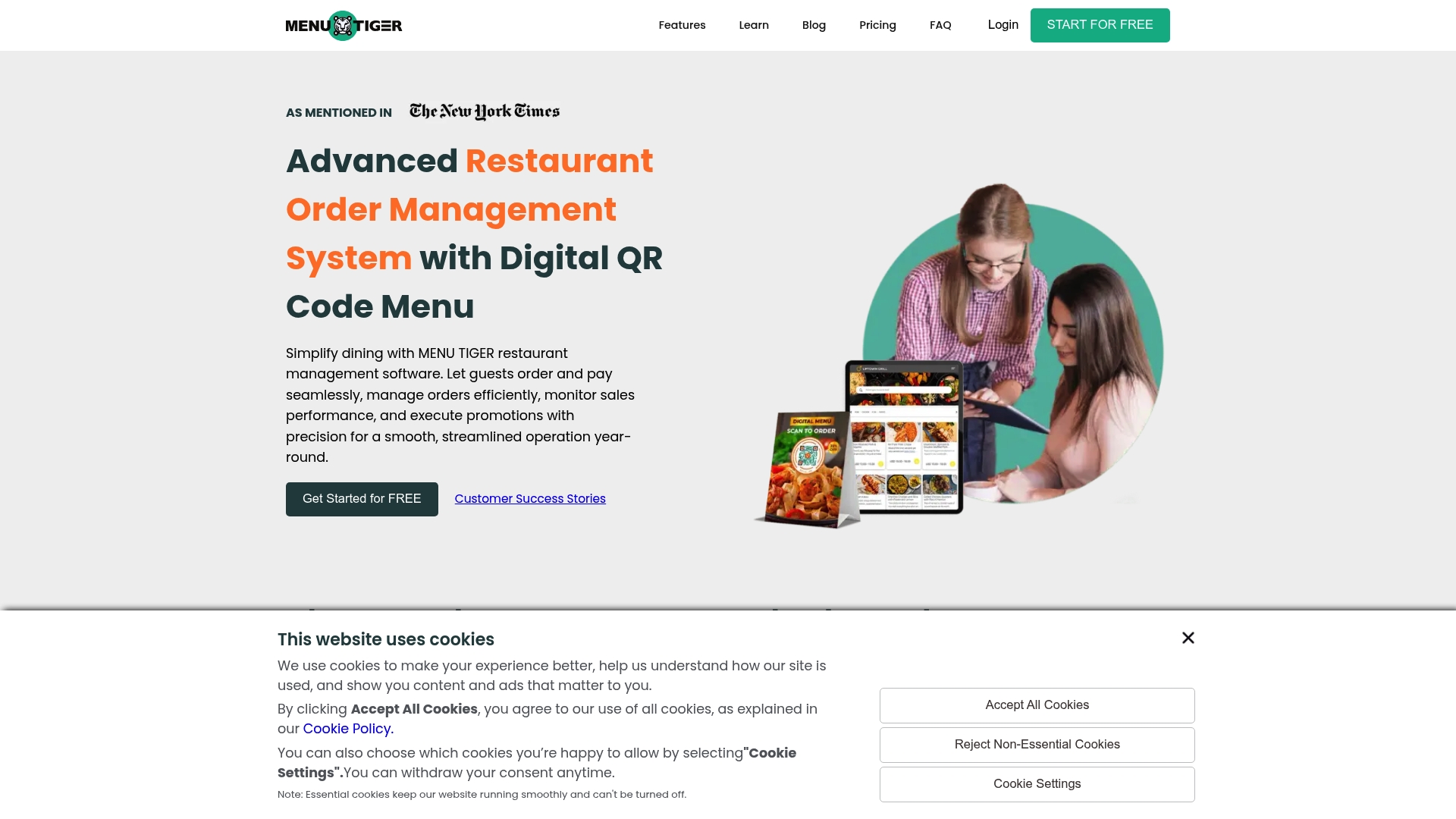
Menu Tiger reports a 20% increase in order size for a cafe after switching to QR code menus. The vendor positions the platform as a single system that handles digital menus, online ordering, analytics, and marketing. Pricing includes a freemium tier and paid plans that start at $17/month.
Core Features
Menu Tiger combines digital QR code menu creation with online ordering and payment processing while supporting real time menu updates. The platform captures sales and revenue analytics and collects customer feedback through surveys and multilingual menus. It also includes staff and table management, printer support, promotions, and connections to POS and payment gateways.
Key Differentiator
Menu Tiger groups menu editing, marketing tools, analytics, and POS integration in one interface tailored for restaurants. That approach keeps menu changes and promotions under a single dashboard for staff and managers. The platform targets venues that want ordering and back end management without stitching multiple vendors together.
Pros
The interface is user friendly and setup is straightforward, which shortens staff training and speeds launch. Contactless ordering and multilingual support improve guest accessibility while analytics help refine menu mix and pricing. Free templates and low entry pricing reduce upfront expenses for cafes, food trucks, and single site restaurants.
Cons
Limited features on the free plan. Advanced features require paid subscriptions.
Some integrations such as POS and Canva are not available on every plan.
More suited for small to medium sized restaurants than very large venues.
When It May Not Fit
Large restaurant chains needing enterprise level scale may find Menu Tiger restrictive. Features like custom domain and full POS connectivity sit behind higher priced plans. Operations that require heavy customization or formal enterprise service level agreements should evaluate enterprise class vendors.
Notable Integrations
PayPal
Stripe
Loyverse
Adyen
Zapier
Canva
Who It’s For
Owners and managers of small to medium sized restaurants who want QR menus and integrated ordering will find Menu Tiger practical. Cafes, food trucks, and fast casual outlets get quick setup and low cost entry. Multi location operators with modest integration needs can use it, but very large operations may outgrow the feature set.
Real World Use Case
A cafe switched to QR code menus and used Menu Tiger to run promotions and capture guest feedback. That example produced larger orders and more actionable feedback according to the vendor. The cafe also reduced printing costs and simplified order handling during peak shifts.
Pricing
Menu Tiger offers a freemium plan at $0 with basic features. Paid plans start at $17/month for regular, $46/month for advanced, and $119/month for premium. Higher tiers unlock custom domain options and broader POS integration.
Website: https://menutiger.com
Ai-Menu
At a Glance
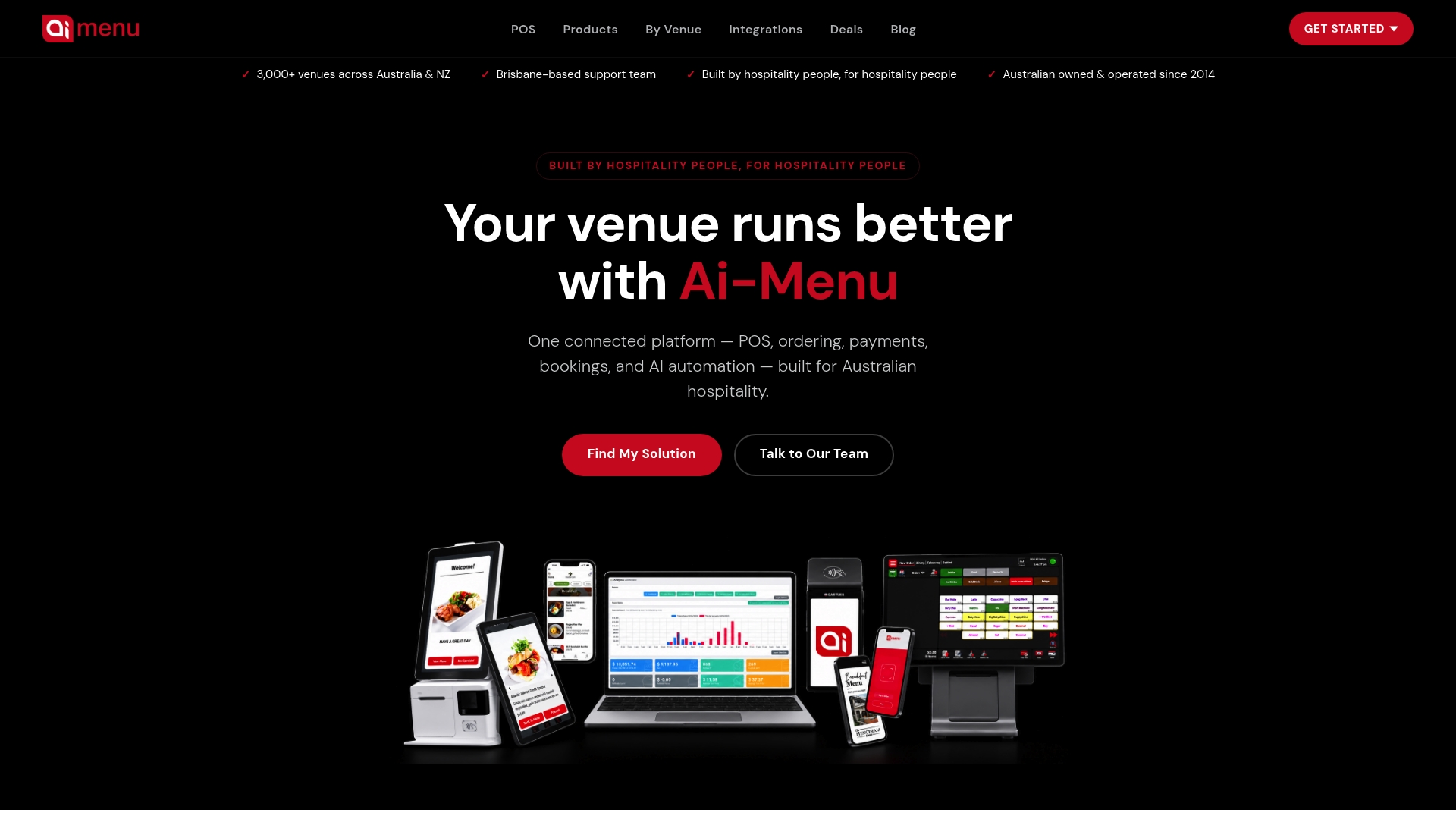
Ai-Menu reports more than 3,000 venues across Australia and New Zealand. That reach reflects a platform focused on local hospitality needs and support. The company traces its roots to 2014 and emphasizes AI-driven tools inside its POS.
Core Features
Ai-Menu combines POS, ordering, payments, bookings, and AI automation into a single environment that runs on tablets, kiosks, QR menus, and online channels. The system includes a kitchen display system called Ai-Bump and real-time reporting with staff management and customer data ownership. Built-in AI tackles menu engineering, sales analysis, and automated pricing adjustments to reduce manual work for managers.
Key Differentiator
Ai-Menu integrates AI directly into the POS so pricing, menu recommendations, and operational rules update inside the same system. That approach targets venues that want analytics and automation without piecing together separate products. The solution also concentrates on Australian and New Zealand compliance and local service.
Pros
Ai-Menu reports an average profit increase of 146% for clients, a self-reported result the vendor presents as a typical outcome. The platform offers multiple ordering paths including tablets, kiosks, QR menus, and online storefronts, which helps shorten table turns and reduce queue time. Local support and a hospitality-trained team help with rollout and day-to-day problem solving for venue operators.
Cons
Setup and integrations can feel complex for very small venues. This may extend time to live.
The platform includes more features than a simple cafe may need, which can lead to underuse. Smaller teams may not extract full value.
Pricing is not publicly listed and often requires a direct demo or consultation to clarify costs and licensing.
When It May Not Fit
Ai-Menu may not fit venues that lack basic network infrastructure or tablet readiness. Very small operators who prefer minimal tooling will likely find the feature set excessive. Buyers seeking transparent, self-serve pricing will need to budget time for sales calls and demos.
Notable Integrations
Ai-Menu integrates with delivery and back office systems including Deliverect, Xero, MYOB, Zoho Inventory, Tanda, Deputy, ClickSend, and RMS. These connectors allow orders and financials to flow into existing accounting and workforce systems.
Who It’s For
This product suits hospitality venues across Australia and New Zealand that want a unified, AI-enabled POS and management ecosystem. Restaurants, pubs, hotels, and larger cafes that plan to use digital menus, kiosks, and staff rostering will get the most from the platform.
Real World Use Case
According to the company, a Brisbane restaurant doubled sales within a week after adopting Ai-Menu, citing faster service and fewer errors. That case shows how combining kiosks, tablet ordering, and kitchen displays can change throughput and staffing needs quickly.
Pricing
Pricing details are not listed openly and appear to require direct engagement or a demo to obtain accurate figures. Vendors typically tailor quotes by venue size and required modules. Prepare to discuss hardware, integration, and ongoing support when requesting prices.
Website: https://ai-menu.com
Comparison of alternatives
Hospitality venues evaluating digital menu solutions encounter varying balances between features, scalability, and accessibility. By examining the offerings from Touchpoint OmniFusion™, Menu Tiger, and Ai-Menu, unique advantages and trade-offs emerge for operational types among restaurants and service venues.
Manageability across scales
Touchpoint OmniFusion™ demonstrates a distinct advantage in servicing large-scale restaurant chains or multiunit establishments. Its open APIs and hardware reuse options provide phased deployment across numerous locations while preserving equipment investments. The feature set, including omni channel marketing and IT management, caters specifically to operators managing extensive venues. However, the complexity of onboarding along with vendor-dependent setup processes primarily suits organizations equipped with internal IT teams or those directly engaging manufacturer support.
Menu Tiger excels with its freemium entry tier and straightforward setup, ideal for cafes and food trucks seeking fast implementation alongside cost-efficiency. Its approach tightly integrates menu editing, ordering, and analytics, streamlining daily management for smaller restaurants. On the other hand, larger venues operating across multiple sites or requiring advanced customization might find the feature set insufficiently scalable.
Technological enhancement and analytics depth
Ai-Menu wins in its unique AI-powered analytical enhancements tailored towards optimizing menus, pricing, and operational workflows. Hospitality groups aiming for sophisticated automation through AI analysis will significantly benefit from its integrated tools facilitating sales and menu recommendations. Nonetheless, the extensive features may overwhelm smaller cafes or hinder operators with limited resources for engaging a detailed implementation process.
Best fit
Multiunit restaurant chains seeking scalable omni channel controls and flexible hardware integrations will benefit from Touchpoint OmniFusion™, especially when managing phased asset deployment.
Smaller cafes or food trucks requiring minimal setup and low-cost operational tools will find Menu Tiger’s accessible entry tier and QR menu creation.
Venues prioritizing advanced AI for menu optimization and operational streamlining capabilities should evaluate Ai-Menu.
Our pick
For hospitality venues balancing guest ordering simplicity alongside scalable analytics and multilingual options, mydigimenu.com emerges strongly. Its tailored focus on enhancing operational reporting while keeping setup accessible makes it versatile for diverse service venues. However, organizations preferring AI analysis should consider Ai-Menu, providing tools for advancing operational efficiency through predictive analytics.
Digital menu and ordering solutions differ in features and integrations, making it crucial to assess their fit for venues of varying sizes and operational complexity.
Product Name | Main Feature | Best for | Pricing | Limitation |
Mydigimenu | Scalable online ordering system | Multi-location restaurant operators | Price not published | Requires modern infrastructure to fully utilize |
Touchpoint OmniFusion™ | Unified omni-channel management | Large-scale enterprise restaurants | Price not published | Complex onboarding process with training needs |
Menu Tiger | QR code menu with analytics | Small to medium-sized venues | $0 (freemium), plans from $17/month | Limited features in the free tier |
Ai-Menu | AI-driven POS and management | Australian and New Zealand hospitality venues | Price not published | Initial setup complexity for smaller venues |
Choosing the Right Instalacarte.com Alternative for Your Restaurant Group
Large restaurant chains and multiunit operators often face tough choices when upgrading their menu technology. Challenges include managing contactless ordering, boosting guest engagement, and integrating with existing POS and loyalty systems. Many instalacarte.com alternatives may fall short on one or more of these aspects, especially for venues needing multilingual support, customizable layouts, or digital loyalty programs.
Mydigimenu addresses these challenges with a digital menu platform tailored for restaurants, cafes, bars, and hotels. It offers QR code menus, mobile and tablet menus that require no app downloads, and an intuitive online ordering system. With rich food videos, guest profile capture, and multiple payment options including cryptocurrencies, Mydigimenu helps large enterprises create plush, mouthwatering browsing experiences while increasing operational efficiency.
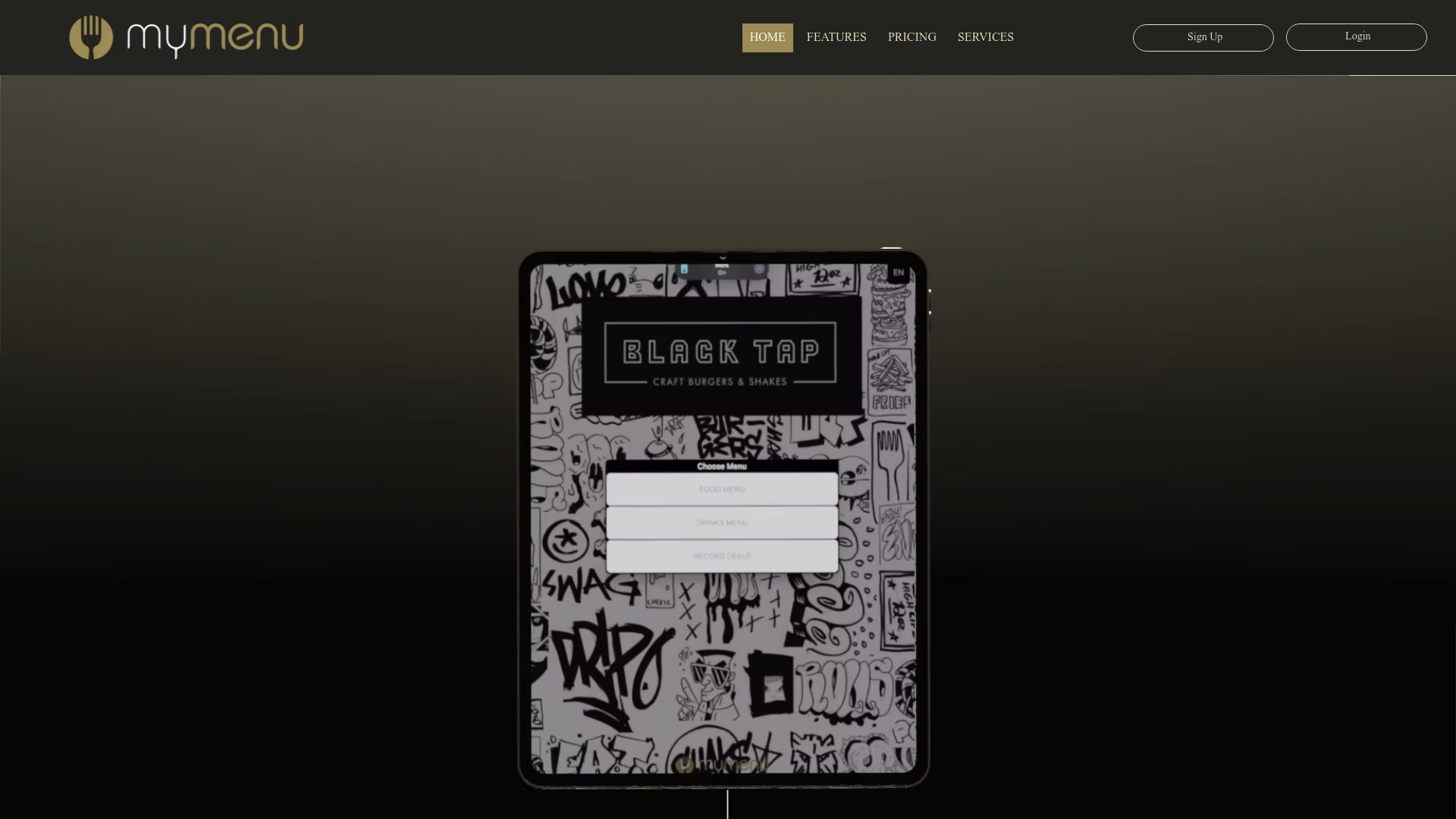
Explore Mydigimenu to align your multiunit operations with solid marketing campaigns, centralized customer insights, and smooth POS integrations. Request a demo and begin enhancing guest engagement and contactless ordering in all your locations.
FAQ
What pricing options does Mydigimenu offer?
Mydigimenu provides flexible pricing plans that start at $17/month for their advanced features. This offers operators a cost-effective solution for managing digital menus and ordering systems, making it accessible for various business sizes.
How does Mydigimenu compare to Menu Tiger?
Menu Tiger is designed for small to medium-sized restaurants with a user-friendly interface and straightforward setup. Mydigimenu, however, excels in accommodating larger operations needing robust features for multi-unit management, making it ideal for extensive restaurant chains.
What features does Mydigimenu provide for order management?
Mydigimenu offers advanced order management capabilities, including real-time updates and analytics, enhancing operational efficiency. This means that teams can track sales data and customer preferences effectively, enabling better menu management and marketing strategies.
Can I use Mydigimenu if I need extensive POS integration?
Mydigimenu supports open APIs, allowing seamless integration with existing POS systems, which is crucial for many operators. Users should expect a smooth connection to their current technologies without needing to replace them.
How does Mydigimenu enhance customer engagement?
Mydigimenu improves customer engagement through features like loyalty programs and personalized offers, enabling better marketing outreach. This functionality helps restaurants connect with their patrons directly, fostering loyalty and repeat business.
Recommended
Comments