
Payment Flexibility in Restaurants: A Sales Growth Guide

TL;DR:
Payment flexibility enhances restaurant guest experiences by enabling multiple payment methods and reducing checkout friction. It speeds up table turnover, increases revenue, and improves staff efficiency by streamlining payments and integrations with POS systems. Embracing diverse payment options now can boost customer loyalty and provide valuable operational insights.
Payment flexibility is the practice of giving diners multiple convenient ways to settle their bill, and it directly determines whether guests leave satisfied or frustrated. The role of payment flexibility in restaurants extends far beyond simple convenience. It shapes table turnover, drives repeat visits, and transforms checkout from a chore into a frictionless final impression. Restaurants that offer digital wallets, pay-at-table systems, QR code payments, and installment options consistently outperform those that limit customers to cash or a single card terminal. When payment choice connects to your POS and loyalty programs, it becomes a genuine revenue engine.
How payment flexibility shapes the restaurant guest experience
Payment flexibility in restaurants is defined as the ability to accept and process multiple payment methods, including credit and debit cards, Apple Pay, Google Pay, QR code payments, and buy now pay later options, in ways that match each guest’s preference. The industry term for this capability is omnichannel payment acceptance, and it sits at the intersection of hospitality and financial operations.
The importance of payment flexibility shows up most clearly at checkout. A table of six friends splitting a birthday dinner bill is a familiar scenario. Without flexible tools, that moment creates awkward negotiation, slows your server down, and delays the next seating. Social friction at the bill-splitting stage can actively damage the dining experience, turning a great meal into a stressful ending. Sophisticated payment systems allow guests to pay their individual share on a personal device, prepay before arrival, or reimburse each other after the meal, removing the dispute entirely.
The impact of payment choice in restaurants also extends to staff morale. Simplified payment workflows reduce the interruptions and corrections that pull servers away from hospitality. When your team spends less time wrestling with payment terminals and more time engaging guests, the entire service quality lifts.
How does payment flexibility reduce friction and speed up table turnover?
Faster table turnover is one of the most direct financial benefits of flexible payment solutions. QR code and mobile wallet payments allow guests to pay without waiting for a server to bring the check, process the card, and return with a receipt. During a Friday dinner rush, that sequence can consume 10–15 minutes per table. Removing it adds meaningful capacity across a full service.
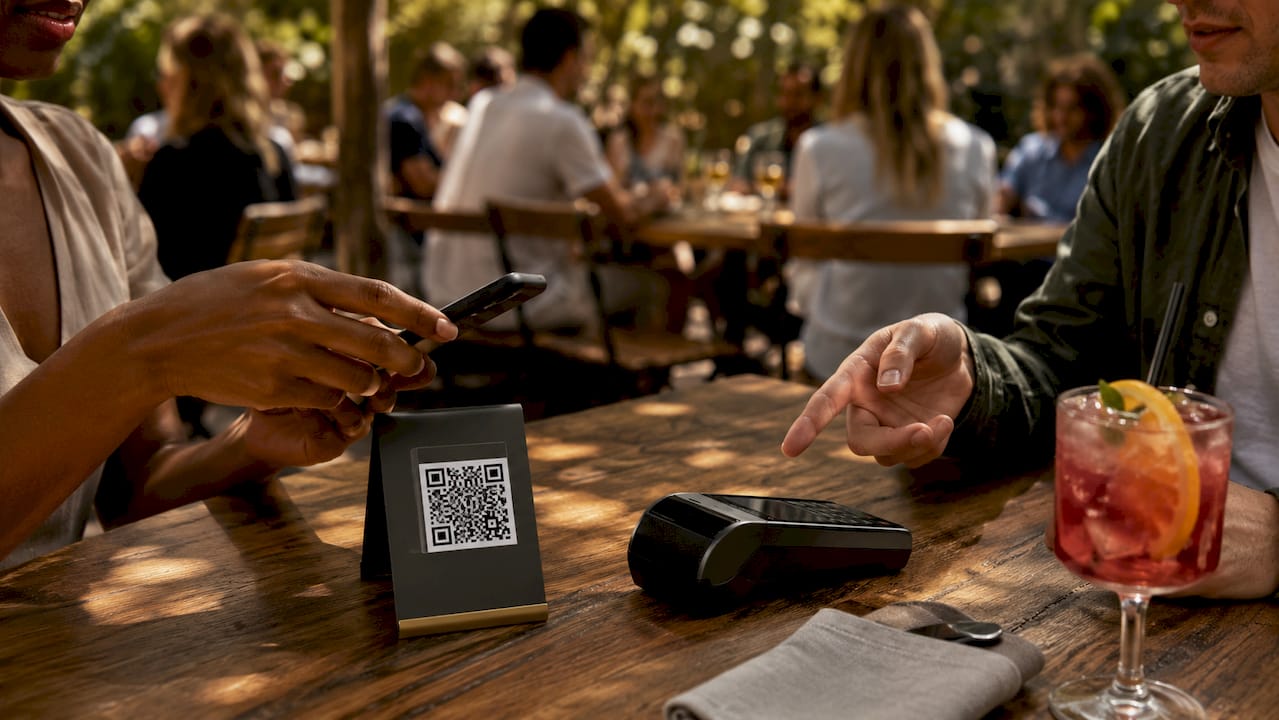
Pay-at-table technology takes this further. Guests scan a code on the table, review their itemized bill, split it however they choose, tip from a suggested prompt, and pay in under two minutes. Automated tip suggestions also reduce the mental load for guests and eliminate the awkward pause that often precedes tipping decisions.
Here is what faster checkout delivers in practical terms:
More covers per shift: A table that turns 15 minutes faster during a 3-hour dinner service can accommodate one additional seating.
Reduced walkouts: Guests who cannot find a server to pay sometimes leave without completing the transaction.
Better staff allocation: Servers freed from payment processing can focus on upselling and guest engagement.
Peak-hour capacity: The gains compound most during busy periods when every minute of table time has real dollar value.
Pro Tip: Set up QR code payment links directly on printed table cards or digital menus so guests can initiate checkout the moment they are ready, without waiting for eye contact with a server.
What are the best flexible payment options for restaurants?
The range of restaurant payment options available in 2026 is wider than most operators realize. Choosing the right mix depends on your customer demographics, average check size, and service style.
Payment method | Speed | Customer appeal | Operational notes |
Credit and debit cards | Fast | Universal | Requires POS terminal; processing fees apply |
Apple Pay and Google Pay | Very fast | High among under-40 diners | Contactless; 66% of global online sales are non-card payments |
QR code payments | Very fast | Growing across all ages | No hardware needed; links to digital menu |
Buy Now Pay Later (BNPL) | Moderate | Strong for high-check dining | Increases average spend; third-party provider needed |
Cash | Slow | Declining but still relevant | No processing fees; requires change management |
Cryptocurrency | Variable | Niche but growing | Mydigimenu supports crypto payments natively |
Non-card payments now account for 66% of global online sales. That figure signals a fundamental shift in how consumers prefer to transact, and restaurants that ignore it risk losing younger, higher-spending guests to competitors who have adapted.
Buy Now Pay Later deserves particular attention for fine dining and experiential restaurants. When a couple books a tasting menu at $180 per person, the ability to split that into three interest-free installments removes a real psychological barrier. Flexible payment options help customers through financial rough patches, increasing lifetime value and reducing the likelihood of last-minute cancellations.
A few additional points worth noting for your payment method selection:
Demographics matter: Guests over 55 still prefer card or cash at higher rates than younger diners.
Check size influences method: High-check restaurants benefit more from BNPL; quick-service spots gain most from contactless speed.
Multi-currency support: Hotels and tourist-area restaurants should prioritize systems that handle multiple currencies without manual conversion.
How does integrating payments with your POS system improve operations?
Treating payments as a strategic lever rather than a back-office utility uncovers new revenue streams and operational efficiencies. The shift from standalone payment terminals to embedded payment solutions within your POS system is where the real operational gains live.
When payment acceptance is unified with your POS, every transaction automatically updates inventory, sales reports, and shift reconciliation in real time. Unified payment workflows free staff from juggling multiple devices and eliminate the end-of-night reconciliation errors that cost managers time and accuracy. A restaurant processing 200 covers per night can save 30–45 minutes of administrative work simply by removing the manual step of matching terminal reports to POS totals.
The connection to loyalty programs is equally powerful. When a guest pays through an integrated system, their transaction data feeds directly into your CRM. You can see which customers visit weekly, what they order, and how much they spend. That data powers targeted promotions, personalized offers, and loyalty rewards that feel relevant rather than generic.
Pro Tip: When evaluating POS integrations, prioritize systems that offer real-time transaction dashboards. Knowing your hourly revenue during service lets you make staffing and inventory decisions on the fly rather than after the fact.
Operational benefits of integrated payment systems include:
Automated end-of-day reconciliation that matches every payment method to the correct order
Real-time financial visibility so managers can track revenue by hour, server, or table section
Loyalty program linkage that rewards guests automatically without manual card scanning
Reduced training time because staff learn one unified system instead of separate terminal and POS workflows
Error reduction by eliminating manual entry between payment and reporting systems
Flexible payment infrastructure also enables dynamic billing, configurable billing cycles, and branded payment portals that give operators genuine control over the payment experience. For restaurant groups managing multiple locations, that centralized visibility is worth its weight in gold.
How payment flexibility strategies increase sales and customer loyalty
Payment flexibility is a key factor for customer retention, financial stability, and the ability to weather economic uncertainty. Restaurants that accommodate customer financial needs enjoy steadier revenue and stronger long-term relationships. That is not a soft benefit. It shows up in repeat visit rates and average check size.
The psychology behind this is straightforward. When a guest knows they can pay however suits them, the decision to visit your restaurant carries less financial anxiety. A family choosing between two similar restaurants will favor the one that accepts their preferred payment method and offers the option to split the bill cleanly. That preference, repeated across hundreds of guests, compounds into a meaningful revenue difference.
Practical tactics for promoting flexible payment methods to your diners:
Display payment method icons prominently on your menu, website, and reservation confirmation emails so guests know their options before they arrive.
Train staff to mention payment options when presenting the menu, particularly for high-check tables where BNPL could increase the order.
Use QR code menus that link directly to payment at the end of the meal, creating a natural, low-friction checkout path.
Promote installment options on your website for private dining, event bookings, and tasting menus where the check size justifies it.
Reward payment method adoption by offering loyalty points for guests who use your preferred digital payment channel, which also reduces your card processing costs.
Payment flexibility is emerging as a core differentiator in 2026 for customer retention and operational agility. Restaurants that build this into their guest experience now will hold a structural advantage as consumer payment preferences continue to shift away from cash and physical cards. You can explore the full range of restaurant payment options available this year to find the right mix for your operation.
Key takeaways
Payment flexibility in restaurants is not a convenience feature. It is a direct driver of revenue, guest satisfaction, and operational efficiency that every modern restaurant needs to treat as a strategic priority.
Point | Details |
Checkout friction costs revenue | Bill-splitting disputes and slow payment processes delay table turnover and damage the final guest impression. |
Non-card payments dominate globally | 66% of global online sales use non-card methods, so accepting only cards means missing a large share of modern diners. |
POS integration multiplies the value | Unified payment workflows automate reconciliation, feed loyalty programs, and give managers real-time financial visibility. |
BNPL increases average check size | Installment options remove the psychological barrier to high-check dining, increasing both order value and repeat visits. |
Payment choice builds loyalty | Guests who can pay their preferred way are more likely to return and more likely to recommend your restaurant. |
Why payment flexibility deserves a seat at the strategy table
I have spent years watching restaurant operators treat payment systems as a utility, something you set up once and forget. That mindset is expensive. The restaurants I have seen grow most consistently are the ones that treat payment acceptance as a guest experience decision, not just a financial one.
The moment a guest cannot split a bill cleanly, cannot tap their phone to pay, or has to wait five minutes for a server to process a card, the memory of your food starts to fade. The checkout moment is the last impression you make. Getting it wrong undoes a lot of good work in the kitchen.
What surprises most operators when they finally integrate payments with their POS and loyalty systems is how much data they were leaving on the table. You suddenly know which guests visit monthly, what they spend, and whether they use your loyalty program. That knowledge changes how you market, how you staff, and how you design your menu. Payments stop being a cost center and start generating insight.
My honest advice: do not wait for a payment complaint to prompt the upgrade. Review your contactless dining options now, map your current checkout friction points, and prioritize the one change that would most directly speed up your table turnover. For most restaurants, that is QR code payment at the table. Start there, measure the impact, and build from that foundation.
— Abhi
See how Mydigimenu brings payment flexibility to life
Mydigimenu is built for restaurant owners who want payment flexibility woven directly into the dining experience, not bolted on as an afterthought.
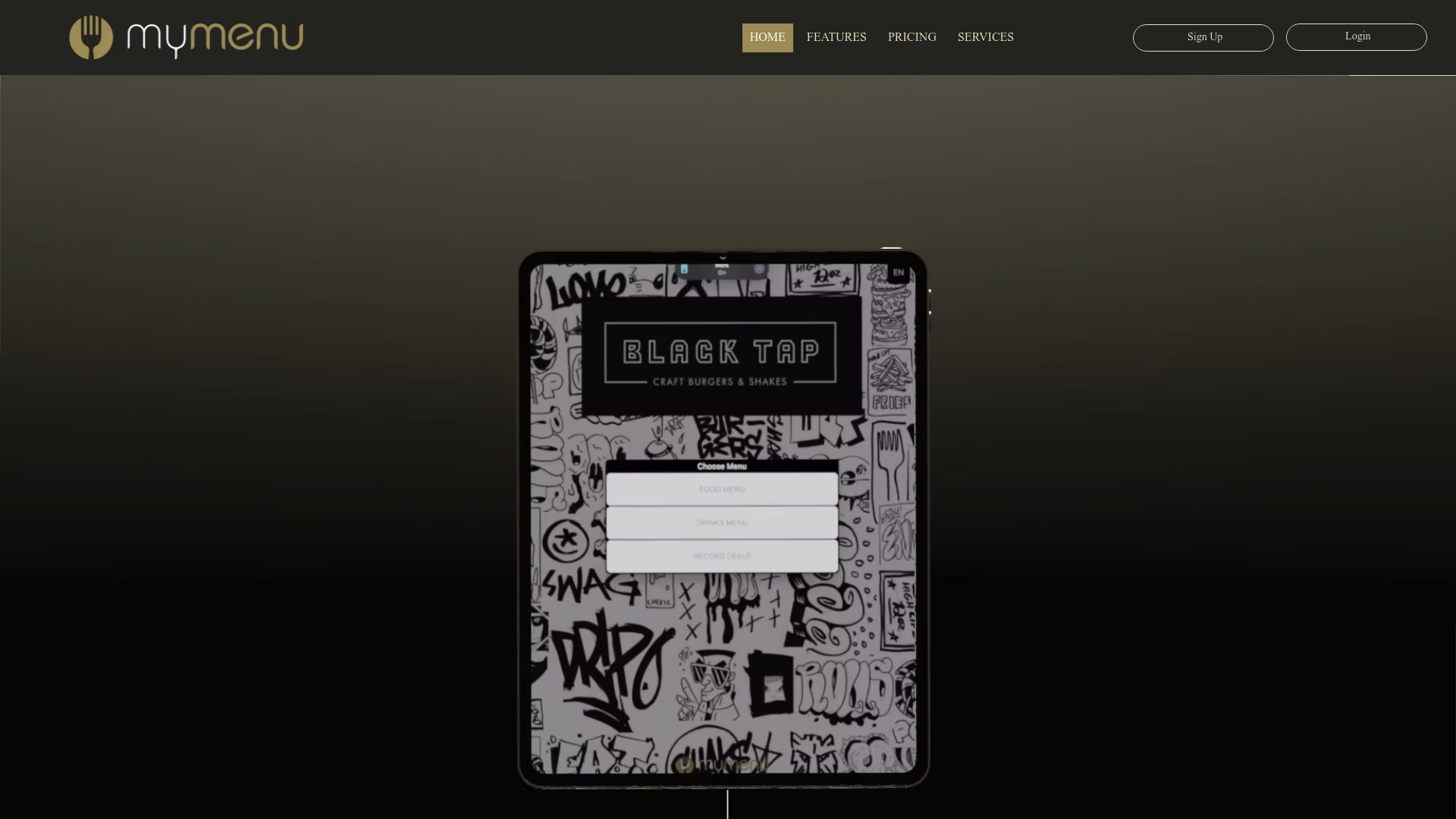
The platform’s digital tablet and iPad menu solutions support multiple payment methods including digital wallets and cryptocurrency, all connected to your ordering workflow. Guests browse mouthwatering food visuals, place orders, and pay without friction. The QR menu system requires no app download and enables contactless ordering and payment from any smartphone. Combined with CRM integration, loyalty programs, and real-time reporting, Mydigimenu turns your payment infrastructure into a genuine growth tool. Explore the plans and find the right fit for your restaurant at Mydigimenu pricing.
FAQ
What is payment flexibility in a restaurant context?
Payment flexibility in restaurants means accepting multiple payment methods, including digital wallets, QR code payments, credit cards, and installment options, so guests can pay in the way that suits them best.
How does payment flexibility affect table turnover?
QR code and mobile wallet payments allow guests to pay without server intervention, which reduces checkout time and makes tables available faster during peak service hours.
Does offering more payment options increase restaurant sales?
Flexible payment options, particularly buy now pay later plans, remove financial barriers for high-check dining and have been shown to increase average order value and customer lifetime value.
How should restaurants integrate payment systems with their POS?
Restaurants should choose POS platforms with embedded payment acceptance so that every transaction automatically updates inventory, reconciliation, and loyalty records without manual entry.
What payment methods do modern diners prefer?
Modern diners increasingly prefer contactless methods. Non-card payments account for 66% of global online sales, with Apple Pay, Google Pay, and QR code payments leading adoption among diners under 50.
Recommended
fnaf brings the familiar FNAF atmosphere into a compact browser experience. The quiet setting, unusual animatronic behavior, and limited sense of what is happening around you create a game that is easy to start but difficult to predict. Each session gives you another chance to see what you can handle.
Great insights on how flexible payment options can improve customer experience and increase restaurant sales. Integrating modern payment methods with a reliable Ovvi Pos System can further streamline operations, speed up checkout, and simplify order management. A smart POS solution helps restaurants boost efficiency while providing a seamless dining experience for every guest.
Great insights! Offering flexible payment options is becoming essential for restaurants that want to improve customer satisfaction, increase table turnover, and drive more sales. Pairing these strategies with reliable Best Payment Processing for Small Business solutions can further streamline transactions, reduce payment hassles, and create a better experience for both businesses and customers.