
How to Boost Restaurant Sales with Proven Strategies


TL;DR:
Boosting restaurant sales involves integrating menu engineering, AI upselling, and targeted marketing as a cohesive system. Analyzing menu items by contribution margin and popularity, then promoting high-margin dishes while adjusting for seasonal costs, enhances profit margins. Combining flexible channel strategies, automated email campaigns, and skilled staff reinforcement cultivates sustainable revenue growth.
Boosting restaurant sales is defined as increasing total revenue by growing both the average spend per guest and the frequency of repeat visits, using a combination of menu engineering, AI-powered upselling, and targeted marketing. Restaurant owners who rely on a single tactic, such as running weekend specials or posting on Instagram, consistently leave money on the table. The most effective operators in 2026 treat sales growth as a system: tools like Toast’s AI upsell technology, menu engineering frameworks from Baker Tilly, and email automation platforms work together to produce compounding results. This guide breaks down each lever with the data and specifics you need to act now.
How to boost restaurant sales through menu engineering
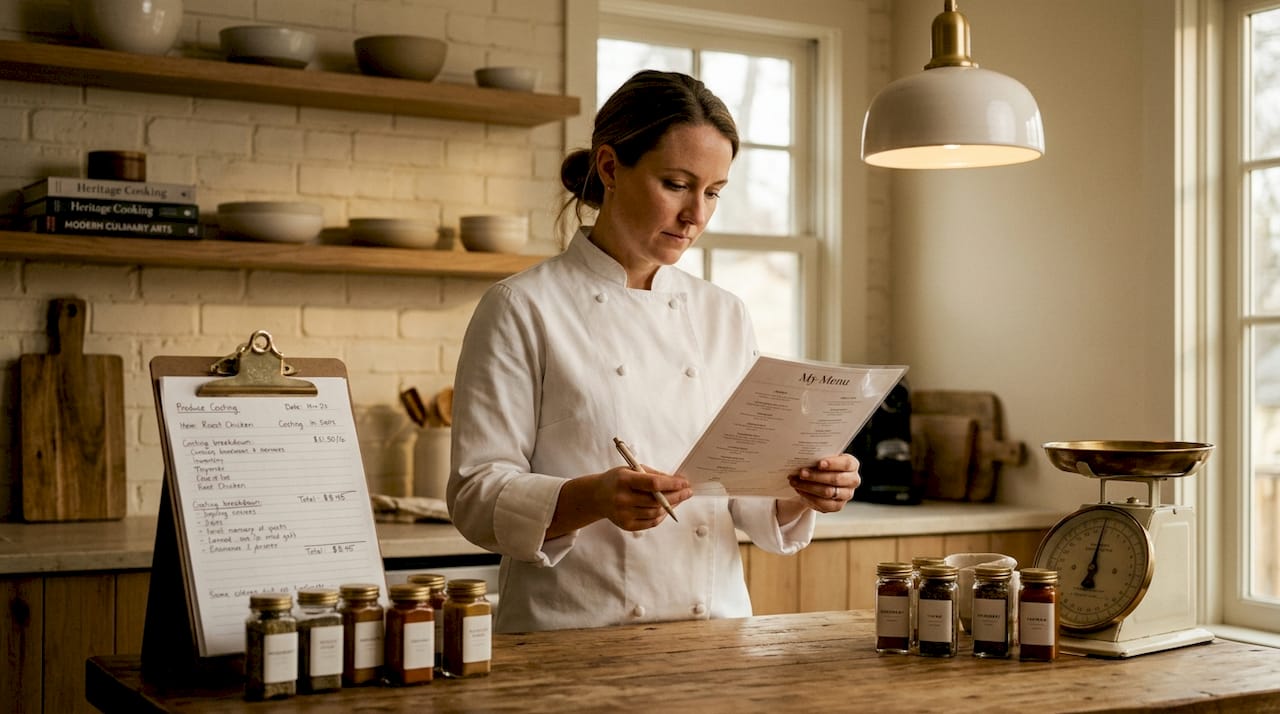
Menu engineering is the practice of analyzing every item on your menu by two metrics: contribution margin and popularity. Contribution margin is the selling price minus the direct recipe cost, including garnishes and portioning. Popularity is measured by how frequently an item appears in your POS sales mix. Together, these two numbers tell you exactly which dishes are making you money and which are quietly draining it.
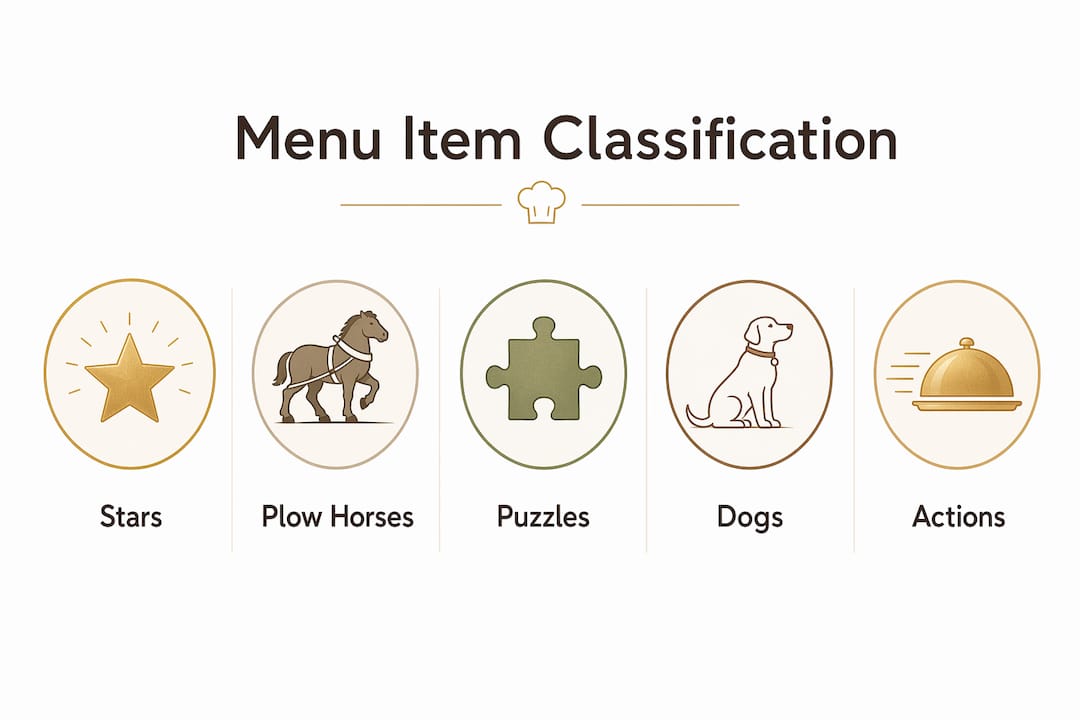
Baker Tilly’s menu engineering framework classifies every item into one of four categories. Stars are high-margin and high-popularity. Plow Horses are popular but low-margin. Puzzles are high-margin but rarely ordered. Dogs are low on both counts. The goal is not to raise prices across the board. It is to promote Stars and reposition Puzzles through smarter placement, better descriptions, and targeted promotions.
Menu layout is where the strategy becomes visual. Place Stars in the top-right corner of a printed menu or at the top of a digital scroll, since eye-tracking research consistently shows that position captures the most attention. Use color contrast, white space, and descriptive language to make high-margin items feel irresistible. A dish described as “slow-braised short rib with roasted garlic mash” outperforms “beef short rib” every time, not because the food changed, but because the story did.
Pricing tactics add another layer. Psychological pricing, such as listing an item at $18 instead of $18.00, removes the visual weight of the dollar sign and softens the perception of cost. Portion control on Plow Horses, where you slightly reduce portion size rather than raise the price, protects margin without triggering guest complaints.
Category | Margin | Popularity | Recommended action |
Stars | High | High | Feature prominently, protect recipe cost |
Plow Horses | Low | High | Reduce portion size or adjust pricing |
Puzzles | High | Low | Reposition on menu, improve description |
Dogs | Low | Low | Remove or replace with seasonal items |
Pro Tip: Recalculate your recipe costing data every quarter. Ingredient prices shift, and a Star from six months ago may now be a Plow Horse without you realizing it.
How do AI-powered upselling tools increase average order value?
AI-powered upselling is the practice of embedding personalized add-on suggestions directly into the ordering flow, at the exact moment a guest is making a decision. This is fundamentally different from a banner ad or a table tent. The suggestion appears inside the POS screen or digital ordering interface, where the guest’s attention is already focused.
The results are measurable. Toast’s AI upsell tool pilot showed a 6% increase in average order volume for participating restaurants. A 6% lift on a $45 average check adds up to thousands of dollars per month across a full dining room. The key is that embedded upsell prompts reduce friction by meeting the guest where they already are, rather than interrupting them with a separate promotional message.
Effective AI upsell offers fall into three categories:
Add-ons: “Add a side of truffle fries for $4?” appears after a burger selection
Upgrades: “Make it a double for $3 more?” appears during a cocktail order
Complementary pairings: “Guests who ordered this also loved our house-made tiramisu” appears at checkout
Timing and personalization are what separate a welcome suggestion from an annoying pop-up. The best systems pull data from POS history to understand what a returning guest has ordered before, then surface suggestions that feel genuinely relevant rather than generic. Mydigimenu’s digital ordering platform supports this kind of contextual upselling by presenting high-quality food visuals and curated pairings at the point of decision.
Pro Tip: Train your floor staff to complement digital upsells with one verbal recommendation per table. A server saying “the chef’s favorite tonight is the seared scallop starter” reinforces what the screen already suggested and dramatically increases acceptance rates.
How should you balance dine-in and off-premise channels?
Consumer dining preferences do not stay still. In 2024, 57% of consumers preferred takeout or delivery over dining in. By 2025, that figure reversed, with 55% preferring to dine out. This kind of year-over-year swing means that committing your entire operation to one channel is a financial risk, not a strategy.
The smarter approach is a flexible channel mix, where your staffing levels, promotional calendar, and menu offerings shift with consumer behavior. Tracking sales by daypart is the starting point. If your lunch revenue is driven by delivery orders but your dinner revenue comes from dine-in guests, your promotions and staffing should reflect that split rather than treating every hour the same way.
Channel | Strength | Operational priority |
Dine-in | Higher check average, upsell opportunity | Table layout, staff training, ambiance |
Takeout/delivery | Volume and convenience | Packaging quality, order accuracy, speed |
Hybrid (both) | Resilience across demand shifts | Dedicated pickup zone, dual menu design |
Off-premise does not mean a degraded experience. Investing in quality packaging that keeps food presentation intact, creating a dedicated pickup area that does not disrupt the dining room, and adapting channel strategy operationally based on real sales data are the three moves that separate restaurants thriving in both channels from those struggling in neither.
What restaurant marketing strategies actually drive new customers?
Effective restaurant marketing strategies combine local visibility, digital engagement, and loyalty mechanics into a single, coordinated effort. No single channel does the job alone. The restaurants that consistently attract new guests and bring existing ones back operate across at least three touchpoints simultaneously.
Here is a numbered sequence that works in practice:
Capture email addresses at every touchpoint. Use QR codes on tables, WiFi signup pages, and reservation confirmation flows to build your list. A guest who gives you their email is worth far more than a one-time visitor.
Automate your email campaigns. Automated emails generate 320% more revenue on average than non-automated campaigns. Set up birthday offers, win-back sequences for guests who haven’t visited in 60 days, and weekly specials that go out every Thursday before the weekend rush.
Personalize with segmentation. Personalized campaigns yield 6x higher transaction rates compared to generic blasts. Segment your list by visit frequency, average spend, and cuisine preference, then tailor the message accordingly.
Invest in local SEO. Claim and optimize your Google Business Profile with current hours, photos, and menu links. Guests searching “best pasta near me” on a Friday night need to find you before they find anyone else.
Run targeted social media campaigns. Short video content showing dish preparation or behind-the-scenes kitchen moments consistently outperforms static images on Instagram and TikTok. Pair organic content with small paid boosts targeting a 5-mile radius around your location.
Loyalty programs add the retention layer that marketing alone cannot provide. Restaurants using marketing automation and segmentation see a 3 to 5x ROI increase per email campaign. Digital stamp cards, points programs, and exclusive member events turn occasional diners into regulars who feel genuinely connected to your brand.
Pro Tip: Segment your email list into at least three groups: new guests, regulars, and lapsed visitors. Each group needs a different message. Sending a “we miss you” offer to someone who visited last week feels tone-deaf and trains them to ignore your emails.
Operational improvements that quietly increase sales
Well-trained staff are the single most underrated sales tool in any restaurant. A server who understands the menu deeply, knows which items carry the best margin, and can describe a dish with genuine enthusiasm will consistently outperform a server who simply takes orders. Linking staff incentives to sales goals, such as a small bonus for the highest upsell rate each week, creates a culture where selling feels natural rather than pushy.
Table layout and turnover rate directly affect how much revenue a dining room generates per hour. Consider these operational levers:
Optimize seating arrangements to reduce wasted floor space while maintaining guest comfort
Use tableside ordering tablets to cut the time between seating and first order
Implement contactless payment options to shorten the checkout process and free tables faster
Monitor average table turn time by shift and set realistic targets for improvement
Technology investments pay for themselves quickly when they reduce service friction. Mydigimenu’s customizable menu layouts give guests a visually rich browsing experience that speeds up decision-making and reduces the number of questions staff need to answer. Faster decisions mean faster orders, and faster orders mean more covers per shift.
Tracking key metrics, including table turn time, average check size, covers per shift, and upsell acceptance rate, gives you the data to make decisions rather than guesses. Staff incentives and efficient seating arrangements are proven to boost both sales volume and guest satisfaction scores simultaneously.
Key takeaways
Restaurants that combine menu engineering, AI upselling, channel flexibility, and targeted email marketing consistently outperform those relying on any single tactic alone.
Point | Details |
Menu engineering drives margin | Classify items as Stars, Plow Horses, Puzzles, or Dogs and reposition accordingly. |
AI upselling lifts order value | Toast’s pilot showed a 6% order volume increase from embedded POS upsell prompts. |
Channel mix must stay flexible | Consumer preferences shifted from 57% takeout in 2024 to 55% dine-in in 2025. |
Email automation multiplies ROI | Automated campaigns generate 320% more revenue than non-automated equivalents. |
Operations amplify every strategy | Staff training, table layout, and contactless payment directly increase covers and check size. |
Why the human layer still determines whether any of this works
From where I sit, having watched dozens of restaurant operators adopt these tools, the biggest mistake is treating technology as a replacement for hospitality rather than an amplifier of it. I’ve seen operators install AI upselling software and then pull back on staff training, assuming the screen would do the work. It doesn’t. The 6% order volume lift from Toast’s tool is real, but it compounds when a well-trained server reinforces the suggestion with genuine enthusiasm.
Menu engineering is another area where I see operators get it half right. They run the analysis, identify their Stars and Dogs, and update the menu layout. Then they forget to revisit the numbers for 18 months. Food costs shift, seasonal ingredients change, and a dish that was profitable in January may be quietly losing money by October. The operators who treat menu engineering as a living process rather than a one-time project are the ones who sustain margin improvements over time.
The channel balance question is the one that surprises most people. The swing from 57% takeout preference in 2024 to 55% dine-in preference in 2025 happened in a single year. That kind of volatility means your operational model needs to be genuinely flexible, not just theoretically adaptable. The restaurants I’ve seen handle this best are the ones tracking sales by daypart every week and adjusting staffing and promotions in near real time.
My honest recommendation: start with menu engineering because it costs nothing but time and immediately improves your margin picture. Then layer in AI upselling and email automation. Measure everything. Adjust monthly. The data will tell you what to do next.
— Abhi
Transform your menu into a sales engine with Mydigimenu
Every strategy in this article, from menu engineering to upselling to guest engagement, depends on one thing: how your menu is presented to guests. Mydigimenu’s digital tablet and iPad menus are built to make every dish look mouthwatering, guide guests toward high-margin items, and capture the kind of engagement that drives repeat visits. High-quality food visuals, customizable layouts, and built-in upsell prompts turn the ordering moment into a genuine revenue opportunity.
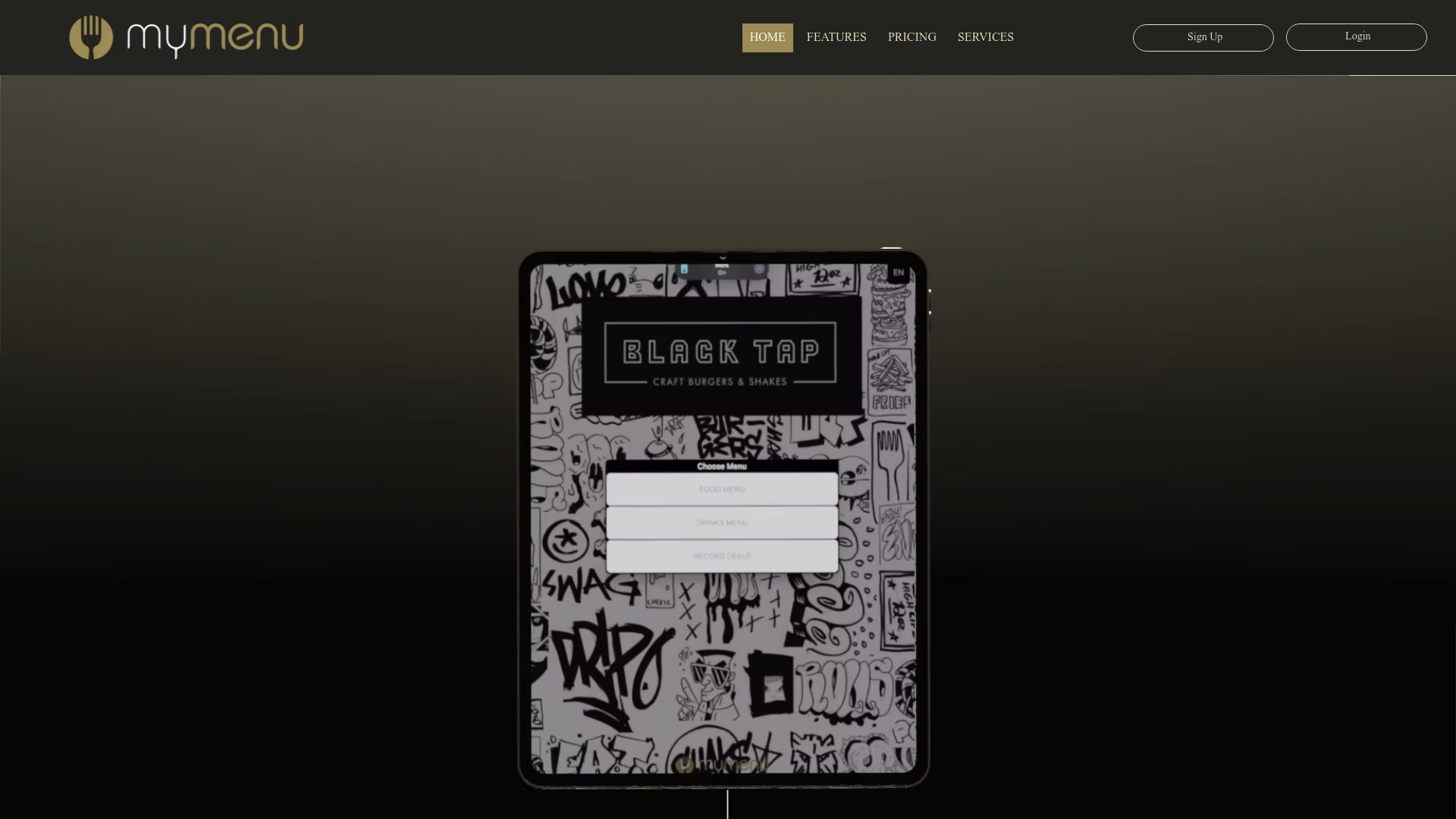
Mydigimenu also offers QR scan menus that require no app download, making it effortless for guests to browse, order, and pay from their own device. Flexible pricing plans are available for restaurants of every size, from single-location cafes to multi-outlet groups. If you are ready to put these strategies into practice, Mydigimenu gives you the platform to do it.
FAQ
What is the fastest way to increase restaurant revenue?
Menu engineering combined with AI-powered upselling produces the fastest measurable lift. Toast’s upsell tool showed a 6% increase in average order volume, and repositioning high-margin menu items requires no additional marketing spend.
How do loyalty programs help improve restaurant profits?
Loyalty programs increase repeat visit frequency and average spend per guest. Restaurants using email automation and segmentation see a 3 to 5x ROI increase per campaign compared to untargeted promotions.
How do you drive foot traffic to a restaurant?
Local SEO, targeted social media content, and community events are the most effective ways to attract new customers. Optimizing your Google Business Profile and running geo-targeted paid ads within a 5-mile radius delivers the highest conversion rate for foot traffic.
How often should menu engineering be updated?
Menu engineering analysis should be updated at least quarterly. Ingredient costs shift frequently, and relying on stale recipe costing data can cause you to promote items that are no longer profitable.
What role does email marketing play in restaurant sales growth?
Email marketing is one of the highest-ROI channels available to restaurant operators. Automated emails generate 320% more revenue than non-automated campaigns, and personalized messages yield 6x higher transaction rates than generic broadcasts.
Recommended
Comments