
Hotel Guest Experience Tips for a Better Stay

TL;DR:
Preparing preferences before arrival and communicating early enhances the overall hotel experience and reduces check-in friction.
Guests should cooperate with housekeeping by organizing used linens, tipping daily, and providing specific requests to improve room comfort.
Hotel guest experience tips are actionable strategies you can use to make any stay more comfortable, personalized, and genuinely enjoyable by working with hotel operations rather than around them. The industry term for this approach is “guest experience optimization,” and it applies to every touchpoint from booking to checkout. Most guests leave comfort and service quality on the table simply because they don’t know what to ask for, when to ask, or how small behaviors shape the quality of care they receive. This guide draws on 2026 hospitality insights from Chekin, Mews, and Travel + Leisure to give you a practical playbook that works at any property.
1. How pre-arrival preparation improves your hotel experience
Pre-arrival preparation is the single most underused tool guests have for shaping a great stay. According to Chekin’s 5-star first impression playbook, effective pre-arrival communication follows a three-touchpoint model: a warm welcome at booking, a local guide sent roughly a week before arrival, and detailed logistics delivered 24 hours ahead. That final message should include check-in time, Wi-Fi credentials, parking instructions, access codes, and emergency contacts. Guests who read and respond to these messages arrive calmer and better prepared, which sets a positive tone from the first minute.
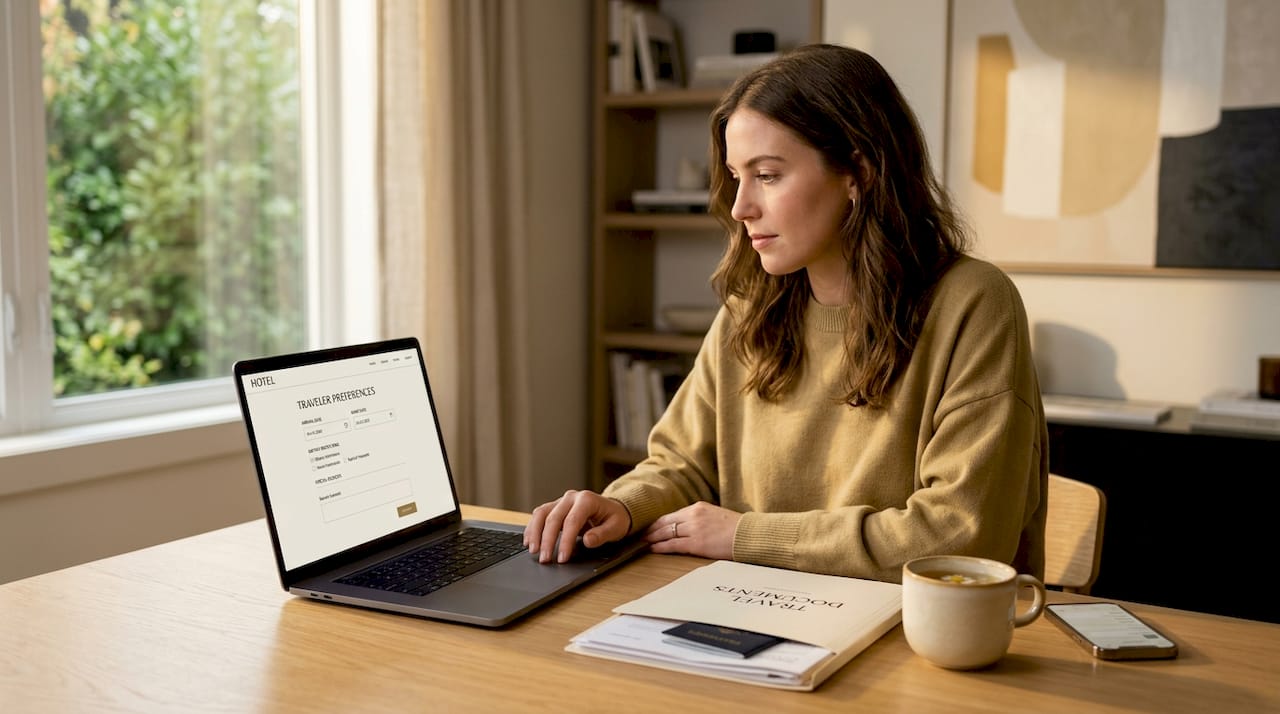
The information you confirm before arrival directly reduces friction at check-in. When you know your room is ready at 3 p.m. and exactly where to park, you skip the anxious front-desk queue and walk in with confidence. You can also use this window to submit preferences, dietary needs, or special requests through the hotel’s official channels.
Here is what to confirm or request before you arrive:
Exact check-in and check-out times
Wi-Fi network name and password
Parking availability, cost, and access instructions
Room preferences (floor level, bed type, view)
Any dietary requirements for in-room dining
Accessibility needs or special occasion setups
Pro Tip: Submit your preferences through the hotel’s official booking portal or pre-arrival email rather than calling at check-in. Mews research shows that centralized guest profiles allow hotels to act on requests consistently across every touchpoint, from housekeeping to the restaurant.
For guests who want to go deeper on timing and communication before arrival, Mydigimenu’s guide on reservation management tips covers how hotels structure these workflows and what you can do to align with them.
2. What guest behaviors help housekeeping and improve room comfort
Your relationship with housekeeping is one of the most direct levers you have for improving daily comfort. Housekeeping supervisors at Travel + Leisure confirm that hanging damp towels accelerates turndown efficiency and prevents humidity from spreading through the room. This is not just courtesy. It is an operational lever that reduces rework and physical effort for staff, which means your room gets serviced faster and more thoroughly.
Small acts of organization make a measurable difference. Consolidating used linens in one spot, clearing surfaces before you leave for the day, and keeping personal items off the floor all help housekeepers work efficiently within their tight time windows. The result is a cleaner room and a more attentive staff relationship.
“A tidy room is a gift to the housekeeper and a gift to yourself. Staff remember guests who make their job easier, and that goodwill shows up in the quality of service you receive.” — Housekeeping supervisor, as cited by Travel + Leisure
Tipping etiquette in 2026 follows a clear standard: $3 to $5 per night for standard hotels and $5 to $10 for luxury properties. Leave the tip daily in a marked envelope on the pillow or bedside table, because housekeeping assignments rotate and a single end-of-stay tip may never reach the person who cleaned your room most days.
Practical habits that support housekeeping:
Hang damp swimsuits and towels on the rack or shower rod
Consolidate used linens in one visible location
Clear the desk and nightstand before leaving each morning
Use the Do Not Disturb sign only when you genuinely need privacy
Communicate your preferred housekeeping time at check-in
Pro Tip: Leave a short handwritten thank-you note on the bedside table. Travel + Leisure reports that a thank-you note significantly motivates housekeeping staff and elevates the guest-staff rapport in ways that a tip alone cannot.
3. How to communicate proactively with hotel staff for personalized service
Proactive communication is the behavior that separates a good stay from a great one. EHL’s Hotel Customer Journey research is direct on this point: early issue reporting allows staff to resolve problems during your stay rather than after checkout, when nothing can be fixed. Waiting until you fill out a post-stay survey to mention the noisy HVAC unit means you spent three nights uncomfortable for no reason.
The same principle applies to preferences. If you want extra pillows, a specific type of coffee in the room, or a quieter table at breakfast, say so early and through the right channel. Mews research confirms that submitting preferences early enables hotels to act on them consistently across every department. A preference noted at check-in can reach the restaurant, the spa, and the room service team simultaneously when the hotel uses a centralized guest profile system.
Technology makes this easier than ever. Most mid-range and luxury hotels now offer in-app messaging, WhatsApp communication, or a dedicated guest services line. Use whichever channel the hotel promotes, because those are the ones staff monitor most closely.
Key communication behaviors that improve your stay:
Report maintenance issues within the first hour of noticing them
Update preferences at check-in even if you submitted them pre-arrival
Use the hotel’s preferred messaging channel rather than walking to the front desk for every request
Confirm special occasion setups (flowers, champagne, decorations) 48 hours before the event date
Ask for a specific housekeeping time window rather than leaving it open-ended
Specifying a preferred housekeeping time reduces repeated back-and-forth and helps operations avoid delays. It is one of the simplest requests guests rarely think to make.
4. Which hotel amenities and comfort factors most impact guest satisfaction
Cleanliness, comfort, and reliable Wi-Fi are not differentiators in 2026. They are baseline thresholds. Hospitality121’s research on what guests want in 2026 confirms that failing these basics is heavily penalized in reviews, while excelling at them is treated as the minimum expectation. Guests who understand this can calibrate their expectations and know exactly when to escalate a concern versus when to accept a minor inconvenience.
Beyond the baseline, personalization is the true differentiator. The same Hospitality121 research notes that personalization creates loyalty by shifting guest perception from generic friendliness to being genuinely “known.” That shift strongly influences return visits and positive reviews. You can accelerate this by sharing preferences proactively and engaging with the hotel’s loyalty program.
Amenity category | Guest impact | What you can do |
Cleanliness | Highest negative impact if missing | Report issues within the first hour |
Reliable Wi-Fi | Baseline expectation, not a bonus | Confirm speed and coverage at check-in |
Personalized touches | Strong driver of loyalty and return visits | Submit preferences before arrival |
Local experiences | Differentiator that elevates the stay | Ask the concierge for curated, off-menu recommendations |
In-room comfort | Directly affects sleep and recovery | Request specific pillow types, temperature settings, or blackout curtains |
Guests who treat the concierge as a resource rather than a formality consistently report richer stays. Ask for restaurant reservations at places not listed on the hotel website, neighborhood walking routes, or cultural events happening during your visit. That local knowledge is a genuine perk of staying at a staffed property.
5. How to maximize your hotel experience through appreciation and feedback
Appreciation and feedback are the closing loop of a great stay, and most guests skip both. EHL’s guest journey research is clear that active in-stay feedback is far more valuable than post-checkout reviews, because it gives the hotel a chance to fix problems while you are still there to benefit. A polite word to the front desk about a noisy neighbor or a slow shower drain is not a complaint. It is information that a well-run hotel wants immediately.
Effective feedback is specific and timely. “The shower pressure is low in room 412” is actionable. “The room wasn’t great” is not. When you frame feedback around facts and timing, staff can respond with solutions rather than apologies.
Ways to give feedback that actually improves your stay:
Mention issues at the front desk within the first 24 hours
Use in-app feedback tools or messaging platforms the hotel provides
Leave a thank-you note for housekeeping when the service is exceptional
Complete the mid-stay survey if the hotel sends one, not just the post-checkout version
Rate specific staff members by name when they go beyond expectations
For guests curious about how hotels collect and act on this information, Mydigimenu’s resource on digital guest feedback explains how modern properties use real-time feedback tools to close service gaps before checkout.
Key takeaways
The most effective hotel guest experience tips center on three behaviors: preparing before you arrive, communicating proactively during your stay, and closing the loop with honest, timely feedback.
Point | Details |
Pre-arrival preparation | Confirm logistics and submit preferences 24 hours before arrival to reduce friction. |
Housekeeping cooperation | Hang damp towels, tip daily, and communicate your schedule to improve room quality. |
Proactive communication | Report issues and update preferences early so staff can act during your stay. |
Amenity awareness | Baseline expectations include cleanliness and Wi-Fi; personalization drives loyalty. |
Timely feedback | In-stay feedback is more valuable than post-checkout reviews because it can still be acted on. |
What I’ve learned about being a better hotel guest
After years of traveling for work and staying in properties ranging from budget business hotels to five-star resorts, I’ve come to one clear conclusion: the guests who have the best experiences are the ones who treat the stay as a two-way relationship, not a transaction.
The single biggest shift I made was submitting preferences before arrival instead of hoping the hotel would guess them. The difference was immediate. Rooms were set up the way I actually wanted them. Restaurant staff already knew about dietary restrictions. That is not magic. It is the result of giving the hotel’s systems something to work with.
The second shift was learning to speak up early. I used to wait until checkout to mention anything that bothered me, which meant I suffered through it for days and then vented in a review that helped no one. Now I call the front desk within the first hour if something is off. Hotels with good operations fix problems fast, and that responsiveness is worth acknowledging.
The tip and thank-you note habit changed how I think about housekeeping entirely. Leaving $5 in a marked envelope each morning and a short note at the end of the stay takes two minutes. The warmth it generates from staff is disproportionate to the effort. A dash of genuine appreciation turns everyday service into something that feels personal and memorable.
You are not a passive recipient of hospitality. You are an active participant in it. The guests who understand that consistently walk away with better stories.
— Abhi
How Mydigimenu transforms the in-hotel dining experience
Modern hotels are turning to digital solutions to make ordering food and services as effortless as the rest of the stay. Mydigimenu powers that shift with QR code menus and tablet-based digital menus that let guests browse mouthwatering food visuals, filter by dietary preference, and order directly from their room or table without waiting for a server.
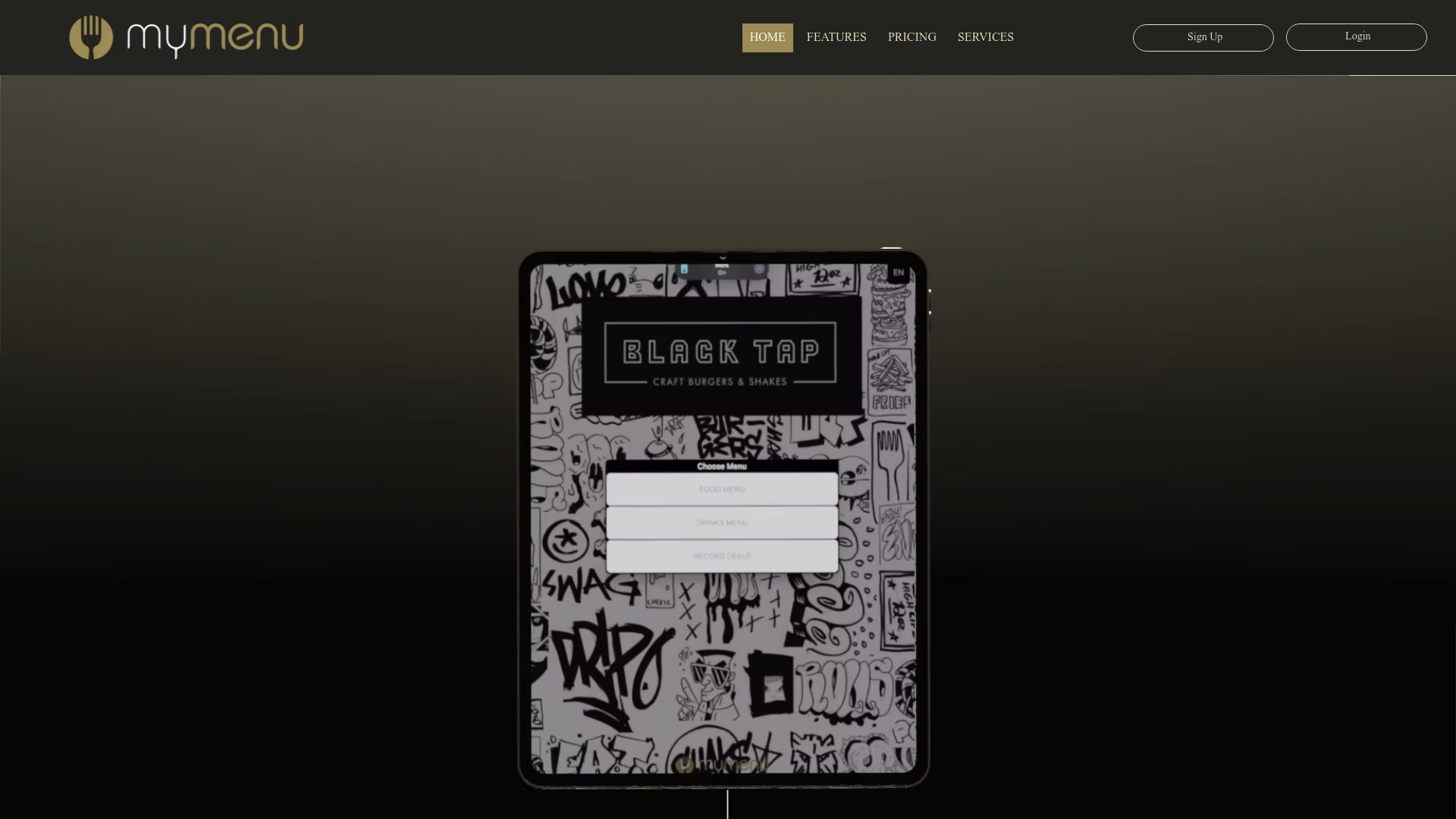
For guests, this means faster service, fewer miscommunications, and a browsing experience that feels more like an adventure than a chore. For hotels, it means higher order accuracy and the ability to capture guest preferences that feed directly into personalized service. Whether you are ordering breakfast in bed or a late-night snack at the bar, Mydigimenu’s intuitive platform puts the full menu experience in your hands. Ask your hotel if they use it, and if they do, take full advantage.
FAQ
What are the most impactful hotel guest experience tips?
Pre-arrival preparation, proactive communication with staff, and timely in-stay feedback are the three behaviors with the highest impact on stay quality. Submitting preferences before arrival and reporting issues within the first 24 hours consistently produce better outcomes than any post-checkout action.
How much should you tip hotel housekeeping?
The standard in 2026 is $3 to $5 per night at standard hotels and $5 to $10 at luxury properties. Tip daily in a marked envelope on the pillow or nightstand, because housekeeping assignments rotate and a single end-of-stay tip may not reach the right person.
How do you get personalized service at a hotel?
Submit your preferences through the hotel’s official booking portal or pre-arrival email before you arrive. Mews research confirms that centralized guest profiles allow hotels to act on requests consistently across housekeeping, dining, and concierge services.
When is the best time to give feedback during a hotel stay?
Give feedback within the first 24 hours of noticing an issue. EHL’s guest journey research shows that in-stay feedback allows hotels to resolve problems while you are still there, which is far more valuable than a post-checkout review for both you and the property.
Does hanging up towels actually help housekeeping?
Yes. Housekeeping supervisors confirm that hanging damp towels and swimsuits on the rack reduces humidity spread and rework, allowing staff to service rooms faster and more thoroughly. It is one of the simplest and most appreciated things a guest can do.
Recommended
Comments