
Dynamic menu pricing: Boost revenue and engage guests

TL;DR:
Dynamic menu pricing, when implemented thoughtfully, can boost restaurant revenue, margins, and guest satisfaction. It involves real-time or rule-based price adjustments based on demand, time, inventory, and external factors, making it accessible for various restaurant sizes through digital tools. Success relies on clear communication, strategic framing, small pilot testing, and integrating technology with a guest-first approach.
Most restaurant owners fear that adjusting prices will send guests straight to a competitor. That instinct is understandable, but dynamic menu pricing tells a more nuanced story: restaurants that implement it thoughtfully are reporting real check increases, healthier margins, and even improved guest satisfaction. Dynamic menu pricing means adjusting your prices in real time or by preset rules, based on variables like the time of day, demand, inventory, or even the weather. This article walks you through exactly what it is, how it works in practice, what the data actually shows, and how you can test it in your own restaurant without scaring off your regulars.
Table of Contents
Key Takeaways
Point | Details |
Maximize revenue smartly | Dynamic menu pricing helps restaurants grow revenue and reduce waste when implemented thoughtfully. |
Start simple and build | Begin with easy pilots like time-based specials before exploring more advanced automated options. |
Guest communication is crucial | How you frame pricing changes determines whether guests see value or feel penalized. |
Digital tools ease adoption | Leveraging digital menus and automation platforms makes testing and managing price adjustments seamless. |
Legal and ethical care needed | Always check local laws and keep practices transparent to win trust and avoid backlash. |
What is dynamic menu pricing?
Dynamic menu pricing is, at its core, a demand-responsive strategy. Rather than locking every menu item at a fixed price indefinitely, you adjust prices based on real-world conditions. Menu digitization strategies have made this far more accessible than it once was, opening the door for restaurants of all sizes to participate in a practice once reserved for airlines and hotels.
The variables that typically drive these adjustments include:
Time of day: Lower prices during slow lunch hours, premium pricing during peak dinner service
Day of the week: Weekend surcharges or midweek discount specials
Demand and inventory: Pushing surplus ingredients before they spoil with targeted discounts
External signals: Weather events, local concerts, and sporting events driving traffic spikes
Delivery channel: Separate pricing for third-party apps versus in-house dining
Ingredient cost fluctuations: Passing along input cost changes without reprinting physical menus
“Dynamic menu pricing is a strategy where restaurants adjust menu item prices in real-time or based on predefined rules according to factors like demand, time of day, day of week, inventory levels, weather, local events, and ingredient costs.”
The biggest misconception is that dynamic pricing is simply surge pricing, the kind that frustrates ride-share passengers during rainstorms. In restaurants, it is far more balanced. Happy hour is dynamic pricing. A weekday lunch special is dynamic pricing. The difference is that these variations are framed as benefits, not penalties. Digital menu systems make real-time updates simple, so changes happen instantly across every touchpoint without printing costs or operational delays.
The mechanics span a wide range, from basic time-of-day pricing like happy hours and lunch specials to AI-driven automation that reads POS data, monitors reservation volumes, and adjusts prices minute by minute. Understanding where you sit on that spectrum is the first step to building a plan that works for your operation. These restaurant optimization methods are scalable, which means you do not have to go fully automated to see results.
How dynamic menu pricing works in practice
With the basics clear, here is how dynamic pricing actually gets rolled out in real restaurants, from easy-to-try options to advanced automation.
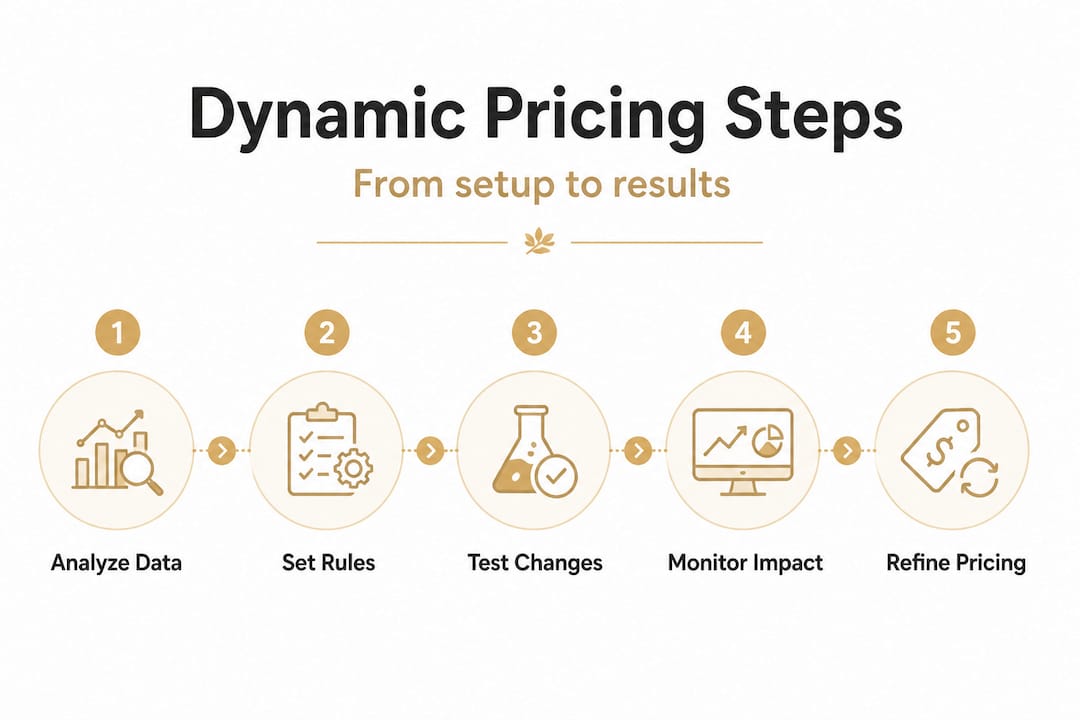
There are three broad implementation levels, each with its own demands on technology, staff training, and guest communication:
Approach | Complexity | Tools needed | Best for |
Manual/Scheduled | Low | POS + digital menu | Small independents |
Rules-based | Medium | POS + digital menu with triggers | Mid-size restaurants |
AI/Automated | High | AI pricing engine + POS + CRM | High-volume, multi-unit |
For most independent operators, a numbered rollout makes sense:
Map your demand pattern: Pull 90 days of POS data and identify your slowest and busiest times by day and hour.
Choose one or two trigger variables: Start with time of day or day of week. Do not try to optimize everything simultaneously.
Select 3 to 5 test items: Pick high-margin dishes that are popular but not essential crowd pleasers. Avoid signature dishes on your first pilot.
Update pricing on your digital menu: Use your QR code menus or tablet system to reflect changes instantly, without reprinting.
Set a review window: Commit to 30 days before drawing conclusions. Track RevPASH (revenue per available seat hour), average check, and guest feedback scores.
Iterate based on real data: Expand what works, roll back what does not, and communicate changes to your front-of-house team so they can answer guest questions confidently.
The mechanics of delivery-channel pricing deserve special attention. Because third-party delivery platforms charge commissions ranging from 15 to 30 percent, many operators charge 10 to 15 percent more on those channels to protect margins, a legitimate and increasingly common practice. Guests who order via app expect some price variation and generally accept it. Transparency about why delivery prices differ can actually build trust rather than erode it.
Pro Tip: Connect your menu design for engagement strategy to your dynamic pricing rollout. When you lower prices on high-margin items during slow hours, use visuals, descriptions, and featured placement on your digital menu to amplify the perceived value. A beautiful photo of a dish paired with a limited-time price feels like a discovery, not a discount.
The tools available for this kind of work have gotten remarkably intuitive. Platforms that combine digital menu management with POS integration can automate price changes based on schedules you set once and update anytime. The key is starting simple, collecting data, and expanding your approach as confidence grows. Platforms designed for profitable menu creation give you the foundation to layer dynamic pricing on top of strong menu architecture.
Real-world impact: Does dynamic menu pricing work?
Armed with a process roadmap, here is what dynamic menu pricing has actually done for restaurants, both the wins and the warnings.
The industry data is striking. Consider these benchmarks from operators who have piloted various forms of dynamic pricing:
Operator/Tool | Strategy used | Result |
McDonald’s (AI menu boards) | AI-driven suggestive and dynamic pricing | 10-15% average ticket lift |
Bartaco | Delivery channel adjustment (+5-10%) | 4-6% monthly revenue gain |
Juicer platform (delivery) | Dynamic delivery price optimization | 10-15% delivery sales increase |
Bistro flash pricing pilot | Discount surplus items, flash promos | 30% surplus sold, 4% check rise, 12% waste reduction |
Menu engineering case study | Systematic gross margin optimization | 15.2% gross margin improvement |
These benchmarks represent a consistent pattern: restaurants using dynamic pricing tools, even basic ones, see meaningful check increases without significant drops in guest satisfaction, provided the pricing is structured thoughtfully.
The bistro case is especially instructive. By digitally promoting surplus items with limited-time lower prices, that operation sold 30 percent more of what would have otherwise been waste, raised the average check by 4 percent, and cut food waste by 12 percent. That is not just a revenue story. It is an operational and sustainability story too.
Key results restaurants are reporting:
Revenue lift: 3 to 15 percent check increases across QSR and casual dining
Gross margin gains: Up to 15 percent improvement when combined with menu engineering
Waste reduction: Up to 12 percent in food waste when surplus pricing is used actively
Delivery margin protection: 4 to 6 percent monthly revenue gain from channel-specific adjustments
The caveat worth noting is that results vary significantly by restaurant type, guest demographic, and how the pricing is framed. A fine dining establishment with wealthy regulars who value consistency may see different dynamics than a fast-casual operator where guests are more deal-driven. Knowing your guest profile is as important as knowing your sales data.
Balancing the benefits and challenges
The results are compelling, but not without risks. Here is how to navigate guest reactions and regulatory realities.
The most important lesson from recent industry history is that framing determines perception. When Wendy’s announced plans for dynamic pricing in 2024, the public reaction was swift and harsh. Sixty-four percent of diners responded negatively, and the resulting controversy contributed to Juicer, a major dynamic pricing platform, shutting down operations. The lesson is not that dynamic pricing is wrong. The lesson is that calling it “surge pricing” during a period of inflation sensitivity is a communications failure, not a pricing failure.
“Success depends on framing as promotions and benefits, like happy hour, rather than penalties. Transparency matters. Avoiding the term ‘surge’ is essential.”
Here is how to stay on the right side of that line:
Lead with value, not cost: Announce a “weekday lunch special” rather than a “reduced off-peak price.” One sounds like a gift, the other like an apology.
Be transparent about delivery pricing: A brief note explaining that delivery prices help cover platform commissions is honest and usually well-received.
Reward loyalty first: Digitizing restaurant operations gives you CRM tools to offer loyal guests first access to promotions, which turns dynamic pricing into a perk rather than a burden.
Avoid broad surge pricing on essentials: Guests accept premium pricing on drinks during a concert night but react poorly to inflated prices on staples like kids’ meals.
Train your team: Front-of-house staff need to understand why prices change and how to explain it warmly if a guest asks.
The regulatory landscape is also evolving. While dynamic pricing is legal in most markets, some jurisdictions have moved toward requiring disclosure when prices fluctuate. Monitoring local consumer protection legislation is smart practice as this space develops. Upselling strategies that complement dynamic pricing, like staff recommendations or digital menu highlights, can boost check averages without triggering the kind of optics that invite backlash.
Pro Tip: Never launch a price increase and a menu redesign at the same time. Guests notice change more when multiple things shift simultaneously. Stagger your rollouts so each change has room to breathe and be absorbed.
Getting started: Practical steps for restaurant owners
Ready to try dynamic pricing? Here is how you can pilot it in your own restaurant with minimal risk and actionable feedback.
The safest, smartest approach is small and deliberate. Start with low-risk time and day-based promotions using your existing POS data before committing to any AI platform. The data you already have is gold.
Run a 90-day POS audit: Identify your top 20 revenue items, your slowest two hours of service per day, and your most common guest complaint times.
Design one promotion: Create a genuine value offer, such as a Tuesday evening appetizer special, targeted at your slowest slot.
Update your digital menu only: Do not announce it broadly. Let it surface naturally and measure whether guests select those items more during that window.
Track RevPASH closely: Revenue per available seat hour is the right metric. Average check alone does not tell the full story if you are filling seats that would otherwise be empty.
Survey your team: Front-of-house staff hear guest reactions firsthand. Their weekly feedback is as valuable as your analytics dashboard.
Expand to delivery channels: Once you have a baseline from in-house pilots, apply a modest surcharge on third-party delivery orders and compare margin outcomes over 60 days.
Integrate with your loyalty program: Use your CRM to send targeted promotions during slow periods to your most engaged guests before opening them to the general public.
Using digital tools for restaurant efficiency makes every step in this process faster and more measurable. When your menu, POS, and loyalty platform are connected, integrating delivery portals becomes a natural extension of your existing stack rather than a separate project requiring new infrastructure.
The goal is a pricing ecosystem that responds to real conditions, rewards loyal guests, and protects your margins without ever making a guest feel like they are being taken advantage of. That balance is achievable, and the data shows it clearly.
A new mindset for dynamic menu pricing success
Here is the insight that most articles about dynamic menu pricing miss: the technology is the easy part. The hard part is the relationship.
Every pricing change you make sends a signal to your guests, whether you intend it to or not. Psychological anchors from static pricing mean guests carry expectations about what your food should cost. When prices shift and no explanation is offered, the mind fills the gap with suspicion. When the shift is framed as a benefit, an early-bird deal, a loyalty reward, a limited-time special, the mind fills the gap with delight.
Wendy’s did not fail because dynamic pricing is a bad idea. Wendy’s failed because the optics were wrong during a moment when American consumers were already sensitized to price increases. The lesson is that timing, framing, and communication are not marketing details. They are operational essentials.
Our view at MyDigiMenu is that dynamic pricing works best when it is treated as part of a broader digital engagement strategy, not as a standalone revenue hack. When you combine menu design that builds loyalty with targeted promotions, real-time price flexibility, and CRM-driven personalization, you are not just optimizing a number on a menu. You are building a system that makes every guest feel like the timing of their visit was a small, fortunate miracle.
Small pilots with tight feedback loops outperform sweeping rollouts every time. One item, one time window, thirty days, honest data. That is the discipline that separates restaurants that use dynamic pricing as a genuine tool from those that stumble into controversy. AI can automate the pricing. Only your team and your brand can handle the communication that makes it land well.
Take the next step with digital menus
Dynamic menu pricing is not a future concept reserved for enterprise chains. It is available right now, to any restaurant willing to invest in the right digital infrastructure and approach it with clarity and guest-first thinking.
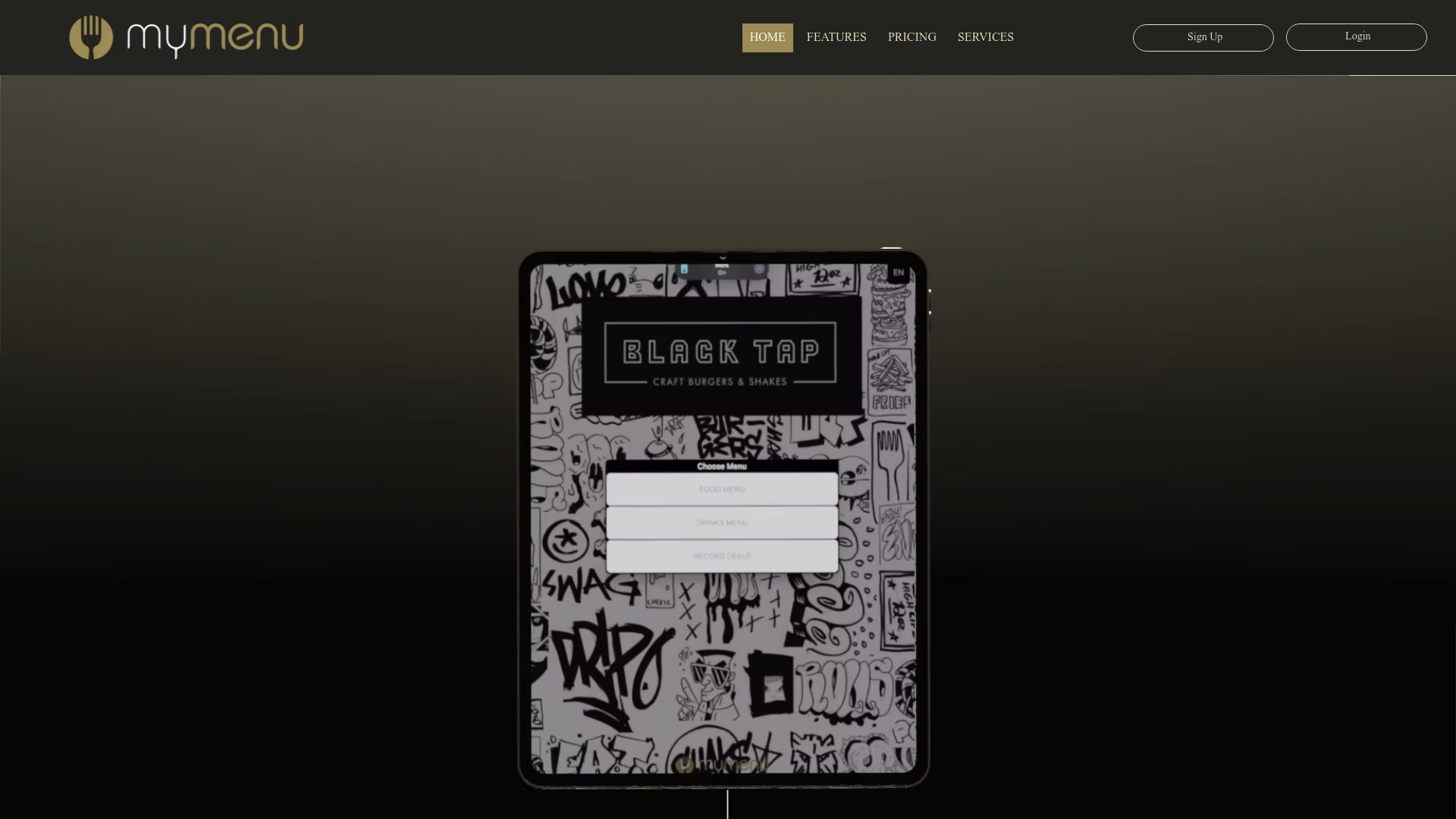
MyDigiMenu makes it straightforward to update prices in real time, run targeted promotions, and collect the guest data you need to make smarter decisions. Whether you want to launch a QR menu for instant, cost-free updates or explore restaurant iPad menus that deliver a rich, immersive ordering experience, the platform gives you the flexibility to test, iterate, and grow. With built-in CRM tools, loyalty programs, and POS integration, you have everything needed to turn dynamic pricing from an idea into a measurable revenue strategy, starting this week.
Frequently asked questions
What types of restaurants benefit most from dynamic menu pricing?
High-volume, quick-serve, and delivery-focused restaurants see the greatest impact, with industry benchmarks showing 10 to 15 percent ticket lifts in QSR environments and 4 to 6 percent monthly revenue gains at chains like Bartaco using delivery channel adjustments.
Does dynamic pricing mean higher prices for guests?
Not necessarily. Dynamic pricing adjusts both up and down, so off-peak promotions often mean lower prices for guests. Success depends on framing the changes as guest benefits rather than penalties, which is exactly why happy hour has always been embraced.
How do I avoid negative customer reactions?
Frame every adjustment as a guest benefit, be transparent about delivery pricing, and start with small pilots on one item during one time window so you can gather real feedback before scaling.
Is dynamic menu pricing legal?
Dynamic pricing is legal in most regions, but consumer backlash and legislation are emerging in some markets following controversies like Wendy’s 2024 situation, so staying current on local consumer protection and disclosure requirements is essential.
How much extra revenue can I expect?
Industry cases report 3 to 15 percent check increases or margin improvements from well-executed dynamic menu pricing, with results varying by restaurant type, guest profile, and how transparently the strategy is communicated.
Recommended
Comments