
Digital Loyalty Program Guide for Hospitality Managers


TL;DR:
A digital loyalty program uses technology to boost repeat visits by replacing paper cards with mobile wallets and QR codes. Success depends on clear KPIs, simple enrollment, and continuous staff training to promote engagement and collect valuable data. Most failures happen due to app download requirements, lack of expiry rules, or poor staff communication.
A digital loyalty program is a technology-driven rewards system that helps hospitality businesses increase repeat visits through mobile apps, digital stamp cards, and wallet passes. This digital loyalty program guide is built specifically for restaurant owners, cafe managers, and hotel operators who want measurable results, not just a shiny new tool. Setting specific KPIs like a 20% increase in repeat purchase rate within six months is the standard benchmark for a successful launch. Mydigimenu integrates digital loyalty directly into its menu and ordering platform, making it one of the most practical entry points for hospitality businesses in 2026.
What does a digital loyalty program guide actually cover?
A digital loyalty program is the industry term for what many operators loosely call a “rewards app” or “stamp card system.” The two concepts are the same, but the digital version replaces paper cards with wallet passes, QR codes, and real-time data. Understanding the distinction matters because the technology you choose shapes every part of the customer experience.

The core benefit is retention. Repeat guests spend more, refer others, and cost far less to keep than new guests cost to acquire. Loyalty data also shifts your marketing from reactive discounting to targeted, insight-driven campaigns. That shift is where hospitality businesses find the real long-term value.
Mydigimenu supports this through built-in loyalty features tied directly to its QR code menus and guest profile capture. Guests who scan a menu can enroll in a rewards program in the same session, without downloading a separate app. That frictionless connection between ordering and loyalty is what separates modern platforms from legacy punch-card replacements.
What do you need before launching a loyalty program?
The most common reason loyalty programs fail is a missing foundation. Operators launch before defining what success looks like, which makes it impossible to measure progress or fix problems early.
Start with three clear decisions:
Define your KPI. Common targets include a 20% repeat purchase rate increase and 500 active members in the first quarter. Pick one primary metric and track it weekly.
Choose your program type. Stamp cards work best for high-frequency, low-ticket venues like cafes and quick-service restaurants. Points programs suit full-service restaurants and hotels where spend per visit varies. Referral programs layer on top of either.
Select your platform. Evaluate platforms on four criteria: ease of enrollment (no app download required), integration with your existing POS, branding flexibility, and cost relative to your guest volume.
Feature category | What to look for |
Enrollment method | Wallet pass or QR scan, no app install required |
POS integration | Works with your current system or uses a smartphone scanner |
Branding control | Custom logo, colors, and card design |
Data and reporting | Real-time redemption rates and member activity |
Cost structure | Flat monthly fee or per-member pricing |
Hospitality businesses with under 10 staff typically do well with entry-level platforms that use a smartphone as the merchant scanner. Larger operations with multiple locations need platforms that support centralized reporting and multi-site member tracking. Mydigimenu fits across both scales because it ties loyalty directly to the digital menu layer guests already interact with.
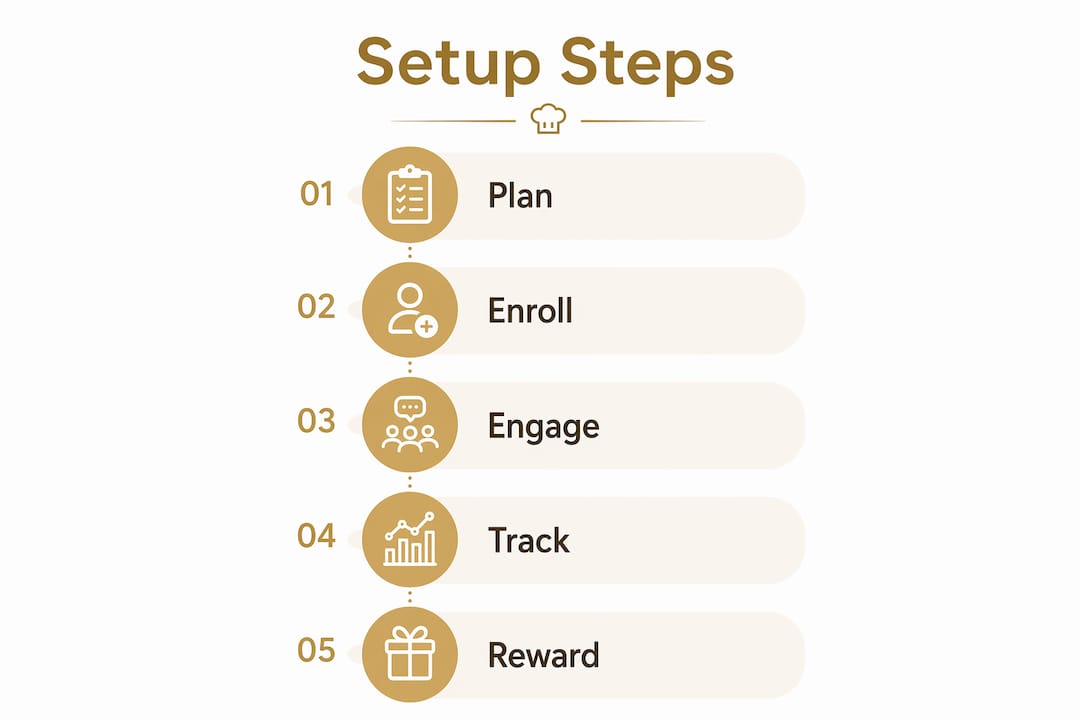
How do you set up a digital loyalty program step by step?
Modern platforms make it possible to launch a digital loyalty program in under 10 minutes. You need a logo, a defined reward structure, and a smartphone to act as the merchant scanner at the point of sale. That low barrier is a genuine advantage for busy hospitality operators.
Follow these steps to complete a clean setup:
Upload your branding. Add your logo, choose your brand colors, and name your program. Guests see this card in their Apple Wallet or Google Wallet, so it should look like an extension of your venue, not a generic template.
Set your reward threshold. For cafes and similar venues, 8 to 12 stamps is the standard recommended range per reward cycle. Fewer than 8 feels too easy and devalues the reward. More than 12 loses guests before they reach redemption.
Define the reward itself. A free item, a percentage discount, or a complimentary upgrade all work. The reward must feel worth the effort without cutting deeply into margin.
Set your expiry rules. Points and stamps with an expiry create urgency and protect you from long-term liability. A 90-day or 180-day window is standard for most hospitality venues.
Generate your enrollment QR code. Place it at the register, on table tents, and on receipts. Guests scan once and the card saves directly to their phone wallet.
Test the full flow. Complete a stamp cycle yourself before going live. Catch any friction before your first real guest does.
Pro Tip: Skip any enrollment step that asks guests to create a new account with an email and password. Wallet pass enrollment requires zero account creation, which is why adoption rates are significantly higher than app-based alternatives.
The digital stamp card format works especially well for cafes and bars because the reward cycle is short enough to feel achievable. Guests see progress after every visit, which is a powerful behavioral motivator.
How do you promote and sustain engagement with your program?
A well-designed program with no promotion is invisible. The most reliable customer retention strategy is making enrollment feel like a natural part of every transaction, not an afterthought.
Staff training is the single biggest driver of enrollment numbers. Continuous team training is the key factor in program adoption, and the best operators treat it as an ongoing conversation, not a one-time briefing. Every team member at the point of sale should know how to explain the program in one sentence and show guests where to scan.
Beyond staff, use every physical and digital surface as a capture point:
QR codes at the register and on every table
Table tents with a short, benefit-focused headline (“Get your 10th coffee free”)
Printed enrollment prompts on receipts
A link in your email signature and on your Google Business profile
A mention in your reservation confirmation messages
Visible capture points at every stage of the guest journey are what separate programs with 50 members from programs with 500. Guests who miss the prompt at the register might catch it on the table. Guests who miss it there might see it on the receipt.
Pro Tip: Review your redemption data every 30 days. Loyalty data reveals which rewards drive return visits and which ones guests ignore. Adjust your reward structure based on what the numbers show, not what you assumed at launch.
The relationship marketing principle behind loyalty programs is simple: guests who feel recognized come back. Data makes that recognition personal and repeatable.
What mistakes should you avoid when implementing a loyalty program?
Most loyalty program failures trace back to three avoidable mistakes. Catching them early saves you months of low enrollment and frustrated staff.
Requiring a standalone app download. App installation friction is the number one adoption killer. Guests who must download a new app before earning their first stamp rarely complete the process. Wallet passes solve this entirely.
Skipping expiry settings. Unredeemed points accumulate as a financial liability. Expiry rules protect your business and push guests to redeem before they disengage.
Undertrained staff. A program your team cannot explain confidently will never gain traction. Treat the launch week as a training sprint, then revisit training monthly.
“The biggest missed opportunity in loyalty programs is not the technology. It is the gap between what the platform can do and what the team actually communicates to guests at the point of sale. Close that gap and enrollment numbers follow.”
Use this checklist if your program is underperforming:
Are enrollment QR codes visible at every capture point?
Can every staff member explain the program in under 15 seconds?
Are stamp expiry rules active and communicated to guests?
Is your reward threshold set between 8 and 12 stamps?
Are you reviewing redemption data at least monthly?
Fixing even two of these five points typically produces a measurable improvement in active member counts within 30 days. For a deeper look at how loyalty mechanics work across different hospitality formats, the structural principles apply whether you run a single cafe or a multi-property hotel group.
Key Takeaways
A digital loyalty program succeeds when it combines frictionless enrollment, a well-calibrated reward structure, consistent staff promotion, and data-driven adjustments made at least monthly.
Point | Details |
Define KPIs before launch | Set a specific target like 20% repeat purchase rate increase before building anything. |
Use wallet passes, not apps | Apple Wallet and Google Wallet enrollment removes the biggest adoption barrier. |
Set stamp thresholds correctly | An 8–12 stamp range keeps guests motivated without devaluing the reward. |
Train staff continuously | Every team member at the point of sale must be able to explain the program in one sentence. |
Review data monthly | Redemption data shows which rewards work and which ones need adjustment. |
Why I think most hospitality managers underestimate the staff factor
After watching dozens of loyalty program launches across restaurants, cafes, and hotels, the pattern is consistent. Operators spend weeks choosing the right platform and designing the perfect stamp card, then brief the team for 10 minutes before opening on launch day. Six weeks later, they wonder why enrollment is flat.
The technology is rarely the problem. The gap is almost always between what the platform can do and what guests actually hear at the counter. A staff member who mentions the program with genuine enthusiasm during checkout converts at a rate that no QR code on a table tent can match. That human moment is irreplaceable.
The shift I find most exciting in 2026 is the move from loyalty as a discount mechanism to loyalty as a data asset. Operators who treat their program data seriously, who look at redemption patterns and adjust rewards accordingly, are building a retention engine that compounds over time. Those who set it and forget it are running an expensive punch card.
My honest advice: treat your first 90 days as a learning phase. Set your KPIs, launch with wallet passes, train your team weekly, and review the data every month. The program you run in month four will be meaningfully better than the one you launched, and that improvement is where the real retention gains live.
— Abhi
How Mydigimenu brings loyalty and digital menus together
Mydigimenu is built for hospitality businesses that want loyalty and digital ordering to work as one connected experience, not two separate systems bolted together.
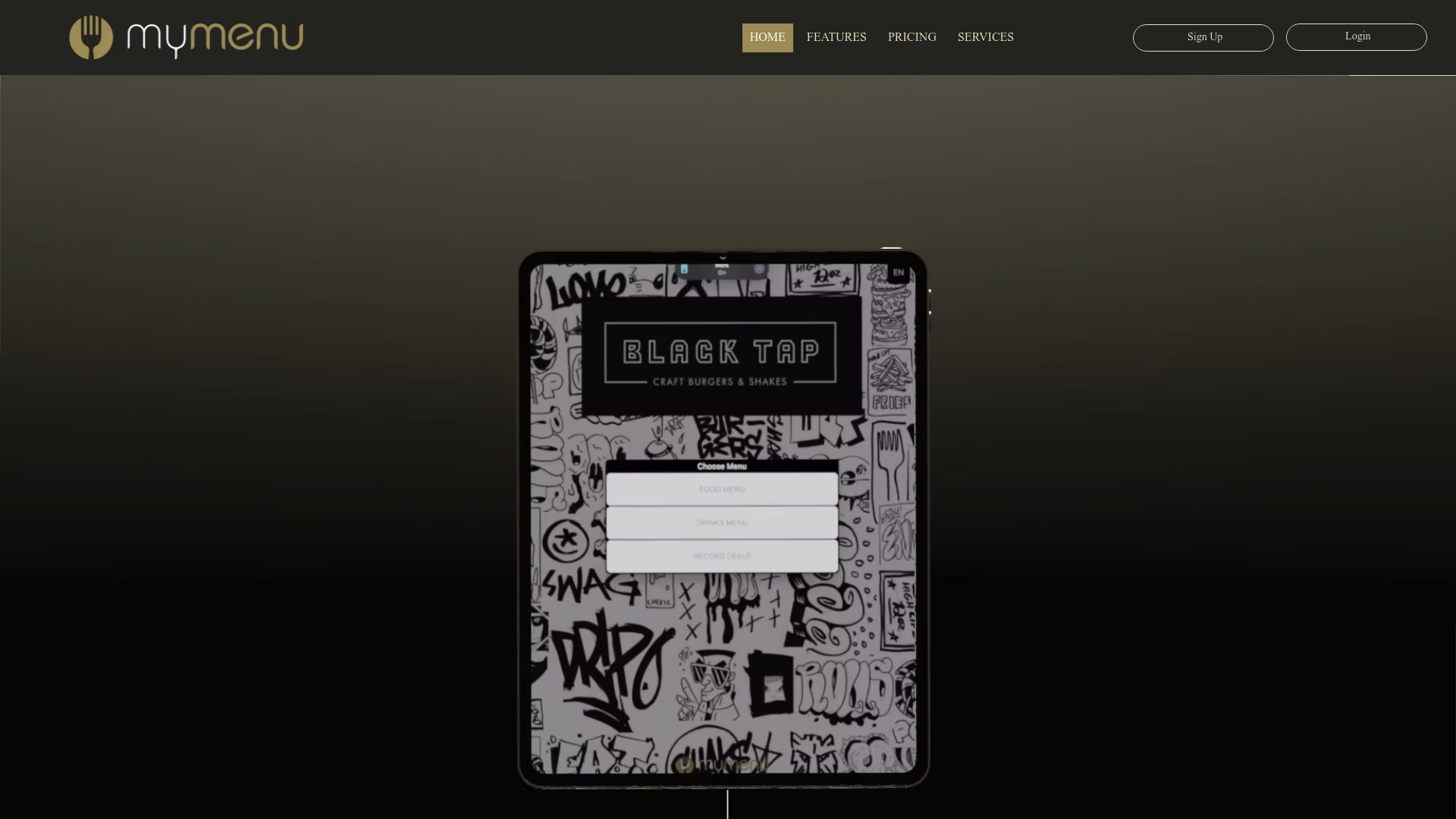
Guests who scan a QR menu can enroll in your loyalty program in the same session, with no app download and no separate sign-up form. The platform supports digital stamp cards, guest profile capture, CRM integration, and targeted campaigns, all within a single dashboard. Setup takes minutes, and the pricing plans are structured to fit venues from single-location cafes to multi-property hotel groups. If you want a loyalty program that guests actually use, Mydigimenu gives you the tools to build one without the complexity.
FAQ
What is a digital loyalty program?
A digital loyalty program is a technology-driven rewards system that tracks customer visits or purchases through digital stamp cards, wallet passes, or mobile apps, replacing paper punch cards with real-time data.
How long does it take to set up a digital loyalty program?
Modern platforms allow a full setup in under 10 minutes using just a logo, a defined reward structure, and a smartphone as the merchant scanner at the point of sale.
How many stamps should a hospitality loyalty card require?
An 8–12 stamp range per reward cycle is the standard for cafes and similar venues. Fewer than 8 devalues the reward; more than 12 risks losing guests before they reach redemption.
Why do loyalty programs fail to get enrollments?
The most common cause is requiring guests to download a standalone app. Programs using Apple Wallet or Google Wallet passes see significantly higher adoption because there is no installation step.
Should loyalty points or stamps have an expiry date?
Yes. Setting an expiry creates urgency for guests to redeem and protects the business from accumulating long-term financial liability from unredeemed rewards.
Recommended
Comments