
Hotel Banquet Menu Management Tips for Coordinators


TL;DR:
Effective banquet management relies on modular menu design, real-time software-driven BEO updates, and tiered pricing. These practices protect margins, enhance guest satisfaction, and reduce operational errors in large hotel events.
Banquet menu management is the structured process of designing, pricing, and executing food and beverage programs for large group events within a hotel setting. The best hotel banquet menu management tips share one common thread: operational discipline paired with guest-centered design. Venues using integrated management software report up to a 20% increase in booking conversions. That number reflects how much menu coordination, software, and contract structure matter before a single plate leaves the kitchen. Whether you manage corporate luncheons or weekend galas, the principles of banquet event order (BEO) management, modular menu engineering, and tiered pricing apply directly to your bottom line.
1. How can modular menu design optimize banquet operations?
Modular menu design is the practice of building a menu from interchangeable, batch-producible components rather than one-off dishes. It protects margin, supports kitchen speed, and keeps service consistent across 50 or 500 guests.
The core idea is simple. Each module, such as welcome bites, plated mains, vegetarian alternatives, and desserts, is produced in large batches using shared kitchen stations. This reduces prep time, limits equipment conflicts, and gives your team a repeatable rhythm for every event.
Banquet menu engineering is commercial service design focused on batch production and timing, not the artistic complexity of à la carte cooking. That distinction matters. Coordinators who treat banquet menus like restaurant menus end up with overloaded kitchens and inconsistent plates.
The most common modular menu structure includes:
Welcome bites: 2–3 passed canapés that require no plating station
Starter course: One soup or salad that scales easily across all covers
Main course: Two protein options plus one vegetarian, all from the same oven or grill station
Dessert: One plated option and one buffet-style station for flexibility
Refresh your modules every quarter. Seasonal ingredients reduce cost, and rotating options keep repeat corporate clients engaged. Guest feedback and waste tracking tell you which modules to keep and which to retire.
Pro Tip: Limit your main course to two protein choices. More than two creates exponential complexity in plating, portioning, and service timing without meaningfully improving guest satisfaction.
2. What role does banquet management software play?
42% of hotels still use disconnected systems that cause revenue leakage. Dedicated venue management software, distinct from a property management system (PMS), solves this by handling food and beverage event specifics and feeding real-time financial data back to the PMS.
The operational benefits are concrete:
Integrated CRM: Stores client preferences, dietary histories, and past event data for faster proposals
Automated BEO generation: Pulls menu selections, guest counts, and room layouts into one document
Kitchen communication: Pushes updates to kitchen display systems the moment a change is confirmed
Billing accuracy: Ties food costs directly to guest count bands for clean financial reporting
AI-assisted forecasting: AI-assisted forecasting with CRM and registration APIs enables reliable planning and frees managers from spreadsheets
The BEO is the operational spine of every banquet. Treat the BEO as a living document that updates in real time across kitchen, service, and billing teams. Unsynchronized BEOs cause operational failure and revenue loss. A change in dietary count confirmed by phone but never entered into the system will show up as a shortage on the night of the event.
Pro Tip: Set a rule that no verbal BEO change is valid until it appears in the software. This one habit eliminates the majority of last-minute kitchen surprises.
3. How to plan portion sizes and quantities for different banquet formats
Portion planning is where banquet coordinators most often lose money quietly. Overportioning drives food cost above target. Underportioning drives guest complaints. The standard benchmarks give you a clear starting point.
Banquet Format | Food Per Person | Notes |
Plated sit-down | 400–600g | Per course, excluding beverages |
Buffet | 250–350g | Variety offsets smaller individual portions |
4–6 hour event (total) | 1.2–1.4 kg | Includes appetizers, mains, and dessert |
Standard portion sizes set 400–600g of food per person for plated sit-down banquets and 250–350g per person for buffet formats. For longer events running 4–6 hours, total food per person reaches 1.2–1.4 kg when appetizers and dessert are included. These figures assume a standard adult appetite and should be adjusted upward for athletic or labor-intensive guest groups.
Separate your purchasing by ingredient type. Purchase proteins and produce separately to maintain freshness and reduce waste. Proteins can be ordered further in advance. Produce should arrive 24–48 hours before service. Cloud-based tracking tools let you adjust orders as final guest counts come in, reducing the risk of over-purchasing perishables.
Track waste ratios after every event. A consistent 15% waste rate on a specific dish signals a portioning or preference problem. Use that data to recalibrate your next proposal for similar events.
4. What pricing and contract strategies protect margin amid guest count changes?
Guest count variability is the single biggest financial risk in banquet management. A client who books for 200 guests and confirms 160 three days before the event can erase your food cost buffer if your contract does not account for it.
Tiered pricing with three or more headcount bands allows flexible management of RSVPs and protects margins with defined surcharges for late guest increases. A typical tiered structure looks like this:
Band 1: 50–100 guests at a base per-head rate
Band 2: 101–200 guests at a reduced per-head rate reflecting economies of scale
Band 3: 201+ guests at the lowest per-head rate with minimum spend requirements
Late increase surcharge: Any guest count increase within 72 hours triggers a fixed surcharge per additional cover
Final lock clause: Dietary breakdowns locked at least 7 days before the event with no downward adjustments without a signed change order
Link food, beverage, room rental, and staffing costs to the same guest count bands. This keeps your financial model coherent and makes it easier to explain cost changes to clients. Software that supports multi-tier pricing and financial reporting makes this structure visible to both your sales team and your finance department in real time.
5. What are the most common banquet menu mistakes and how do you avoid them?
Excessive menu options, a disconnect between sales promises and kitchen ability, and failure to refresh menus are the three most damaging mistakes in banquet menu management. Each one is preventable with clear process and communication.
The most frequent errors coordinators encounter include:
Too many dish choices: More than three main course options overloads the kitchen and slows service. Guests rarely notice the reduction; kitchen teams always notice the relief.
Sales-kitchen disconnect: A sales coordinator who promises a dish the kitchen cannot execute at volume creates a crisis on event day. Sales and kitchen teams must review every new menu together before it goes to a client.
Stale menus: Menus that have not changed in 12 months signal complacency to repeat clients and miss seasonal cost advantages.
Late dietary communication: Dietary breakdowns confirmed after the 7-day lock create purchasing errors and plating confusion. Build the lock into your contract and enforce it.
No feedback loop: Running events without collecting waste data and guest feedback means you repeat the same portioning errors indefinitely.
Cross-department communication is the fix for most of these problems. A weekly 30-minute sync between your sales coordinator, executive chef, and banquet manager catches misalignments before they reach the client.
Pro Tip: Create a one-page “menu promise sheet” that sales coordinators sign off on with the kitchen before every proposal goes out. It takes five minutes and prevents hours of event-day damage control.
Key takeaways
Effective banquet menu management requires modular design, software-supported BEO discipline, and tiered pricing contracts to protect both guest satisfaction and operational margin.
Point | Details |
Modular menu design | Limit main courses to two proteins and build from batch-producible modules to protect kitchen speed. |
Software-driven BEO management | Treat the BEO as a live document; unsynchronized updates cause revenue loss and operational failure. |
Portion benchmarks | Use 400–600g per person for plated events and 250–350g for buffets as your baseline. |
Tiered pricing contracts | Lock dietary counts 7 days out and apply surcharges for late guest count increases. |
Feedback and waste tracking | Monitor waste ratios after every event to refine portioning and retire underperforming dishes. |
What I’ve learned from watching banquet operations evolve
The shift from manual spreadsheets to software-assisted banquet management is not just a technology upgrade. It changes the entire culture of how a hotel’s food and beverage team operates. When I look at properties that consistently deliver strong banquet margins and high guest satisfaction scores, the common factor is not the menu itself. It is the discipline behind it.
Modular menus do something that coordinators often underestimate. They give kitchen teams confidence. When a chef knows exactly what is being produced, in what quantity, and in what sequence, the quality of execution rises. Guests feel that confidence in the food, even if they cannot name why.
The sales-kitchen relationship is where most banquet operations quietly break down. Sales teams are incentivized to say yes. Kitchens are incentivized to deliver quality. Without a shared review process, those two goals collide on event night. The fix is not a new software platform. It is a standing meeting and a signed menu promise sheet.
Sustainable waste reduction deserves more attention as a margin lever. Coordinators who track waste ratios event by event find that small portioning adjustments compound into meaningful cost savings over a full calendar year. That data also makes you a more credible partner to clients who care about sustainability.
My honest advice for 2026: adopt the technology, build the modular menus, and write the tiered contracts. But do not skip the human coordination layer. The best banquet operations run on both.
— Abhi
How Mydigimenu supports your banquet menu workflow
Hotel banquet coordinators who manage high-volume events need menu tools that update instantly and present beautifully to guests. Mydigimenu’s digital tablet menu platform lets you customize banquet menus with high-quality food visuals, dietary filters, and multilingual support, all without reprinting a single page.
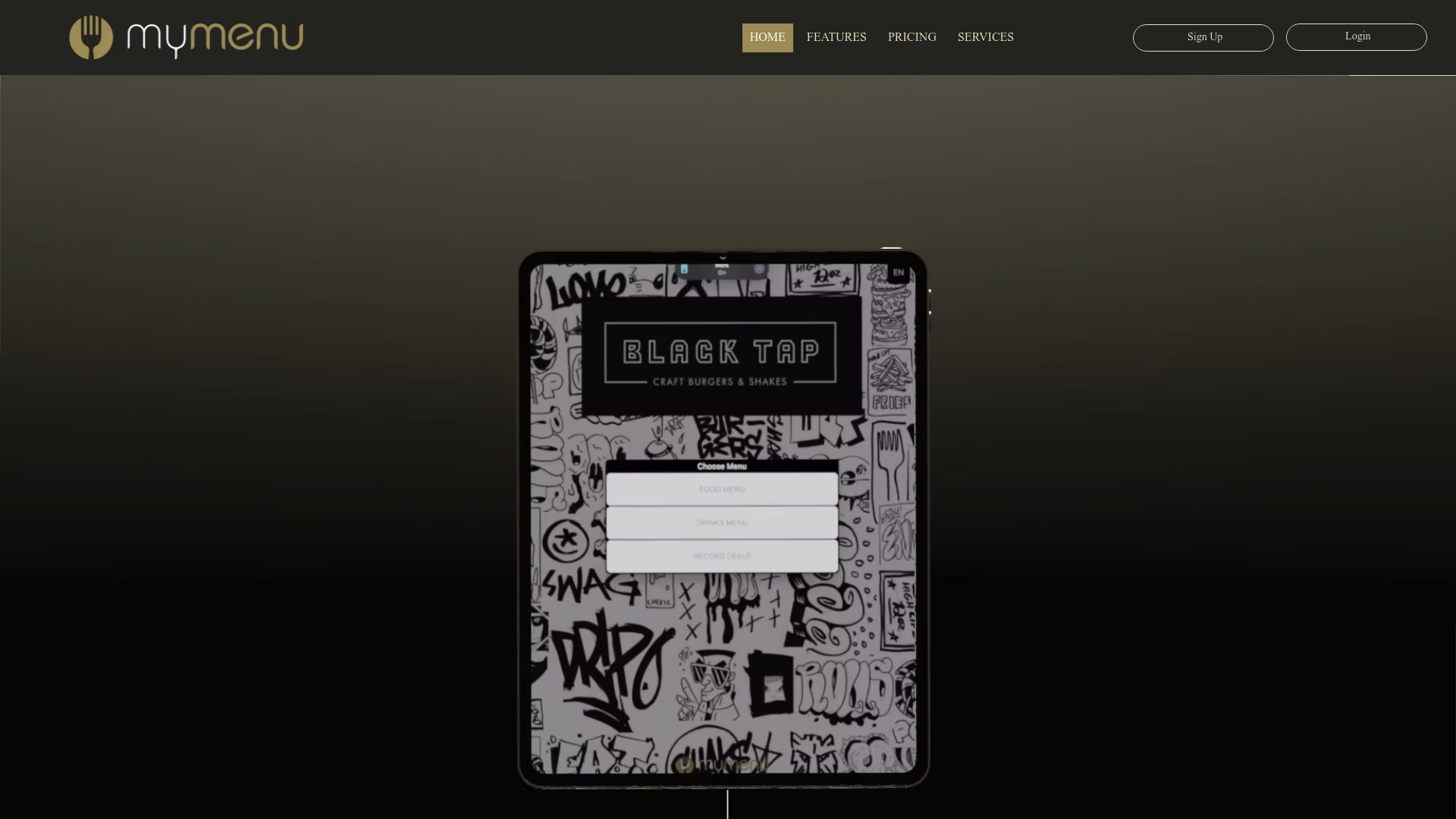
When a last-minute dietary change comes in, you update the menu once and every tablet in the banquet hall reflects it immediately. Mydigimenu also supports hotel food ordering workflows that connect guest selections to your kitchen and billing systems, reducing manual errors and speeding up service. For coordinators ready to bring their banquet menu management into 2026, Mydigimenu offers a practical starting point worth exploring.
FAQ
What is banquet menu management?
Banquet menu management is the process of designing, pricing, portioning, and coordinating food and beverage programs for large group events. It includes BEO management, portion planning, and cross-department communication between sales and kitchen teams.
How far in advance should dietary counts be locked?
Final dietary breakdowns should be locked at least 7 days before the event, with no downward adjustments permitted without a signed change order. This standard protects purchasing accuracy and kitchen planning.
What portion size is standard for a plated banquet?
The standard portion for a plated sit-down banquet is 400–600g of food per person per course. For full events running 4–6 hours, total food per person including appetizers and dessert reaches 1.2–1.4 kg.
What is the role of banquet management software?
Dedicated venue management software handles BEO generation, CRM integration, kitchen communication, and financial reporting for events. It is distinct from a PMS and reduces revenue leakage caused by disconnected systems.
How does tiered pricing protect banquet margins?
Tiered pricing links per-head rates and staffing costs to defined guest count bands, with surcharges applied for late increases. This structure gives coordinators financial predictability even when RSVPs shift close to the event date.
Recommended
Comments