
Contactless dining trends for 2026: Innovations restaurants need

TL;DR:
In 2026, restaurant success depends on balancing frictionless digital solutions with genuine hospitality to enhance guest loyalty. Evaluating contactless tools using criteria like ease of use, labor savings, guest satisfaction, and integration ensures strategic investments. Top trends include unified commerce, advanced QR menus, back-of-house automation, and seamless cross-platform experiences that prioritize staff engagement.
Restaurant managers heading into 2026 face a pressure that feels almost theatrical: guests expect faster, frictionless service, while labor costs and slim margins demand radical efficiency. The old model of pen-and-paper orders and flag-down service is quietly giving way to a new era where intuitive digital touchpoints handle the mundane, freeing your team to focus on what truly wins loyalty. This guide cuts through the noise to bring you the most impactful contactless dining trends of 2026, a practical framework for evaluating them, and honest guidance on preserving the hospitality magic that no app can replicate.
Table of Contents
Key Takeaways
Point | Details |
Guest friction reduction | Contactless dining in 2026 focuses on removing hassle and delays for guests. |
Unified commerce advantage | System integration delivers a consistent guest experience across all channels. |
Hospitality balance | Technology must support, not replace, memorable human interactions. |
Flexible solutions | Different venues benefit from tailored approaches such as QR menus or all-in-one systems. |
How to evaluate contactless dining solutions
To decide which trends to adopt, you first need a clear evaluation framework for contactless solutions. Not every shiny new tool will fit your venue, and adopting technology without a structured lens can lead to wasted investment and frustrated staff. The smartest managers treat technology evaluation the same way they approach menu engineering: with criteria, context, and a clear sense of what success looks like.
Start with four core criteria:
Friction reduction: Does the solution genuinely make it faster and easier for guests to browse, order, and pay? Solutions that add steps or require app downloads often create more friction, not less.
Labor savings: Can the tool reduce repetitive, low-value tasks so your team can focus on high-value guest interactions? Consider real hours saved per shift, not just theoretical capacity.
Guest satisfaction impact: Does the solution improve measurable outcomes like table turn times, average spend, or feedback scores? Always pilot new tools and collect before-and-after data.
Integration ease: How well does the solution connect with your existing point-of-sale (POS) system, kitchen display systems, and delivery platforms? Isolated tools create data silos that drain time.
Industry research confirms that digital menus and friction removal are now operational priorities, driven by persistent margin pressure and labor constraints. This means vendors who cannot articulate exactly how their product addresses at least two of these criteria should be approached with caution.
When speaking with vendors, push them on real-world deployment timelines, the quality of their onboarding support, and how they handle system outages. Ask for references from venues of a similar size and service style to yours. Review the complete guide to contactless dining to benchmark your current setup against industry best practices before those vendor conversations begin.
Measuring ROI does not need to be complicated. Track average check size before and after implementation, monitor table turn time, and survey guests about their ordering experience. Even a simple monthly review of these three indicators will tell you whether a solution is earning its keep or collecting digital dust.
Pro Tip: Run a structured 30-day pilot at one station or one dining section before a full rollout. This limits risk, generates real data, and gives staff time to build confidence without overwhelming the whole operation.
Top contactless dining trends shaping 2026
With a selection framework in place, let’s break down the high-impact trends defining 2026. The landscape has matured significantly since the early days of pandemic-era QR codes. Today’s most powerful innovations are about orchestration, intelligence, and seamless experience across every touchpoint a guest encounters.
1. Unified commerce integration
The single most transformative shift in 2026 is the move toward unified commerce. This means aligning your in-venue ordering, mobile ordering, and third-party delivery platforms so that guest data and order history flow through a single source of truth. As one industry analysis puts it, unified commerce means “the guest experience is consistent and data is a single source of truth” across all channels. The practical impact is enormous: loyalty points accumulate regardless of ordering channel, personalized recommendations appear whether a guest is dining in or ordering ahead, and kitchen operations see every ticket from every platform in one view.
2. Advanced QR menus with intelligent upselling
Static QR menus that simply display a PDF are yesterday’s news. The 2026 standard includes dynamic QR menus that adapt to the time of day, flag allergens automatically, suggest popular pairings, and support multiple languages and currencies without any configuration from the guest. An efficient digital ordering workflow built around these menus can meaningfully lift average check size through contextual upselling, often surfacing high-margin add-ons like desserts or premium beverages at exactly the right moment.
3. Non-guest-facing automation
The automation conversation in 2026 has wisely shifted away from guest-facing robots and toward back-of-house efficiency. Think automated cleaning systems, inventory management tools, and predictive ordering software that reduces food waste. This keeps the human warmth of your dining room intact while trimming operational costs invisibly. Understanding a complete guide to online ordering systems helps managers see how digital ordering connects to these back-of-house improvements.
4. Seamless cross-platform consistency
Guests who order on your app on Monday and dine in on Friday should feel like the restaurant knows them. Cross-platform consistency means shared guest profiles, consistent branding, and order history that travels with the guest. This is where CRM integration earns its value, turning a one-time visitor into a recognized regular who receives personalized offers and remembers your brand fondly.
“The restaurants winning in 2026 are not the ones with the most technology. They are the ones where every piece of technology feels invisible, intuitive, and genuinely helpful to both the guest and the team behind the counter.”
Pro Tip: Before adopting a new platform, map out every touchpoint in a guest’s journey from discovery to payment. Any step that requires the guest to switch apps, re-enter information, or wait for a staff member to intervene is an opportunity for a better solution.
Comparison: 2026 contactless solutions at a glance
Understanding the trends, it’s helpful to compare today’s contactless solution types directly. Three categories dominate the conversation: QR-based menus, tablet menus, and fully integrated ordering systems. Each has a distinct cost profile, guest experience footprint, and operational impact.
Solution type | Setup cost | Guest friction | Labor savings | Customization | System integration | Best fit |
QR menu (basic) | Low | Very low | Moderate | Limited | Minimal | Small cafes, pop-ups |
QR menu (advanced) | Low to medium | Very low | High | High | Strong | Casual dining, fast casual |
Tablet menu | Medium | Low | High | High | Strong | Full-service restaurants, hotels |
Fully integrated system | High | Very low | Very high | Very high | Excellent | Multi-location, high volume |
Advanced QR menus offer an outstanding entry point because they require no hardware investment beyond the guest’s own device and no app download. They pair especially well with venues that have variable seat counts or seasonal outdoor areas. For a practical breakdown of how to apply step-by-step digital ordering across your service model, review the workflows that align each station with the right digital tool.
Tablet menus bring a premium feel that resonates in full-service and hotel dining environments. Guests interact with a branded, high-resolution screen that showcases mouthwatering food imagery and detailed descriptions. The tactile experience feels intentional rather than improvised, which matters for venues where atmosphere is part of the product. Explore how digital table ordering can actively enhance the guest engagement cycle, from first browse to final payment.
Fully integrated systems demand a larger initial investment but deliver the highest long-term returns for multi-location operators or high-volume venues. When your kiosk, QR menu, mobile app, and delivery platform all feed the same data engine, you gain visibility that transforms every operational decision, from staffing schedules to promotional timing.
As industry research notes, margin pressure and labor constraints are making friction removal a top priority. Choosing the right solution type for your specific context is therefore not just a technology decision. It is a strategic one with direct impact on your bottom line.
Best practices for implementing contactless tech without losing hospitality
With options compared, managers must ensure technology upgrades do not erode what makes their business special. This is the tension at the heart of every tech adoption conversation in hospitality: efficiency should never come at the cost of the warmth and personal attention that guests genuinely remember.
Here are the practices that top-performing venues use to keep that balance intact:
Automate the invisible, not the human. Deploy technology to handle repetitive back-of-house tasks like inventory tracking, cleaning schedules, and order routing. Reserve your team’s energy for the moments guests actually notice, including the warm greeting, the personalized recommendation, and the thoughtful check-in mid-meal.
Train staff as hospitality amplifiers. When a team member understands that the digital menu handles order accuracy and upselling prompts, they can shift their focus entirely to reading the table, anticipating needs, and creating the kind of moment a guest talks about afterward. Technology does not replace training. It changes what training needs to focus on.
Use guest data to personalize, not to automate away. CRM data captured through social login or loyalty programs should inform how your staff engages with returning guests, not just trigger generic email campaigns. Imagine a server greeted with a notification that a guest celebrating a birthday prefers a corner table and ordered the tasting menu last time. That is technology serving hospitality, not replacing it.
Maintain clear opt-out pathways. Some guests, particularly older demographics or those visiting for special occasions, will always prefer to order with a person. Ensuring staff are visible, approachable, and genuinely empowered to step in creates trust and prevents the sterile, transactional feeling that poorly implemented contactless tech can produce.
Collect feedback and act on it visibly. Digital feedback tools embedded in the ordering platform give you real-time sentiment data. More importantly, when guests see that feedback leads to visible changes, they feel valued. That is loyalty built without a single loyalty points transaction.
The 2026 industry trend discussions around automation consistently steer robotics and automation toward repetitive tasks specifically to preserve human connection as a competitive differentiator. The most resilient operations understand that contactless does not mean connectionless.
“The goal is not to remove people from the dining experience. It is to remove the friction that prevents people from doing what they do best.”
Reviewing efficiency through digital tools reveals how even small workflow adjustments—like eliminating the manual order relay from server to kitchen—can free meaningful staff time for guest-facing attention across a full service period.
The contactless dining opportunity: Lessons from 2026’s leaders
Now, let’s see what the top-performing restaurants have learned beyond the trends. Here is a view that the headline predictions rarely surface: the restaurants generating the highest revenue per cover in 2026 are not the most automated. They are the most intentional about where they apply technology and where they deliberately hold back.
The conventional wisdom suggests that more contactless equals more efficiency equals more profit. But the operators who are actually pulling ahead understand something subtler. A frictionless QR ordering experience can lift average check size, yes. But it is the server who appears at the exact right moment to say “that wine pairs beautifully with what you ordered” that turns a satisfied guest into an advocate. Technology creates the opening. People fill it with meaning.
There is also a real risk that gets underplayed in vendor pitches: staff disengagement. When teams feel that technology is being used to monitor them or gradually reduce their relevance, morale erodes. The operators we observe thriving in 2026 frame every tech rollout as a tool for their team, not a metric to manage them. They ask, “How does this make your job better?” before asking, “How much labor can this save?”
The most sustainable path to contactless adoption is building a culture where staff feel proud of the digital experience they help deliver. When a server confidently guides a hesitant guest through the QR menu and then uses the time saved to have a genuine conversation about the sourcing of the evening’s special, that is a dash of digital turning everyday service into an extraordinary memory.
Exploring guest engagement with digital ordering reveals how the best platforms are designed not to automate connection away, but to give it more room to breathe. That is the real opportunity in 2026.
Upgrade your dining experience: Explore digital menu solutions
Ready to see how your restaurant can implement these trends? Here’s where to begin.
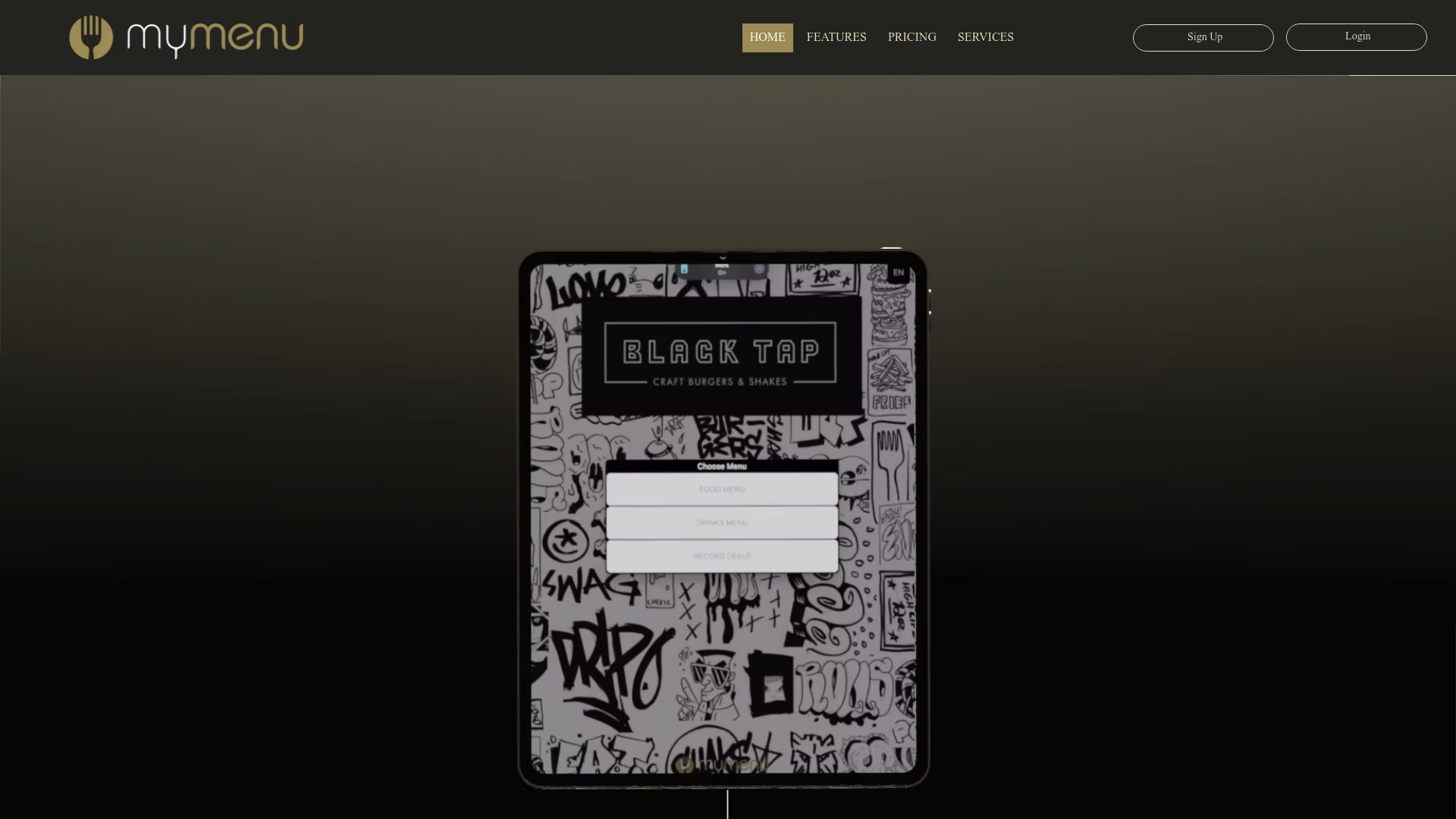
MyDigiMenu.com brings together everything covered in this article into one intuitive platform built specifically for hospitality. Whether you are starting with a dynamic QR menu generator that requires no app download and supports multiple languages and currencies, or stepping into the premium guest experience of tablet dining menus with rich food visuals and integrated upselling prompts, the platform is designed to reduce friction without reducing warmth. It connects with your existing POS, supports loyalty programs, captures guest profiles, and adapts to your brand’s look and feel. Check digital menu pricing to find the plan that fits your venue size and ambitions, and take the first step toward a dining experience that feels both effortlessly modern and genuinely welcoming.
Frequently asked questions
What are the biggest benefits of contactless dining in 2026?
The biggest benefits are reducing guest friction, saving labor costs, and providing a seamless digital experience, since digital menus and friction removal are now top operational priorities due to rising margin pressure and labor constraints.
How does unified commerce improve the restaurant guest experience?
Unified commerce ensures consistency by connecting mobile, delivery, and on-premise ordering, so the guest experience remains seamless and data flows through a single source of truth, enabling smarter personalization and better analytics.
Can introducing contactless dining hurt the hospitality experience?
If not balanced carefully, it can feel impersonal, but thoughtful implementation actually frees staff for more meaningful moments, since 2026 trend guidance specifically directs automation toward repetitive tasks to protect human connection as a differentiator.
Which contactless solution works best for small restaurants?
QR menus and single-platform digital ordering systems are the most cost-effective and flexible options for smaller venues, requiring minimal hardware and no guest app downloads to get started.
Do guests really want less human interaction in 2026?
Most guests prefer a balance: fast, frictionless ordering through digital tools combined with authentic, personalized attention from staff that feels warm and genuinely attentive rather than scripted.
Recommended
Comments