
What Is Digital Guest Feedback for Hotels in 2026


TL;DR:
Digital guest feedback encompasses every guest sentiment collected through digital channels throughout the entire stay, providing more actionable insights than public reviews alone. Automating and centralizing feedback collection allows hotels to respond promptly to issues, turning guest signals into operational improvements. Integrating feedback into daily operations and staff training ensures continuous service enhancement and higher guest satisfaction.
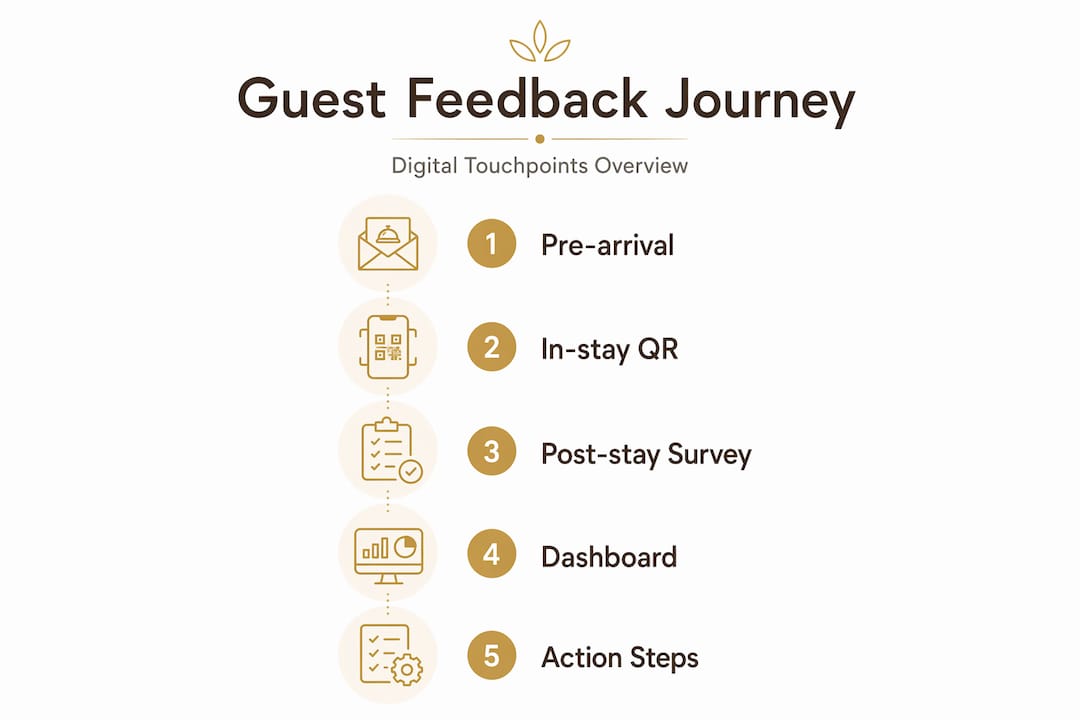
A guest checks out of your property, leaves no comment at the front desk, and posts a scathing three-star review two hours later. You had no idea anything was wrong. This scenario, painfully familiar to many hospitality professionals, is exactly what understanding digital guest feedback is designed to prevent. So what is digital guest feedback, really? It goes far beyond public star ratings. It encompasses every complaint, suggestion, and compliment collected through digital channels across the entire guest journey, from pre-arrival emails to post-stay surveys, in-room QR codes, and smart device prompts.
Table of Contents
Key takeaways
Point | Details |
Feedback is more than reviews | Digital guest feedback spans surveys, in-app prompts, QR codes, and smart devices across the full guest stay. |
Automation changes the game | Timed, automated surveys at key journey moments capture fresher responses and speed up issue resolution. |
Centralization is the real power move | Unified dashboards that merge reviews, surveys, and social signals give teams one clear picture to act on. |
Closing the loop matters most | Collecting feedback without acting on it operationally is the single biggest failure in most hotel programs. |
Feedback is business intelligence | The most successful properties mine recurring feedback patterns for operational fixes, not just reputation scores. |
What digital guest feedback actually means
Digital guest feedback includes every piece of guest sentiment collected through digital channels along the stay journey. That covers email surveys sent after checkout, in-room tablet prompts mid-stay, QR code surveys placed at the pool or restaurant, online review platforms, messaging apps, and even smart in-room devices that capture real-time reactions.
The common misconception worth addressing head-on: many teams treat “guest feedback” as a synonym for “online reviews.” That framing misses the majority of the signal. Public reviews are the final echo of an experience. Digital feedback mechanisms, by contrast, can catch a problem while the guest is still on property, giving you a genuine chance to recover.
The full picture of what falls under this category includes:
Pre-arrival feedback: Survey responses about guest preferences or accessibility needs collected via email or booking confirmation links
In-stay feedback: Real-time input gathered through QR codes in rooms, lobby tablets, or mobile messaging prompts
Post-stay surveys: Automated email or SMS questionnaires sent within hours of checkout
Online review channels: Public platforms that aggregate guest sentiment after departure
In-room smart devices: Voice-enabled or screen-based tools that allow guests to report issues or rate services instantly
Each channel serves a different purpose and captures a different emotional moment. The pre-arrival response tells you what a guest values. The in-stay QR scan tells you what is going wrong right now. The post-stay survey tells you what they will remember. Together, they form a layered picture no single channel could provide alone.
Pro Tip: Place your in-stay QR feedback link at friction points specifically: the bathroom door, beside the minibar, and at the pool lounge. These are the moments guests notice small disappointments and are most likely to respond.
How collection is automated and why it matters
Guest feedback automation describes systems that collect, analyze, and respond to guest input automatically through timed surveys or messages triggered at key journey points. This automation does something manual collection simply cannot: it captures feedback when the experience is freshest in the guest’s mind.
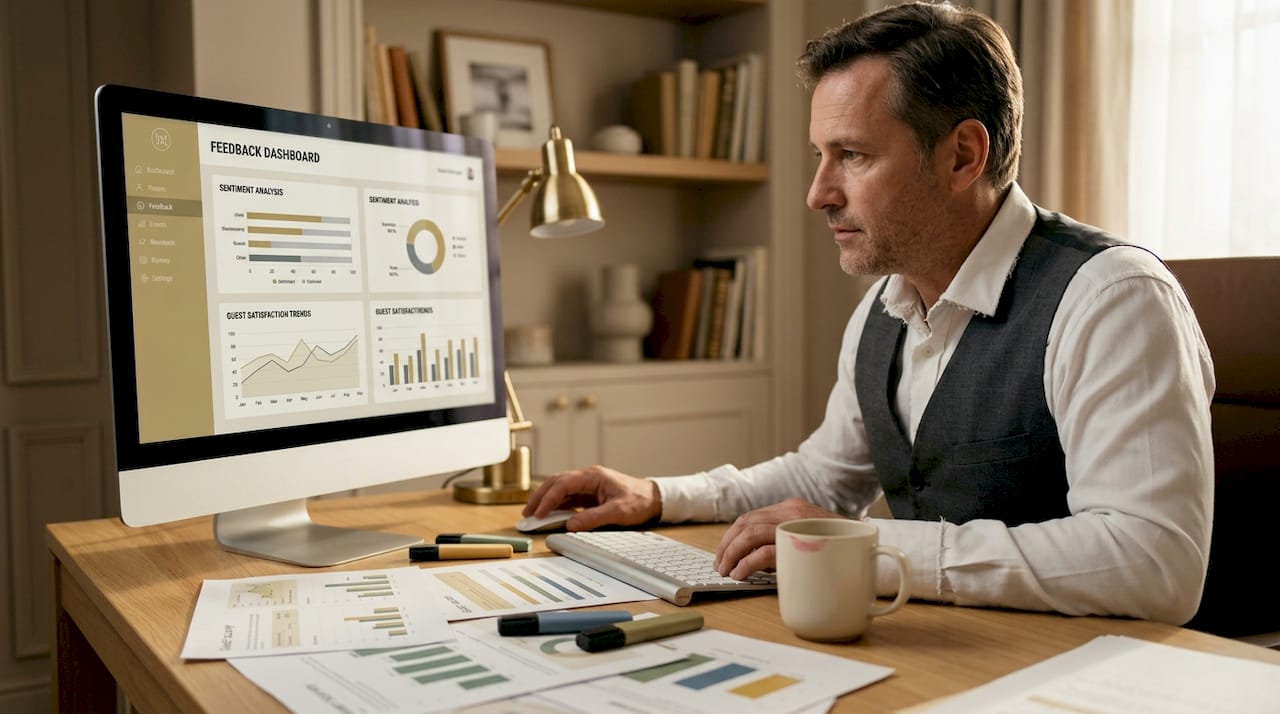
Think about the timing difference. A survey sent within two hours of checkout generates more specific, emotionally accurate responses than one sent two days later. Automation makes that precision possible at scale, without relying on a staff member to remember to send the message.
QR code surveys illustrate this beautifully. A dynamic QR code placed in a hotel room opens a customizable guest survey in under five minutes of setup, with guests typically submitting their responses in about 30 seconds. That frictionless design means higher response rates and more honest answers, because there is no form fatigue and no social pressure from a staff member watching nearby.
One of the most operationally powerful applications: hotels place QR codes in rooms and common areas to collect real-time feedback with location-tagged alerts. When a guest at room 412 scans a QR code and reports a broken air conditioner, the alert routes directly to maintenance with the room number already attached. The issue gets resolved before checkout. The guest leaves feeling heard. The negative review never gets written.
Data privacy deserves attention here. Guest-friendly feedback design means keeping surveys short, being transparent about how data is used, and never making participation feel obligatory. Guests who feel respected in how their data is handled are far more likely to engage honestly.
Analyzing and operationalizing what you collect
Collecting feedback without a clear path to action is like filling a notebook you never read. The real importance of guest feedback lies in what you do with it after it arrives.
Modern hospitality teams use centralized dashboards that merge multiple feedback sources, combining online reviews, direct surveys, and social media mentions into a single operational view. This centralization eliminates the painful manual process of checking five different platforms every morning.
Feedback source | What it reveals | Best action |
Post-stay email survey | Overall satisfaction, specific service ratings | Trend tracking, department-level coaching |
In-stay QR code scan | Real-time pain points by location | Immediate operational response, same-day resolution |
Online review platforms | Public sentiment, competitor comparisons | Reputation management, marketing messaging |
In-room smart devices | Micro-moment reactions (temperature, noise, cleanliness) | Maintenance scheduling, housekeeping prioritization |
Social media mentions | Unprompted emotional reactions | Brand monitoring, campaign insights |
Sentiment analysis tools within these platforms automatically categorize feedback by theme. “Room was too warm” clusters with other temperature complaints and surfaces as a pattern rather than an isolated incident. When that pattern appears across 30 responses in one month, it stops being a guest quirk and becomes a maintenance directive.
Linking feedback data to your property management system or CRM adds another layer of power. A guest who complained about slow room service on their last visit can be flagged in the system, prompting staff to proactively check in during their next stay. This is where feedback drives personalization, turning collected data into warmer, more attentive hospitality.
Pro Tip: Set up a weekly feedback digest report for department heads, not just the general manager. When housekeeping, F&B, and front desk teams see their own performance data directly, accountability and motivation to improve both rise sharply.
Designing a feedback program that actually works
Most hotels have some form of feedback collection in place. Fewer have a program that consistently drives service improvement. The gap between the two usually comes down to design, not technology. Here are the practices that separate high-performing programs from the rest.
Time your requests strategically. Send in-stay feedback prompts between hours two and four of check-in, when guests have settled in but issues are still fresh and fixable. Send your post-stay survey within two hours of checkout for the highest accuracy and response rate.
Route negative feedback to staff before it reaches the internet. Feedback automation that intercepts low satisfaction scores and alerts a duty manager in real time gives your team a recovery window that public platforms never provide. A dissatisfied guest who receives a genuine call or knock on the door within 20 minutes is far more likely to leave neutral or positive than to post a scathing review.
Separate public and private resolution paths. When a guest gives a glowing in-stay score, follow up with a direct invitation to share on a public review platform. When the score is poor, route that response to an internal recovery workflow instead. This protects your online reputation while addressing genuine service failures honestly.
Embed feedback collection into the guest experience itself, not as a separate interruption. A QR code on the room service tray card, a tablet prompt at the spa reception, or a check-in app message all feel like natural parts of the stay. A cold survey email three days after departure does not.
Treat responses as operational data, not just scores. Successful feedback programs mine recurring complaints for systemic fixes rather than viewing each piece of feedback as an isolated incident to manage individually.
Technology tools that power the process
The digital feedback tools available to hospitality teams today range from lightweight standalone survey apps to deeply integrated platforms connected to your PMS, CRM, and review management systems. Understanding what each type offers helps you choose wisely.
Standalone guest survey tools are easy to deploy and cost-effective for smaller properties. They handle collection and basic reporting well but require manual export of data to other systems. Integrated feedback management platforms, by contrast, pull data from online reviews, direct surveys, and in-stay devices into a single dashboard with automated alerts and analytics. They cost more but eliminate significant manual work.
QR code systems sit in a flexible middle ground. A well-configured QR menu and feedback system can handle both dining orders and guest satisfaction prompts from the same interface, reducing the number of separate tools your team manages. This is especially relevant for hotels with active F&B operations, where dining experience forms a major part of overall guest satisfaction.
The ideal feedback ecosystem for a mid-to-large property typically includes an automated survey tool connected to the PMS, QR-based in-stay collection at key touchpoints, a centralized review management dashboard, and a CRM integration that stores guest preferences and complaint history. Each piece supports operational efficiency by reducing the time staff spend searching for information and increasing the time they spend acting on it.
Measuring whether your feedback program is working
You cannot improve what you do not measure. Beyond tracking satisfaction scores, hospitality professionals should monitor how quickly issues identified in feedback are resolved, whether guests who gave poor in-stay scores were contacted before checkout, and how feedback trends correlate with repeat booking rates over time.
Useful metrics to track consistently include:
Average response time to negative feedback: How quickly does your team act after a low score appears?
In-stay resolution rate: What percentage of issues flagged during a stay are resolved before checkout?
Survey response rate by channel: Which collection methods are guests actually using?
Sentiment trend by department: Are complaints clustering around a particular team or service area?
Review volume and average rating trajectory: Are your public scores improving in line with operational changes?
Monthly reports reviewed by department heads create a culture of continuous improvement rather than reactive damage control. When teams see that their actions in response to feedback directly move scores, the investment in collecting that data feels worthwhile rather than administrative.
The connection between digital guest feedback efforts and revenue is real. Properties that manage online reputation actively see measurable lifts in booking conversion rates, because travelers trust properties with higher volumes of recent, well-responded-to reviews more than those with higher scores but no engagement.
My honest take on where most hotels get this wrong
I’ve spent years watching hospitality teams invest real resources into feedback technology and still miss the point entirely. The tools work. The data is there. The breakdown almost always happens at the same place: the feedback loop never closes.
What I’ve seen too often is feedback treated as a parallel track to operations rather than an input to it. A manager reads the weekly survey summary, feels good or bad about the scores, and moves on. Nothing changes in how the housekeeping team prioritizes rooms or how the front desk greets guests with prior complaints. The data dissolves into a report that nobody acts on.
The properties that truly get this right have one thing in common. They’ve made feedback response part of the daily operational rhythm, not a separate task assigned to a marketing coordinator. The morning briefing includes last night’s in-stay alerts. The weekly ops meeting opens with satisfaction trends by department. Feedback is as present on the floor as it is in the dashboard.
My other observation: hotels consistently underestimate the role of staff training in making digital feedback programs work. The best software in the world cannot compensate for a front desk team that does not know how to respond to a guest who has flagged a problem through an app. Technology gives you the signal. Your people determine what happens next. Align both, and a dash of digital really can turn everyday service into extraordinary memories. Looking ahead to digital hospitality trends in 2026, the properties that invest in both the tools and the culture will be the ones that pull ahead.
— Abhi
How Mydigimenu helps you engage guests digitally
Mydigimenu was built for exactly the kind of guest interaction that generates rich, real-time feedback signals. Its QR code and tablet menu tools put digital touchpoints in front of guests at the moments that matter most: when they are ordering, browsing, and deciding how they feel about their experience.
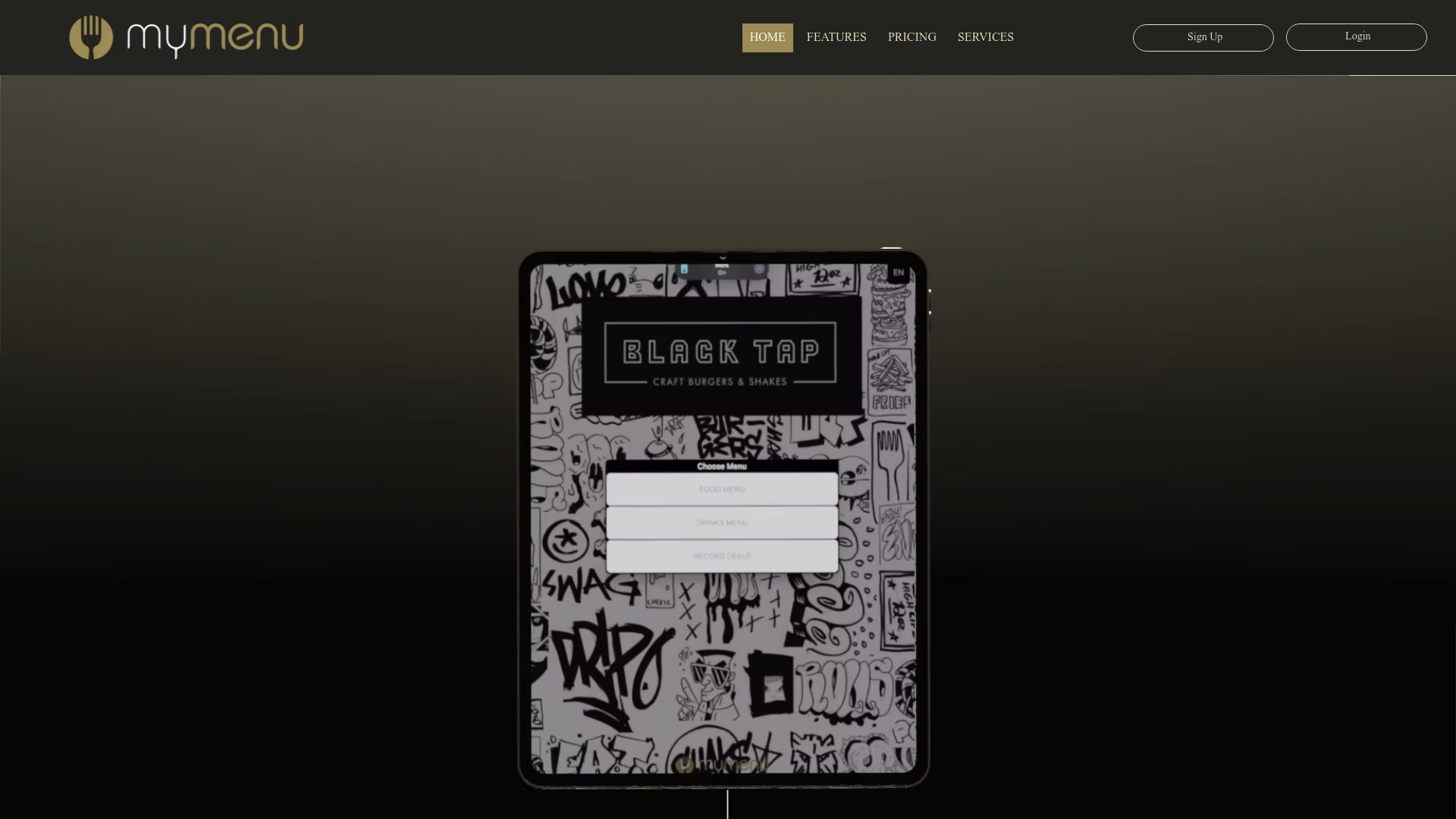
With Mydigimenu’s QR menu platform, you can place scannable touchpoints across your dining areas, rooms, and common spaces that invite immediate guest engagement. The tablet and iPad menu system adds a polished, in-person layer to that interaction. Both tools integrate naturally into a broader feedback and guest engagement strategy. Explore flexible plans and pricing designed for hospitality businesses of every size, and see how the right digital tools can turn every guest interaction into a data point worth acting on.
FAQ
What is digital guest feedback exactly?
Digital guest feedback is any guest sentiment collected through digital channels along the stay journey, including email surveys, QR code prompts, in-room devices, and online reviews. It covers the full arc from pre-arrival to post-stay.
Why does timing matter so much in guest feedback?
Feedback requests sent when experience is fresh, within hours of a key moment rather than days later, produce more accurate, specific responses and allow staff to resolve issues while the guest is still on property.
How do hotels use digital feedback for operations, not just reputation?
Effective programs treat recurring feedback patterns as operational directives, using complaint clusters to drive maintenance schedules, training priorities, and service design changes rather than treating each review as an isolated score to manage.
What tools are commonly used to collect guest feedback digitally?
Common digital feedback tools include automated email survey platforms, QR code survey systems, in-room tablets, and centralized review management dashboards that consolidate input from multiple channels into one place.
How does closing the feedback loop improve guest satisfaction?
Closing the loop means acting on feedback operationally, not just acknowledging it. Properties that route negative in-stay feedback to staff for real-time resolution consistently see higher satisfaction scores and fewer damaging public reviews because guests feel genuinely heard.
Recommended
Comments