
Why Use Third-Party Delivery Integration for Restaurants

TL;DR:
Third-party delivery integration connects platforms like Uber Eats directly to a restaurant’s POS, reducing errors and streamlining workflows. It enables menu synchronization, improves order accuracy, and provides real-time sales data for better management. Full integration boosts operational efficiency, enhances customer relationships, and supports scalable growth strategies.
Third-party delivery integration is the process of connecting platforms like Uber Eats and DoorDash directly to a restaurant’s point-of-sale (POS) system to centralize orders, automate workflows, and reduce errors. The industry term for this is POS delivery integration, and it covers everything from order routing to menu synchronization across multiple channels. 68% of restaurant operators identify it as their highest-priority technology need in 2026, according to the National Restaurant Association. That number tells you this is not a nice-to-have. It is the operational backbone of a modern delivery program.
Why use third-party delivery integration in your restaurant?
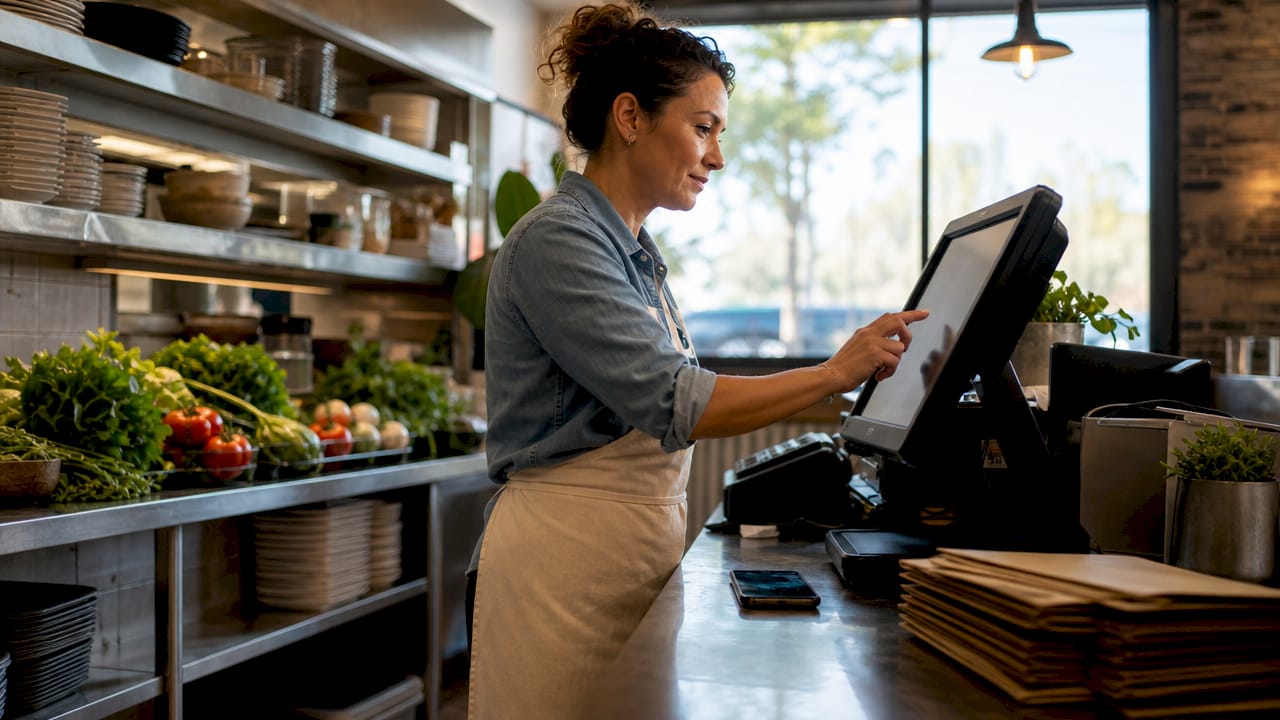
Third-party delivery integration solves the single biggest pain point in delivery operations: manual order entry. When staff retype orders from a tablet into the POS, errors multiply fast. Manual transcription spikes errors and staff fatigue during peak hours, raising employee turnover costs beyond what integration fees ever cost. That is a trade-off most managers do not fully calculate until they are already losing staff.
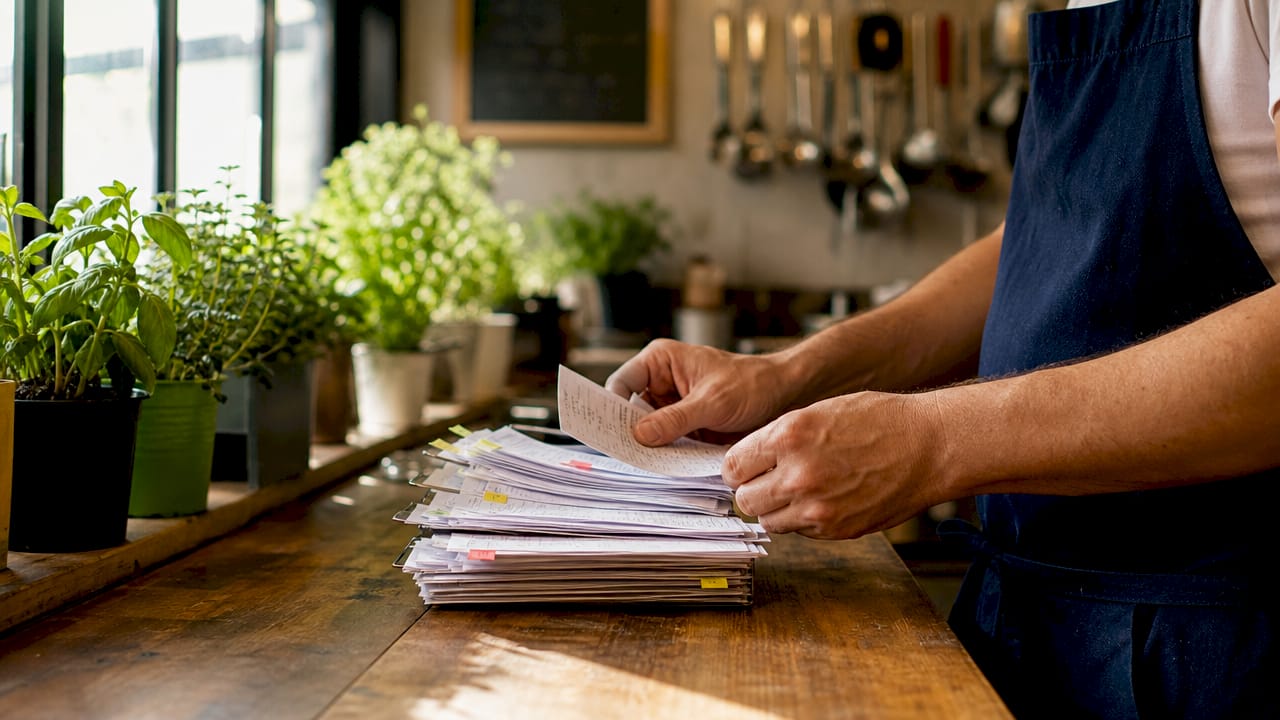
The operational case is clear. 26% of consumers report order accuracy issues with third-party delivery services. Most of those errors trace back to the manual entry step, not the kitchen. Eliminating that step removes the error at its source.
Here is what a properly integrated workflow looks like compared to a tablet-only setup:
Tablet-only setup: Staff receive an order on a separate device, retype it into the POS, and manage two screens during a dinner rush. Mistakes happen. Tickets get missed.
Native POS integration: The order from Uber Eats or DoorDash routes directly into the same queue as dine-in and takeout. The kitchen display system sees one unified ticket stream. Staff manage one screen.
Unified kitchen display: Prep times stay consistent because the kitchen is not juggling two separate order flows.
Reduced training burden: New staff learn one system, not three. Onboarding gets faster and cheaper.
Native POS integration eliminates workflow friction by routing third-party orders into the same order management system as every other channel. That single change reduces staff fatigue, cuts training time, and protects order accuracy at scale.
Pro Tip: If your team is managing more than two delivery platforms on separate tablets, the cognitive load alone is costing you accuracy. Native integration is the fix, not better training.
How does integration improve menu management and pricing control?
Menu consistency is a brand issue as much as an operational one. When your DoorDash menu shows a price that differs from your Uber Eats menu, customers notice. When a sold-out item is still live on one platform, you get cancellations and bad reviews.
Integration automates menu and price synchronization across all platforms, preventing brand damage from inconsistent menus. One change in your POS pushes to every connected channel instantly. That is the difference between a 20-minute manual update across four platforms and a single click.
The table below shows how native integration compares to a tablet or bolt-on approach for menu management:
Feature | Native POS integration | Tablet or bolt-on system |
Menu sync | Automatic, real-time | Manual update per platform |
Price changes | Push once, update everywhere | Update each platform separately |
Item availability | Syncs with live inventory | Requires manual 86ing per app |
Modifier control | Centralized in POS | Configured per platform separately |
Customization per app | Selective item visibility | Limited or unavailable |
Integration enables detailed menu customization per delivery app, allowing selective item availability to protect profitability and manage kitchen load. For example, you can hide labor-intensive items on a high-commission platform while keeping them available for dine-in. That kind of control is simply not possible with a tablet-only setup.
Pro Tip: Use platform-specific menus to protect your margins. Hide low-margin items on high-commission apps and feature your highest-profit dishes prominently. Your POS integration makes this a five-minute task, not a project.
What financial and marketing advantages come from integrating delivery?
The financial case for POS delivery integration goes well beyond avoiding reprint costs. Without integration, managers spend 45–90 minutes daily consolidating delivery sales data from multiple portals. That is time spent on reconciliation instead of running the business.
Unified reporting via integration reduces daily reconciliation from up to 90 minutes to near real-time accurate sales and profitability data. That means your end-of-day numbers are ready when service ends, not an hour later.
The marketing angle is equally important. Third-party platforms like Uber Eats and DoorDash are not just delivery services. They are discovery engines with millions of active users. The smart approach is to treat them as paid acquisition channels.
Use the marketplace for discovery: New customers find you on Uber Eats or DoorDash. The commission you pay is a customer acquisition cost, not a pure expense.
Capture the relationship: Once a customer orders twice, incentivize them to order directly through your own channel. A loyalty offer or a QR code in the delivery bag works well here.
Protect your margin on repeat orders: Using third-party marketplaces as acquisition channels for the initial 90–180 days helps build your customer base. After that, moving customers to first-party ordering protects your margins significantly.
Unified revenue reporting: With all channels feeding one dashboard, you see exactly which platform drives profit, not just volume. You can cut underperforming channels without guessing.
Operators who treat third-party platforms as a strategic tool for growth consistently outperform those who see them only as a delivery mechanism. The integration makes that strategic view possible because you finally have the data to act on it. For restaurants looking to attract new customers through local discovery, pairing this approach with local restaurant SEO amplifies the acquisition effect further.
When should you choose third-party integration over in-house delivery?
The choice between third-party integration and in-house delivery comes down to volume, capital, and control. Neither model is universally better. The right answer depends on where your restaurant sits right now.
Choose third-party integration if your delivery volume is unpredictable. Seasonal restaurants, new locations, and businesses testing delivery for the first time benefit from the instant scale that platforms like DoorDash and Uber Eats provide. There is no fleet to manage and no driver payroll to carry.
Choose third-party integration if you want market access without upfront cost. Third-party delivery platforms offer instant scalability and market access for seasonal or spike-volume businesses. Building your own delivery infrastructure takes months and significant capital.
Consider in-house delivery if you have stable, high volume. Once you reach a predictable daily delivery count, the commission savings from in-house delivery can justify the operational investment. You also own the customer relationship and data completely.
Use integration to stay flexible. The real power of POS delivery integration is that it does not lock you in. You can run third-party channels during peak seasons and scale back when volume drops. Matching delivery models to volume patterns optimizes both cost and customer experience.
Watch the commission math carefully. Third-party platforms typically charge commissions that reduce your net margin per order. Integration helps you see that math clearly by channel, so you can decide when the acquisition value justifies the cost and when it does not.
The honest answer for most restaurant managers is that third-party integration is the right starting point. It gives you data, scale, and operational control before you commit to building anything yourself. You can learn more about syncing delivery channels with your POS to understand the full scope of what integration covers.
Key Takeaways
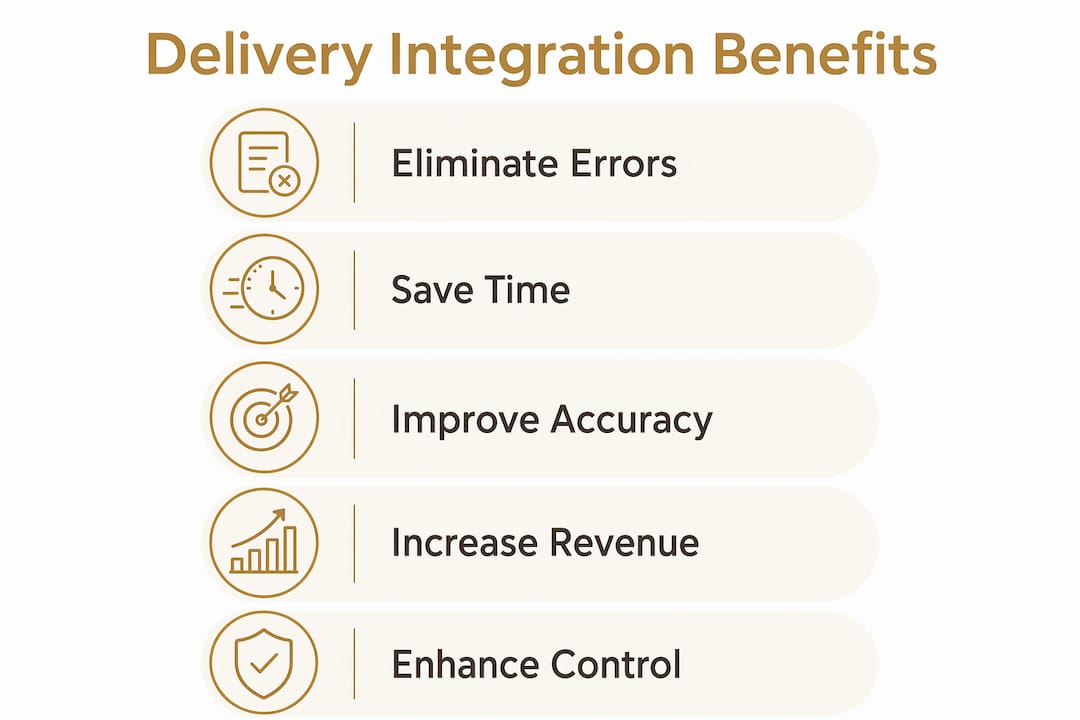
Third-party delivery integration is the most direct path to operational control, order accuracy, and revenue visibility across all delivery channels.
Point | Details |
Eliminate manual entry errors | Native POS integration routes delivery orders directly to the kitchen, removing transcription mistakes at the source. |
Sync menus in real time | One POS update pushes price and availability changes to every connected platform instantly. |
Reduce reconciliation time | Unified reporting cuts daily sales consolidation from up to 90 minutes to near real-time accuracy. |
Use platforms as acquisition channels | Treat Uber Eats and DoorDash as discovery tools, then move repeat customers to first-party ordering to protect margins. |
Match integration depth to your volume | Third-party integration suits unpredictable or seasonal demand; in-house delivery makes sense only at stable, high volume. |
What I have learned from watching operators get this wrong
Working closely with restaurant and hospitality managers, I have seen the same mistake repeated: operators invest in integration but keep their tablet setup running in parallel “just in case.” That parallel system defeats the purpose entirely. Staff default to the familiar tablet, the POS never becomes the single source of truth, and the errors continue. The integration sits unused while the subscription fee runs.
The operators who get real results commit fully. They remove the tablets, train the team on the unified flow, and treat the POS as the only order entry point. Within two weeks, ticket accuracy improves noticeably and staff stress drops. That is not a technology win. It is a management decision.
The other thing I would push back on is the idea that commission fees are the enemy. They are a cost of customer acquisition. The problem is not paying commissions. The problem is paying commissions forever on customers who already know you. Integration gives you the data to identify those customers and give them a reason to order directly. A well-timed loyalty offer or a QR code in the delivery bag costs almost nothing and can shift a repeat customer to your own channel permanently. The workflow efficiency gains from integration make that kind of targeted follow-up possible at scale.
— Abhi
How Mydigimenu supports your delivery integration goals
Mydigimenu is built for exactly the kind of centralized menu and order management that makes third-party delivery integration work at its best. The platform connects your digital menu across tablet, QR code, and online ordering channels, so every update you make reflects everywhere your guests order.
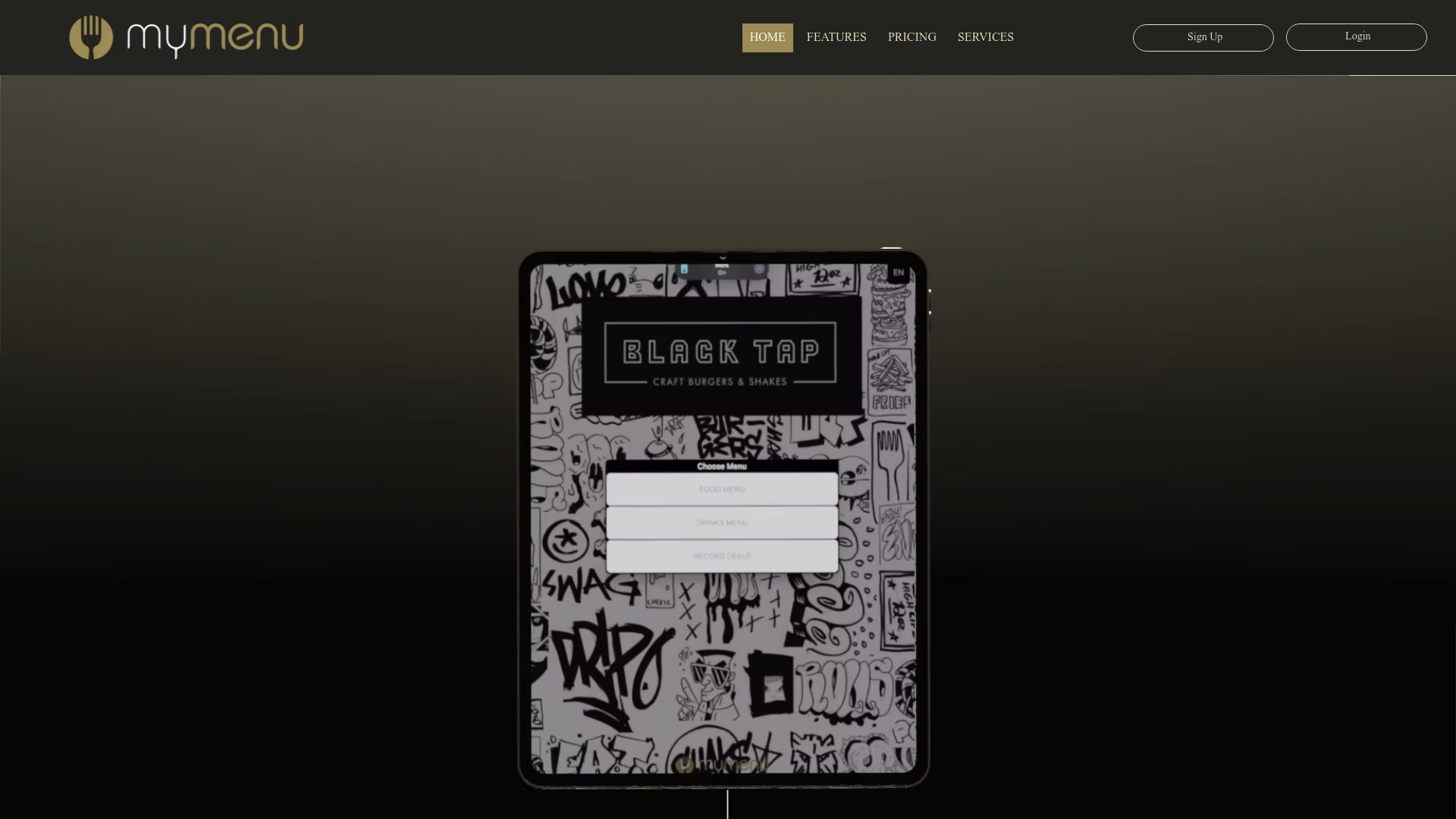
Restaurant managers who want tighter control over their menu presentation and delivery channel consistency will find Mydigimenu’s digital tablet menu solution a natural fit alongside their POS integration setup. The platform also offers QR code menu generation that works in-venue and in delivery packaging to move customers toward direct ordering. Check the current pricing plans to find the right tier for your operation.
FAQ
What is third-party delivery integration for restaurants?
Third-party delivery integration connects platforms like Uber Eats and DoorDash directly to a restaurant’s POS system, automating order routing, menu sync, and sales reporting across all delivery channels.
How does integration reduce order errors?
Integration eliminates manual order transcription by routing delivery orders directly into the POS and kitchen display system. Consumer data shows 26% of delivery complaints relate to order accuracy, and most trace back to the manual entry step.
Does integration save money compared to manual processing?
Yes. Managers without integration spend up to 90 minutes daily on manual sales reconciliation. Integration reduces that to near real-time reporting, freeing staff time and reducing costly errors.
When does in-house delivery make more sense than third-party?
In-house delivery makes sense when a restaurant reaches stable, high daily delivery volume and wants full control over customer data and relationships. Third-party integration is the better starting point for new or seasonal delivery programs.
How do I start integrating delivery platforms with my POS?
Start by confirming which delivery platforms your POS supports natively. Tools like Clover support direct Uber Eats integration, and middleware solutions connect most major platforms to common POS systems. A full guide to integrating delivery platforms covers the step-by-step process in detail.
Recommended
Comments