
What is an online ordering system: guide for hospitality


Many hospitality professionals believe online ordering systems are just third-party apps that take hefty commissions. The reality is far more nuanced. These systems represent a fundamental shift in how restaurants, cafes, and hotels manage guest interactions, streamline operations, and capture revenue. This guide cuts through the confusion, explaining exactly how online ordering systems work, what benefits they deliver, the challenges you’ll face, and how to choose between first-party and third-party solutions. Whether you’re running a boutique hotel restaurant or a multi-location cafe chain, understanding these systems is essential for staying competitive in 2026.
Table of Contents
Key Takeaways
Point | Details |
How online ordering works | Guests browse menus, customize items, pay securely, and orders flow seamlessly to the POS and kitchen via a cloud based platform. |
Revenue and efficiency gains | Operators see revenue growth, faster order processing, and reduced labor through automation and better inventory management. |
First party versus third party | Choosing a first party system gives control over data, pricing, and customer experience compared with third party marketplaces that take commissions. |
Deep integrations matter | Bidirectional integrations with the POS and real time availability updates drive accurate menus and analytics. |
How online ordering systems work in hospitality
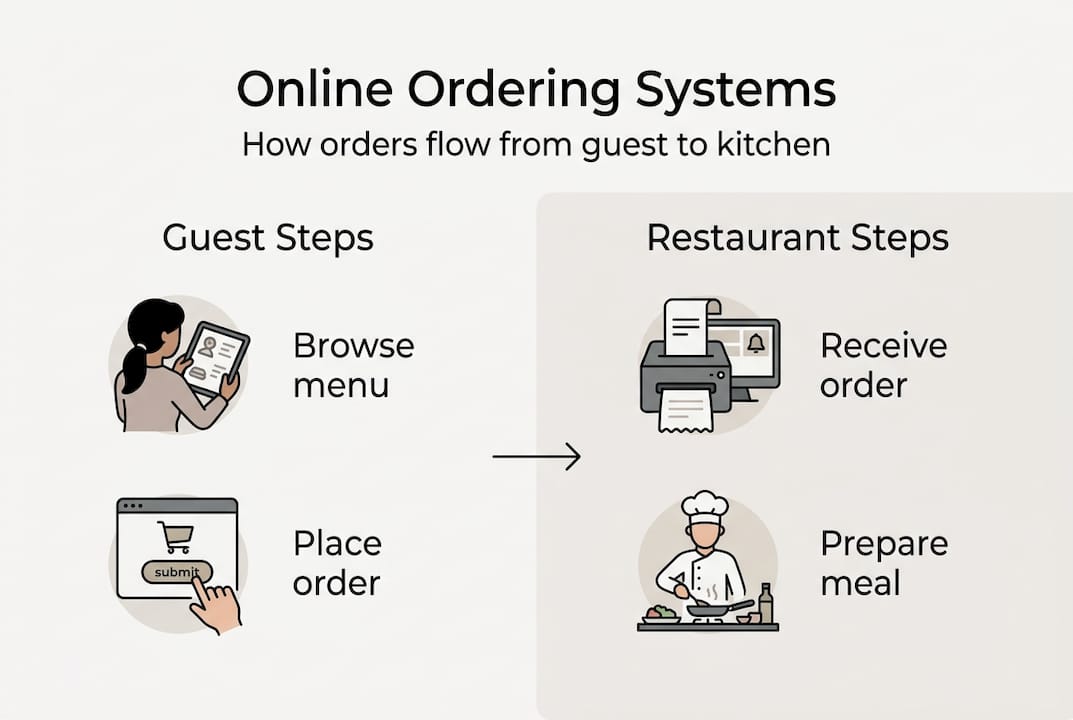
An online ordering system enables guests to browse menus, customize orders, process payments, and trigger back-end integrations without staff intervention. The technology stack involves multiple components working in concert to create a frictionless experience.
Here’s how the process flows from start to finish:
Menu browsing: Guests access your menu via website, mobile app, QR code, or kiosk. Real-time synchronization ensures pricing and availability match your current inventory.
Order customization: Customers select items and apply modifiers like extra toppings, temperature preferences, or dietary substitutions. Each choice updates the order total instantly.
Payment processing: Secure payment gateways handle credit cards, digital wallets, or cryptocurrency transactions. Tokenization protects sensitive card data.
POS integration: Orders transmit directly to your point of sale system, updating inventory counts and sales records without manual entry.
Kitchen routing: The kitchen display system receives order details automatically, organizing tickets by preparation time and station assignment.
Status notifications: Automated messages update guests on order confirmation, preparation progress, and estimated completion times.
Fulfillment coordination: The system manages pickup scheduling, delivery dispatch, or table service routing based on order type.
The architecture relies on cloud-based software as a service platforms that centralize order management across multiple channels. Whether orders arrive through your website, a third-party marketplace, or an in-house app, they funnel into a single dashboard. This consolidation prevents the chaos of juggling separate tablets and devices for each ordering source.
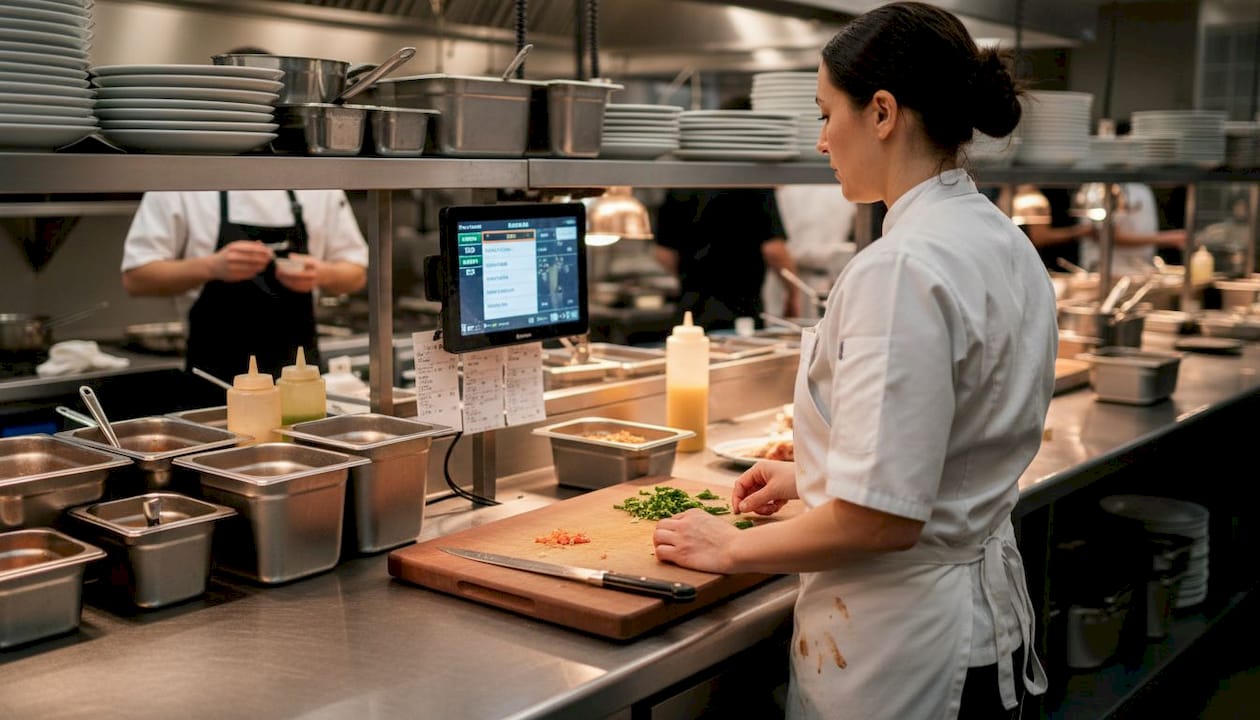
Integration depth matters significantly. Basic systems simply forward orders to your email or printer. Advanced platforms sync bidirectionally with your POS, automatically adjusting menu availability when ingredients run low and updating sales analytics in real time. This level of integration transforms digital restaurant operations efficiency from a nice-to-have into a competitive necessity.
The technical sophistication creates tangible business outcomes that justify the investment and operational changes required for implementation.
Business benefits and performance metrics of online ordering systems
The financial case for online ordering systems rests on measurable improvements across revenue, labor efficiency, and error reduction. Real-world data from hospitality operators reveals consistent patterns.
Revenue and margin impact
Metric | Improvement range | Primary driver |
Total sales increase | 20-60% | Higher order frequency and ticket sizes |
Commission savings | 15-30% per order | Shifting from third-party to direct ordering |
Labor cost reduction | 10-25% | Automated order entry and routing |
Order accuracy | 72% fewer errors | Eliminating verbal miscommunication |
Revenue growth of 20-60% stems from multiple factors working together. Guests order more frequently when the process takes 30 seconds instead of waiting on hold. Average ticket sizes climb because digital menus showcase add-ons and upsells more effectively than rushed phone conversations. Commission savings compound when you shift volume from third-party platforms charging 15-30% to your own system.
Operational efficiency gains prove equally compelling. Processing speeds improve 35% because staff no longer manually enter phone orders into the POS. Kitchen errors drop 72% when orders arrive as structured data instead of handwritten tickets prone to misreading. These improvements directly impact guest satisfaction and repeat business.
Key efficiency benefits include:
Reduced phone interruptions allow front-of-house staff to focus on in-person guests
Automated order routing eliminates the bottleneck of a single order-taker during peak periods
Real-time inventory updates prevent overselling out-of-stock items
Consolidated reporting provides actionable insights into menu performance and guest preferences
Pro Tip: Track your average order value, order frequency per customer, and labor hours per order before and after implementation. These three metrics reveal whether your system delivers ROI and where to optimize further.
The technology also enables sophisticated guest engagement strategies through targeted promotions based on order history and preferences. Loyalty programs integrate seamlessly, rewarding repeat customers automatically without manual punch cards.
Despite these advantages, implementation introduces operational challenges that require proactive management and strategic solutions.
Common challenges and expert solutions for online ordering systems
Even well-designed online ordering systems create friction points that frustrate both staff and guests. Understanding these issues upfront allows you to mitigate them before they impact your operation.
Technical and operational hurdles
Modifier overload and inventory sync delays rank among the most common complaints. When your menu offers unlimited customization options, order preparation slows to a crawl as kitchen staff decipher complex modifications. Meanwhile, inventory systems that update every 15 minutes instead of in real time lead to guest disappointment when they order items that sold out minutes earlier.
Guest-facing frustrations include:
Confusing navigation that buries popular items under multiple menu layers
Payment processing failures that abandon orders at checkout
Unclear delivery time estimates leading to complaints about late orders
Tech barriers for older guests or those with accessibility needs
Staff challenges center on technology adoption resistance and workflow disruption. Experienced servers accustomed to taking orders verbally may view tablets and apps as unnecessary complications. Kitchen teams struggle when online orders arrive simultaneously with in-person tickets, creating preparation bottlenecks.
Proven mitigation strategies
AI-assisted routing and modifier limits address throughput concerns effectively. Implement hard caps on customization options, such as limiting pizza toppings to five selections. Smart routing algorithms distribute orders across prep stations based on current workload and item complexity, preventing any single station from becoming overwhelmed.
Additional solutions include:
Conducting thorough user testing with actual guests before launch to identify navigation pain points
Implementing redundant payment gateways so checkout failures automatically retry through backup processors
Training all staff on the new system with hands-on practice during slow periods
Offering phone ordering as a backup channel for guests uncomfortable with digital interfaces
Pro Tip: Balance digital efficiency with personalized hospitality by using online ordering to free up staff time for meaningful guest interactions, not to replace human connection entirely.
Thoughtful menu design also prevents issues. Clear photography, concise descriptions, and logical categorization reduce confusion. Highlighting your most profitable items through visual hierarchy guides guests toward choices that benefit both their experience and your margins.
With challenges addressed, the next decision involves choosing between building your own ordering system or partnering with established platforms.
First-party vs third-party online ordering systems: choosing the right strategy
The fundamental choice between direct ordering platforms and third-party marketplaces shapes your cost structure, customer relationships, and growth trajectory. Each approach offers distinct advantages depending on your business model and market position.
Direct ordering advantages
First-party systems save 15-30% in commissions per order by eliminating marketplace fees. More importantly, you own the customer data, enabling targeted email campaigns, personalized promotions, and loyalty programs that build direct relationships. When a guest orders through your website or app, you capture their preferences, order history, and contact information for future marketing.
Direct platform benefits include:
Complete control over branding, menu presentation, and user experience
Ability to implement custom loyalty rewards that drive repeat business
Higher profit margins on every transaction
Direct communication channel for promotions and updates
Third-party platform trade-offs
Aspect | First-party | Third-party |
Commission fees | 0-3% processing | 15-30% per order |
Customer data | Full ownership | Limited or none |
Marketing reach | Requires own efforts | Built-in audience |
Setup complexity | Higher initial investment | Quick launch |
Brand control | Complete | Shared with platform |
Third-party platforms excel at customer acquisition. They provide immediate access to millions of users actively searching for restaurants. For new establishments or those entering unfamiliar markets, this visibility justifies the commission fees. The platforms handle marketing, customer service, and delivery logistics, reducing your operational burden.
However, margin erosion becomes unsustainable at scale. A restaurant paying 25% commission on a $40 order loses $10 before accounting for food costs and labor. High-volume operators find this model incompatible with profitability targets.
Hybrid approach as optimal strategy
Hybrid systems combining both channels deliver comparable customer satisfaction while optimizing costs. Use third-party platforms for discovery and new customer acquisition, then incentivize guests to reorder directly through loyalty points or exclusive discounts. This strategy captures the reach of marketplaces while building a profitable direct ordering base over time.
Consider delivery time expectations when choosing platforms. Third-party services often promise 30-minute delivery across wide geographic areas, creating pressure on kitchen operations. Direct ordering allows you to set realistic timeframes based on your actual capacity.
Marketing responsibilities differ significantly. Third-party platforms drive traffic through their own advertising, but you compete with dozens of other restaurants in search results. Direct ordering requires you to invest in SEO, social media, and local advertising to build awareness, but the customers you acquire belong to you permanently.
The right balance depends on your current market position and growth goals. Established restaurants with loyal customer bases benefit most from transitioning to direct ordering. Newer operations or those expanding into new markets gain more value from third-party visibility initially.
Integration tools that connect both channels to a unified dashboard prevent the operational chaos of managing multiple systems separately. This centralization maintains operational efficiency regardless of how many ordering channels you operate.
Explore digital restaurant solutions with MyDigiMenu
Modernizing your ordering infrastructure requires more than just a checkout button on your website. MyDigiMenu provides integrated digital solutions designed specifically for hospitality operations seeking to streamline guest experiences while maintaining operational control.
Our digital tablet menu systems transform tableside ordering by putting rich menu content directly in guests’ hands. High-resolution food photography, detailed ingredient lists, and instant customization options replace static paper menus, increasing order values while reducing server workload. Tablets sync in real time with your kitchen systems, ensuring accuracy and speed.
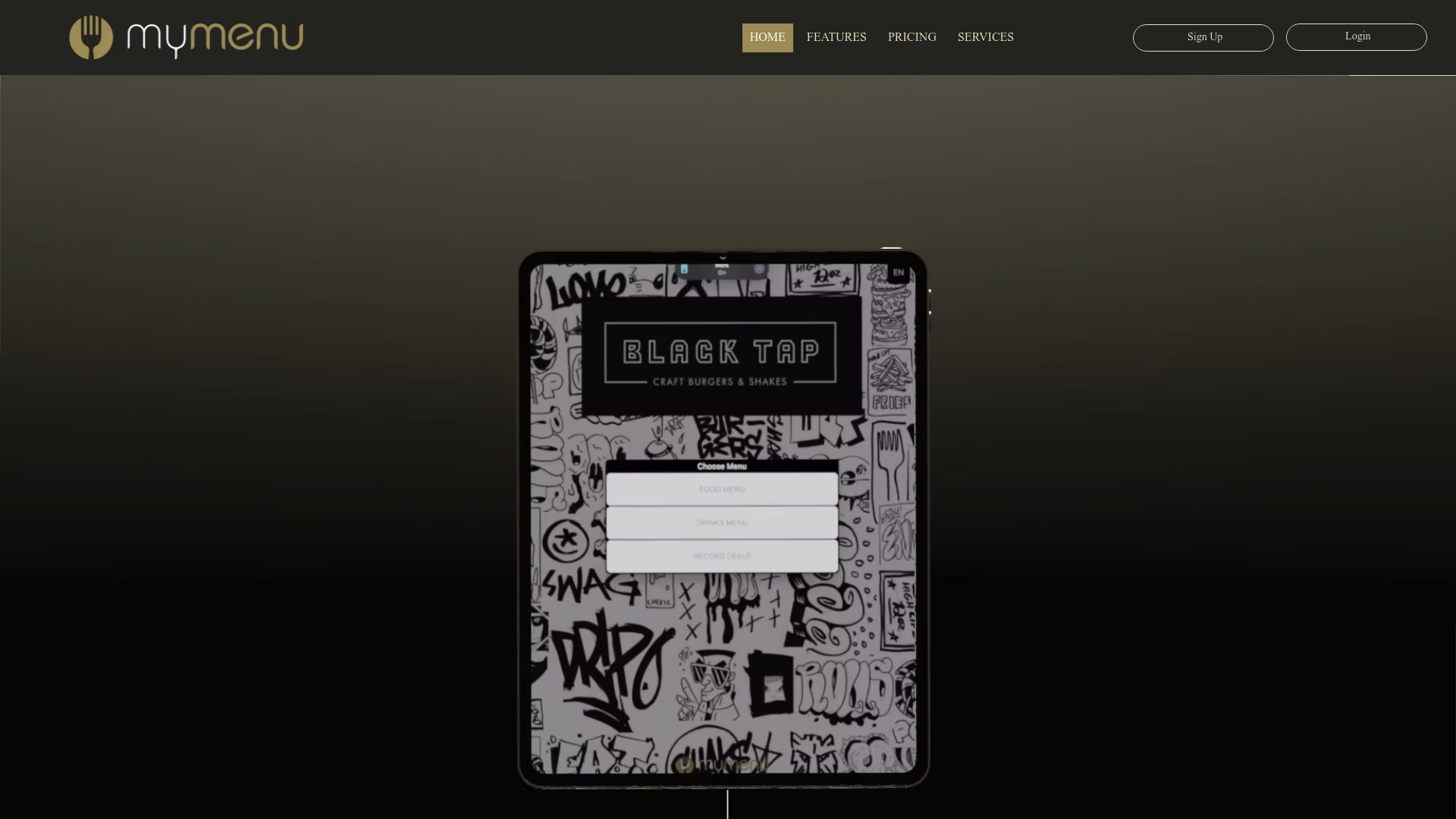
For contactless convenience, our QR menu generator enables guests to browse and order from their own devices without downloading apps or creating accounts. Simply scan the code at their table and the full menu appears instantly. This approach combines the personalization of direct ordering with the accessibility guests expect.
Integration capabilities extend beyond your own systems. MyDigiMenu connects online delivery portals directly to your POS, consolidating orders from multiple third-party platforms into a single workflow. This eliminates the tablet clutter and manual entry errors that plague multi-channel operations.
Whether you’re implementing your first digital ordering system or optimizing an existing setup, MyDigiMenu provides the tools and support to make the transition smooth and profitable.
Frequently asked questions
What exactly is an online ordering system for restaurants?
An online ordering system is cloud-based software that enables guests to browse menus, customize orders, and complete payments through digital interfaces like websites, mobile apps, or QR codes. The system integrates with your POS and kitchen display systems to automate order routing and fulfillment. It replaces manual phone ordering with self-service technology that operates 24/7.
How does an online ordering system integrate with POS and kitchen workflows?
Orders transmit directly from the customer interface to your POS system via API connections, automatically updating inventory and sales records. The POS then routes order details to kitchen display systems, organizing tickets by preparation station and priority. This bidirectional sync ensures real-time accuracy across all systems without manual data entry.
What are the main benefits of first-party online ordering for restaurants?
First-party systems eliminate 15-30% commission fees charged by third-party platforms, directly improving profit margins. You gain complete ownership of customer data, enabling targeted marketing campaigns and personalized loyalty programs. Brand control remains entirely in your hands, from menu presentation to promotional messaging, building stronger direct relationships with guests.
What challenges should hospitality businesses expect with online ordering systems?
Excessive order customization options can slow kitchen throughput and create preparation errors. Inventory sync delays lead to guests ordering out-of-stock items, causing frustration. Some customer demographics, particularly older guests, may struggle with digital interfaces and require phone ordering alternatives. Staff resistance to new technology requires comprehensive training and change management.
Should restaurants use first-party, third-party, or hybrid ordering strategies?
Hybrid approaches deliver optimal results for most operations. Use third-party platforms for customer acquisition and market visibility, then incentivize repeat orders through your direct channels with loyalty rewards. This strategy captures the reach of marketplaces while building a profitable direct customer base. Established restaurants with strong local recognition benefit most from prioritizing direct ordering to maximize margins.
Recommended
Comments