
Ways to Boost Guest Loyalty That Actually Work
- Abhi Bose
- May 24
- 9 min read

TL;DR:
Guest loyalty depends on consistent, personalized experiences that build trust over time. Leveraging technology and emotional storytelling enhances guest engagement and encourages repeat visits. Continuous relationship building and operational excellence are essential for long-term loyalty in hospitality.
Guest loyalty is not a thank-you note sent after checkout. It is a living, breathing relationship shaped by dozens of small moments that either build trust or quietly erode it. The ways to boost guest loyalty that actually move the needle go far beyond points programs and discounted return stays. They live in the quality of your morning greeting, the speed of a complaint resolution, and whether your digital tools make ordering or checking in feel effortless or frustrating. This article gives hospitality business owners and managers a clear, research-backed roadmap covering operational, emotional, and technological approaches that keep guests choosing you, again and again.
Table of Contents
Key Takeaways
Point | Details |
Consistency drives loyalty | Steady, aligned service across every touchpoint builds more trust than any single standout gesture. |
Personalization pays off | Recognizing guests by name, preference, and milestone turns a good stay into a memorable one. |
Staff engagement matters | Invested, well-trained employees create the kind of service quality that guests return for. |
Technology reduces friction | Digital tools like hotel apps and QR menus simplify the guest journey without sacrificing warmth. |
Simple loyalty programs win | Easy-to-access, multi-touch reward programs outperform complicated schemes every time. |
1. Ways to boost guest loyalty: start with the right principles
Before tactics come principles. The most effective ways to boost guest loyalty are rooted in a foundational understanding of what loyalty actually means. It goes beyond a guest booking twice. It means they choose you even when a competitor offers a lower rate. It means they recommend you without prompting.
Loyalty develops through a series of steady, aligned experiences, including greetings, issue handling, and the small in-between moments, creating genuine trust over time. Episodic efforts simply do not hold. A welcome gift on arrival cannot compensate for a staff member who barely looks up at the front desk.
Four core principles should guide everything you do:
Consistency across touchpoints. Every department, from housekeeping to the restaurant, must deliver at the same level. Gaps in consistency are where loyalty quietly exits.
Service quality tied to brand equity. Research confirms that brand equity fully mediates service quality’s effect on loyalty in luxury hospitality, meaning emotional trust in your brand amplifies the impact of great service.
Friction-free loyalty access. Programs with complicated enrollment, hidden terms, or clunky redemption experiences lose guests before they even engage. Simplicity is not a compromise. It is a requirement.
Real-time feedback, visibly acted upon. Collecting feedback only at checkout misses recovery opportunities. When guests see their concerns addressed during their stay, trust deepens fast.
Pro Tip: Set a property-wide service standard document and review it quarterly with all department heads. When every team operates from the same playbook, consistency becomes the rule rather than the exception.
2. Personalization and recognition throughout the guest journey
Personalization is what separates a property that guests return to from one they forget. When you know a returning guest prefers a quiet room on a high floor with a hypoallergenic pillow, and that preference is waiting for them without being asked, that is the kind of recognition that converts a satisfied guest into a loyal one.
Personalization across lifecycle touchpoints is one of the most cited drivers of lasting loyalty. The opportunities are woven across the entire journey, not just the stay itself.
Here is where recognition moments matter most:
Pre-arrival. Use email or app-based communication to acknowledge a guest’s previous stay, recommend services they used before, or ask about preferences for the upcoming visit.
During the stay. Train staff to use guest names in conversation. Flag birthdays, anniversaries, or milestone trips in your property management system so the team can acknowledge them naturally.
Post-stay. A personalized follow-up message referencing something specific about their visit, not a generic “hope you enjoyed your stay” template, shows that your team paid attention.
Using guest names and acknowledging milestones significantly raises satisfaction and preference scores. The data validates what hospitality professionals instinctively know: people want to feel seen, not processed.
Pro Tip: Integrate your CRM with your reservation platform so guest preference notes travel seamlessly between departments. A front desk note that the restaurant team never sees is worthless.
3. Operational excellence and staff engagement
Your staff is your product. A plush room and a well-designed lobby will bring guests in. Your team is what brings them back. Research across 3-5 star hotels shows that brand image, staff behavior, and housekeeping significantly enhance guest satisfaction, which in turn predicts repeat business.

Operational excellence is not about perfection. It is about reliability. Guests forgive occasional shortfalls. What they cannot forgive is inconsistency, where one staff member is warm and attentive and the next is distracted and dismissive.
Consider these practical anchors for sustaining high service standards:
Invest in empathy training. Technical service skills are teachable in days. Genuine empathy and active listening take longer to develop but produce the loyalty outcomes that matter.
Prioritize housekeeping and security. These two service dimensions are among the strongest predictors of guest satisfaction. A clean, safe environment is the non-negotiable foundation everything else builds on.
Connect employee engagement to guest experience. Engaged employees generate 23% higher profitability in their organizations, and that energy shows up directly in guest interactions. When staff feel valued, guests feel valued.
Create internal feedback loops. Give frontline staff a clear channel to escalate guest concerns immediately. The faster an issue moves from staff awareness to management response, the more likely you turn a complaint into a loyalty moment.
4. Leveraging technology to reduce friction
Technology in hospitality is at its best when guests barely notice it. The goal is not to impress with gadgets. The goal is to remove every unnecessary moment of friction between a guest and what they need. That is exactly how to boost guest engagement through digital tools without losing the human warmth that defines great hospitality.
A useful way to evaluate your current tech stack is to ask: does this make the guest’s experience smoother, or does it make them work harder? Here is a side-by-side look at common tech approaches and their loyalty impact:
Technology | Guest benefit | Loyalty impact |
Hotel app for check-in/out | Skips queuing, saves time | 62% of guests prefer app-based check-in |
QR code menus | Instant access, no wait for staff | Faster ordering, higher satisfaction |
Smart room controls | Personalized comfort settings | Emotional connection to the property |
Real-time pulse surveys | Immediate issue capture | Recovery opportunities during the stay |
Digital loyalty stamps | Easy reward tracking | Higher program participation |
The critical point on guest engagement tech is this: the UX must be intuitive. An app that requires three passwords and a tutorial defeats its own purpose. The loyalty program UX should offer multiple easy access points so guests can engage with rewards at every natural moment in their journey, not just at checkout.
5. Designing a loyalty program that actually drives retention
Most hospitality loyalty programs fail for one reason: they ask too much from guests and give too little, too slowly. A program that requires 10 stays before any meaningful reward lands will not hold a guest’s attention through visits two through nine.
The most effective program structures share a few qualities. Here is how to build one that actually drives retention:
Keep the earning simple. Points per dollar spent, visits logged automatically, or stamp cards that fill with every order. The mechanism must be obvious and require zero explanation.
Layer in experiential rewards. Beyond discounts, offer perks like priority table booking, a complimentary upgrade, or early access to events. These create emotional memories that discounts cannot replicate.
Span the full guest journey. Multi-touch, personalized rewards boost loyalty more than a single perk at checkout. A welcome bonus on enrollment, a mid-stay acknowledgment, and a post-stay reward for the next visit keep engagement alive across the lifecycle.
Segment your rewards. A business traveler values express checkout and lounge access. A family values a late checkout and a complimentary activity for the kids. One-size-fits-all programs leave value on the table.
Close the feedback loop inside the program. When a member submits feedback, acknowledge it within the loyalty platform. This small action transforms guest input into a visible demonstration of care, which is arguably the most powerful loyalty driver of all.
For more inspiration on building programs that keep guests coming back, the restaurant loyalty strategies outlined by Mydigimenu offer a practical framework adaptable to hotels and cafes alike.
6. Using data and feedback to continuously improve
The hospitality operations that sustain guest loyalty over years, not quarters, share one discipline: they treat guest data as a living asset, not an annual survey result. Understanding why guest engagement matters is partly about the emotional payoff, but it is equally about the operational intelligence that data provides.
Real-time, low-friction pulse surveys deployed during a stay produce far more useful data than end-of-stay questionnaires filled out at the airport. When a guest flags a cold shower at 9 AM, a well-designed system alerts housekeeping and management by 9:05 AM. The guest sees the response before checkout. That moment of visible care is worth more than any loyalty point.
What you track shapes what you improve. Key data points worth monitoring include repeat visit frequency, average spend per return guest, program enrollment rates by guest segment, and Net Promoter Score trends across seasons. When you notice a drop in repeat bookings from a specific demographic, you have a signal worth investigating, not ignoring. The reservation management practices that tie guest history to upcoming bookings make this kind of proactive personalization genuinely possible at scale.
7. Building emotional connection through brand storytelling
Guests do not just return to properties. They return to feelings. Brand storytelling is one of the most underutilized ways to boost guest engagement, and it costs far less than a new amenity or a points program.
Brand trust and emotional attachment drive revisit intention more than service quality alone. That insight has real implications for how you communicate your property’s identity, whether through your digital menu’s visual design, your social media tone, or the handwritten note left in a guest’s room.
What does emotional connection look like in practice? It looks like a boutique hotel that celebrates its local neighborhood by sourcing from nearby producers and telling those stories on its menu. It looks like a resort that remembers a couple celebrated their anniversary there three years ago and references it in a pre-arrival email. These moments are not expensive. They require intention and a system that supports it.
My take on guest loyalty after years in hospitality tech
I have watched hospitality businesses invest thousands in loyalty program software, only to see engagement flatline within six months. And I have watched a small cafe with a simple digital stamp card build a fiercely loyal neighborhood following that survived a pandemic. The difference was never the technology. It was the commitment behind it.
In my experience, the properties that get loyalty right share one quiet discipline: they treat every guest interaction as a data point and a relationship moment simultaneously. They do not separate the operational from the emotional. A fast check-in is not just efficient. It signals respect for the guest’s time. A personalized menu recommendation is not just upselling. It demonstrates that someone was paying attention.
What I have learned is that the most dangerous loyalty mistake is thinking you have earned it. Loyalty is not a status. It is a continuous vote of confidence that guests cast with every booking decision. The moment a team starts coasting on reputation, the slow erosion begins. The properties that win long-term are the ones that treat guest number five hundred with the same intention they brought to guest number five.
Technology, when used thoughtfully, makes that kind of consistency possible at scale. But it only works when the human foundation is already solid.
— Abhi
How Mydigimenu helps you turn every visit into a return visit
If you are ready to translate these strategies into action, Mydigimenu makes a genuinely practical starting point. The platform is built specifically for hospitality businesses that want to improve guest retention without overhauling their entire operation.
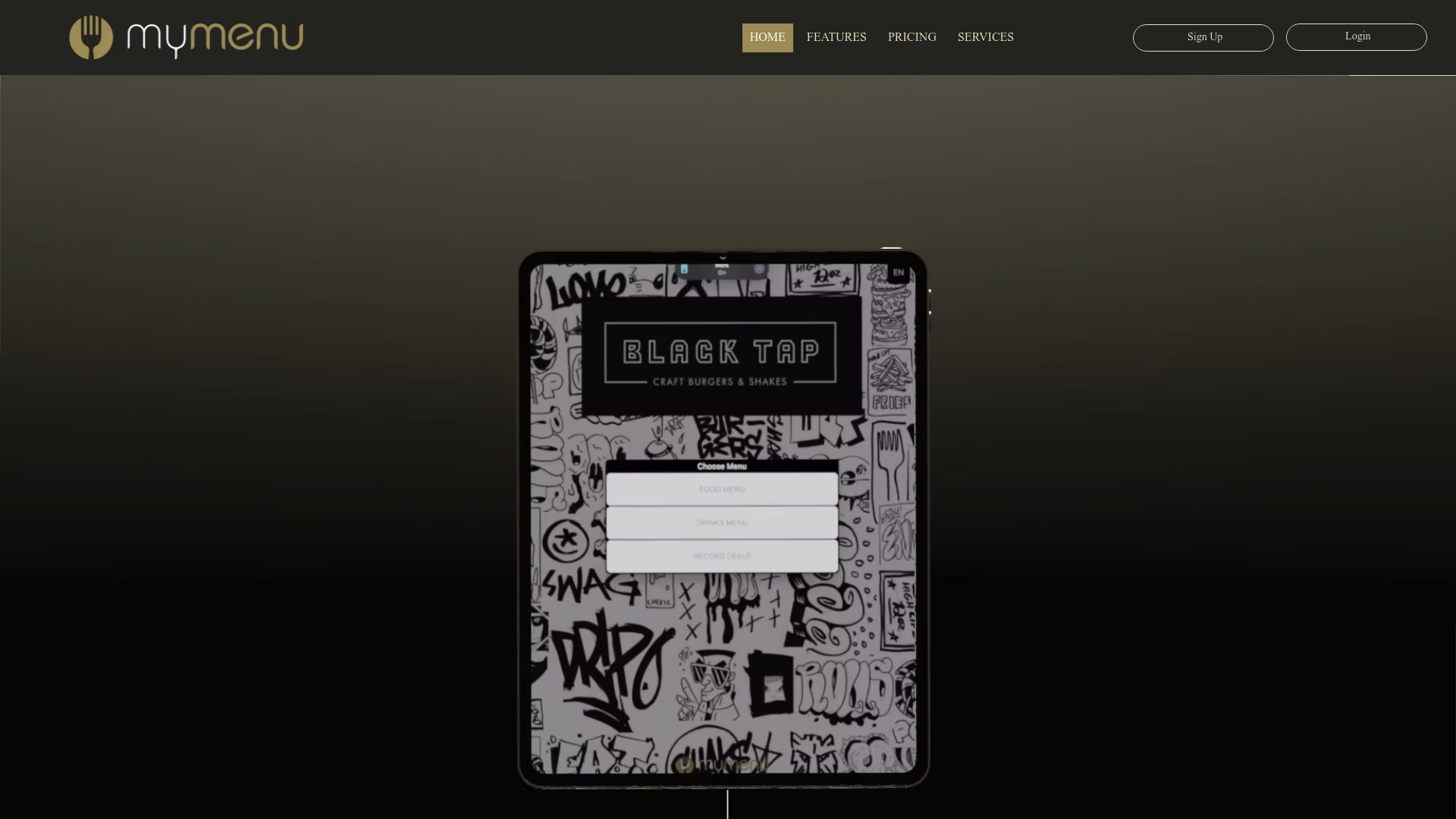
Mydigimenu’s digital menu solutions support personalized guest interactions through rich food visuals, CRM integration, and digital loyalty stamp cards that require zero app download from guests. The QR menu platform makes contactless ordering effortless, while the reservation management app ensures your team has the guest history they need to deliver recognition moments that matter. From pre-arrival to post-stay, Mydigimenu gives your property the tools to make every guest feel like a regular.
FAQ
What is guest engagement in hospitality?
Guest engagement is the ongoing process of building meaningful interactions between a hospitality business and its guests across every touchpoint, from booking to post-stay communication. It goes beyond satisfaction to create emotional connection and preference.
How do you boost guest loyalty effectively?
Loyalty grows through consistent service quality, personalized recognition, simple reward programs, and real-time feedback mechanisms. Research confirms that aligned, consistent experiences across all guest touchpoints are the primary driver of repeat business.
Why does guest engagement matter for retention?
High engagement increases the likelihood that guests return and recommend your property to others. Engaged guests spend more, forgive occasional shortfalls more readily, and are significantly less sensitive to competitor pricing.
What makes a loyalty program work in hospitality?
Simple access and multi-touch rewards spanning the full guest journey are the strongest predictors of program participation. Complicated redemption processes are the fastest way to kill enrollment and engagement.
How does technology help improve guest loyalty?
Technology reduces friction at key moments like check-in, ordering, and feedback collection, which directly improves guest satisfaction. When well-designed, digital tools free staff to focus on the human connections that turn a good stay into a lasting loyalty relationship.
Recommended
Comments