
Best Yumm.menu Alternatives for US Restaurants in 2026


What are the top Yumm.menu alternatives for US hospitality?
Yumm.menu offers a straightforward entry point: free digital menu creation with QR codes and website hosting. For restaurants, cafes, and bars that have outgrown that baseline, the US market offers several platforms with far deeper capabilities. The best yumm.menu substitutes combine contactless ordering, POS integration, loyalty programs, and rich media content into a single, manageable system.
Mydigimenu stands out as the most feature-complete option for hospitality operators who want more than a static QR link. Other notable platforms include UpMenu, which bundles digital menus with mobile apps, online reservations, delivery, and curbside pickup, and Olaclick, a no-commission free platform backed by Google and Facebook support.
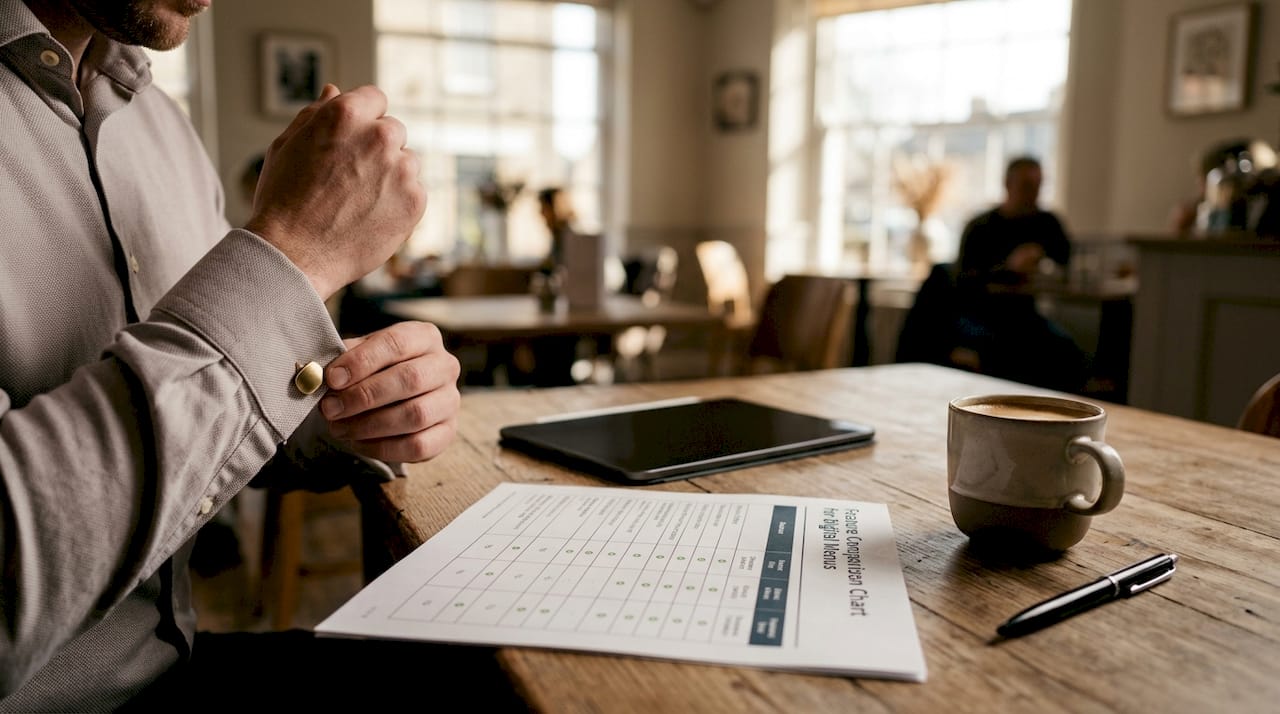
Platform | Core Features | POS/System Integration | Pricing Model | Payment Options |
Mydigimenu | QR, tablet, iPad menus; video content; loyalty; CRM; ordering | POS, CRM, reservation, delivery | Free tier + paid plans | Multi-method incl. crypto |
UpMenu | QR menus, mobile app, reservations, delivery, curbside | POS, delivery platforms | Subscription-based | Standard digital payments |
Olaclick | Free digital menus, no commission | Limited | Free | Standard |
Yumm.menu | QR menus, website hosting | Minimal | Free | Limited |
Table of Contents
How do you choose the right digital menu platform?
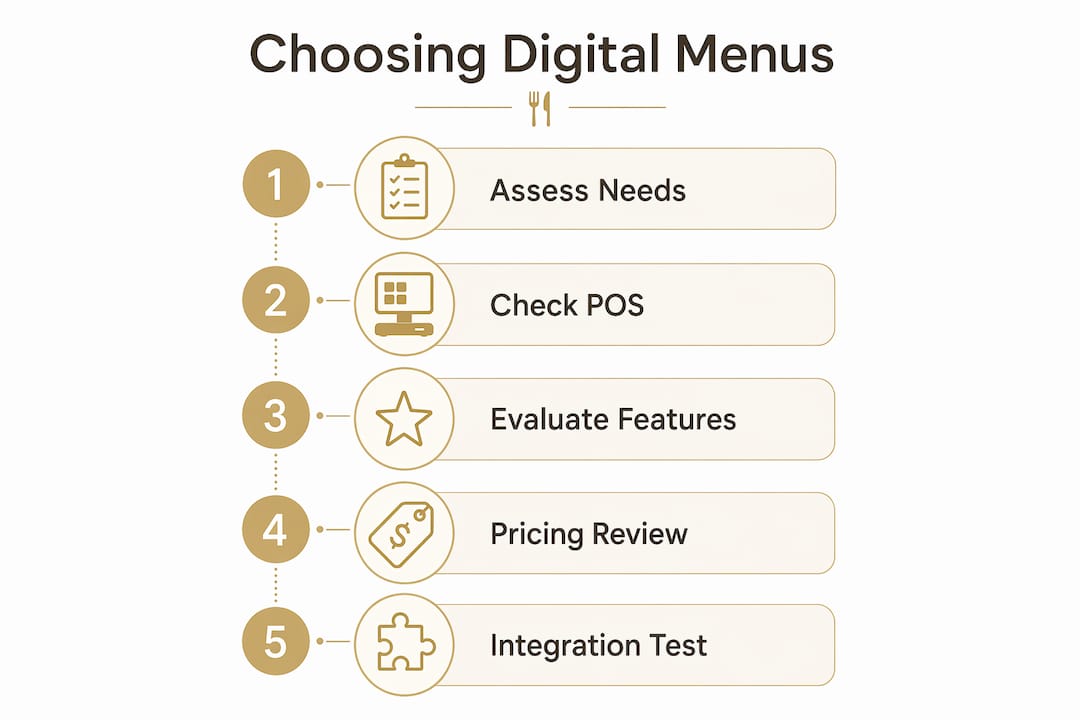
Choosing among yumm.menu competitors is less about picking the flashiest interface and more about matching capabilities to your actual operation. The shift toward comprehensive digital suites means a platform that only generates a QR code is already behind the curve. Here is what to evaluate seriously:
Feature depth: Does the platform handle ordering, loyalty, and marketing, or just menu display?
POS integration: Confirm compatibility with your existing system before committing. A platform that cannot talk to your POS creates more work, not less.
Mobile and remote updates: Your team should be able to push a price change or 86 a dish from a phone in seconds, without a system restart.
Onboarding and support: Ask specifically about response times and whether onboarding is self-serve or guided.
Security and compliance: Look for platforms that handle payment data under PCI DSS standards and protect guest profile data under applicable privacy regulations.
Pricing scalability: A free tier is useful for testing, but confirm that the paid tiers scale reasonably as your venue grows.
Pro Tip: Prioritize platforms that consolidate menus, ordering, loyalty, and marketing in one dashboard. Every additional tool you bolt on creates a new integration point that can break during a dinner rush.
Before signing with any provider, ask these questions directly: What POS systems do you integrate with natively? How long does initial setup take? What happens to my menu data if I cancel? Is payment processing handled in-platform or through a third party?
What makes Mydigimenu a strong choice for hospitality operators?
Mydigimenu is built specifically for the hospitality industry, and that focus shows in the depth of its feature set. Where basic alternatives stop at QR code generation, Mydigimenu extends into rich food video content and customizable menu layouts that actively influence guest decisions at the point of ordering. A mouthwatering video of a signature dish does more persuasive work than a text description ever could.
The platform supports CRM, POS, reservation, and delivery integrations, which means your front-of-house and back-of-house systems stay connected rather than siloed. Guest profiles captured via social login feed directly into targeted marketing campaigns and digital stamp card loyalty programs. Multiple payment options, including cryptocurrencies, give guests flexibility that most platforms simply do not offer.
Multi-language and multi-currency support makes Mydigimenu equally practical for a neighborhood cafe in Austin and a hotel bar in Miami serving international guests. Menu updates happen remotely from any device, with no app download required for guests.
Feature | Mydigimenu Capability |
Menu types | QR code, tablet, iPad, mobile app |
Content | High-quality food videos, customizable layouts |
Ordering | Contactless, direct, QR-based |
Payments | Multi-method including cryptocurrency |
Integrations | POS, CRM, reservation, delivery platforms |
Marketing | Campaigns, loyalty stamp cards, guest profiles |
Languages/Currencies | Multiple, for international venues |
Updates | Remote, real-time, no app required |
Standout capabilities at a glance:
Contactless QR code ordering with no guest app download required
High-quality food video embedding to drive upsells
Digital loyalty stamp cards integrated directly into the menu experience
Social login for guest profile capture and CRM sync
Nutritional information and guest feedback collection built in
Scalable across single-venue cafes, multi-location restaurants, and hotel bars
For operators thinking about restaurant menu design as a revenue lever, Mydigimenu’s customizable layouts give you genuine control over how dishes are presented and prioritized.
Which platforms are the top viable alternatives in the US market?
Beyond Mydigimenu, a few platforms are worth understanding on their own terms before making a decision.
UpMenu targets restaurants that want a branded online presence alongside their digital menu. It packages QR menus, a mobile ordering app, online reservations, and delivery and curbside pickup into a subscription model. The platform suits operators who want a customer-facing app without building one from scratch.
Olaclick takes a different angle entirely. It is free, carries no commission fees, and is backed by Google and Facebook infrastructure. For a small cafe or pop-up operation testing digital menus for the first time, that zero-cost entry point is genuinely attractive. The trade-off is limited integration depth compared to full-suite platforms.
Yumm.menu itself remains useful for operators who need nothing more than a hosted digital menu with a QR code. It costs nothing and requires minimal setup. But the moment you need ordering, loyalty, or POS connectivity, you will be looking for a replacement.
For hospitality professionals who also want to improve how guests discover their venue online, pairing a digital menu platform with restaurant SEO services can meaningfully increase foot traffic alongside the in-venue experience.
What do user reviews reveal about these platforms?
Reputation signals matter when evaluating yumm.menu similar websites, especially for operators who cannot afford downtime or poor support during service hours.
Mydigimenu draws consistent positive attention for its depth of features and the quality of its food video presentation tools. Operators in the hospitality space note that the platform’s ability to handle ordering, loyalty, and CRM in one place reduces the friction of managing multiple vendor relationships. Support responsiveness is frequently cited as a differentiator.
UpMenu earns solid marks for its branded app experience and the breadth of its ordering options, particularly delivery and curbside. Users note that the subscription cost is justified when the full feature set is used, but lighter users may find the pricing harder to rationalize.
Olaclick’s reviews reflect its positioning: users appreciate the zero-cost model and the absence of commission fees, but note that the platform’s integration options are limited. It works well as a starting point, less so as a long-term solution for growing venues.
Yumm.menu, as a free tool, receives fair reviews for simplicity. The consistent critique is that it lacks the depth to support a serious hospitality operation beyond basic menu display.
Key Takeaways
Mydigimenu is the strongest all-in-one digital menu platform for US hospitality operators who need ordering, loyalty, POS integration, and rich media content in a single system.
Point | Details |
Integration depth matters | Confirm POS and CRM compatibility before committing to any platform. |
Remote updates are non-negotiable | Choose a platform that lets you push live changes from any device during service. |
Rich media drives revenue | Food video content actively influences guest ordering decisions at the table. |
Free tiers have real limits | Zero-cost platforms like Olaclick and Yumm.menu suit testing, not scaling. |
Mydigimenu covers the full stack | It combines QR menus, ordering, loyalty, CRM, and multi-currency support in one platform. |
The future of digital menus is moving faster than most operators realize
The hospitality industry’s relationship with digital menus has shifted from “nice to have” to a genuine operational pillar, and the next phase is already visible. Static QR codes that link to a PDF are giving way to dynamic, motion-enabled menu displays that function more like live, looping playlists of dish photos and videos. That distinction matters operationally: a guest who watches a 10-second video of a wagyu burger is far more likely to order it than one who reads a three-line description.
The broader trend is toward all-in-one hospitality platforms that weave together menus, ordering, loyalty, and marketing rather than treating each as a separate tool. Web-based platforms that update via smartphone rather than installed software are particularly valuable here: they allow faster menu adjustments without system restarts, keeping operations fluid during peak hours.
Mydigimenu is positioned squarely in this direction. Its multi-device compatibility, video content support, and integrated guest engagement tools reflect where hospitality technology is heading, not where it has been. For operators who want to stay ahead rather than catch up, the platform’s architecture already supports the capabilities that will define the next generation of dining experiences.
Mydigimenu: the digital menu platform built for hospitality professionals
If you have been evaluating yumm.menu replacement options and found that most platforms either lack depth or require stitching together multiple tools, Mydigimenu offers a different experience. It was built for restaurants, cafes, bars, and hotels from the ground up, which means features like food video embedding, digital loyalty stamp cards, and CRM integration are native, not bolted on.
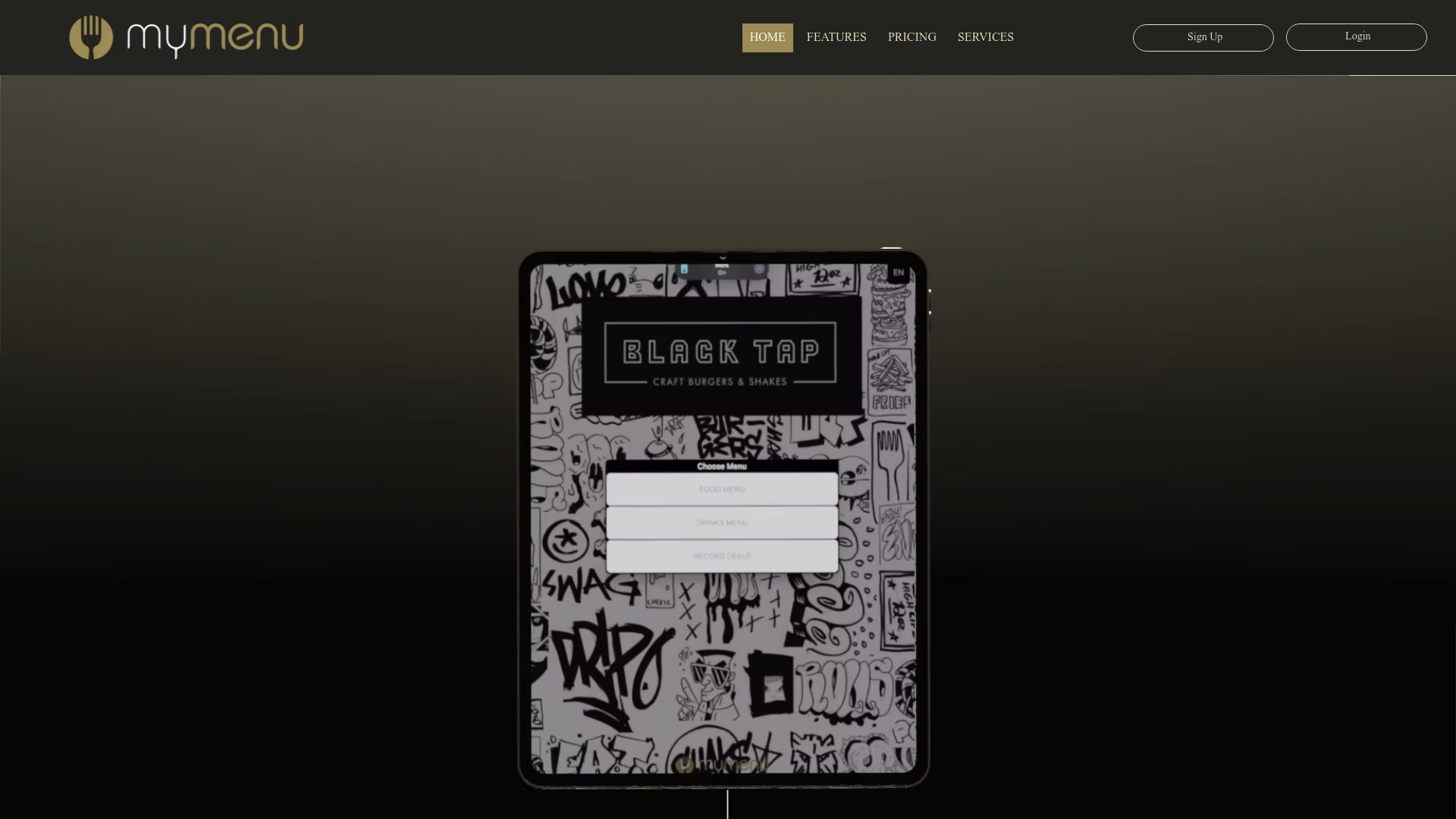
The platform handles everything from contactless QR ordering to multi-currency payments and targeted marketing campaigns, all managed remotely from a single dashboard. There is no guest app to download, no commission on orders, and no need to juggle separate vendors for loyalty and POS connectivity. For US hospitality operators who want a platform that grows with their venue rather than one they will outgrow in six months, Mydigimenu is worth a close look. Visit the restaurant digital menu page to explore plans and see the platform in action, or check USD pricing options to find the tier that fits your operation.
Recommended
Comments