
Customer Retention Tactics for Restaurants That Work

TL;DR:
Winning the second visit is crucial for building long-term loyalty and increasing customer lifetime value.
Effective retention relies on simple loyalty programs, behavior-triggered emails, and guest segmentation to personalize offers.
Customer retention tactics for restaurants are proven methods that increase repeat dining frequency and customer lifetime value by combining targeted loyalty programs, personalized marketing, and automated guest recognition systems. Over 77% of diners visit a restaurant only once, which means the average restaurant loses most of its new guests before they ever become regulars. That single statistic reframes where your energy belongs. Winning a second visit matters more than winning a first one, and the operators who understand this build systems around it. This article covers the most effective retention strategies available in 2026, grounded in current data and built for restaurant owners who want results, not theory.
1. Why loyalty programs are the foundation of restaurant retention

Loyalty programs are the single most documented driver of repeat visits in the restaurant industry. 66% of consumers order more frequently where they actively use a loyalty program. Loyalty members also visit 22% more often and spend 38% more per visit. Those numbers compound quickly across a full customer base.
The design of the program matters as much as the existence of one. Simple, visit-based structures like digital punch cards outperform complex tiered systems because guests understand them immediately. When a customer has to read instructions to figure out their rewards, they disengage. The goal is instant clarity at the point of sale.
A critical design shift is moving from physical cards to phone number-based loyalty systems. Phone numbers enable automatic guest recognition across in-store, online, and delivery channels without requiring staff to remember faces or guests to carry cards. Data loss drops sharply, and your CRM builds a complete picture of each guest’s behavior.
Keep reward thresholds low enough that guests reach them within 3–5 visits
Train every staff member to mention the program at checkout, not just on signage
Promote the program at every touchpoint: table cards, receipts, and digital menus
Review redemption rates monthly to catch disengagement early
Pro Tip: If your loyalty program redemption rate is below 20%, the threshold is probably too high or the reward is not compelling enough. Cut the threshold before you redesign the entire program.
2. How behavior-triggered email marketing drives repeat visits
Email marketing is the highest-ROI channel available to restaurant operators when it is automated and targeted. Behavior-triggered email campaigns deliver $10–$36 ROI per $1 spent, with the best-optimized programs reaching $48 ROI. Generic mass blasts to your full list produce a fraction of those returns.
The mechanics are straightforward. A guest visits for the first time, and within 48 hours they receive a personalized follow-up message. That message might include a thank-you, a soft incentive for a second visit, or a spotlight on a dish they did not try. Timing is everything. A message sent a week later lands in a cold inbox. A message sent within two days lands while the memory of the meal is still warm.
84% of captured guest profiles contain valid email addresses, which means the data infrastructure for scale already exists in most restaurants that collect guest information. The gap is almost never data availability. It is the absence of automation that turns that data into action.
Segmentation separates effective email programs from noise. A guest who visited once three months ago needs a different message than a weekly regular. Lapsed guest win-back campaigns, birthday offers, and post-visit surveys each serve a distinct purpose and should never be sent to the wrong segment. Platforms that connect your restaurant CRM to your email system make this segmentation automatic rather than manual.
3. Segmenting guests to convert first-timers into regulars
Guest segmentation is the practice of grouping diners by visit frequency and tailoring your retention approach to each group. Treating all guests the same wastes marketing spend and misses the moments when a targeted message would have made the difference. The most effective frameworks divide guests into five tiers: One-Time Visitors, Casual Guests, Regulars, Super Guests, and Champions.
One-Time Visitors deserve the most attention because they represent the largest group. With more than 77% of new guests never returning without intervention, converting even a fraction of them into Casual Guests produces measurable revenue gains. Automated win-back campaigns and 48-hour follow-up emails are the two highest-impact tools for this tier.
Churn prediction and automated win-back campaigns recover up to 38% of lost guests. Every 100 guests recovered preserves roughly $26,030 in revenue. Automated systems achieve this at scale without requiring additional staff time, which is why the ROI gap between manual and automated retention is so wide.
Pro Tip: Build your segmentation around visit frequency first, then layer in spend data. Frequency tells you who is loyal. Spend tells you who is valuable. The overlap is your most important group.
A unified data system that recognizes guests across in-store visits, online orders, and third-party delivery platforms is the infrastructure that makes segmentation work. Without it, a guest who orders online three times a week looks like a stranger when they walk through the door. Customer engagement in hospitality depends on that recognition being consistent and automatic.
4. Gamification, subscriptions, and multi-channel loyalty in 2026
Points-based loyalty programs alone are becoming obsolete. Hybrid programs with gamification, personalized offers, and subscription components outperform traditional points systems by engaging guests between visits, not just at the moment of purchase. This shift reflects a broader change in how guests relate to brands they frequent.
Gamification techniques like challenges, streaks, and badges keep guests engaged between visits and give them reasons to return that go beyond discounts. A “visit 5 times this month” challenge creates urgency. A streak reward for consecutive weekly visits builds habit. Badges for trying new menu items encourage exploration. These mechanics work because they tap into the same psychology as fitness apps and games, applied to dining behavior.
“The most effective loyalty programs in 2026 are not just reward systems. They are engagement platforms that make guests feel recognized, challenged, and appreciated every time they interact with the brand, whether that is in-store, on an app, or through a delivery order.”
Subscription models add a recurring revenue layer on top of points programs. A monthly pass that offers a free coffee or a discounted appetizer on every visit gives guests a financial reason to return regularly. The risk is that subscriptions can cannibalize full-price visits if the discount is too deep, so the offer needs to be calibrated carefully.
Multi-channel loyalty integration is the infrastructure that ties all of this together. Unified guest profiles that connect all ordering channels allow guests to earn and redeem rewards whether they order at the counter, through your website, or via a delivery platform. Guests who experience friction in reward accrual disengage quickly. Consistency across channels removes that friction entirely.
Mobile-first loyalty apps and digital wallet integration reduce the barrier to program participation
Personalized offers based on purchase history outperform generic promotions in both redemption rate and guest satisfaction
Real-time visit behavior data enables offers that feel timely rather than automated
Restaurant loyalty strategies that unify online and in-store data produce the strongest long-term retention results
For operators looking to build or improve their digital loyalty program, the 2026 standard is a hybrid model that combines points, gamification, and at least one subscription or pass option, all connected through a single guest profile.
Improving restaurant SEO alongside loyalty efforts also matters. Guests who find you easily online are more likely to return, and visibility reinforces the brand recognition that loyalty programs depend on.
Key takeaways
The most effective customer retention system for restaurants combines automated guest recognition, behavior-triggered communication, and hybrid loyalty programs that engage guests across every channel they use.
Point | Details |
Second visit is the priority | Winning the second visit is the critical milestone that leads to long-term loyalty and higher lifetime value. |
Loyalty programs drive measurable ROI | Members visit 22% more often and spend 38% more, making loyalty programs the highest-return retention investment. |
Email automation outperforms mass blasts | Behavior-triggered campaigns deliver up to $48 ROI per $1 spent when properly segmented and timed. |
Segmentation prevents wasted spend | Dividing guests into frequency tiers and targeting each group separately improves both retention rates and marketing efficiency. |
Hybrid loyalty is the 2026 standard | Combining points, gamification, and subscriptions with unified multi-channel profiles produces stronger engagement than points alone. |
What I have learned about retention after years in hospitality tech
Retention is a system, not a single tactic. The biggest mistake I see restaurant operators make is treating loyalty programs as a standalone fix. They launch a punch card, see modest results, and conclude that loyalty programs do not work for their concept. What they actually built was one component without the surrounding infrastructure.
The second visit is where the real work happens. A guest who returns once is not yet loyal. They are curious. The job of your retention system is to make that second visit so rewarding, so recognized, and so frictionless that a third visit becomes the obvious next step. That means your staff knows the program, your digital touchpoints reinforce it, and your follow-up communication arrives before the guest has forgotten your name.
Automation is not a shortcut. It is the only way to operate a retention system at scale without burning out your team. Manual win-back campaigns and hand-sorted email lists collapse under the weight of a real guest database. The operators who invest in automation early free their staff to focus on hospitality instead of spreadsheets.
One more thing: do not build a program so complex that your own staff cannot explain it in one sentence. If your team hesitates when a guest asks how the rewards work, you have already lost the moment. Simplicity is not a compromise. It is the feature.
— Abhi
How Mydigimenu supports your retention strategy
Mydigimenu’s restaurant digital menu platform captures guest data at the point of interaction, feeding the CRM and loyalty systems that power your retention efforts. Every QR code scan, social login, and order creates a profile that your marketing automation can act on immediately.
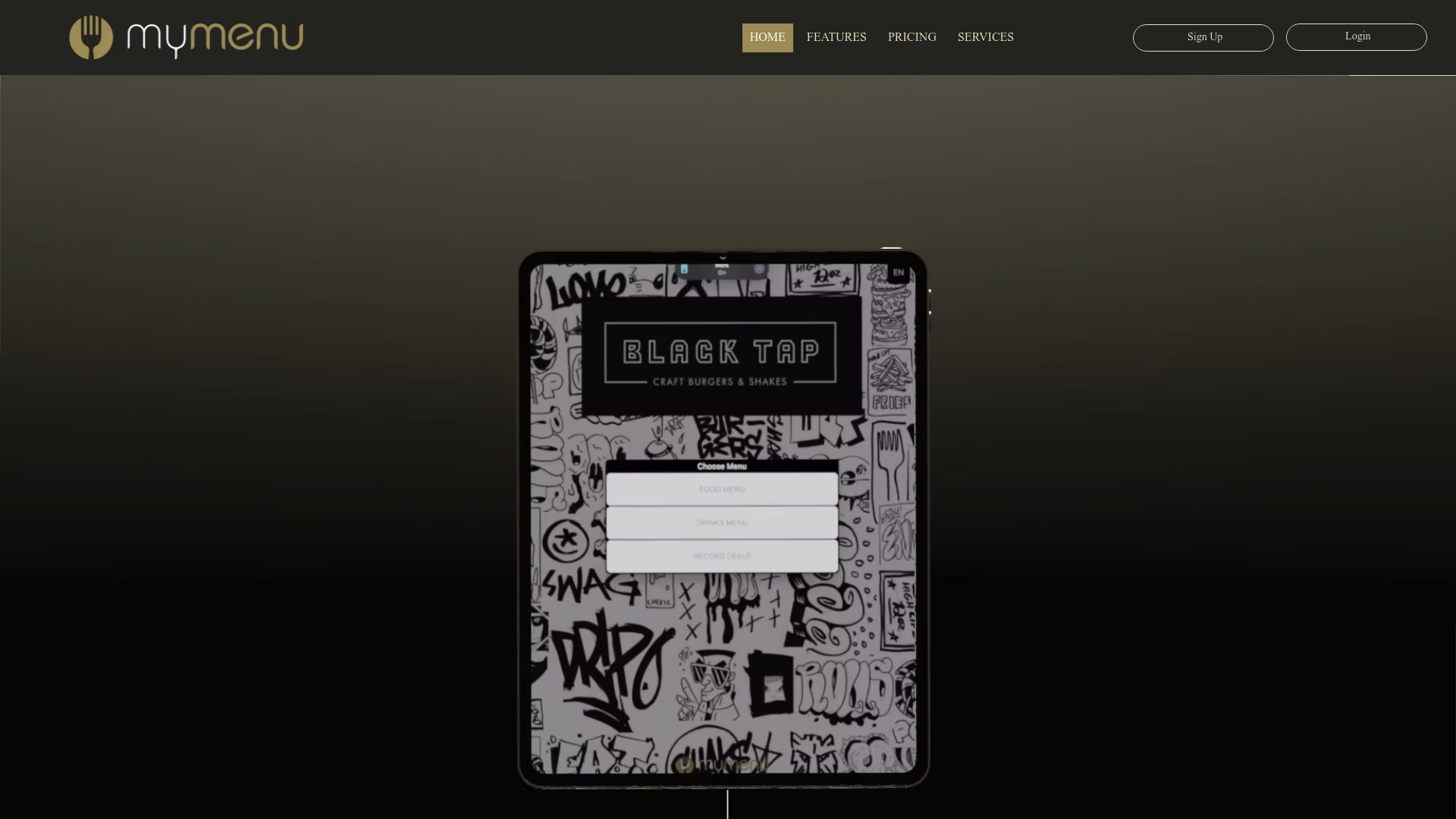
The platform integrates with loyalty programs and POS systems, so guest recognition happens automatically whether a diner orders at the table or through your QR menu. Staff can see loyalty status in real time, which makes program promotion natural rather than scripted. Mydigimenu also supports digital stamp cards, targeted promotions, and multilingual menus, giving you the tools to engage guests from their first visit through their hundredth.
FAQ
What is the most effective customer retention tactic for restaurants?
The most effective tactic is winning the second visit through a combination of a 48-hour follow-up email and a simple, clearly communicated loyalty program. Guests who return twice are significantly more likely to become regulars.
How much do loyalty programs increase restaurant revenue?
Loyalty program members visit 22% more often and spend 38% more per visit compared to non-members. Those gains compound across a full customer base and represent the strongest documented ROI in restaurant retention.
What is behavior-triggered email marketing for restaurants?
Behavior-triggered email marketing sends automated messages based on specific guest actions, such as a first visit or a lapse in visits. These campaigns deliver $10–$36 ROI per $1 spent, far exceeding generic mass email performance.
How does guest segmentation improve retention?
Segmenting guests by visit frequency allows you to send targeted messages to each group rather than the same offer to everyone. Treating a one-time visitor the same as a weekly regular wastes budget and misses the specific incentive each group needs.
What makes a loyalty program easy for guests to use?
Phone number-based enrollment, low reward thresholds reachable within 3–5 visits, and consistent recognition across in-store and online channels are the three factors that most directly reduce friction and increase participation rates.
Recommended
Comments