
Restaurant Marketing Checklist: Boost Engagement & Drive Sales

TL;DR:
Effective restaurant marketing requires a structured, ongoing approach that combines clear priorities, automated guest engagement, targeted local ads, and innovative digital tools. Regularly tracking performance data and adapting strategies ensures sustained growth and a memorable guest experience. Most mistakes stem from treating these efforts as one-time tasks instead of continuous, personalized systems.
Every restaurant manager knows the feeling: you’ve got a brilliant menu, a warm dining room, and a team that genuinely cares, yet the tables sit half empty on a Tuesday night. Cutting through the digital noise to fill those seats requires more than good food. It demands a smart, structured approach to marketing that connects with local guests at the right moment and keeps them coming back. This step-by-step marketing checklist is built specifically for restaurant and cafe operators who want measurable results, not just a longer to-do list.
Table of Contents
Key Takeaways
Point | Details |
Automate guest outreach | Building lists and sending automated campaigns can increase retention and revenue with minimal ongoing effort. |
Geo-target ads for efficiency | Focusing ad spend locally reduces acquisition costs and drives more reservations from ‘near me’ searches. |
Prioritize digital experiences | Digital menus and ordering platforms improve guest satisfaction and simplify marketing updates. |
Measure and adapt regularly | Tracking performance and applying real expert insights lets you stay ahead of the competition. |
Define your restaurant’s marketing priorities
With the big picture in mind, the first step is knowing precisely where your marketing efforts can make the most impact. Without clear priorities, even the best tactics scatter like crumbs across a cutting board, leaving you busy but directionless.
Start by clarifying your primary business objectives. Are you focused on increasing repeat customer visits, maximizing table turnover during peak hours, or building stronger local brand awareness? Each goal calls for a different marketing mix. A café targeting morning commuters will prioritize SMS promotions and loyalty programs, while a fine-dining spot may lean heavily into reputation management and Instagram storytelling.
Once your objectives are clear, identify the digital solutions worth investing in:
Automation tools that handle routine guest communication without eating into staff time
Paid advertising platforms that put your offers in front of local, high-intent searchers
Guest engagement features like loyalty programs, digital menus, and feedback collection
Analytics dashboards that show you what is actually working
Review your current digital footprint against a solid digitization checklist to spot gaps quickly. Cross-referencing your setup against essential restaurant features helps you prioritize upgrades that guests will immediately notice and appreciate.
Pro Tip: Frame every marketing goal in measurable terms. Instead of “get more orders,” set a target like “raise online orders by 20% over the next 90 days.” Measurable goals make it far easier to evaluate what deserves more budget and what needs to be cut.
Build and nurture guest lists with automation
With clear priorities set, you can design efficient, automated systems to keep your guests engaged long after they leave the table.
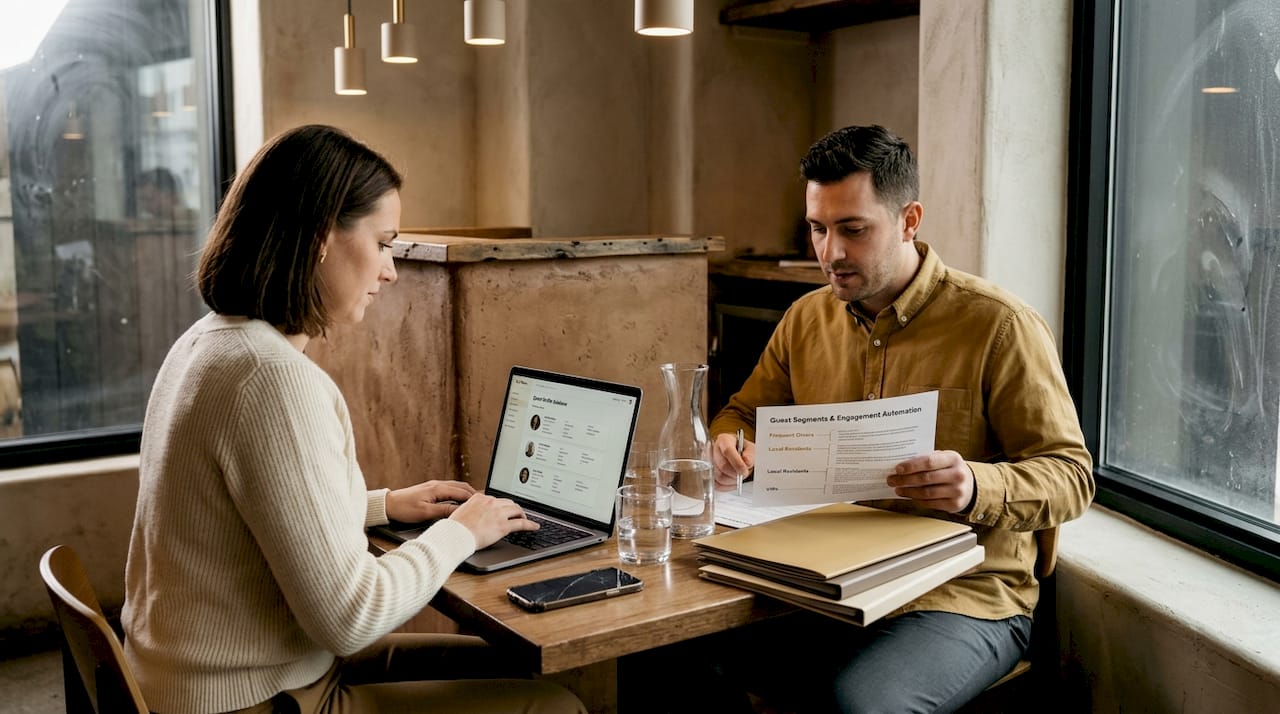
Your guest list is one of the most valuable assets your restaurant owns. An engaged list of 500 loyal subscribers will consistently outperform a cold audience of 5,000 strangers. The key is building that list ethically and strategically, then activating it with targeted campaigns that feel personal, not generic.
Here is a proven sequence for building and activating your guest list:
Capture email and phone numbers at every touchpoint. QR menu opt-ins, Wi-Fi login prompts, reservation confirmations, and online order checkouts are all natural moments to ask for contact details. Sweeten the request with a small incentive, like a free dessert on the next visit or a members-only discount.
Set up an automated welcome sequence. Within minutes of a guest signing up, they should receive a warm, branded message that introduces your story, highlights a signature dish, and includes a clear call to action for their next visit.
Build birthday and anniversary campaigns. These feel deeply personal while requiring zero manual effort once they are configured. A simple “Happy Birthday, your complimentary cocktail awaits” message can be the thing that turns a casual guest into a passionate regular.
Activate win-back campaigns for lapsed guests. If someone has not visited in 60 days, trigger a message with a compelling reason to return. A limited-time offer or a “we miss you” message with a small incentive often does the trick.
Segment your list for sharper targeting. Not every guest wants the same offer. Brunch lovers respond to different promotions than late-night regulars. Segmentation turns your list into a precision instrument rather than a blunt instrument.
“Automated email and SMS campaigns for restaurants consistently return between $15 and $44 for every $1 spent, making them one of the highest-ROI marketing channels available to operators today.”
That kind of return makes automation genuinely exciting, not just a nice-to-have. Pair it with proven restaurant loyalty strategies to amplify retention even further. Many operators also discover that boosting loyalty with digital tools like no-app ordering removes friction that was quietly discouraging repeat visits. For a broader view of how technology shapes the whole guest journey, exploring digital efficiency solutions offers a compelling roadmap.
Pro Tip: Segment your list by visit frequency and average spend. High-value guests deserve exclusive early access to new menu items or special events, while infrequent visitors need stronger re-engagement incentives.
Run targeted digital ads in your local area
Automated retention is vital, but so is driving new guests through local digital outreach. A well-fed loyalty base combined with a steady stream of fresh faces is the formula that sustains long-term growth.
The three platforms that deliver the best return for most restaurants are Google, Facebook, and Instagram. Each plays a slightly different role:
Google Ads capture guests who are already searching with intent, especially “near me” queries like “best brunch near downtown” or “Italian restaurant open now.” These are high-converting searches because the guest is already ready to make a decision.
Facebook Ads are powerful for awareness campaigns, event promotions, and reaching specific demographic groups in your neighborhood, such as families, young professionals, or food enthusiasts.
Instagram Ads shine when your food photography is strong. A mouthwatering image of your signature dish placed in front of local foodies can drive real foot traffic, especially for weekend specials and seasonal offerings.
Geo-targeting is the engine behind effective local advertising. Set your ad radius to match realistic travel distances for your area, typically 3 to 8 miles for urban restaurants and up to 15 miles for destination dining experiences. Use location-based keywords and neighborhood names in your ad copy to make your message feel hyper-relevant.
Industry data shows that local restaurant ad costs typically land between $14 and $18 per new guest acquisition when campaigns are properly optimized. That benchmark gives you a practical starting point for budget planning. If your average guest spends $40 per visit and returns three times per year, a $16 acquisition cost is a remarkable investment.
Track these key metrics to stay on top of campaign performance:
Cost per acquisition (CPA): Are you within the $14 to $18 benchmark?
Impression share: How often are your ads appearing for relevant local searches?
Offer redemption rate: Are people actually using the promotions you are advertising?
Thoughtful menu design for engagement on your landing pages and digital presence reinforces the ad experience once a curious diner clicks through. Pair strong ads with a seamless guest experience from the first touchpoint to the final bite. For operations that have already embraced delivery, a solid online ordering system guide helps ensure your digital ads actually convert into completed orders.
Leverage digital menus and ordering solutions
Once your marketing draws guests in, digital experience tools help keep them coming back. First impressions matter enormously, and today’s guests arrive with high expectations shaped by their best digital experiences outside of dining.
Digital menus are no longer a novelty. They are a genuine operational advantage. Updating prices, removing sold-out items, or spotlighting a seasonal special now takes minutes rather than a full reprint cycle. Guests also respond well to rich, visual menus that bring dishes to life with professional photography and even short food videos.
Here is a practical comparison of the three core digital menu formats:
Solution | Best for | Key advantages | Considerations |
QR code menus | Fast-casual, cafés, outdoor dining | Zero hardware cost, instant updates, contactless | Requires guest smartphone |
Tablet/iPad menus | Upscale casual, hotel restaurants | Rich visual experience, guided upselling | Hardware investment needed |
Online ordering systems | Delivery, takeaway, pre-ordering | 24/7 revenue, broader reach, no app needed | Integration with POS required |
Implementation tips that actually make a difference:
Train your staff to champion digital menus, not just tolerate them. A server who enthusiastically points guests to the QR menu turns a new tool into a genuine hospitality moment.
Promote your digital menu before guests arrive through email campaigns and social media so they already feel comfortable using it on arrival.
Use analytics built into your digital menu platform to identify which dishes are viewed most, which are ignored, and where guests drop off during ordering.
Ensure your menu works flawlessly on mobile, since the majority of guests will browse on a smartphone screen.
Reviewing the restaurant digitization success framework helps you sequence these implementations in a logical order that minimizes disruption to daily operations while maximizing guest-facing improvements.
Track results and adapt with expert insights
Implementing tools is step one. Consistently optimizing with real data and expert knowledge is what separates top performers from those who plateau after the initial excitement fades.
Every campaign, promotion, and menu change produces data that tells a story. The restaurants that grow fastest are the ones that actually read that story and respond to it. Set up a simple performance tracking table that you review monthly:
Metric | Baseline | Month 1 | Month 2 | Month 3 | Target |
Email open rate | 18% | 22% | 25% | 27% | 30% |
Cost per acquisition | $21 | $19 | $17 | $15 | $14 |
Repeat visit rate | 28% | 31% | 34% | 36% | 40% |
Online order volume | 85/wk | 100/wk | 115/wk | 128/wk | 150/wk |
Tracking this data consistently turns guesswork into confident decisions. Pair data review with attention to expert insights on where marketing is heading. Industry observers note that human oversight on AI content is becoming a critical differentiator, as restaurants that let AI generate content without brand-aligned review risk sounding generic and losing the warmth that makes hospitality special.
The same analysis highlights that brand identity now carries more weight than trend-chasing, and that Generative Engine Optimization (GEO) is beginning to rival traditional SEO for discovery, particularly through AI-powered map searches and voice queries. Restaurants that optimize their digital presence for these emerging channels will gain a meaningful edge over the next few years.
Effective reservation management tips also contribute to your data picture, showing peak demand patterns that should directly shape your ad spend timing and promotional calendar.
Pro Tip: Schedule a 30-minute monthly performance review with your marketing lead or manager. Use that session to compare your tracking table against your goals, identify one underperforming area, and assign a specific action to improve it before the next review.
What most restaurant marketing checklists get wrong
Now you know the modern checklist. But what is missing from most advice out there?
The biggest mistake operators make is treating the checklist as a one-time exercise rather than a living system. They set up email automation, launch a few ads, add a QR menu, and then move on, assuming the work is done. Months later, they wonder why results have stalled. The checklist is not a finish line. It is a feedback loop.
The second failure point is copying tactics that work for other restaurants without asking whether those tactics fit your actual guests. A trendy loyalty app might thrive in a fast-casual chain environment and fall completely flat in a neighborhood bistro where guests value personal recognition over digital badges. Genuine understanding of your customer base always outperforms borrowed playbooks.
The most underused opportunity we see is the cross-pollination of new digital tools with old-school hospitality instincts. A beautifully executed loyalty strategies that work program is not just a points system. It is a digital extension of the warm welcome your best server gives to a returning regular. When technology amplifies genuine human connection instead of replacing it, something magical happens: guests stop being customers and start becoming advocates.
The checklist should evolve every quarter as your guest base shifts, your menu grows, and new platforms emerge. Operators who review and refresh their approach regularly consistently outperform those who set it and forget it.
Take your restaurant marketing to the next level with My Menu
Ready to put your checklist into action? The right digital tools make every item on this list easier, faster, and more effective to execute.
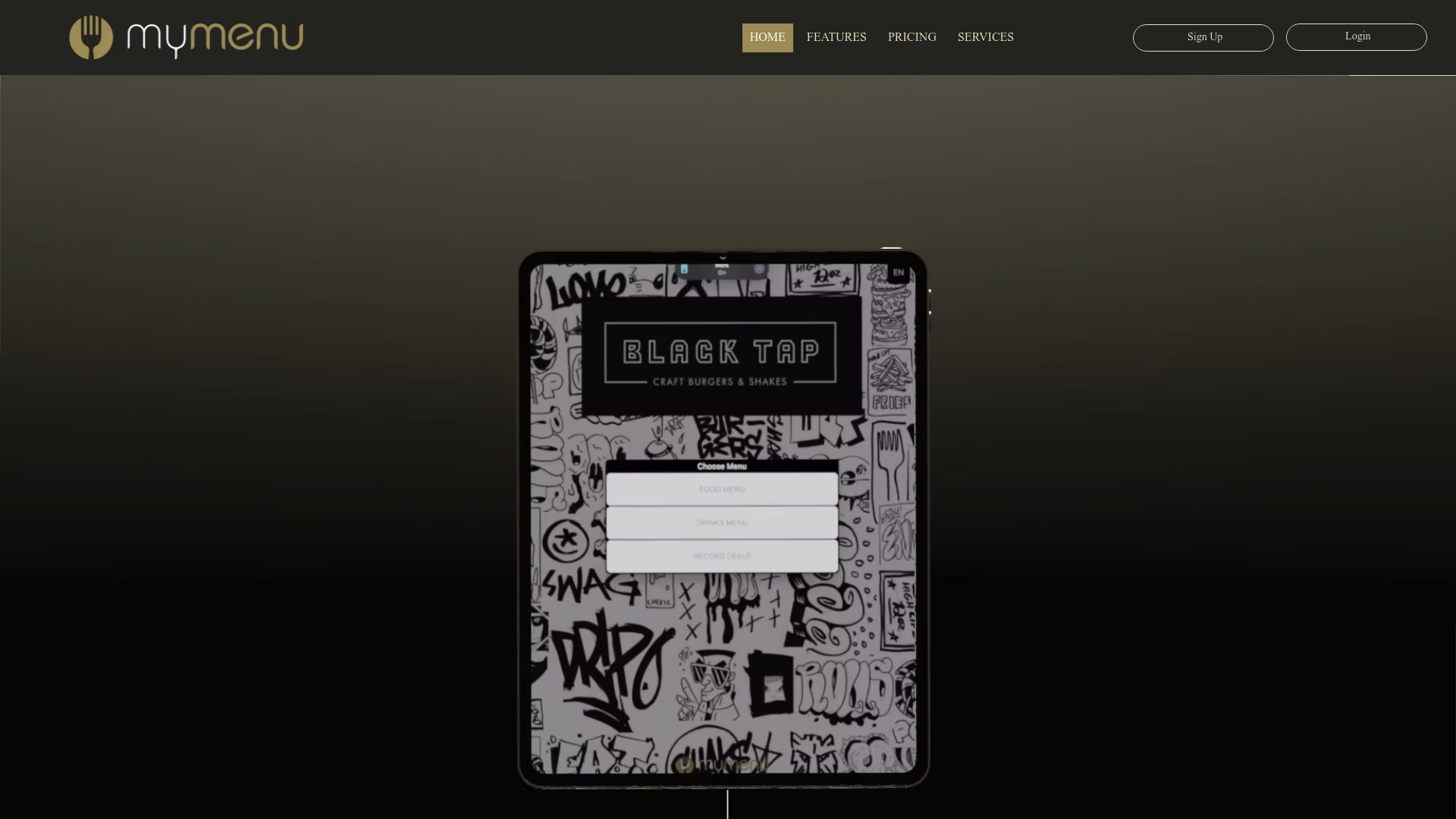
MyDigiMenu.com is built specifically for restaurants, cafés, bars, and hotels that want to transform their guest experience from the moment a diner picks up their phone to the moment they leave a glowing review. Whether you are ready to explore digital menu solutions that showcase your dishes with stunning visuals, launch a QR menu generator that guests can use instantly without downloading an app, or discover the full suite of loyalty, CRM, and ordering tools available across all plans and pricing, MyDigiMenu gives you everything you need to bring your checklist to life. Start with one tool, see the impact, and build from there.
Frequently asked questions
What is the most cost-effective restaurant marketing strategy?
Automated email and SMS campaigns consistently offer an ROI of $15 to $44 per dollar spent by targeting already-engaged guests with personalized, timely messages.
How much should I budget for digital ads to attract new diners?
Geo-targeted restaurant ads on Google, Facebook, or Instagram typically deliver a cost per acquisition of $14 to $18, making them an efficient channel for reaching local, high-intent searchers.
What digital menu solutions work best for small restaurants?
QR menu generators and tablet-based digital menus are affordable entry points that require minimal hardware investment, update instantly, and meaningfully improve the ordering experience for guests.
Is AI content creation safe for restaurant brands?
AI tools work best with consistent human oversight on AI content and a well-defined brand voice, ensuring that automated content feels warm and authentic rather than templated and forgettable.
Recommended
Comments