
AI Menu Translation for Restaurants: Lock Corrections Before Updates


Context-aware AI combined with OCR and human-approved publishing is the reliable way to turn one menu into many languages. Operators should pilot this workflow now: scan the source menu, review the draft, protect approved wording, and publish to QR or tablet menus. Travelers can use a scan-and-explain app. We built MyDigiMenu to support the operator side.
TL;DR:
For an approaching tourist rush, translate your top ten items first, publish them to the QR menu, then expand afterward.
Choose the two or three languages guests actually speak, and lock approved corrections so later translation runs cannot overwrite your terminology.
Test OCR on worn, glossy, and handwritten menus, while checking that prices, sections, and descriptions retain their positions in QR and tablet layouts.
Treat inferred allergen and dietary tags only as guidance; retain official allergen labeling, and have a person review every language before publishing.
Table of Contents
What is AI menu translation, and why do menus need their own approach?
AI menu translation reads a menu image or file with OCR, then translates each dish with the surrounding menu context in mind. A generic translator sees a string of words. A menu-aware system sees a dish name, a category, a price and a description, and treats them differently.
That difference decides whether a guest orders happily or gets a surprise. Literal translation tends to fail in familiar ways:
Dish names get translated word for word, turning a regional specialty into something unappetizing or confusing.
Idioms and house names lose their meaning or get “corrected” when they should stay as written.
Ingredient terms shift between menu items, so the same cheese or cut of meat gets three different names.
Formatting breaks, pushing prices and descriptions out of line.
The better systems learn from approved translations. Translated’s Lara model uses context-aware translation that adapts from approved terminology, so quality compounds instead of resetting with every job. On our side, we support multilingual menus so approved wording lives where your guests read it.
How do OCR, culinary context and editorial controls work together?
Think of the pipeline as a series of stages, each with a job to do:
OCR and layout extraction. The system reads your PDF or photo and captures structure: categories, dish names, descriptions and prices.
Context-aware translation. The model translates using menu fields and any approved terminology, which keeps a dish from drifting into a literal reading. Open-source projects like MenuScan document this kind of OCR plus LLM pipeline, converting menu images into structured data before any inference happens.
Review and protect. A person checks the draft, fixes what needs fixing, and locks those corrections so a later automated pass cannot overwrite them.
Publish. Verified text flows into the digital menu guests actually use.
Language coverage and bulk handling matter here too. A long menu in five languages is a lot of text, and you want to review it once, not every time a price changes.
Pro Tip: Ask any vendor to show you what happens to a manual correction after the next automatic translation run. If it can be overwritten, you will be fixing the same dish again next month.
Which features should you require before choosing a workflow?
Features separate a demo-friendly tool from one you can run on a Friday night. Here is the checklist we would use, in rough priority order:
Layout preservation. Prices, sections and descriptions should land where they belong, with exports that fit PDF, QR and tablet templates.
Protected translations. Approved wording should persist after edits and re-runs.
Culinary terminology memory. The system should remember that your signature sauce keeps its original name across every language.
Strong OCR. Photos of worn, glossy or handwritten menus are the real test, not clean PDFs.
Camera-scan support on mobile. Staff and guests both benefit when a phone can capture a menu quickly.
Allergen and dietary tagging. Inference can guide guests, but treat it as a helper and never as a replacement for your official allergen labeling.
Platform integration. Translation that publishes straight into your QR and tablet menus avoids copy-and-paste mismatches.
Publishing controls per language. You should be able to release one language at a time and run bulk updates when the menu changes.
A tool that meets most of these criteria but fails to protect manual edits may cost you more time than it saves. That is the one to test hardest.
What is the step-by-step checklist for restaurants?
Here is a sequence you can run in an afternoon, then repeat each season:
Prepare clean source files. Use a crisp PDF or a high-contrast photo, and list your top-selling items first.
Run OCR and generate drafts. Pick your target languages and produce a first pass for each.
Review as a human. Standardize terminology, mark protected translations and start a glossary of dish names that never change.
Publish. Push verified text to your QR menu and tablet menu, and refresh any printed PDF.
Collect feedback and feed it back. When a guest or server flags a better phrasing, approve it so future output improves.
Pro Tip: Start your glossary with the five dishes guests ask about most. Those entries pay off fastest and set the tone for everything after.
The mistakes worth avoiding are well documented. Our write-up on menu translation errors shows how a literal reading can wreck a dish name, which is exactly why step three exists.
How does this look in real situations?
Tourist week ahead. You have days, not weeks. Translate your top ten items first, publish them to the QR menu, and expand afterward. Seasonal demand shifts are worth watching, and trends in gastronomy offers useful context for planning.
Hotel room service. Long menus with branded dish names and technical terms suit bulk translation, as long as protected names stay intact.
Traveler at the table. Apps such as Gastronai describe camera scanning, dish explanations, allergen alerts and pronunciation help, while Apertize focuses on snap-and-translate ordering assistance. Language support abroad matters well beyond menus, as this guide to tours in your own language shows.
Why do we recommend an integrated platform for translations?
We recommend keeping translation and publishing in one place. It supports multilingual menus, QR menus and tablet menus, with an admin portal. Keeping translated text and the live menu aligned can help prevent them from drifting apart.
Integration also cuts manual work. Keeping translation and publishing in one place can avoid exporting a file, editing it elsewhere and uploading it again. Approved wording stays in the portal, so each new edit builds on the last one instead of starting over. Our post on why multilingual menus lift guest engagement covers the guest side of the same idea.

What would we do first if we ran a busy restaurant?
Start small and protect early. Pick your best-selling items and the two or three languages your guests actually speak, then expand once those read well. Lock your manual corrections from day one, because that glossary is what steadies the AI over time. After that, check guest feedback and revisit translations each season or whenever the menu changes. A few focused hours beats a month-long overhaul that never ships. The goal is a menu that sounds like your kitchen in every language, and that comes from approvals, not from the first draft.
— Abhi
Ready to publish verified multilingual menus?
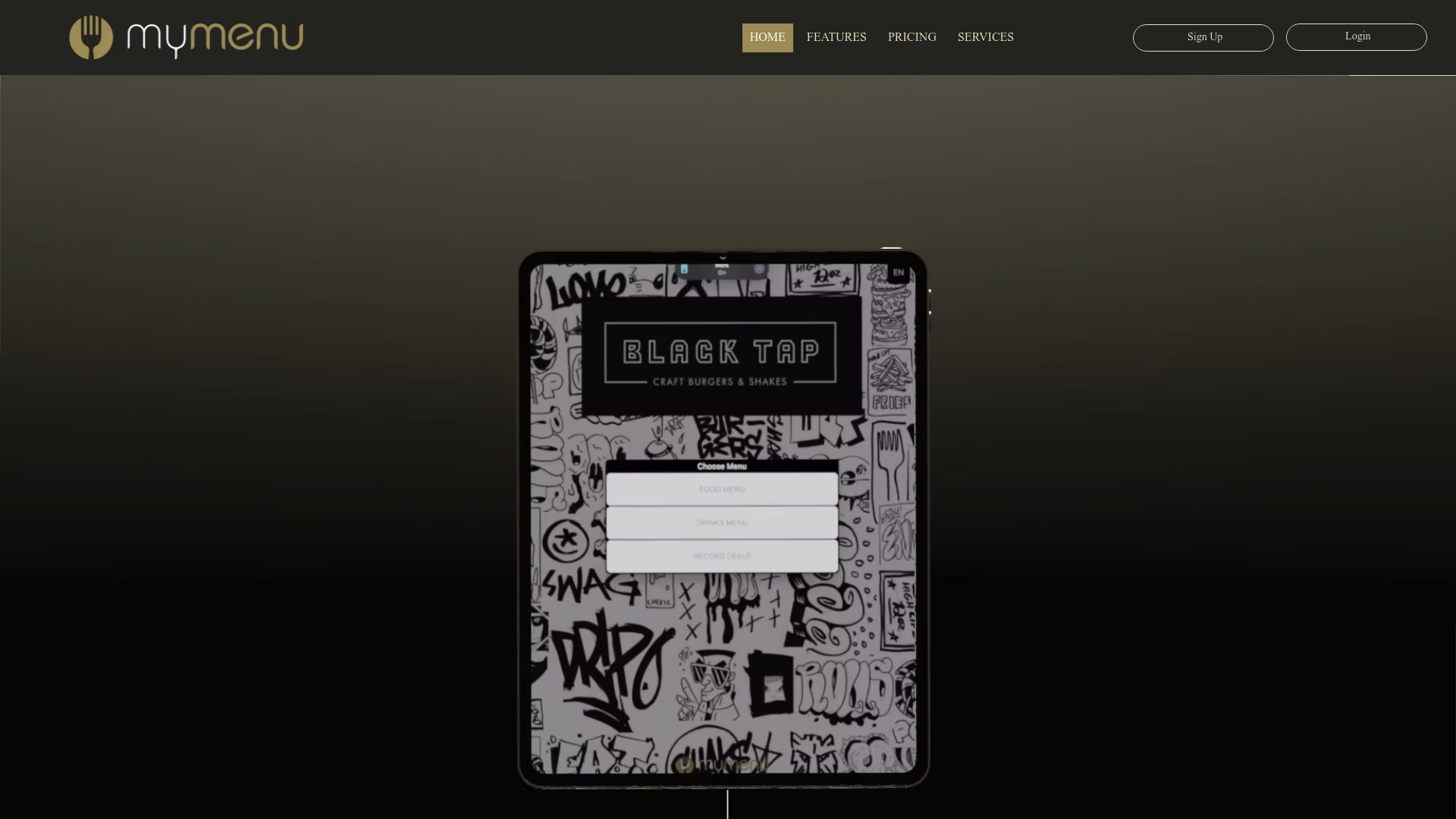
We offer QR menus, tablet menus, multilingual support and an admin portal, all in one platform. Open our QR menu page to see how guests reach your menu, or check pricing to compare plans before you book a demo. Plans start with StartUp Menu at $39 per month.
FAQ
How can you translate a menu with AI?
Scan or upload the menu so OCR can read it, generate draft translations, then review and approve them. Publishing only the approved text to your QR or tablet menu keeps errors off the guest’s screen.
What is the best AI to translate a menu?
A strong choice is a menu-aware tool with OCR, culinary context and protected corrections, rather than a generic translator. Context-aware models that learn from approved terminology tend to give steadier results on high-stakes text like menus.
Can ChatGPT translate a menu?
General chat assistants can help translate dish names, but check whether the tool preserves layout and approved wording before publishing. For a menu you will publish, you still need a review step and a place to store final translations.
How do you make an AI menu?
Start by extracting your menu into structured fields with OCR, then translate with context and review each language. MenuScan describes this kind of OCR plus LLM pipeline, which also infers likely ingredients and allergens.
Sources
Recommended
Gerade bei Speisekarten finde ich automatische Übersetzungen praktisch, vor allem wenn viele Touristen kommen und nicht jeder die Landessprache spricht. Aber wenn aus einer Zutat plötzlich etwas anderes wird, ist das natürlich ärgerlich, deshalb finde ich den Punkt mit den gesperrten Korrekturen im Artikel sinnvoll. Ich habe schon Menüs gesehen, bei denen die Übersetzung eher für Verwirrung gesorgt hat als geholfen, da ist ein kurzer Check vor der Veröffentlichung sicher nicht verkehrt. Bei anderen Online-Themen, etwa online casino ausland und ausland-casinos.ch, schaue ich aus ähnlichem Grund lieber auf die Details, statt mich nur auf die erste Beschreibung zu verlassen.
Nostalgic design can give web games a familiar feeling without requiring complicated graphics or mechanics.