
Ship Restaurant CRM Integration in 6–10 Weeks With MyDigiMenu


Make your CRM the single source of truth by syncing point-of-sale, reservation, and online ordering data into it, with consent flags attached to every profile. Before signing anything, confirm connector availability for your POS and reservation platform, verify how consent gets captured, and schedule a vendor demo of real-time sync. Expect a staged rollout, with measurable results showing up within a few weeks to several months depending on how many systems you’re connecting.
TL;DR:
Connecting POS, reservations, online ordering, and loyalty systems with your CRM requires support for specific data fields, including order details, booking info, and payment data.
The integration process typically takes from six weeks for small operations to over nine months for large, multi-property groups, with delays mainly caused by poor data quality and legacy system limitations.
Consent flags for guest profiles must be attached before campaigns are sent, and compliance with marketing regulations like TCPA and CAN-SPAM is mandatory to avoid legal risks.
Vendor demonstrations should show real-time data sync, support API and webhook access, and demonstrate fallback and retry logic to ensure reliable operation during high-volume periods.
Mydigimenu offers ready-made tools like QR menus and reservation modules that significantly shorten the profile-building phase and speed up CRM deployment.
Table of Contents
What Is Restaurant CRM Integration and Why Does It Matter?
A restaurant CRM is a system built to hold guest profiles, order history, and communication preferences in one place. On its own, that’s useful. Connected to your point-of-sale, reservation platform, and online ordering tool, it becomes something closer to a nervous system for the restaurant, turning scattered transactions into guest context your team can actually use.
Without integration, a CRM is a static list. With it, a server can see that a guest orders the same appetizer every visit, a manager can flag a no-show pattern before it becomes a lost table, and a marketing campaign can target actual behavior instead of guesswork. Restaurant CRM integration is what separates a system that logs data from one that improves the guest experience in real time.
The operational payoff shows up in a few concrete ways:
Fewer order errors because staff and systems are reading from the same guest record
Loyalty programs that reward real visit patterns instead of self-reported preferences
Marketing campaigns segmented by actual spend, frequency, and channel behavior
Faster service recovery because a manager can see a guest’s history mid-visit
Restaurant365’s guide on restaurant CRM systems points to loyalty, reservations, marketing automation, and POS integration as the features that move the needle most. Skip the integration piece, and the other three end up running on incomplete data.
Which Systems Should Connect to Your CRM, and What Data Should Flow?
Four integration points do most of the work in a typical restaurant CRM integration project: point-of-sale, reservations or property management, online ordering, and loyalty and payments. Each one needs to hand off specific fields, not just a generic “sync everything” instruction to your developer.
POS integration should share line items, modifiers, check totals, server ID, timestamps, and transaction IDs. This is the data that lets a CRM build an accurate spend and preference history per guest, rather than a vague purchase count.
Reservation or PMS integration needs booking events, party size, table notes, no-show flags, and the booking source (phone, website, third-party). This is what lets a host can see a VIP’s allergy note before they sit down, not after.
Online ordering integration should pass customer contact details, delivery address, order source, itemized cart contents, and payment status. Toast’s developer documentation on building a CRM and guest engagement integration recommends pulling twelve weeks of historical order data at initial connection, using bulk endpoints in monthly intervals to avoid hitting rate limits.
Loyalty and payments integration needs points balances, redemption events, and payment tokens, all tied to the same guest identifier used elsewhere. If your loyalty system and your POS disagree on who a guest is, redemptions break silently.
12 weeks of historical order data is the backfill window Toast recommends when a CRM integration first goes live, giving the system enough purchase history to power loyalty tiers and personalization from day one.
Every one of these data points should attach a consent flag and a marketing preference to the guest record, not just to a campaign list sitting somewhere else. That single decision saves you from a compliance headache six months later.
How Long Does Restaurant CRM Integration Actually Take?
Timelines depend almost entirely on how many systems you’re connecting and how clean your existing data is, not on how good the CRM’s marketing page looks. Here’s a realistic phase breakdown:
Discovery and data mapping — audit your POS, reservation, and ordering data structures, and map menu item IDs to a canonical CRM identifier that survives future menu edits.
Data migration and cleanup — deduplicate guest records, standardize phone and email formats, and decide how to handle orphaned records with no contact info.
Configuration and custom build — set up field mappings, build any custom objects the native connector doesn’t support, and configure consent logic.
API and webhook integration — connect live data feeds for orders, reservations, and loyalty events.
QA and user acceptance testing — run test transactions through every connected system and confirm the CRM record updates correctly.
Pilot rollout — go live at one location or one channel, such as takeout only, before expanding.
Hypercare — monitor closely for the first few weeks post launch, with a fast response plan for sync errors.
Timeframes vary by scope. A small operation with clean data and simple needs can go live in 6 to 10 weeks, a mid-market restaurant group with custom integrations should plan for 3 to 5 months, and multi-property or enterprise groups often need 6 to 9 months or more. Cloud-native hospitality platforms frequently reach operational ROI within 60 to 90 days once live, even when the build itself took longer.
Discovery and data cleanup often run in parallel with configuration work rather than strictly sequentially, which shortens calendar time even though the total effort stays the same. The most common delays come from poor data quality in legacy systems, missing API endpoints on older POS hardware, and “hidden” customizations nobody documented when the original system was set up.
Pro Tip: Budget an extra two to three weeks for menu item ID mapping alone if you’ve changed your menu structure more than once in the past year. Orphaned item IDs are the single most common cause of broken loyalty redemptions after go-live.

What Compliance Rules Apply to Guest Marketing Data?
Every guest profile needs an explicit opt-in flag before it enters an SMS or email campaign; the CRM should treat consent as a required field, not an assumption. This isn’t optional paperwork. It’s the difference between a marketing program and a legal liability.
TCPA guidance is commonly interpreted to restrict SMS marketing to between 8 a.m. and 9 p.m. local time, and every message needs a working opt-out path. CAN-SPAM applies similar logic to email: clear sender identification and an honest unsubscribe link, every time.
There’s a second, less obvious risk: website tracking tools. Restaurants have faced a wave of litigation and demand letters over website trackers since 2022, according to Fisher Phillips, often tied to chat widgets or analytics pixels collecting data without clear consent.
Attach consent flags to every guest profile before any campaign send, not after
Use geo-targeted opt-in banners for higher-risk states like California
Test your consent flow quarterly, not just at launch
Keep an audit trail of when and how consent was captured
Litigation demand letters targeting restaurant websites have become common enough that legal counsel now recommends opt-in defaults for non-essential trackers in certain high-risk states, rather than the opt-out model many sites still use.
How Do You Evaluate an Integration Vendor Before Signing?
A strong vendor demo shows you real-time sync happening, not a slide deck describing it. Ask any CRM or middleware vendor to demonstrate a live reservation update flowing into a guest profile, and a POS sale updating that same profile’s order history, while you watch.
Technical questions worth asking before you commit:
Does the connector support API and webhook access, or only a native app-store integration?
What’s the policy on historical data backfill, and how many weeks of history will transfer?
How are field mappings handled when your menu structure changes?
What happens to sync when an API call fails, and is there automatic retry logic?
Are there rate limits that could delay high-volume sync during a Friday night rush?
Native connectors work fine for simple flows, but the Empat implementation guide is direct about this: anything involving custom objects, conditional logic, or high data volume needs a real API integration with explicit data ownership terms, not a plug-and-play shortcut.
On the operational side, ask who owns data cleanup internally, how staff training will be scheduled around service hours, and whether the vendor supports a shadow-run period before full cutover. A 30-day parallel-write period, where the new system writes alongside your legacy process, is a proven way to catch mapping errors and revenue posting mismatches before they hit a live shift.
Pro Tip: If a vendor can’t demo consent propagation, meaning a guest’s opt-out actually blocks a scheduled campaign send in real time, treat that as a red flag and keep looking.
How Does MyDigiMenu Fit Into a Restaurant CRM Integration?
Mydigimenu’s QR menu and social-login capture shorten the data collection phase considerably, since guest profiles start filling in from the first scan rather than waiting on a separate signup flow. The restaurant reservations module feeds booking and cover data directly into guest records, while POS and delivery platform integrations reduce the manual mapping work most projects get stuck on. Standardized menu item identifiers across the platform also mean less migration friction when connecting to an outside CRM.
What Should Restaurants Actually Expect From Integration?
Track repeat visit rate, order error rate, and campaign response by segment, and expect the clearest wins around loyalty redemption accuracy and reduced comps from order mistakes. Don’t judge results in the first two weeks. Give staff proper training first, run a single-location pilot, then use those numbers to justify expanding the rollout.
Where MyDigiMenu Speeds Up a CRM Rollout
Mydigimenu is built to shorten the exact phase most restaurants get stuck in: the months-long slog of building profile data from scratch. Its QR-code menu and social-login capture start populating guest records the moment someone scans a table code, and the reservations module feeds booking history straight into that same profile, without a separate data-mapping project.
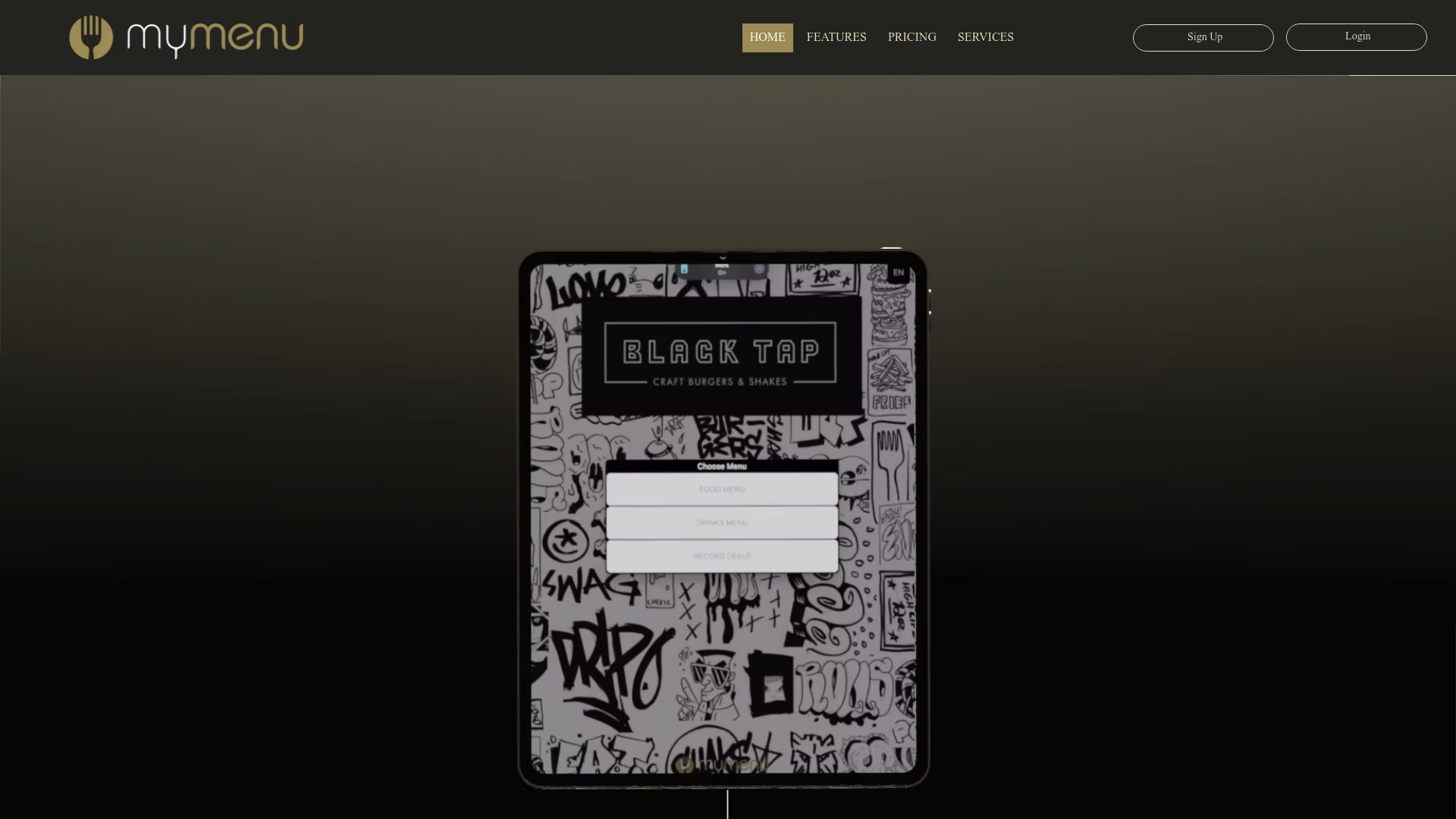
For restaurants weighing a slow custom build against something ready to connect now, plans start with StartUp Menu at $39 per month, scaling up through Gold, Platinum, and Emerald tiers as guest engagement features and POS integrations grow more complex. Every plan carries a one-time $99 setup fee. If reservation-to-CRM sync is your priority, the Restaurant Reservations Module runs $189 per month and includes table management alongside guest profile capture.
If your current integration project has been stuck in the discovery phase for months, book a demo of the reservations module or compare pricing tiers directly on the Mydigimenu pricing page to see which plan matches your current POS and ordering setup.
Sources
FAQ
What Is the 30/30/30 Rule for Restaurants?
There’s no single standardized “30/30/30 rule” recognized across the restaurant industry, and definitions vary depending on the source. Rather than repeat an unverified figure, focus on the metrics that actually matter for CRM integration: repeat visit rate, order accuracy, and campaign conversion by guest segment.
Is OpenTable Considered a CRM?
OpenTable is primarily a reservation and table management platform, not a full CRM. It captures booking data and some guest preferences, but a true restaurant CRM needs to also pull in POS transaction history and online ordering data to build a complete guest profile.
What Are the Top CRM Tool Categories for Restaurants?
The categories that matter most are loyalty and rewards platforms, marketing automation tools that trigger campaigns from order behavior, and integrated POS-to-CRM systems that sync transaction data automatically. Restaurant365’s guide identifies loyalty programs, reservation management, and marketing automation as the features with the biggest operational impact.
What Are the Core Principles of CRM for Restaurants?
There’s no universally agreed “7 C’s” framework specific to restaurant CRM, so treat any list claiming otherwise with caution. The principles that consistently show up in practice are centralizing guest data, capturing explicit consent, syncing across every touchpoint (POS, reservations, online ordering), and using that unified data to personalize service and marketing.
How Much Does MyDigiMenu Cost for CRM Integration Support?
Mydigimenu’s plans start at $39 per month for StartUp Menu, with higher tiers like Gold, Platinum, and Emerald adding deeper CRM and guest engagement features. A one-time $99 setup fee applies, and the reservations module is priced separately at $189 per month.
Recommended
Great insights on CRM integration for restaurants! Have you considered how incorporating gamified elements, like quordle-style challenges for staff training, could enhance engagement? What are your thoughts on adding playful features to improve team dynamics?
I found your insights on CRM integration intriguing! How might incorporating gamified elements, like "dordle," enhance customer engagement for restaurants? Just a thought on a different approach!