
Digital menus post-COVID: strategic role and 85% adoption

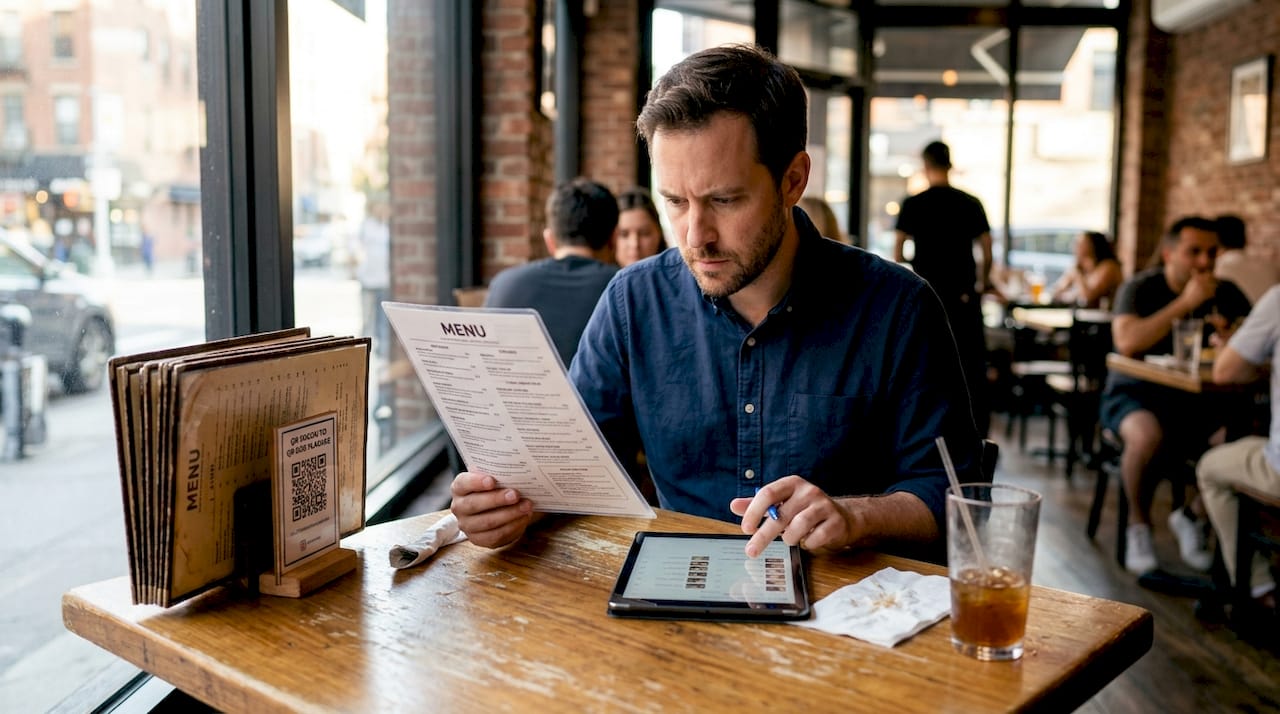
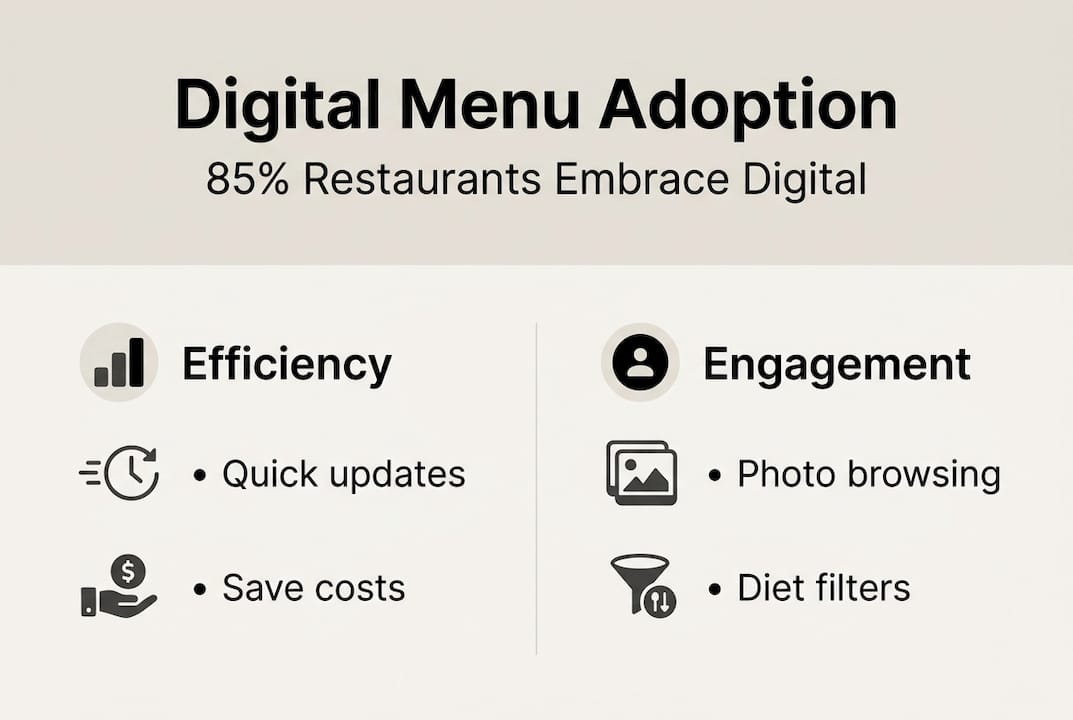
A temporary fix that became a permanent fixture. When restaurants scrambled to replace physical menus in 2020, few imagined that QR codes and digital screens would reshape the entire guest experience. Yet here we are, with over 85% of restaurants offering QR-accessible menus as of 2025, and the numbers keep climbing. For restaurant and café owners, the real question is no longer whether to adopt digital menus but how to use them as a genuine strategic asset. This article unpacks the evolution, the measurable benefits, the pitfalls to avoid, and the best practices that separate thriving operators from those still treating digital menus as an afterthought.
Table of Contents
Key Takeaways
Point | Details |
Digital menus now standard | Over 85% of restaurants use digital menus as a core guest experience and operational tool. |
Boosts efficiency and savings | Switching to digital menus can save up to $35,000 annually and increases order accuracy and speed. |
Hybrid is best practice | Combining digital and physical menus addresses guest needs and maximizes satisfaction across demographics. |
UX matters most | A poorly designed digital menu can hurt your brand—always prioritize user-friendly platforms and regular updates. |
How digital menus evolved post-COVID
Before 2020, most restaurants treated their printed menu as a brand centerpiece. Seasonal reprints, laminated covers, and carefully curated layouts were standard investments. Then the pandemic arrived, and overnight, those beloved printed menus became a liability. Contactless everything became the mandate, and QR codes were the fastest solution available.
The pivot was rapid and, frankly, a little chaotic. Many operators simply photographed their existing menus and uploaded PDFs. It worked, barely, but it planted the seed for something far more powerful. As digital menus evolved from a COVID-19 contactless necessity into a strategic tool for operational efficiency and guest engagement, the hospitality industry began to recognize their true potential.
The contrast between pre- and post-COVID menu approaches is striking:
Feature | Pre-COVID printed menus | Post-COVID digital menus |
Update speed | Days to weeks | Instant |
Cost per update | $200–$2,000+ | $0 |
Guest interaction | Passive reading | Interactive browsing |
Upsell capability | Static descriptions | Dynamic photos and videos |
Data collection | None | Real-time analytics |
Today, digital menus are no longer a workaround. They are a deliberate operational choice that helps you boost guest engagement and streamline service simultaneously. Operators who treat their QR menu generator as a living marketing tool rather than a static replacement for paper are the ones seeing the most dramatic results.
“The restaurants that thrived post-pandemic didn’t just survive the transition to digital menus. They used it as a launchpad to reimagine the entire guest journey.”
This shift in mindset, from emergency solution to strategic asset, is what separates operators who are merely keeping up from those who are genuinely pulling ahead.
Benefits: Efficiency, engagement, and cost savings
The business case for digital menus is no longer theoretical. The data is in, and it is compelling. Restaurants that have committed to well-implemented digital menu platforms are reporting measurable gains across every key performance indicator.
Start with the numbers that hit closest to the bottom line. Restaurants serving 3,000 diners monthly save approximately $35,000 per year in printing costs alone by switching to digital menus. That is not a rounding error. That is a part-time employee, a kitchen equipment upgrade, or a serious marketing budget.
Beyond printing savings, the operational efficiencies compound quickly. Consider these documented outcomes:
33% increase in repeat buyers attributed to digital menu boards
21% rise in customer satisfaction scores
17% improvement in foot traffic over time
Perceived wait times reduced by up to 35% when guests interact with engaging digital menus
Order accuracy improved by 20% through clearer item descriptions and visual cues
Sales growth of 10 to 15% within 18 months of full digital menu adoption
These figures reflect a simple truth: when guests can browse mouthwatering food photography, filter by dietary preference, and place orders without waiting for a server, they spend more and enjoy the experience more.

KPI | Traditional menus | Digital menus |
Repeat buyer rate | Baseline | +33% |
Customer satisfaction | Baseline | +21% |
Perceived wait time | Baseline | -35% |
Order accuracy | Baseline | +20% |
To truly digitalize restaurant operations and capture these gains, you need more than a QR code pointing to a PDF. The platform matters enormously, and so does the quality of your menu design guide approach.
Pro Tip: Use your digital menu to run time-sensitive promotions during slow hours. A simple “Happy Hour Special” banner that auto-activates between 3 and 5 PM can meaningfully lift afternoon revenue without any staff intervention.
Overcoming challenges: Hybrid models and common pitfalls
Not every digital menu rollout is a success story. In fact, a poorly executed digital menu can actively damage your guest experience and your reputation. Understanding where operators go wrong is just as important as knowing what to do right.
The most common mistake is also the most avoidable: using a static PDF as your digital menu. Poorly designed digital menus, particularly PDFs, harm the guest experience and signal a lack of investment in hospitality. PDFs load slowly on mobile devices, require pinching and zooming, and offer zero interactivity. Guests notice, and they remember.
Beyond the technical failures, there is a human dimension to consider. Customer resistance to QR-only menus is real, particularly among older guests or those who associate physical menus with warmth and attentiveness. Removing printed menus entirely can signal that you are prioritizing efficiency over hospitality, which is a perception no restaurant wants to cultivate.
Here is what thoughtful operators do instead:
Offer a hybrid model: QR menus as the default, with printed options available on request
Train staff to assist guests who are unfamiliar with digital interfaces
Choose platforms built for mobile optimization rather than repurposed document tools
Test your digital menu on multiple devices before launch
Gather guest feedback regularly and act on it
It is worth noting that some fine dining establishments are reverting to physical menus entirely, citing the tactile experience as part of their brand identity. This is not a failure of digital menus. It is a reminder that the best tool is always the one that serves your specific guest and brand.
“A digital menu that frustrates your guest is worse than no digital menu at all. Empathy for the user experience must come before enthusiasm for the technology.”
Exploring thoughtful digital menu layout examples before you build can save you from costly redesigns later.
Pro Tip: Never launch a digital menu without testing it on at least three different smartphone models. What looks perfect on the latest iPhone may be completely broken on an older Android device.
Best practices and future-proofing your menu strategy
With a clear picture of both the opportunities and the risks, the path forward becomes much more navigable. Implementing a digital menu strategy that holds up over time requires deliberate choices at every stage.
Here is a practical framework for getting it right:
Choose a purpose-built platform. QR codes linked to mobile-optimized platforms enable instant updates, integrated ordering, payment processing, and loyalty program connections. Digital boards can auto-swap menus by daypart and surface targeted upsells automatically. Generic website builders cannot replicate this.
Prioritize POS integration. A digital menu that talks to your point-of-sale system eliminates double entry, reduces errors, and gives you real-time inventory visibility. This is non-negotiable for scaling.
Build in dynamic offer capability. The ability to push a limited-time offer or highlight a new dish in seconds is one of the most underused advantages of digital menus. Use it consistently.
Communicate the experience to guests. A small table card explaining how to use your QR menu, or a brief verbal introduction from staff, dramatically reduces friction for first-time users.
Analyze and iterate. Review which menu items get the most clicks, which sections guests spend the most time on, and which offers drive conversions. Then refine accordingly.
Plan for flexibility. Guest demographics shift. Seasonal menus change. Your platform should make these transitions effortless rather than expensive.
Exploring the full range of restaurant features available in modern platforms will help you identify which capabilities align with your specific operational goals and guest profile.
Pro Tip: Schedule a quarterly menu audit where you review analytics, remove underperforming items, and refresh photography. Treating your digital menu like a living document rather than a set-it-and-forget-it tool is what drives compounding gains over time.
A fresh perspective: Digital menus are hospitality tools, not shortcuts
Here is an uncomfortable truth that most technology vendors will not tell you: a digital menu alone will not save a mediocre guest experience. We have seen operators invest in beautiful platforms and still receive poor reviews because the technology was treated as a replacement for genuine hospitality rather than an amplifier of it.
The restaurants achieving the most remarkable results are the ones that view their digital menu as a storytelling canvas. They use it to boost guest engagement through vivid food photography, thoughtful descriptions, and personalized offers that make browsing feel like an adventure rather than a chore.
The hybrid approach deserves more credit than it typically receives. Offering both digital and physical options is not a compromise. It is a sophisticated read of your audience. It signals that you understand your guests well enough to serve them on their own terms.
The operators who struggle most are those who adopted digital menus reactively and never revisited the decision. They set up a QR code in 2020, pointed it at a PDF, and called it done. The ones who thrive treat every menu update as an opportunity to learn something new about their guests and refine the experience accordingly. A dash of digital, applied with genuine guest empathy, can turn everyday service into extraordinary memories.
Level up your digital menu experience
If the data and insights above have sparked ideas for your own operation, the next step is finding a platform that can actually deliver on the promise. Not all digital menu solutions are created equal, and the difference between a frustrating rollout and a transformative one often comes down to the tools you choose.
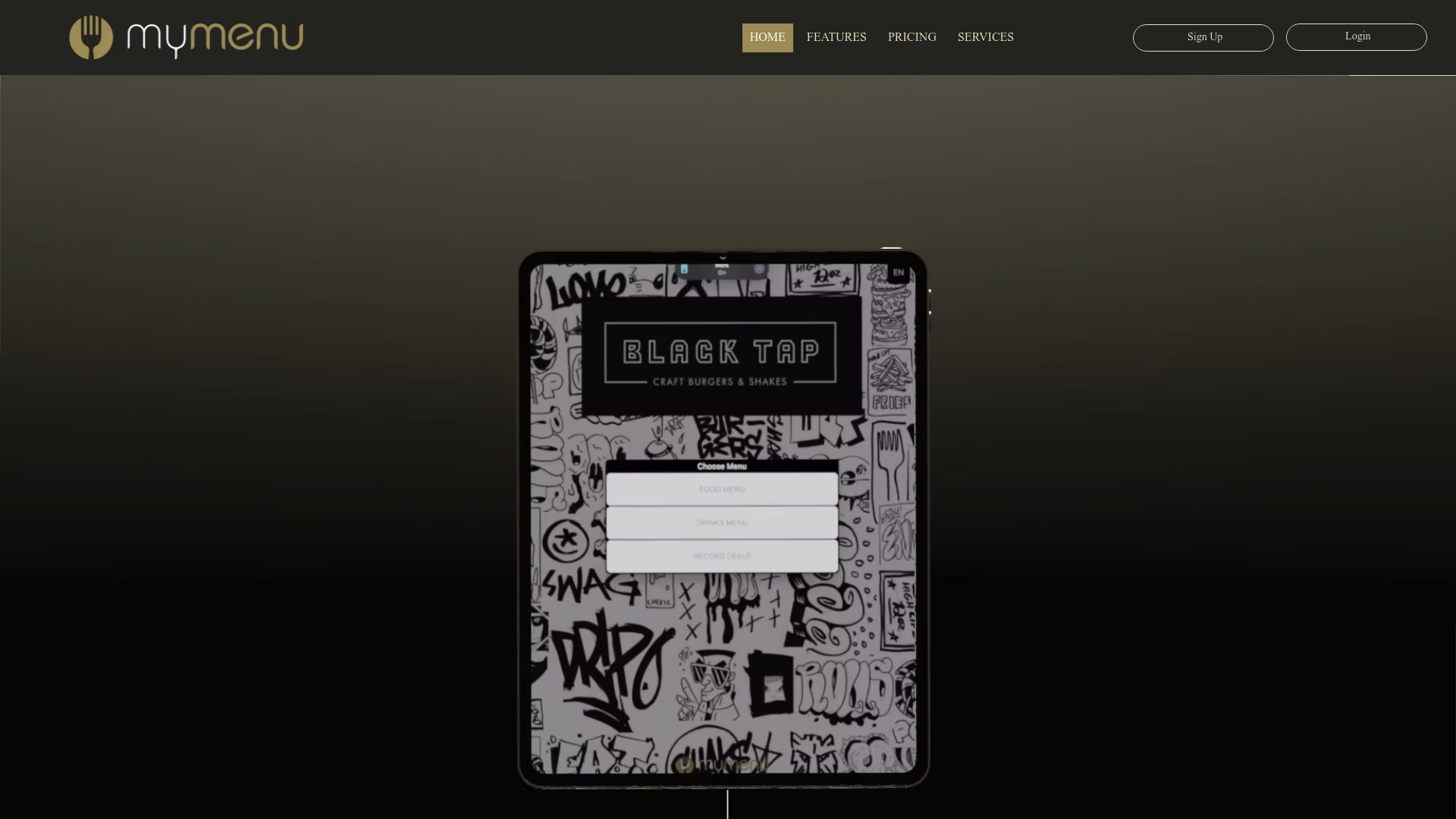
MyDigiMenu.com offers intuitive QR menu solutions designed specifically for restaurants and cafés that want to move fast without sacrificing quality. From contactless ordering to loyalty integration and real-time menu updates, the platform is built to grow with your business. For operators looking to elevate the in-venue experience even further, the restaurant digital tablet menu option delivers a polished, interactive experience that guests genuinely enjoy. Explore what is possible and take your guest experience to the next level.
Frequently asked questions
Why did digital menus become so prevalent after COVID-19?
Contactless safety requirements during the pandemic accelerated adoption rapidly, and the momentum never stopped. Over 85% of restaurants offered QR-accessible menus by 2025, reflecting how quickly the industry normalized the technology.
How do digital menus impact a restaurant’s bottom line?
The financial impact is significant and measurable. Restaurants can save roughly $35,000 per year in printing costs and report sales growth of 10 to 15% within 18 months of full adoption.
Are digital-only menus right for every restaurant?
Not necessarily. Fine dining venues and guests who value tactile experiences often prefer physical menus, which is why a hybrid model is recommended to serve all guest preferences without sacrificing brand identity.
What should I avoid when implementing digital menus?
Avoid static PDFs at all costs, as poorly designed digital menus actively hurt the guest experience. Invest in a mobile-optimized platform and ensure your staff is ready to guide guests who are less comfortable with technology.
How do digital menus drive repeat business?
When paired with loyalty programs and personalized offers, digital menus create a feedback loop that keeps guests coming back. Research shows a 33% increase in repeat buyers and a 21% rise in customer satisfaction scores linked to digital menu board adoption.
Recommended
Comments