
Customer Engagement in Hospitality: A Manager's Guide

TL;DR:
Customer engagement in hospitality involves ongoing interactions across multiple touchpoints to foster emotional connections and increase loyalty. Implementing personalized communication and technology integration significantly boosts revenue and guest satisfaction. Focusing on real-time problem resolution and meaningful follow-up builds long-term loyalty and enhances hotel performance.
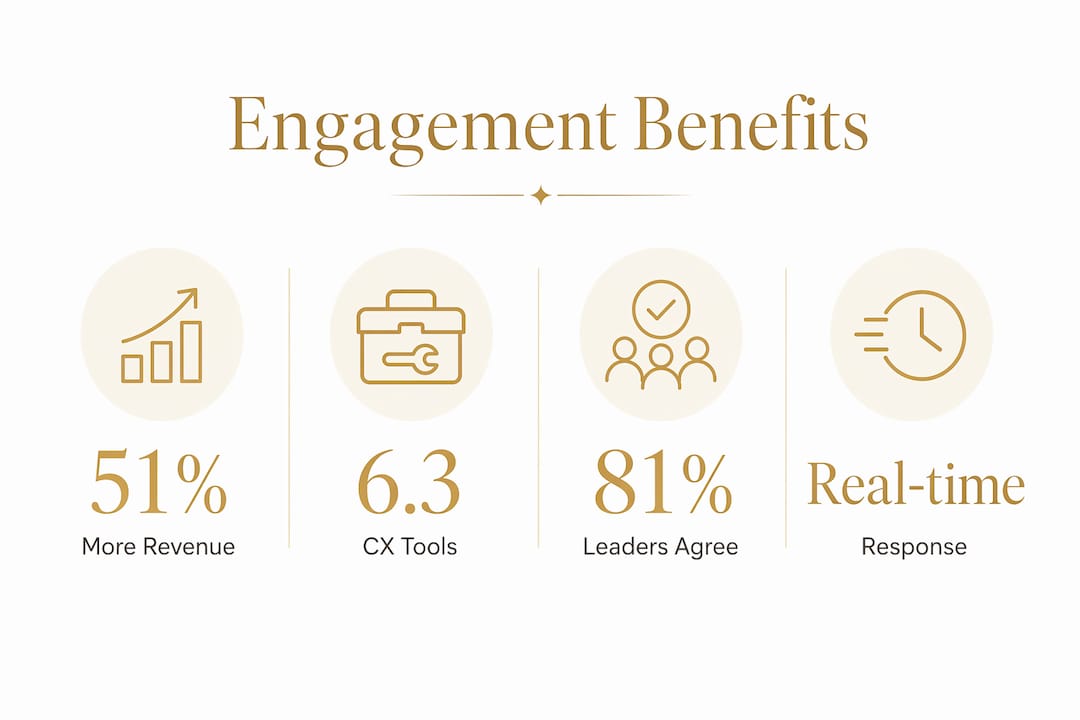
Customer engagement in hospitality is defined as the deliberate, ongoing process of interacting with guests across multiple touchpoints to build emotional connections, drive loyalty, and increase revenue. The industry term for this practice is guest engagement, and it covers every interaction from the moment a guest books a room to the follow-up message after checkout. Engaged guests generate 51% more revenue than disengaged ones through repeat bookings and ancillary purchases. That single figure explains why understanding what is customer engagement in hospitality is no longer optional for managers who want sustainable growth.
What is customer engagement in hospitality?
Guest engagement is the two-way relationship between a hospitality business and its guests, built through personalized communication, proactive service, and consistent follow-through. It goes well beyond a friendly front desk greeting. True engagement means a guest feels recognized, valued, and heard at every stage of their stay.
The concept breaks into four distinct types that hospitality managers should recognize:
Emotional engagement: Guests form a personal connection with your brand. A returning guest who asks for the same room because it feels like home is emotionally engaged.
Contextual engagement: Communication matches where the guest is in their journey. A pre-arrival message offering a spa upgrade is contextual. A spa promotion sent three days after checkout is not.
Convenient engagement: Interactions are frictionless. QR code menus, mobile check-in, and instant messaging remove barriers between guests and the service they want.
Social engagement: Guests share their experiences publicly. A guest who posts a glowing review on TripAdvisor or tags your property on Instagram is socially engaged.
Two frameworks help structure engagement programs. The 4 P’s cover Personalization, Proactivity, Presence, and Problem-solving. The 3 C’s focus on Consistency, Communication, and Connection. Both frameworks reinforce the same truth: active listening and feedback channels are what convert a one-time guest into a loyal advocate.
Pro Tip: Map your guest journey on paper before choosing any technology. Identify every touchpoint where a guest could feel ignored or frustrated. Those gaps are your highest-priority engagement opportunities.
How do hotels use technology to improve guest engagement?
Technology is the infrastructure that makes personalized engagement possible at scale. Without it, a 200-room hotel cannot realistically deliver the kind of individual attention that turns a first-time guest into a repeat customer.

The most effective setup integrates a Property Management System (PMS) with guest messaging platforms, CRM tools, and feedback collection software. Integrating PMS with engagement tools allows front desk staff to see a guest’s dietary preferences, room history, and past complaints before the guest even walks through the door. That knowledge transforms a standard check-in into a genuinely personal welcome.
The data problem, however, is real. Companies average 6.3 distinct CX tools, and 81% of leaders say consolidating that data would significantly improve engagement performance. Fragmented systems mean a guest who complained about a noisy room last visit may get assigned the same room again, simply because the front desk team cannot see what the marketing team recorded.
Technology Layer | Primary Function | Engagement Benefit |
Property Management System (PMS) | Centralizes guest data and reservations | Staff access guest history for personalized service |
Guest Messaging Platform | Automates pre-stay, in-stay, and post-stay messages | Timely, relevant communication at each journey stage |
CRM Integration | Stores preferences, feedback, and loyalty data | Enables targeted offers and recognition |
Digital Menu Platform | Contactless ordering via QR code or tablet | Reduces friction and surfaces upsell opportunities |
Feedback Collection Tool | Gathers real-time guest sentiment | Enables rapid service recovery before checkout |
Four Seasons Hotels uses conversational messaging tools that allow guests to make requests via text in their preferred language, with staff responding in real time. The result is a service experience that feels personal even at a property with hundreds of rooms.
Pro Tip: Technology should automate timely responses to clear space for human connection, not replace it. Automate the routine. Reserve your staff’s energy for the moments that genuinely require a human touch.
What customer engagement strategies drive revenue and loyalty?
The most effective customer engagement strategies in hospitality are organized around the three phases of the guest journey: pre-stay, in-stay, and post-stay. Strong engagement maps all guest touchpoints across these phases, focusing on emotional connection rather than purely transactional interactions.
Here are the strategies that consistently produce measurable results:
Personalize pre-arrival communication. Send a welcome message 48–72 hours before arrival that references the guest’s booking details and offers relevant upgrades. A family booking a suite responds differently than a solo business traveler. Segment your messaging accordingly.
Implement omnichannel communication. Guests use email, SMS, WhatsApp, and in-app messaging interchangeably. Meeting them on their preferred channel reduces friction and increases response rates. A guest who ignores an email may respond immediately to a WhatsApp message.
Resolve problems in real time. Proactive engagement prevents churn: 73% of customers will switch to a competitor after multiple bad experiences, and over 50% leave after a single bad interaction. A mid-stay check-in message that catches a problem before the guest checks out is worth more than any post-stay apology.
Use loyalty programs with genuine rewards. Digital stamp cards, points-based programs, and exclusive member offers create a reason to return. The key is making rewards feel attainable, not aspirational. A free dessert after five visits outperforms a free weekend stay after 50 nights for most guests.
Upsell through context, not pressure. An in-stay message offering a late checkout at a discounted rate lands well at 9 a.m. on the day of departure. The same offer sent at check-in feels premature. Timing is everything in upselling.
Collect and act on guest feedback. Digital feedback tools allow properties to capture sentiment in real time. Acting on that feedback visibly, by telling a guest their suggestion led to a menu change, builds the kind of trust that generates referrals.
Build post-stay relationships. A thank-you message with a personalized offer for the guest’s next visit keeps your property top of mind. Properties that maintain contact between stays see significantly higher direct booking rates.
The ways to boost guest loyalty that actually move the needle all share one trait: they treat guests as individuals, not booking numbers.
How does engagement impact guest satisfaction and hotel performance?
The business case for guest engagement is clear and measurable. Effective hotel guest engagement improves satisfaction, drives loyalty, and produces direct revenue gains through personalized communication and real-time issue resolution.
“Engaged guests don’t just return. They bring others with them. The referral value of a genuinely loyal guest often exceeds the direct revenue they generate themselves.”
The contrast between engaged and disengaged guest outcomes is stark:
Metric | Engaged Guests | Disengaged Guests |
Revenue contribution | 51% higher than disengaged | Baseline |
Likelihood to return | High, driven by emotional connection | Low, price-sensitive |
Review behavior | Proactively leave positive reviews | Likely to share negative experiences |
Response to service failures | More forgiving, willing to give second chances | Quick to switch to competitors |
Referral rate | Actively recommend to friends and family | Rarely recommend |
Poor engagement has a compounding cost. A guest who leaves without feeling valued does not just take their future bookings elsewhere. They often share that experience publicly. One negative review on Google or TripAdvisor can suppress booking conversion rates for months.
The hotel guest experience tips that consistently improve these metrics share a common thread: they prioritize the guest’s emotional experience alongside the operational one. Guests remember how a stay made them feel far longer than they remember the thread count of the sheets.
Data silos among departments create friction that directly undermines satisfaction scores. When a guest has to repeat their dietary restriction to three different staff members, the experience feels impersonal regardless of how good the food actually is. A unified system of record solves this problem at the operational level.
Key takeaways
Customer engagement in hospitality is the single most direct lever managers have for improving both guest satisfaction and long-term revenue performance.
Point | Details |
Define engagement clearly | Guest engagement covers every touchpoint from booking to post-stay follow-up, not just in-person service. |
Unify your data | Consolidating PMS, CRM, and messaging tools prevents service breakdowns caused by fragmented guest information. |
Map the guest journey | Organize strategies around pre-stay, in-stay, and post-stay phases to deliver timely, relevant communication. |
Resolve problems in real time | Over 50% of guests leave after a single bad interaction, making mid-stay check-ins a critical retention tool. |
Measure engagement outcomes | Track repeat bookings, review scores, and ancillary revenue to quantify the return on engagement investment. |
Where most hotels get engagement wrong
By Abhi
After working with hospitality businesses across multiple markets, the pattern I see most often is this: properties invest in engagement technology and then use it to send more messages, not better ones. A guest who receives a pre-arrival email, a check-in reminder, an in-stay offer, a feedback request, and a post-stay promotion within 72 hours does not feel engaged. They feel marketed to.
The real discipline in guest engagement is sequencing. Every message should match the guest’s lifecycle stage and answer a question they actually have at that moment. A guest who just checked in wants to know where the pool is and what time breakfast starts. They do not want a loyalty program pitch.
The second mistake I see consistently is treating engagement as a marketing function rather than an operational one. The most powerful engagement moments happen when a front desk agent greets a returning guest by name and mentions they remembered their preference for a high floor. That requires data integration between your PMS and your staff-facing tools. No amount of automated email campaigns replaces that moment.
The properties that get this right share one cultural trait: they treat guest data as a service tool, not a sales tool. When staff use guest history to make someone feel genuinely welcome, the commercial outcomes follow naturally. Loyalty, referrals, and higher spend are the byproducts of a guest who feels seen. Build the culture first. The technology makes it scalable.
— Abhi
How Mydigimenu helps you turn every interaction into a loyalty moment
Mydigimenu is built for exactly the kind of guest engagement this article describes. The platform gives restaurants, cafes, bars, and hotels the tools to create personalized, frictionless dining experiences that guests remember and return for.
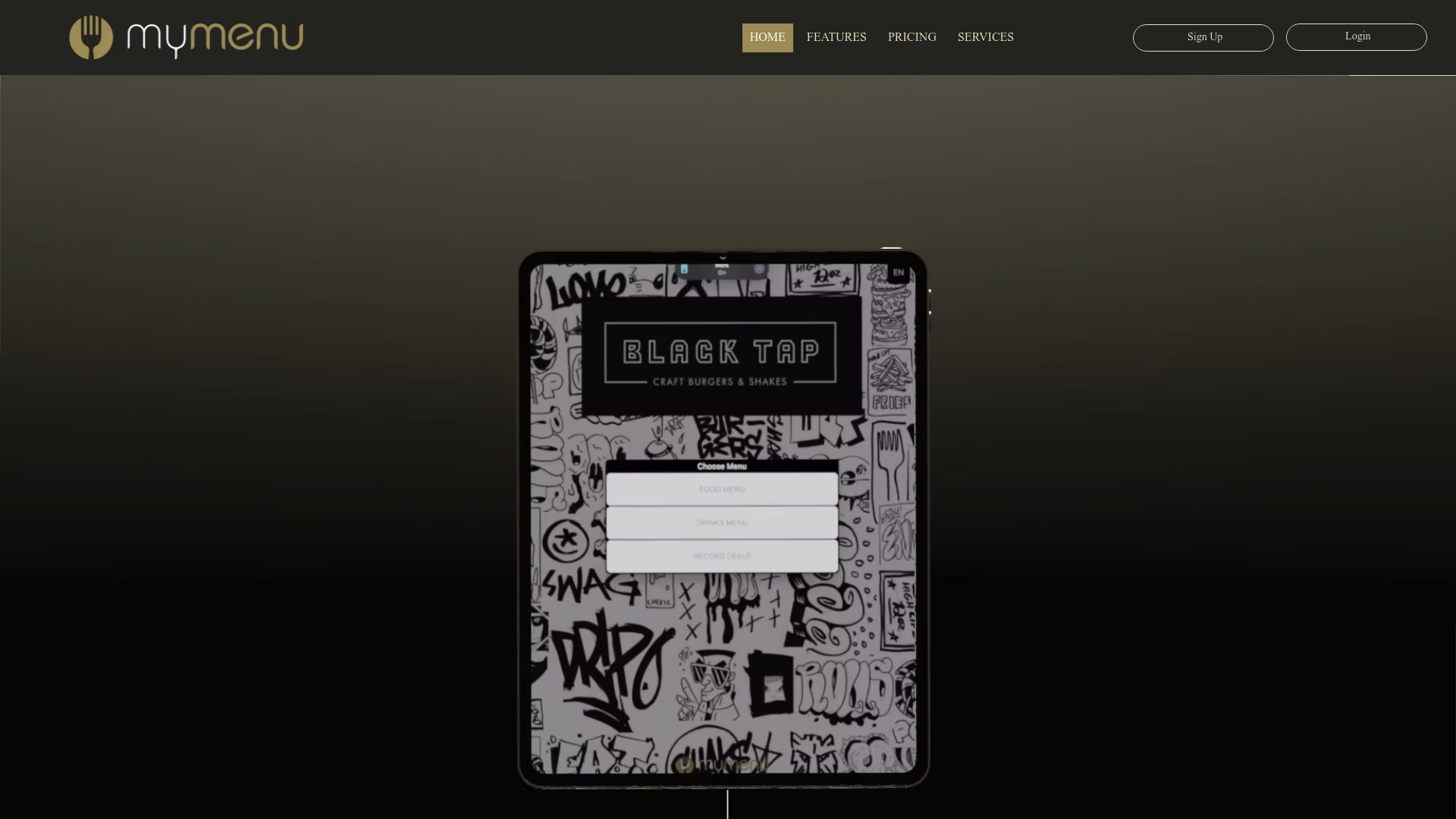
With Mydigimenu’s digital tablet and iPad menus, your team can showcase dishes with high-quality visuals, surface upsell opportunities at the right moment, and collect guest feedback without adding friction to the dining experience. The platform’s QR code menus require no app download, making them accessible to every guest instantly. Built-in CRM integration, loyalty stamp cards, and social login for guest profile capture mean every interaction builds a richer picture of who your guests are and what they love. Explore current pricing options to find the plan that fits your property.
FAQ
What is customer engagement in hospitality?
Customer engagement in hospitality is the ongoing, two-way process of interacting with guests across multiple channels to build emotional connections and drive loyalty. It covers every touchpoint from pre-arrival communication to post-stay follow-up.
Why does guest engagement matter for hotel revenue?
Engaged guests generate 51% more revenue than disengaged guests through higher repeat bookings and ancillary purchases. Poor engagement accelerates churn, with over 50% of customers leaving after a single bad experience.
What are the most effective guest engagement strategies?
The most effective strategies include personalized pre-arrival communication, omnichannel messaging, real-time problem resolution, loyalty programs, and contextual upselling tied to the guest’s journey stage.
How does technology support guest engagement in hotels?
Integrating a PMS with CRM and messaging platforms gives staff access to guest preferences and history, enabling personalized service at scale. The goal is to automate routine communication and free staff for high-value human interactions.
How do you measure customer engagement in hospitality?
Key metrics include repeat booking rates, Net Promoter Score (NPS), online review scores, ancillary revenue per guest, and response rates to in-stay communication. Tracking these across guest segments reveals where engagement is working and where it is not.
Recommended
Comments