
5 ways to boost restaurant efficiency with digital tools
- Abhi Bose
- Apr 23
- 8 min read

TL;DR:
Implementing automated inventory management reduces food waste and improves food cost margins.
Integrated POS systems streamline operations, enhance data insights, and reduce errors.
Success depends on culture change, staff engagement, and phased technology adoption.
Restaurant margins have never felt tighter. Labor costs are climbing, food prices keep rising, and guests expect faster, more accurate service every time they walk through your door. Falling behind on operational efficiency does not just mean slower tables; it means lost revenue, burned-out staff, and guests who quietly choose your competitor next time. The good news is that smart digital adoption can flip that pressure into a genuine competitive advantage, helping you cut waste, accelerate service, and build the kind of guest experience that earns loyalty. This article walks through five proven strategies that transform everyday restaurant operations into a well-tuned, profitable machine.
Table of Contents
Key Takeaways
Point | Details |
Cut costs with automation | Automated inventory and kitchen systems can substantially lower waste and food costs. |
Streamline operations | Integrated POS and real-time analytics simplify ordering, payments, and supply management. |
Adapt with data | Using live data for menu tweaks and labor scheduling leads to ongoing efficiency gains. |
Technology needs teamwork | Successful tech adoption depends on staff buy-in and smart, phased implementation. |
Implement automated inventory management
With the stage set for efficiency gains, let’s start at your core cost center: inventory. Most restaurants still rely on manual counts and gut feel, but that approach quietly bleeds money every week. Spoilage, over-ordering, and portion inconsistency add up fast, and many operators only see the damage when food cost percentages spike at month end.
Automated inventory management changes the picture entirely. These systems connect your purchasing, usage, and sales data in real time, flagging discrepancies before they become expensive problems. The results are measurable: food waste drops by 20-31% and food cost percentages improve by 4-6% when restaurants make the switch. For full-service restaurants, the benchmark food cost sits at 28-32%, meaning even a modest 4% improvement meaningfully protects your margin.
Implementing automation does not have to be overwhelming. The most effective operators use a phased approach:
Start with high-cost items. Proteins and premium ingredients carry the most risk, so automate tracking there first.
Apply FIFO (first in, first out). Digital systems flag aging stock automatically, reducing spoilage without relying on staff memory.
Set data-driven par levels. Rather than guessing reorder quantities, let your system calculate par levels from actual sales velocity.
Run weekly counts early on. Weekly counts and FIFO discipline are critical to building data quality before you trust automated reorder suggestions.
Restaurant type | Typical food cost without automation | Target food cost with automation |
Full-service | 32-36% | 28-32% |
Fast casual | 28-32% | 24-28% |
Fine dining | 30-35% | 26-30% |
The most common rollout mistake is switching everything at once, which overwhelms staff and corrupts early data. Pair your automation investment with digitalizing restaurant operations broadly, so inventory feeds cleanly into other systems rather than sitting in isolation.
Pro Tip: Run a manual spot-check alongside your automated system for the first 30 days. Comparing the two builds staff confidence and catches any setup errors before they distort your purchasing decisions.
Adopt integrated POS systems for seamless operations
Once inventory is under control, the next critical layer is streamlined transaction processing and reporting. A standalone cash register is a relic. Modern integrated POS systems connect sales, inventory depletion, staff performance, and payment processing into a single, living dashboard that tells you exactly what is happening in your restaurant at any moment.
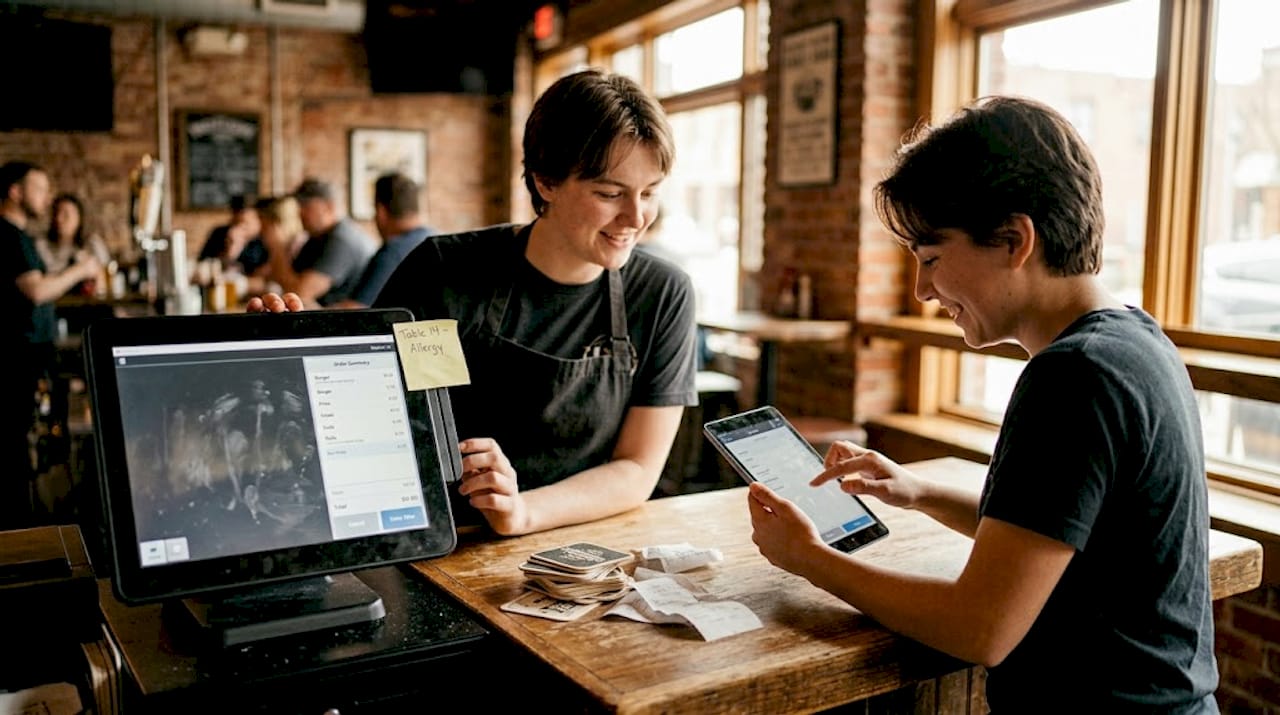
Integrated POS systems streamline operations, reduce labor needs, and provide real-time data that drives smarter decisions. When a server sends an order, the POS simultaneously updates inventory counts, logs the sale, and feeds the kitchen display system. Errors drop. Speed climbs. And you finally have the analytics to understand which dishes are driving profit versus just volume.
Feature | Traditional POS | Integrated POS |
Inventory sync | Manual updates | Real-time automatic |
Reporting | End-of-day summaries | Live dashboards |
Payment options | Limited | Multi-method including digital wallets |
Staff management | Separate system | Built-in scheduling and tracking |
Error rate | Higher due to re-entry | Significantly reduced |
The analytics layer is where integrated POS earns its keep. You can identify your top-selling items by time of day, spot which servers upsell most effectively, and pinpoint the slowest-moving dishes that are quietly tying up working capital. Pair those insights with efficient restaurant payment systems to reduce checkout friction and table turn time.
Here are the operational wins restaurants consistently report after integration:
Faster order-to-kitchen communication, often cutting ticket times by several minutes
Fewer voids and order corrections, which drain both time and food cost
Cleaner end-of-shift reconciliation without manual cash counting errors
Richer data to fuel your menu optimization process on a rolling basis
Pro Tip: Before choosing a POS, confirm it offers open API connections. A closed system locks you into one vendor’s ecosystem and limits your ability to plug in better tools as they emerge.
Harness AI and automation for labor and kitchen efficiency
With order data flowing instantly, the next leap is using AI and automation to maximize both labor and kitchen output. Labor is typically the largest controllable cost in any restaurant, and it is also the most emotionally complex to manage. AI changes the equation without replacing the human warmth that makes a dining experience memorable.
The numbers are striking. AI and automation improve labor efficiency by 10-15%, increase order accuracy by 30%, and reduce labor hours by 18%. These are not hypothetical projections; they reflect real operator data gathered across thousands of restaurants in 2025.
Here is a practical three-step roadmap for implementing AI-powered efficiency:
Start with AI scheduling. Algorithms analyze your historical sales data, local events, and even weather patterns to predict demand and build optimized shift schedules. Staff no longer sit idle during slow periods, and you avoid the expensive scramble of calling in extra help last-minute.
Add kitchen display systems (KDS). A KDS replaces paper tickets with a live digital screen that prioritizes orders, tracks prep times, and flags anything running behind. Order accuracy improves dramatically because there is no handwriting to misread.
Layer in predictive ordering. Predictive ordering and real-time sync refine purchasing and reduce both overstock and stockouts over time, further tightening the link between what you buy and what you sell.
The biggest barrier is change management. Kitchen staff who have worked with paper tickets for years will resist the transition, and that resistance is valid. Honest feedback sessions, short training bursts, and celebrating small wins go further than mandates. Pairing this with clean workflow automation in food ordering ensures the technology investment compounds rather than stalls.
Pro Tip: Identify one enthusiastic team member as your AI champion. Their peer-level advocacy accelerates adoption far more effectively than top-down instruction.
Leverage real-time data for continuous menu optimization
Even when operations are humming, refining the menu using real-world data provides the highest ongoing ROI. Most restaurants update their menus seasonally at best. But the most profitable operators treat the menu as a living document, shaped by data that updates daily.
The framework most operators find useful is classic menu engineering, which sorts every item into one of four categories:
Stars: High popularity, high profit margin. Protect and promote these aggressively.
Plowhorses: High popularity, low margin. Look for ways to reduce portion cost or reprice slightly.
Puzzles: Low popularity, high margin. These need better placement, stronger descriptions, or server storytelling.
Dogs: Low popularity, low margin. Cut or rework these before they drain kitchen resources.
POS analytics and predictive ordering make this analysis automated rather than manual, giving you a rolling picture instead of a once-a-quarter snapshot.
The data inputs that matter most include daily sales by item, waste logs tied to specific ingredients, customer reorder rates, and seasonal demand patterns. When these streams connect, the system essentially tells you what to keep, what to cut, and what to promote before you have to ask.
Menu engineering category | Action priority | Expected outcome |
Stars | Maintain, feature prominently | Sustain revenue |
Plowhorses | Reduce costs or reprice | Improve margin |
Puzzles | Improve visibility and storytelling | Lift profitability |
Dogs | Remove or reinvent | Free kitchen capacity |
Tools that support boosting guest engagement through menu changes also let you test new items faster by tracking real guest response rather than guessing. And when your menu layout itself is optimized for visual attention and decision flow, even modest changes can lift average check size. Pair data insights with a stronger improving menu layout approach and the results compound.
Our perspective: Why digital upgrades fall short without culture change
Technology offers incredible promise, but what separates success from frustration is what happens on the ground after the software is installed. We have seen restaurants with textbook-perfect digital setups still struggle because the team was never truly brought along for the ride.
The uncomfortable truth is that most failed digital rollouts are not technology problems; they are people problems dressed up in technical language. Staff who do not understand why the new system exists will find workarounds, underreport data, or simply revert to old habits when management is not watching.
Phased rollouts matter enormously here. Dropping five new systems on a kitchen team in one week is a recipe for chaos. Instead, build proficiency in one tool before introducing the next. Create honest feedback loops where front-of-house and back-of-house staff can flag what is not working without fear. That feedback is often the most valuable data you will collect in the first three months.
Review digital ordering culture tips for practical frameworks on building the right habits alongside your technology stack. Efficiency lives in the intersection of good tools and engaged people, and you cannot automate your way around that reality.
Unlock next-level efficiency with modern digital menus
The strategies above paint a clear picture: operational efficiency is a layered effort, and every layer benefits from tools designed specifically for the hospitality industry. Ready to put these strategies into action? Here is an easy way to start.
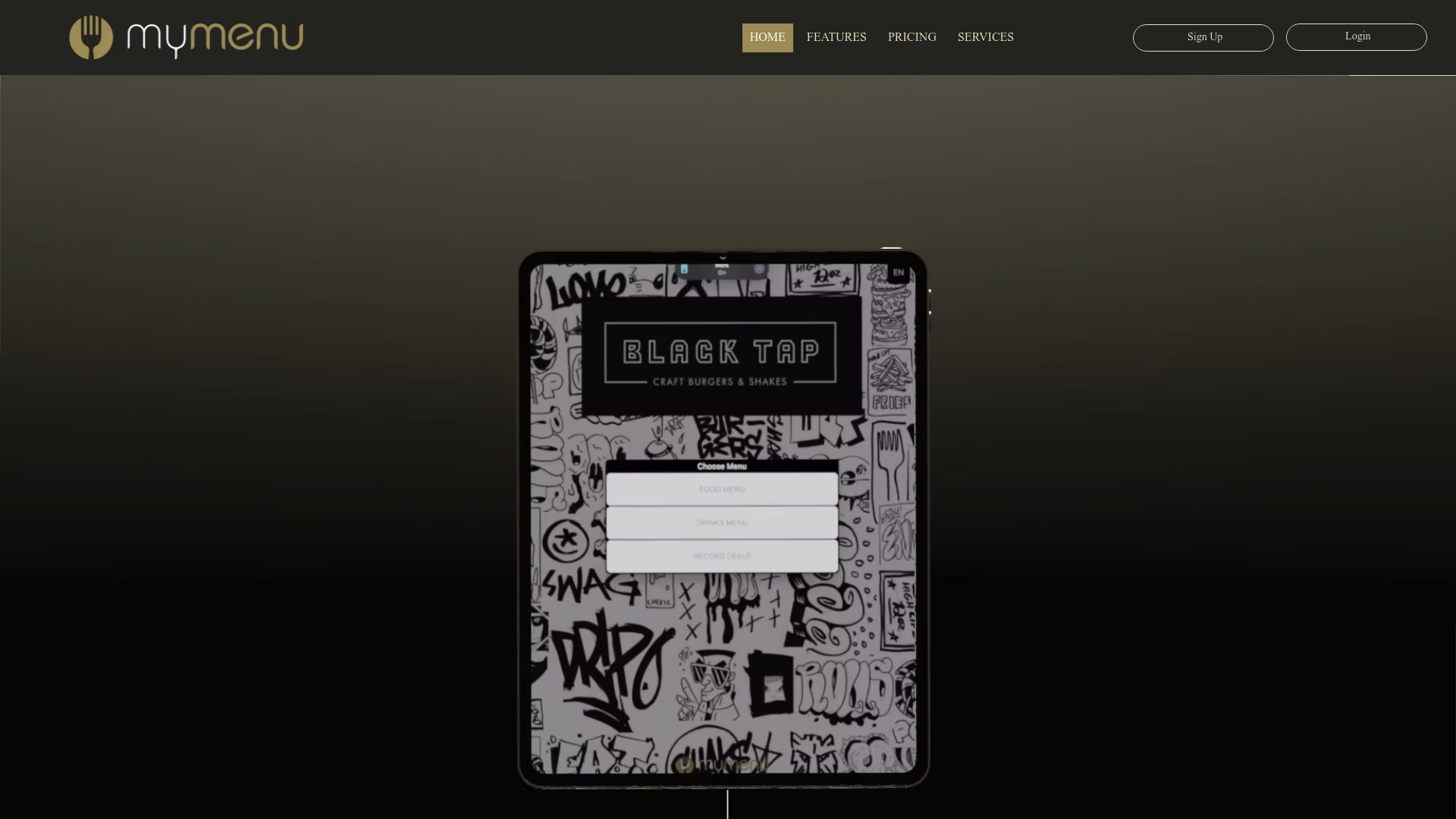
MyDigiMenu.com brings together many of the elements explored in this article, from real-time ordering data and POS integrations to customizable layouts that support better menu engineering. Our restaurant digital menu solutions help you capture guest behavior, reduce ordering errors, and present your menu in a way that actively drives higher check values. Or start simpler with a scan-to-order QR menu that requires no app download and connects seamlessly with your existing workflow. Book a free demo and see how quickly the right digital foundation changes everything.
Frequently asked questions
How can digital inventory systems lower costs in my restaurant?
Automated inventory systems cut costs by reducing food waste by 20-31% and improving food cost percentages by 4-6%, protecting margins that manual tracking consistently erodes.
What is the most effective way to optimize restaurant labor using technology?
Using AI for scheduling and kitchen automation can cut labor hours by 18% and improve order accuracy by 30%, freeing your team to focus on guest experience rather than guesswork.
How can data-driven menu engineering improve restaurant profits?
Tracking items through POS analytics and predictive ordering lets you identify and promote high-margin stars while phasing out low-performing dishes that drain kitchen capacity.
What barriers should I expect with digital changes in my restaurant?
Expect resistance from staff due to habit and training gaps; phased rollouts and honest feedback loops are the most reliable way to build lasting adoption without disrupting daily service.
Recommended
Comments