
Why use cloud-based menus? Boost engagement by 15%

TL;DR:
Cloud-based menus enable instant updates, rich media support, and personalized guest experiences.
They increase operational efficiency by reducing printing costs, errors, and waste.
These digital platforms enhance sustainability, brand image, and adaptability for competitive advantage.
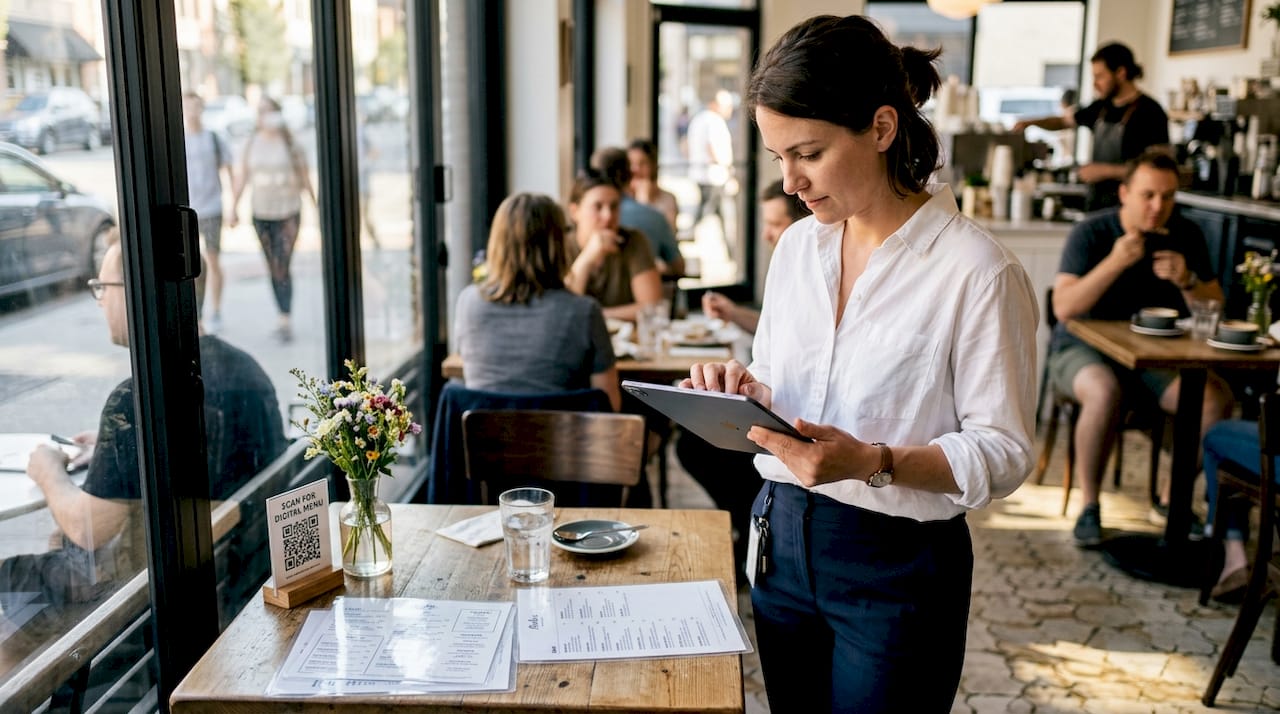
Picture a Friday night dinner rush. Guests are seated, servers are stretched thin, and the kitchen is firing on all cylinders. Now imagine a single menu change — a sold-out special — cascading instantly to every table, every device, without a single reprint. That is the quiet revolution cloud-based menus are delivering to restaurants and hotels right now. Far from being a simple convenience upgrade, these platforms are reshaping how guests interact with your brand from the moment they sit down. In this guide, you will discover exactly how cloud-based menus work, why they outperform print in nearly every measurable way, and how leading hospitality venues are using them to ignite guest loyalty and cut operational waste.
Table of Contents
Key Takeaways
Point | Details |
Enhances guest engagement | Cloud-based menus create interactive and personalized dining experiences. |
Reduces operational costs | Going digital minimizes printing expenses and speeds up menu updates. |
Supports sustainability | Digital menus cut down on paper waste and help meet green goals. |
Enables real-time updates | Menus can be changed instantly, allowing quick adaptation to trends. |
How cloud-based menus work and why they matter
Cloud-based menus are digital menu platforms hosted on remote servers and accessed by guests through QR codes, tablets, or web browsers — no app download required. Unlike static print menus, they live entirely online. That means any update you make through a management dashboard reflects instantly across every access point in your venue. Think of it as the difference between painting a wall and changing a digital wallpaper: one takes time, materials, and labor; the other takes seconds.
The infrastructure behind these systems is straightforward. Your menu content — descriptions, photos, pricing, allergen information — is stored securely in the cloud. Guests scan a QR code or tap a tablet at their table, and the most current version of your menu loads immediately. Because the data lives centrally, digital table ordering becomes seamless, accurate, and far more responsive to real-world changes like ingredient shortages or daily specials.
Why does this matter so much right now? Digital menu adoption rates tell the story clearly: over 85% of restaurants have adopted some form of digital menu post-COVID. That statistic signals a fundamental shift in industry standards, not a passing trend. Guests now arrive expecting digital options, and venues that still rely on laminated cards are quietly communicating that they are behind the curve.
Here is a quick look at what sets cloud-based menus apart:
Real-time updates: Change prices, add daily specials, or remove sold-out items in under a minute
Rich media support: Display high-quality food photos and video previews that genuinely influence ordering decisions
Multilingual capability: Serve international guests in their preferred language without printing extra materials
Data collection: Track what guests browse, what they order, and how long they spend on each category
POS integration: Sync orders directly to your kitchen display system, eliminating handwritten tickets
Feature | Print menu | Cloud-based menu |
Update speed | Days to weeks | Under 60 seconds |
Media support | Static photos | Video, HD images |
Language options | Fixed at print | Unlimited |
Analytics | None | Real-time data |
Error correction | Reprint required | Instant |
Pro Tip: Choose a platform that integrates directly with your POS system. When orders flow automatically from the guest’s device to the kitchen, you cut errors, speed up service, and free your staff to focus on hospitality rather than order relay.
The ability to boost guest engagement through smarter, more responsive menus is no longer a luxury feature. It is quickly becoming the baseline expectation for any venue serious about service quality.
Benefits for guest engagement and satisfaction
A menu is not just a list of dishes. It is the first real conversation your venue has with a guest after they are seated. Cloud-based menus transform that conversation from a one-way broadcast into an interactive, personalized experience. And the numbers back this up: digital menus boost engagement by at least 15% compared to traditional menus, a meaningful lift that translates directly into higher average check values and stronger guest satisfaction scores.
“Digital menus increase guest engagement by at least 15%, empowering venues to turn every table visit into a richer, more memorable brand interaction.”
So how exactly does menu design impact the guest journey? Consider the sequence a guest moves through when using a cloud-based menu:
Discovery: Vivid food photography and short video clips make mouthwatering dishes impossible to ignore, sparking curiosity before a guest even decides on a category.
Personalization: Smart recommendation engines surface dishes based on dietary filters, previous orders, or popular choices, turning browsing into an adventure tailored to each guest.
Confidence: Detailed ingredient lists, allergen flags, and calorie counts reduce anxiety for guests with dietary needs, making ordering feel safe and informed.
Upselling: Contextual prompts — “Pairs beautifully with our house wine” — appear naturally within the browsing flow, driving add-ons without pressure from staff.
Feedback: Post-meal prompts invite guests to rate their experience instantly, giving managers real-time insight into satisfaction levels.
Beyond the individual guest journey, digital signage for engagement and interactive menu features support repeat business in ways print simply cannot. When a guest creates a profile, your platform remembers their preferences. Next visit, they see a menu shaped around what they love. That kind of personalization used to require expensive loyalty software. Now it is built into the menu itself.
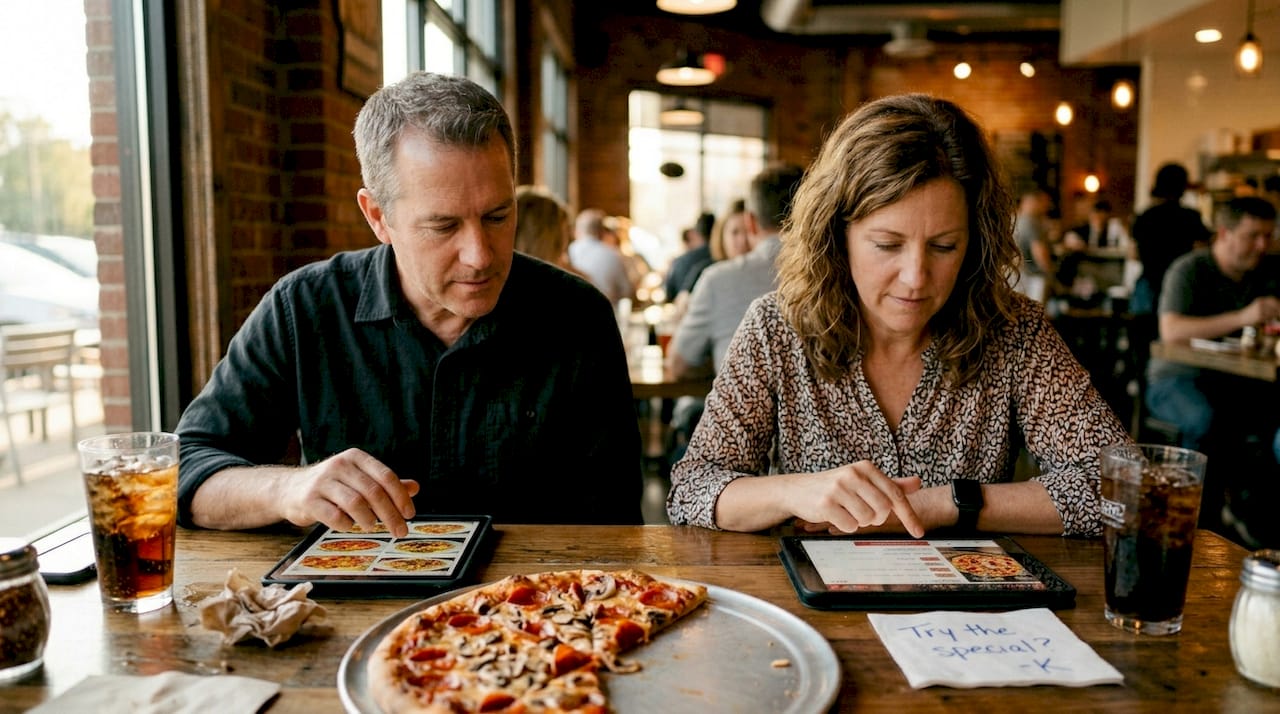
Video menus in hospitality take this even further by letting guests watch a dish being plated before they order it. That visual storytelling is extraordinarily powerful. It shortens decision time, reduces ordering regret, and makes the entire dining experience feel more curated and premium.
Metric | Print menu | Cloud-based menu |
Average engagement time | 2.5 minutes | 4+ minutes |
Upsell conversion rate | Low | Up to 30% higher |
Guest satisfaction score | Baseline | +15% or more |
Repeat visit rate | Standard | Noticeably higher |
Feedback collection | Passive (comment cards) | Active (in-app prompts) |
Operational efficiency and cost savings
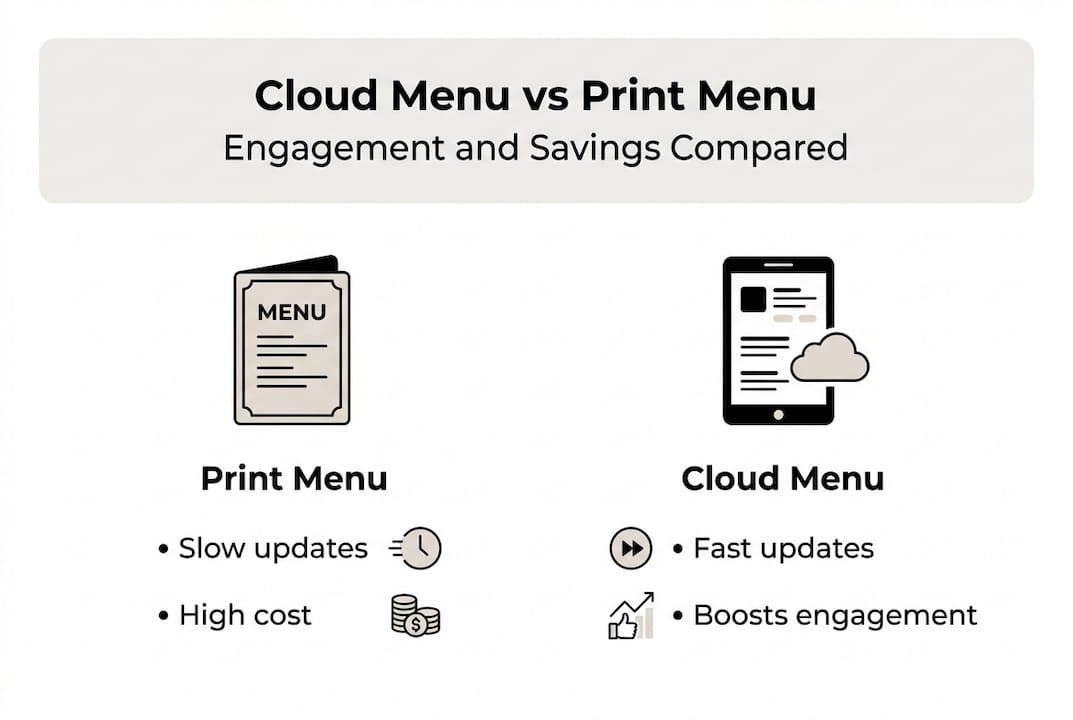
The guest-facing benefits are compelling, but the behind-the-scenes impact of cloud-based menus is equally transformative. Digitalization reduces menu printing costs while simultaneously increasing the speed at which menu updates reach guests. For a busy restaurant or hotel dining room, that combination is a genuine game changer.
Print menus carry hidden costs most managers underestimate. Every seasonal update, price change, or new dish requires a design revision, a print run, and a distribution cycle. Multiply that by multiple outlets, languages, or venue locations, and the expense grows fast. Cloud-based menus eliminate that cycle entirely.
From a restaurant operations efficiency standpoint, the gains show up in several areas:
Printing eliminated: No recurring design, print, or lamination costs
Errors corrected instantly: A price typo or wrong description is fixed in seconds, not after the next reprint
Staff time reclaimed: Servers spend less time explaining menu changes and more time delivering genuine hospitality
Food waste reduced: Real-time item removal prevents guests from ordering dishes you cannot serve, cutting comped meals and kitchen waste
Analytics activated: Usage data tells you which items are slow sellers, helping you optimize your offering before the next service
For additional context on foodtruck menu cost insights, even smaller mobile operations are discovering significant savings after going digital.
Category | Traditional print menu | Cloud-based menu |
Printing cost per year | $2,000+ | $0 |
Update turnaround | 3 to 10 days | Under 1 minute |
Error correction time | Days | Seconds |
Analytics capability | None | Real-time |
Staff training on changes | Required each update | Automatic via platform |
Pro Tip: Use your menu analytics dashboard weekly. Identify your three slowest-selling items each month and replace them with seasonal specials or higher-margin alternatives. Over a quarter, this habit alone can meaningfully improve both guest satisfaction and profitability.
For venues ready to go further, expert menu digitization strategies can help you design your digital menu for maximum conversion, not just convenience.
Cloud-based menus for sustainability and modern branding
Sustainability is no longer a niche preference in hospitality. Guests actively seek out venues that align with their values, and eco-conscious operations have become a genuine competitive advantage. Cloud-based menus contribute directly to sustainability goals by eliminating paper waste at scale. Digital menus reduce paper waste and actively support hospitality sustainability targets that many hotel and restaurant groups have committed to publicly.
The environmental math is striking. A mid-size restaurant reprinting seasonal menus four times a year across 50 tables generates thousands of paper and plastic laminate sheets annually. Multiply that by a hotel with multiple dining concepts, a bar, and a room service menu, and the footprint becomes substantial. Going digital wipes that footprint out entirely.
“Replacing physical menus with cloud-based platforms is one of the most immediate, measurable steps a hospitality venue can take toward its sustainability commitments — and guests notice.”
Beyond the environmental impact, digital menus for sustainability also sharpen your brand image in ways that resonate deeply with modern travelers and diners. Consider what a sleek, QR code menu communicates at first glance compared to a worn laminated card: innovation, intentionality, and care. That first impression matters.
Here is what eco-friendly digital menu adoption signals to guests:
Environmental responsibility: You take your carbon footprint seriously
Tech-forward culture: Your venue invests in modern solutions that improve the guest experience
Attention to detail: A beautifully designed digital menu signals craftsmanship and pride in presentation
Trustworthiness: Transparent ingredient and allergen data, always up to date, builds guest confidence
For eco-friendly menu trends, the data confirms that this shift is accelerating. Guests under 40 in particular actively reward businesses that demonstrate visible sustainability commitments. A cloud-based menu is one of the most visible and immediate signals you can send.
The overlooked power of cloud menus: Adaptability equals competitiveness
Here is an opinion you will not hear often enough in hospitality circles: the biggest advantage of cloud-based menus is not the cost savings or even the guest experience improvements. It is speed of response. The venues that are pulling ahead in 2026 are not just those with the best food or the most elegant decor. They are the ones that can read the room, adjust their offering in real time, and act on data before their competitors even notice a trend.
Most managers still underestimate how powerfully menu agility connects to guest loyalty and cost control. When you can swap a slow-selling dish for a trending ingredient overnight, you are not just optimizing a menu. You are telling your kitchen team, your servers, and your guests that you are paying attention. That responsiveness builds trust in ways that static print menus simply cannot replicate.
Success in hospitality increasingly hinges on technology adoption and agile menu management, and the venues embracing expert menu digitization insights are already seeing measurable gains in both loyalty and margin.
Pro Tip: Schedule a monthly analytics review with your head chef and front-of-house manager. Look at which items underperform on weekdays versus weekends, and adjust your digital menu to reflect those patterns. Small, data-informed tweaks compound into significant revenue gains over time.
Unlock the full power of cloud-based menus with My Menu
Ready to turn your dining room into a dynamic, guest-first experience? MyDigiMenu.com gives restaurant and hotel managers the tools to do exactly that, from QR-powered ordering to rich video menus that inspire every table visit.
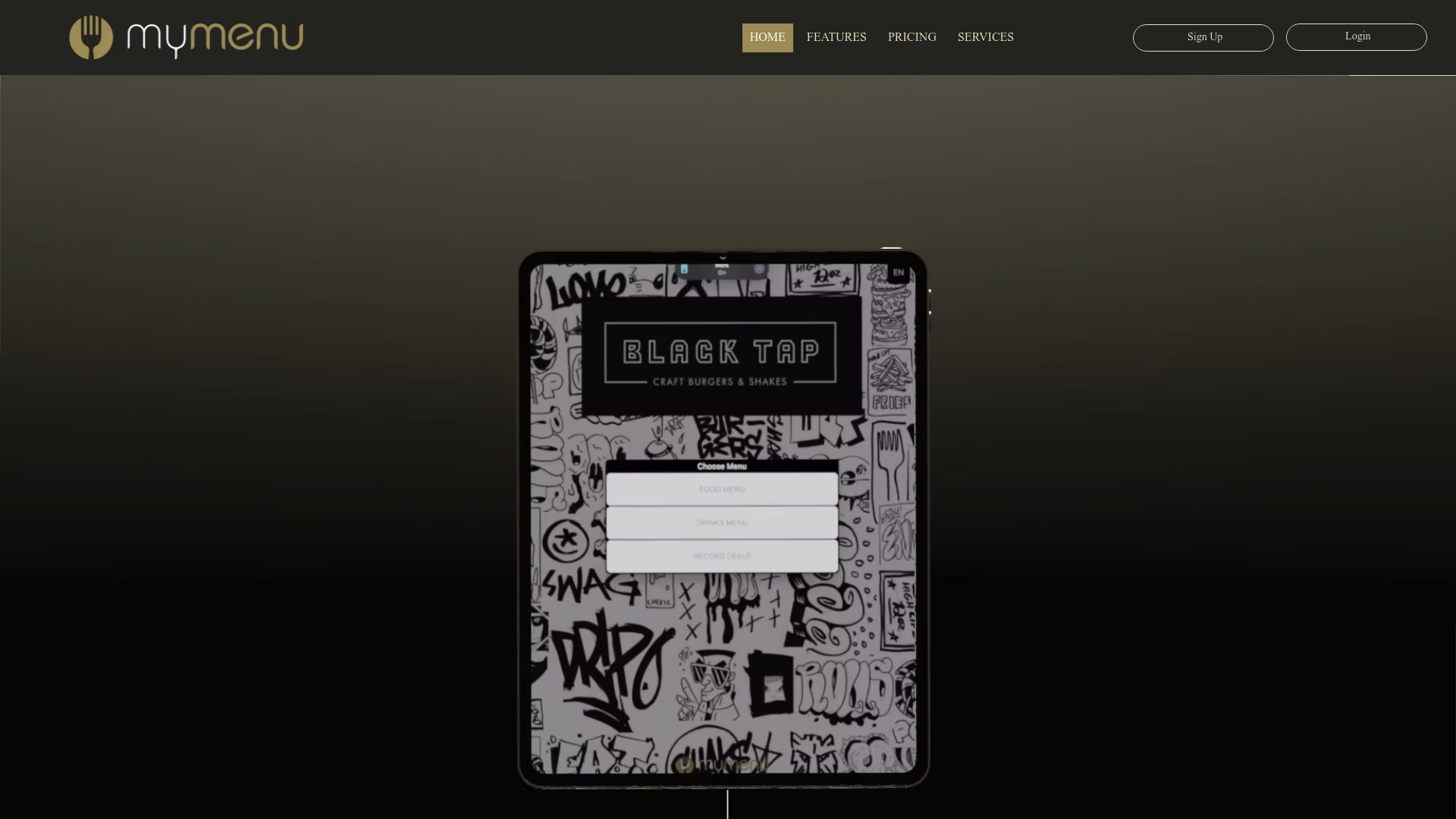
Explore restaurant tablet menu solutions built for high-volume dining, or browse the full suite of QR menu options designed to work instantly on any guest device. Whether you manage a boutique hotel or a multi-outlet restaurant group, flexible pricing plans make getting started straightforward. The shift to cloud-based menus is already happening across the industry. The question is whether your venue will lead that shift or follow it.
Frequently asked questions
How do cloud-based menus improve guest engagement?
Cloud-based menus personalize recommendations, enable interactive ordering, and help guests make quicker decisions, all of which boost overall satisfaction. Digital menu adoption increases engagement by at least 15%, translating directly into higher check averages and stronger repeat visit rates.
Can cloud-based menus reduce operational costs?
Yes, digital menus can dramatically lower printing expenses, reduce menu update delays, and minimize ordering errors. Digitalization reduces costs while simultaneously increasing the speed and accuracy of menu updates across your entire venue.
Are cloud-based menus environmentally friendly?
They significantly cut down paper waste and align with hospitality sustainability efforts. Digital menus reduce waste at scale, making them one of the fastest-impact sustainability moves a hospitality venue can make.
Is it difficult to update cloud-based menus?
No, menus can be updated in real time from any device, ensuring instant changes reach guests without delay. Digital platforms push changes instantly, so a sold-out dish or a new daily special is reflected across every table in under a minute.
Recommended
Comments