
Abandoned Cart Recovery for Restaurants: Why the First Hour Counts


The fastest, highest-return way to recover abandoned carts combines a short automated email sequence, timed to how your customers actually shop, with onsite exit-intent prompts that catch hesitation in the moment. Layer in SMS only where you have clear consent, test your timing and incentives, and track every recovered dollar. Restaurants need to move even faster, often within the hour, because food orders go cold fast.
TL;DR:
Email within an hour with cart contents and one clear action; add urgency at 24 hours and an incentive at 48 to 72 hours.
Fix surprise costs and forced account creation first; tailor reminders to whether shoppers left before checkout, during shipping, or at payment.
Send abandoned cart texts only after customers give prior written consent through a separate, unchecked checkbox; violations can cost $500 to $1,500 per text.
Use a 7 to 14 day attribution window, avoid crediting overlapping email and SMS touches twice, and compare variants after a few hundred sends.
Make recovery links open directly to a mobile optimized cart, and stop every email, text, and ad as soon as the customer completes the purchase.
Table of Contents
What Abandoned Cart Recovery Is and Why It Matters
Cart abandonment happens when a shopper adds items but leaves before starting checkout. Checkout abandonment is narrower: the shopper begins the payment or shipping steps and drops out partway through. The distinction matters because the fixes differ. One calls for a recovery message; the other calls for a better checkout.
Recovering even a portion of these carts raises average order value and revenue without spending a cent on new traffic. These are shoppers who already chose products; they just need a nudge or a smoother path back.
Not every abandonment deserves a recovery email, though. Some should be fixed in the product experience itself:
Friction-driven exits (confusing forms, surprise shipping costs) need UX fixes, not reminder emails.
Price or timing hesitation responds well to a follow-up message.
Browsing-only sessions with no real purchase intent rarely convert no matter what you send.
Channels That Work and When to Use Them
Email remains the backbone of cart recovery: it is inexpensive, reaches nearly every customer, and integrates with almost any store platform. Automation platforms and email service providers commonly report strong open and click rates for cart recovery flows, with benchmarks sometimes cited around 50% opens and 6% click-through, though results vary by industry.
SMS can outperform email on speed and attention, but it carries real legal weight in the United States: abandoned cart texts count as telemarketing under the TCPA, requiring prior express written consent. Never add SMS to your recovery mix without that consent step built into checkout.
Onsite exit-intent popups and overlays catch shoppers the instant they show signs of leaving, before they ever close the tab. Push notifications and paid retargeting ads work as supplementary layers, useful for shoppers who have app permissions or who browse without completing a purchase.
A few timing principles hold across channels:
Send the first touch quickly, ideally within an hour of abandonment.
Space follow-ups out over the next one to three days rather than clustering them.
Save discounts for the later messages instead of leading with a price cut.
A Three-Message Email Sequence You Can Copy
A tight, three-message sequence outperforms a single generic reminder because each message serves a different purpose in the buyer’s hesitation.
Message 1, sent within one hour: a simple reminder with the exact cart contents, product images, and one clear call to action (“Finish your order”). No discount yet, just a nudge.
Message 2, sent at 24 hours: add light urgency or social proof, such as limited stock or a popular-item note, while keeping the tone helpful rather than pushy.
Message 3, sent at 48 to 72 hours: offer a modest incentive if your margins allow it, framed as a last chance rather than a standing discount.
Personalize each message using the actual cart contents and the customer’s browsing or purchase history where you have it. A shopper who abandoned a $300 cart warrants a different tone than one who left a single $15 item behind. Every message needs a visible unsubscribe link and a link to your privacy policy, both because customers expect them and because they are required under federal email rules.
Pro Tip: Test one variable at a time, starting with send timing before touching subject lines or offers, so you know exactly what moved the needle.
Measuring Recovery and Running Useful A/B Tests
You cannot improve what you do not track. Four numbers matter most:
Abandonment rate: the share of carts started but never completed.
Recovery rate: the share of abandoned carts that convert after a recovery touch.
Recovered revenue: actual dollars attributed to recovery messages.
Click-to-recover rate: how many clicks on a recovery message turn into a finished purchase.
Set a clear attribution window, commonly 7 to 14 days, so a sale three weeks later does not get credited to a message that likely had nothing to do with it. Avoid double-counting when a customer receives both email and SMS touches for the same cart.
Worthwhile A/B tests include comparing a one-hour send against a three-hour send, testing a plain subject line against one with urgency language, and testing an offer against no offer at all. Review results weekly at first, then monthly once your flow stabilizes, and change course when a variant underperforms by a meaningful margin over at least a few hundred sends.
Essential Compliance: CAN-SPAM and TCPA Basics
Email recovery messages fall under the CAN-SPAM Act, which requires that commercial emails identify themselves as advertising when relevant, include a valid physical address, and offer an opt-out mechanism you honor promptly, typically within ten business days.
SMS carries a much heavier compliance burden. Abandoned cart texts are treated as telemarketing, and the TCPA requires prior express written consent before you send one, with violations carrying penalties that can run $500 to $1,500 per text. A checkbox that is pre-checked, or consent language buried in a generic terms-of-service link, does not meet the bar: marketing text consent needs its own clear, unchecked opt-in, separate from transactional consent.
A short compliance checklist before launch:
Place SMS consent language on its own unchecked checkbox, never pre-selected.
State clearly that message frequency varies and standard rates may apply.
Process opt-out requests the moment they arrive, across every channel.
A Step-by-Step Launch Checklist
Getting a recovery flow live, or auditing an existing one, follows a predictable sequence.
Verify event tracking on your cart and checkout pages, and confirm email capture happens before checkout completion, not only after.
Connect your checkout platform to your email or marketing automation tool so abandoned cart data flows automatically.
Build your three message templates, set a frequency cap so customers do not get flooded, and configure any coupon codes with expiration dates.
QA the entire flow using test accounts with different browsers, saved addresses, and a deliberately failed payment. Baymard’s research notes that testing with varied cookies and payment scenarios catches friction a single clean test account will miss. Check deliverability and confirm SMS consent checkboxes actually fire correctly before sending live traffic.
Schedule recurring reporting and assign one person to own the metrics, so the flow gets reviewed rather than left running untouched for a year.
Why Restaurants Need a Faster Recovery Clock
Retail carts can wait a day for a reminder. Food orders cannot. A guest who abandons a cart at 7:00 PM wanting dinner has no use for a recovery email that lands the next morning; the hunger, and the intent, is gone. Hospitality operators generally need to compress that first touch to well under an hour.
Digital menu platforms change what is possible here because they capture guest contact details earlier in the visit, often through social login or a loyalty signup, rather than only at checkout, as explained in the role of online food ordering. That earlier capture point means a venue already has a name, an email, or a phone number on file before a guest ever abandons an order.
A few practical levers specific to hospitality:
Video-enhanced menu items reduce indecision at the point of selection, which is often where abandonment starts.
Loyalty nudges tied to a digital stamp card give guests a reason to finish an order rather than close the tab.
Pay-at-table and reservation tools cut the friction that causes abandonment after a guest has already chosen their meal.
Segmenting Carts by Behavior and Purchase Stage
Not every abandoned cart deserves the same message. A shopper who added one item and left after ten seconds is behaving very differently from one who filled out shipping details and stalled at payment. Treating both the same way wastes the opportunity each one represents.
Group abandoners into at least three tiers. Early-stage abandoners, who added to cart but never reached checkout, respond well to a simple reminder with product images and nothing more. Mid-stage abandoners, who started checkout but stopped at shipping or account creation, often need a message that addresses friction directly, such as a note about free shipping thresholds or guest checkout availability. Late-stage abandoners, who reached payment and stalled, are usually closest to converting and often just need urgency or a small nudge rather than a discount.
Repeat visitors who abandon more than once deserve a different track entirely. Sending the same three-message sequence to someone who has abandoned five times in a month signals that your flow is not addressing their actual objection, whether that is price, shipping cost, or product fit. For hospitality venues, this same logic applies to guests who browse a digital menu repeatedly without ordering: a loyalty offer or a highlighted bestseller may resolve hesitation that a generic reminder never will.
Segmentation by purchase stage also helps you decide where to spend design effort first. Baymard’s research on checkout friction suggests that addressing fixable UX problems before investing heavily in recovery messaging prevents you from chasing abandoners who left for reasons no email can fix.

Using CRM and Guest Profile Data to Personalize Messages
A recovery email that references a customer’s actual preferences converts better than one that treats every abandoner identically. CRM data, including past orders, preferred categories, and loyalty tier, turns a generic reminder into a message that feels relevant.
For retail, this might mean referencing a customer’s past purchase history in a follow-up (“Customers who bought this also loved…”) or adjusting tone based on whether someone is a first-time shopper or a repeat buyer. First-time shoppers often respond better to reassurance, such as return policy details, while repeat customers respond better to speed and simplicity.
For hospitality, guest profile data captured through social login or loyalty signup offers an even sharper edge. A guest profile that shows a preference for vegetarian dishes, or a history of ordering the same appetizer, lets a recovery message surface that exact item rather than a generic “complete your order” line. A returning guest who abandoned a reservation request might get a message referencing their usual table preference or past visit, which reads as attentive rather than automated.
This only works when the data capture happens early and the consent is clear. Guest profile tools built into digital menu platforms, where a guest logs in once with a social account, give venues a head start on this kind of personalization that a one-time checkout form never provides.
Pairing Recovery Flows with Loyalty Programs and Promotions
A recovery message lands differently when it connects to something the customer is already invested in. A loyalty program gives you that connection point.
Instead of a generic percentage-off coupon in your final recovery message, consider referencing loyalty points the customer would earn or lose by not completing the purchase, or highlighting a stamp card that is one visit away from a reward. This reframes the message from “here is a discount” to “you’re close to something you already wanted,” which tends to feel less transactional.
For restaurants and cafés running digital stamp cards, a recovery message can note exactly how close a guest is to their next free item or reward tier. That kind of specificity, tied to a program the guest already opted into, often performs better than a cold discount because it reinforces a relationship rather than just cutting a price.
Promotions tied to timing also help. A seasonal offer or limited-time menu item mentioned in a final recovery touch gives a reason to act now rather than “eventually,” without resorting to a straight markdown every time. The goal is to make the recovery message feel like a continuation of a relationship the customer already has with your brand, not an isolated sales attempt.
Mobile Optimization for Contactless and Mobile Ordering
Most abandoned carts now originate on a phone, and recovery flows built for desktop browsing often fail on mobile without anyone noticing why. Recovery emails need to render cleanly on a small screen, with a single thumb-friendly call-to-action button rather than a cluster of links competing for attention.
Contactless and mobile ordering trends have made this even more pressing for hospitality. A guest scanning a QR code at a table, browsing a mobile menu, and abandoning before completing an order needs a recovery path that works entirely within a mobile browser, since they are unlikely to switch to a desktop later. That means recovery links should open directly into a mobile-optimized cart rather than a general homepage, and any SMS recovery touch (with proper consent in place) needs a link that loads instantly on a mobile connection.
Checkout forms designed for mobile should minimize typing wherever possible, using autofill, saved payment methods, and guest checkout options rather than forcing account creation on a small screen. Image-heavy menus and product pages need to load fast on mobile data, since a slow-loading cart page is itself a cause of abandonment that no recovery message can undo after the fact.
Testing your own recovery flow on an actual phone, not just a desktop browser resized smaller, catches problems that automated testing tools miss, including font sizes, button placement, and load times on a typical mobile connection.
Orchestrating Multiple Channels Without Overwhelming Customers
The channels covered so far, email, SMS, onsite, and retargeting, work best as a coordinated sequence rather than a flood of simultaneous messages. Sending an email, a text, and a retargeting ad all within the same hour reads as aggressive rather than helpful, and customers tend to disengage from brands that message too aggressively.
A reasonable sequence starts with the onsite exit-intent prompt, which catches the moment of hesitation before the customer even leaves the page. If that does not convert, the first email follows within the hour. SMS, where consent exists, can run alongside or shortly after that first email rather than competing with it. Retargeting ads work best as background reinforcement over the following days, rather than a channel you lead with.

Suppression rules matter as much as send rules. Once a customer completes a purchase, every remaining message in that sequence needs to stop immediately, across every channel, not just the one that triggered the sale. Coordinating this usually means your email platform, SMS provider, and ad retargeting pixel all need to reference the same conversion event, which is worth confirming during setup rather than discovering after a customer complains about a text for an order they already finished.
What Most Cart Recovery Advice Gets Wrong
Most cart recovery guidance treats every abandoned cart as the same problem with the same fix: send three emails, add a discount, done. That advice misses the bigger lever, which is fixing the checkout friction that caused the abandonment in the first place. A recovery email cannot undo a confusing shipping calculator or a forced account creation step; it can only paper over it, one customer at a time, forever.
The other place conventional advice falls short is speed, particularly for anything time-sensitive. A next-morning email works fine for a sweater someone almost bought. It does nothing for a dinner order abandoned at 7:00 PM. Hospitality operators who treat recovery timing like retail timing are leaving recoverable revenue on the table simply because the clock moved faster than their messaging did.
If there is one priority worth acting on first, it is this: audit your checkout or ordering flow for friction before you spend another hour optimizing subject lines. The best recovery message is the one you never had to send because the customer finished the order the first time.
— Abhi
How MyDigiMenu Helps Hospitality Venues Reduce Abandonment
For restaurants, cafes, bars, and hotels, the most effective fix for cart abandonment often starts before any recovery message gets sent. Our QR Menu and tablet ordering tools remove the friction that causes guests to abandon an order mid-selection, while guest profile capture gives us a contact point to reach guests who do not finish.
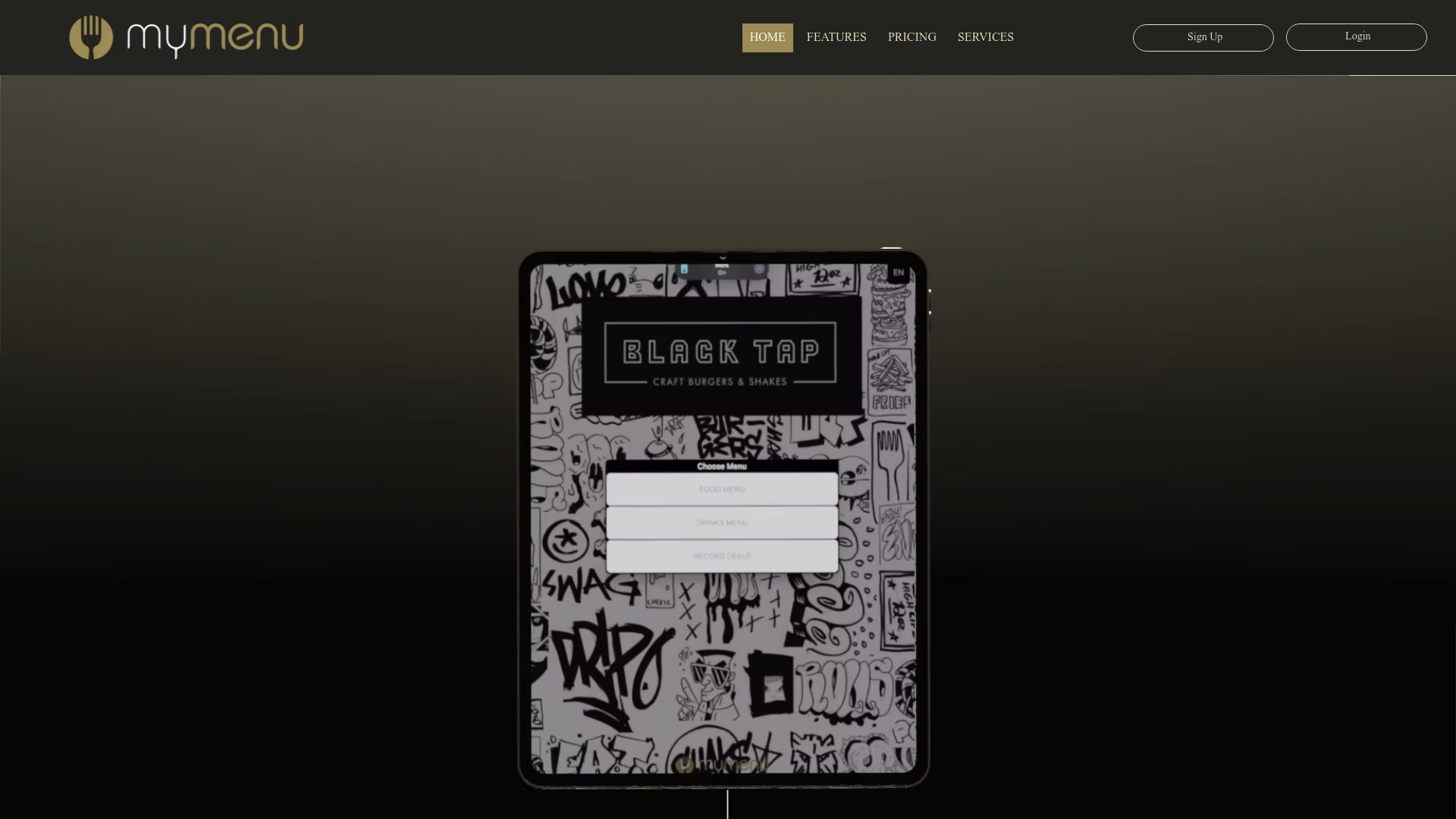
A few ways our platform supports recovery directly:
QR and tablet menus let guests order and pay without downloading an app, cutting the steps where abandonment happens.
Guest profile capture through social login gives venues a name and contact detail before checkout, not just after.
Our Restaurant Reservations Module and loyalty stamp cards reduce the friction that causes abandoned bookings and repeat-visit drop-off.
If your venue is weighing how to reduce lost orders alongside a recovery strategy, our pricing plans outline the options across StartUp Menu, Silver Menu, Gold Menu, and other tiers built for different venue sizes.
FAQ
Is it illegal to take abandoned shopping carts?
No, retrieving or discarding items from an abandoned online cart is not illegal; “abandoned cart” in ecommerce refers to items left in a digital shopping cart, not a physical one. The legal considerations instead involve how you contact the customer afterward, particularly SMS messages, which fall under TCPA consent rules.
How to fix cart abandonment?
Fixing abandonment starts with removing checkout friction such as hidden costs, forced account creation, and slow-loading pages, which Baymard’s research identifies as common causes. Pairing that fix with a short, well-timed email recovery sequence and onsite exit-intent prompts addresses both the cause and the aftermath.
What is a typical cart abandonment rate?
Abandonment rates vary widely by industry, device, and traffic source, so there is no single universal figure that applies to every store. Tracking your own rate over time, and comparing it before and after UX changes, matters more than comparing it to an external benchmark.
How to track abandoned carts?
Tracking starts with event tracking on your cart and checkout pages, connected to an email or marketing automation platform that captures contact details before checkout completes. From there, monitor abandonment rate, recovery rate, and recovered revenue within a defined attribution window, typically 7 to 14 days, to see what is actually working.
Sources
Recommended
Snowrider turns careful positioning into a useful survival skill. By adjusting the sled gradually as obstacles approach, players can preserve their momentum and avoid the confusion that comes from constantly changing direction on demanding downhill stretches.
Based on data from https://webwatcher.pissedconsumer.com/review.html WebWatcher Software provides an exceptional monitoring experience for secure online reviews. The user interface is intuitive and easy to navigate, allowing for seamless tracking of online activities. The real-time alerts are particularly impressive, ensuring that I am promptly informed of any significant changes or reviews. Additionally, the comprehensive reporting features offer valuable insights into user interactions, enhancing my ability to manage online reputation effectively. Overall, WebWatcher has proven to be an indispensable tool for maintaining a secure and positive online presence.
granny game is a chilling online horror arcade game where you must escape from a creepy old house filled with locked rooms, dark hallways, and dangerous traps. Your goal is to find a way out without attracting the attention of the terrifying Granny, who can hear even the slightest noise.
A colleague once noticed slope game open on my screen during lunch and asked why I still played such a simple browser title. After a few rounds on his own, he understood immediately. By the end of the break, we were comparing personal records and discussing different approaches to handling difficult sections of the course.