
Why use online reservation systems to boost efficiency
- Abhi Bose
- Mar 24
- 10 min read

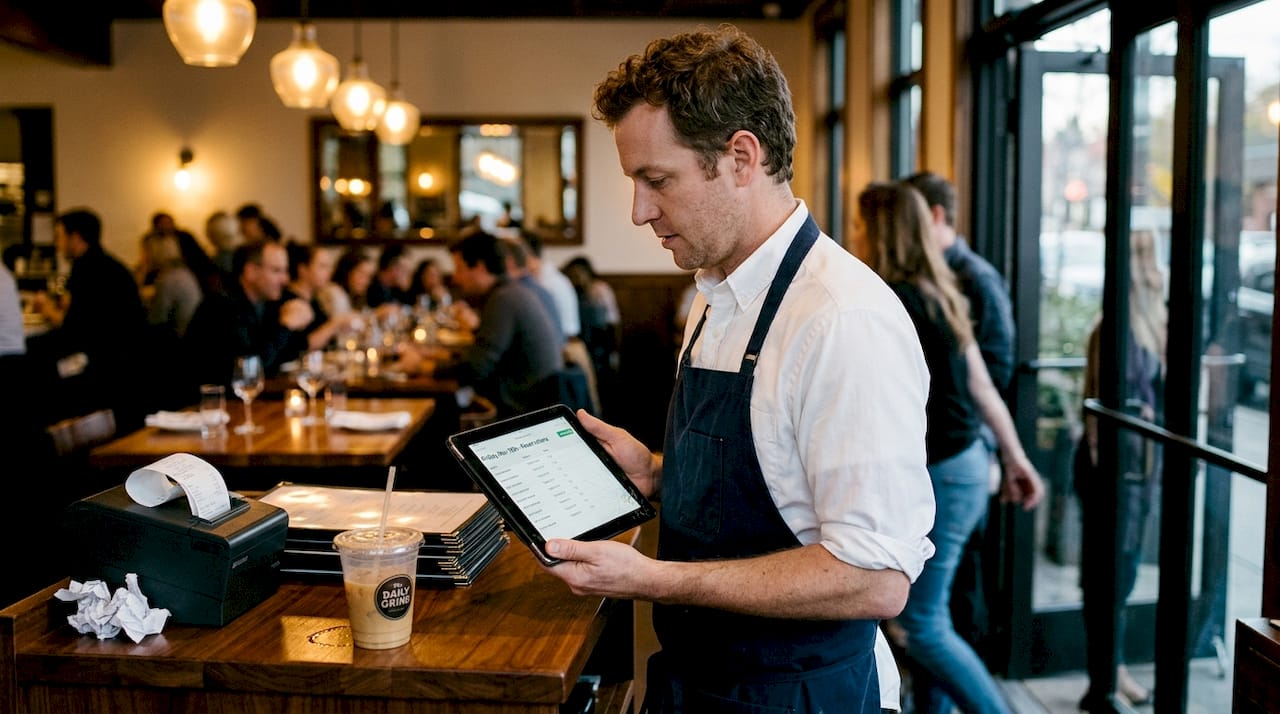
Restaurant managers juggle endless phone calls, scribbled notes, and double bookings that frustrate guests and staff alike. Online reservation systems save up to 2 hours daily in booking management while reducing errors through automation. These platforms transform chaotic manual processes into streamlined operations that increase bookings, optimize table turnover, and capture valuable guest data. This article explains how online reservation systems deliver measurable efficiency gains, revenue growth, and strategic advantages for restaurants and hotels seeking to modernize their operations and elevate guest experiences.
Table of Contents
Key Takeaways
Point | Details |
Automation efficiency gains | Online reservation systems save up to two hours daily and prevent double bookings through real time syncing across all booking channels. |
24/7 availability | Guests can book at any time, capturing bookings that would be lost to competitors with less convenient systems. |
Real time table synchronization | The platform updates availability across all channels instantly to prevent overlapping bookings and guest disappointment. |
Faster turnover and higher occupancy | Higher table turnover by about twenty percent and optimized timing help serve more guests during peak hours without rushing. |
Data driven growth | Historical guest data informs accurate party duration estimates and supports data driven decisions for staffing and marketing. |
Automation benefits and operational efficiency
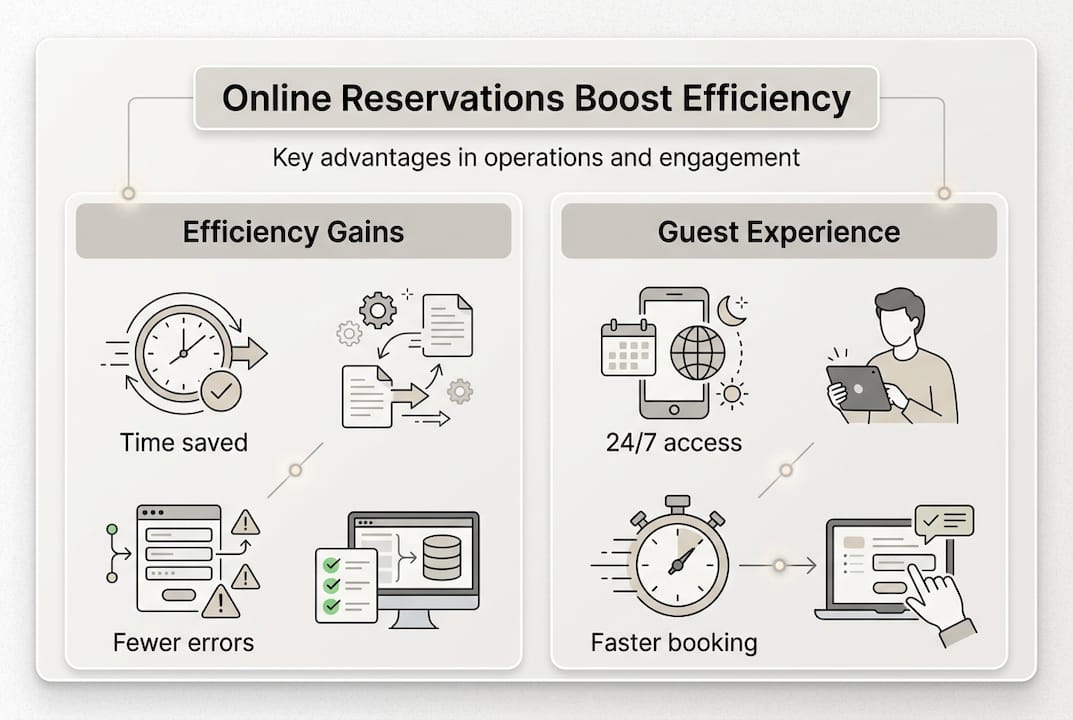
Manual reservation management consumes valuable manager time that could drive revenue and improve service quality. Online reservation systems save up to 2 hours daily and prevent double bookings through real-time syncing across all booking channels. Automation enables 24/7 availability so guests book at their convenience without waiting for staff to answer phones during rush periods. This accessibility captures bookings that would otherwise go to competitors with more convenient systems.
Real-time table management sits at the core of operational efficiency gains. Systems track every table’s status, party size, and reservation duration to prevent the chaos of overlapping bookings. When a guest books online, the platform instantly updates availability across all channels so no two parties claim the same table. This synchronization eliminates the embarrassing scenarios where hosts must explain overbooking to arriving guests. Restaurant reservations table management tools provide visual floor plans that let staff see the entire dining room status at a glance.
Reservations integrate with POS systems for streamlined operations that connect front-of-house and kitchen workflows. When guests arrive, hosts confirm reservations in the same system that processes orders and payments. This integration eliminates duplicate data entry and ensures accurate guest counts reach the kitchen for prep planning. Payment processing becomes faster because guest information and preferences are already in the system from their reservation profile.
Automation handles routine tasks like confirmation emails, reminder texts, and follow-up surveys without manager intervention. These touchpoints reduce no-shows and gather feedback that improves service quality. Staff focus on delivering exceptional experiences rather than administrative work. The system tracks guest history so servers know returning customers’ preferences before they sit down.
Pro Tip: Train staff to rely on system alerts for table readiness and avoid manual overrides that cause synchronization errors and double bookings.
Key automation advantages include:
Instant booking confirmations sent automatically to guests
Automated reminder messages that reduce no-show rates
Real-time availability updates across all booking channels
Integrated waitlist management for walk-in guests
Historical data tracking for staffing and inventory planning
Boosting revenue and guest engagement with online reservations
Higher table occupancy directly impacts restaurant profitability by maximizing the revenue potential of every seat. Online reservation systems lead to 20% faster table turnover because precise timing reduces gaps between seatings. When systems accurately predict party duration based on historical data, hosts can book the next reservation with confidence. This efficiency means serving more guests during peak hours without rushing diners or leaving tables empty.
Booking volume grows substantially when guests can reserve tables anytime from any device. The same platforms report 40%+ growth in booking volume after implementing online systems because convenience removes friction from the reservation process. Guests who previously abandoned phone calls due to busy signals or long hold times complete bookings in under two minutes online. Mobile-optimized booking flows capture spontaneous diners searching for immediate availability.
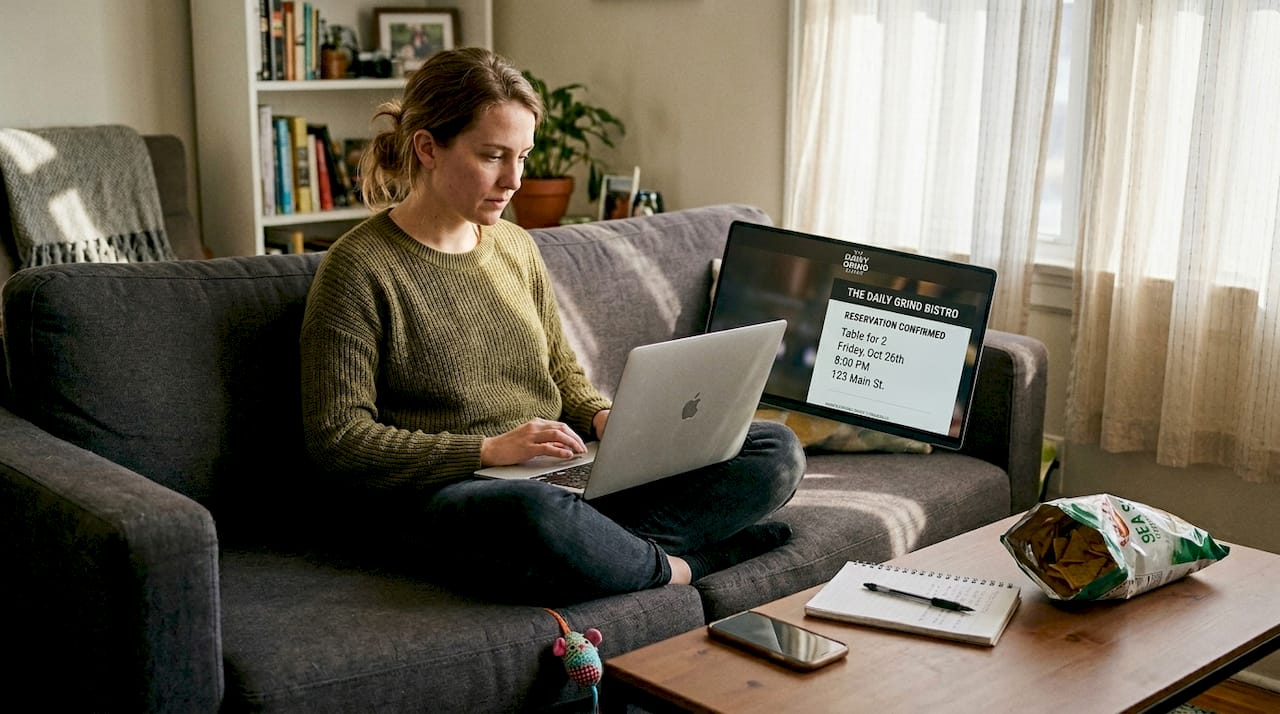
Yield management techniques borrowed from hotel revenue management optimize reservation pricing and availability for maximum profit. Restaurants charge premium rates for prime time slots while offering discounts for off-peak hours to smooth demand curves. Dynamic pricing adjusts automatically based on historical booking patterns, local events, and real-time demand signals. This strategy fills slower periods without devaluing peak service times.
Data-driven insights help maximize reservations and personalize guest experiences through detailed preference tracking. Systems capture dietary restrictions, seating preferences, celebration occasions, and spending patterns that enable targeted marketing. Birthday reminders trigger automated offers that bring guests back for special occasions. Segmented email campaigns promote new menu items to guests who ordered similar dishes previously.
Revenue Driver | Measurement | Typical Improvement |
Table turnover speed | Average minutes per seating | 15-20% faster |
Booking volume | Monthly reservations | 40%+ increase |
Average check size | Revenue per cover | 12-18% higher |
Guest return rate | Repeat visits within 90 days | 25%+ improvement |
Guest engagement extends beyond the dining experience through CRM integration that maintains ongoing relationships. Post-visit surveys gather feedback while memories are fresh and identify service issues before they become negative reviews. Loyalty programs reward frequent diners with points, exclusive offers, and VIP treatment that builds emotional connections. Social login options simplify profile creation while providing valuable demographic data for marketing segmentation.
Personalized communication based on guest data creates meaningful touchpoints that feel relevant rather than intrusive. A regular who always orders wine receives notifications about tasting events and new vintages. Families with children get early access to holiday brunch reservations. These targeted approaches drive higher engagement rates than generic mass marketing. Analytics dashboards on platforms like the My Menu blog help managers track which campaigns generate the strongest response and ROI.
Managing no-shows and overbooking strategically
No-shows represent lost revenue that damages restaurant profitability and disrupts carefully planned service flow. AI prediction recovers $90K annually by analyzing historical patterns to identify high-risk reservations. Machine learning models consider factors like booking lead time, party size, guest history, weather forecasts, and local events to calculate no-show probability for each reservation. This intelligence lets managers make informed decisions about confirmation requirements and overbooking strategies.
Safe overbooking calculated as 75% of the historical no-show rate balances revenue optimization with guest satisfaction. If your restaurant averages 8% no-shows, booking 6% over capacity (75% of 8%) statistically keeps you near full occupancy without frequent overbooking incidents. This conservative approach accounts for variability in no-show patterns and provides a safety buffer. Adjust the percentage based on your tolerance for risk and ability to accommodate overflow guests at the bar or with expedited service.
Relational databases prevent double bookings by managing table availability in real time across all booking channels. Database architecture ensures atomicity in transactions so two simultaneous booking attempts for the same table cannot both succeed. This technical safeguard works invisibly behind user interfaces to maintain data integrity. When integrated properly, the system becomes the single source of truth that prevents human error and communication breakdowns.
Strategy | Risk Level | Revenue Impact | Guest Satisfaction |
No overbooking | Very Low | Moderate loss from no-shows | High |
Conservative (75% rate) | Low | Recovers most no-show revenue | High |
Aggressive (100% rate) | Medium | Maximum revenue potential | Medium to Low |
Unmanaged overbooking | High | Unpredictable | Low |
Implementing effective no-show management follows a systematic process:
Collect no-show data for at least 90 days to establish reliable baseline patterns across different days, times, and seasons
Train AI models on historical data including guest profiles, booking channels, party sizes, and external factors like weather and events
Set overbooking limits at 75% of your no-show rate initially, then adjust based on actual outcomes and operational capacity
Monitor outcomes weekly to track prediction accuracy, overbooking incidents, and revenue recovery, refining the model with new data
Pro Tip: Update no-show statistics monthly to adapt overbooking strategies to seasonal patterns, menu changes, and evolving guest behavior for optimal safety margins.
Confirmation requirements reduce no-shows by creating commitment touchpoints that remind guests of their reservations. Requiring credit card guarantees for large parties or peak times adds financial accountability. Automated reminders sent 24 hours before reservations give guests time to cancel if plans change, allowing you to fill the slot. Flexible cancellation policies up to a reasonable deadline encourage guests to book confidently while still protecting your inventory. Systems that make cancellation easy through the same channel used for booking see higher cancellation rates and lower no-shows because guests don’t avoid the awkward phone call.
Waitlist management integrated with restaurant reservation workflow optimization tools automatically offers canceled slots to guests who requested that time. This feature maximizes occupancy by filling last-minute openings without manager intervention. Priority waitlist access becomes a loyalty program benefit that rewards frequent diners. Real-time notifications via text message give waitlisted guests minutes to claim available tables, capturing demand that would otherwise go to competitors.
Applying online reservation systems in restaurants and hotels
Multi-channel booking extends reach by meeting guests wherever they search for dining options. OTAs account for 45.1% of bookings while own sites capture 44.8%, demonstrating that successful venues need presence across platforms. Third-party sites like OpenTable and Resy provide discovery for new guests who browse options by cuisine, location, and availability. Your own website booking engine serves loyal customers who prefer direct relationships and often spend more per visit.
Quick payment processing enhances cash flow and guest satisfaction by enabling deposits, prepayments, and seamless checkout experiences. Requiring deposits for large parties or special events protects against cancellation losses. Prepaid experiences for prix fixe menus or tasting events simplify service and reduce transaction time during the meal. Stored payment methods let guests close checks from their phones without waiting for servers, improving table turnover and tip percentages.
Channel | Discovery Advantage | Cost Structure | Guest Loyalty |
OTA platforms | High visibility to new diners | Per-booking commission (15-25%) | Lower |
Own website | Direct relationship and branding | Monthly subscription or one-time setup | Higher |
Social media | Engaged followers and viral potential | Platform fees or free organic | Medium |
Google integration | Local search dominance | Free or paid ads | Medium |
Control of reservation and meal durations proves essential for restaurant revenue management by preventing bottlenecks and maximizing daily covers. Systems set default durations based on party size and service type, then adjust for special occasions or known slow diners. A four-top typically gets 90 minutes while a two-top might have 60 minutes during peak service. These parameters guide hosts in booking subsequent reservations without creating awkward rushes or uncomfortable conversations about lingering.
Hotels apply similar principles to meeting room bookings, spa appointments, and restaurant reservations within their properties. Integrated systems share guest profiles across departments so the hotel restaurant knows when conference attendees will break for lunch. This coordination optimizes staffing and inventory while creating seamless experiences. Hotel guests appreciate the convenience of booking all property amenities through a single interface during the reservation process.
Best practices for integrating reservation systems in hospitality settings include:
Sync inventory across all booking channels in real time to prevent overbooking
Integrate with POS systems for seamless order processing and payment handling
Capture guest preferences and dietary restrictions during booking for personalized service
Monitor analytics dashboards weekly to identify trends and optimize pricing strategies
Train all staff on system features to ensure consistent guest experiences
Update menu items and availability daily to reflect actual kitchen capacity
Set up automated communications for confirmations, reminders, and follow-ups
Establish clear cancellation policies that balance flexibility with revenue protection
Restaurant reservations and table management systems provide floor plan visualization that helps hosts optimize seating assignments. Visual layouts show table sizes, locations, and server sections so managers balance workload fairly. Special seating requests like window tables or quiet corners get flagged during booking for fulfillment when possible. Accessibility needs are communicated to staff before guests arrive, enabling proactive accommodation.
Mobile apps empower managers to oversee operations remotely and make real-time adjustments from anywhere. Push notifications alert managers to VIP arrivals, large party confirmations, or unusual booking patterns that might indicate events affecting demand. Cloud-based systems ensure data synchronization across devices so updates made on a tablet at the host stand immediately appear on the manager’s phone. This flexibility supports modern management styles and multi-location oversight.
Enhance your hospitality operations with My Menu
Restaurant managers who recognize the power of online reservation systems need integrated solutions that combine bookings, digital menus, and ordering in one platform. My Menu streamlines your entire front-of-house experience by connecting restaurant digital tablet iPad menus with reservation and table management tools that share guest data seamlessly. This unified approach eliminates the complexity of managing multiple disconnected systems while providing the comprehensive features modern hospitality demands.
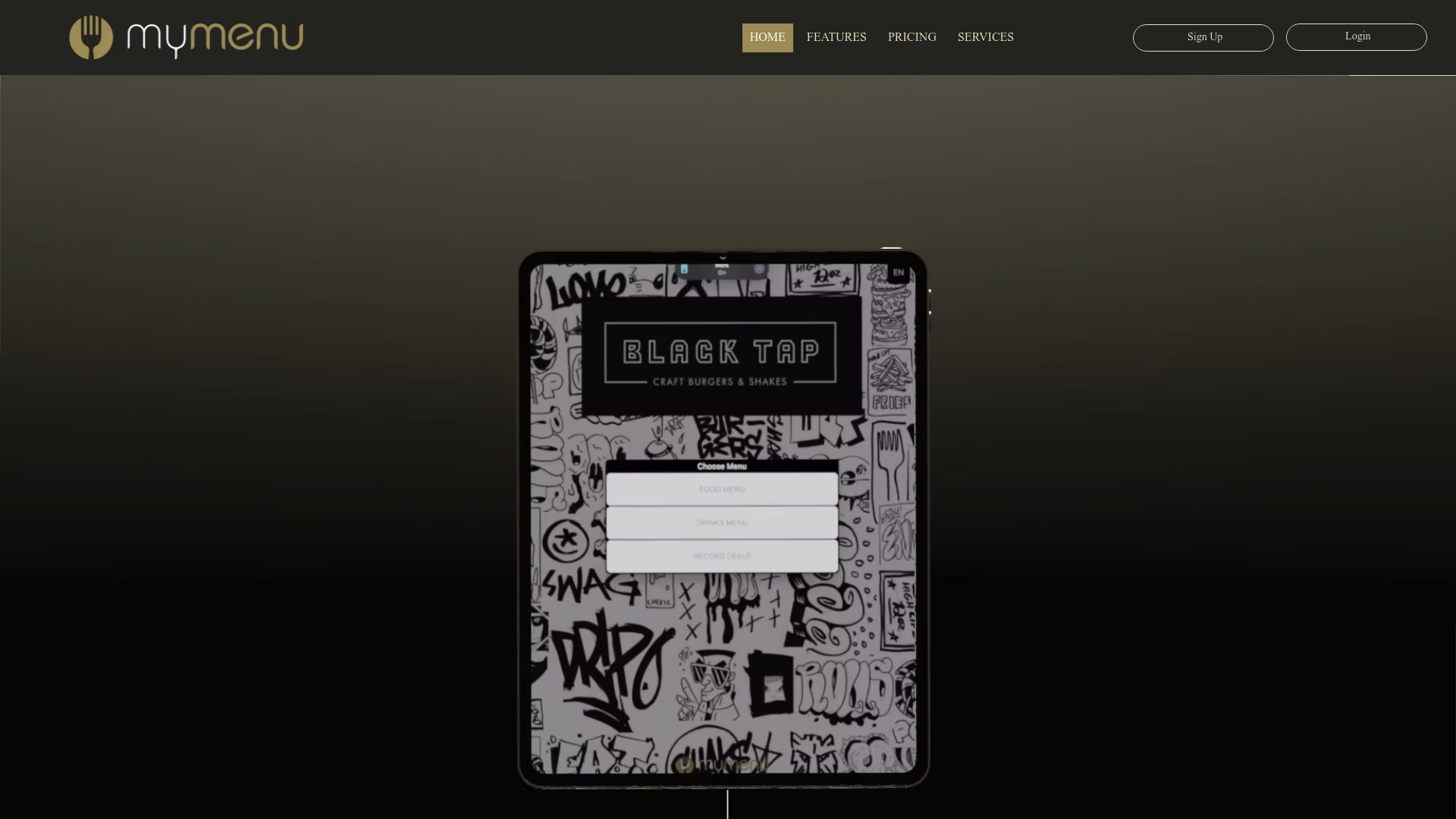
Guests scan QR menus to browse offerings, place orders, and book future visits without downloading apps or creating accounts. This frictionless experience increases engagement while capturing valuable preference data that powers personalized marketing. Analytics dashboards reveal which menu items drive reservations, optimal pricing strategies, and guest lifetime value metrics that inform business decisions. Staff access real-time updates across all channels so service stays coordinated even during peak rushes.
Pro Tip: Utilize My Menu’s analytics to monitor booking patterns and adjust staffing levels proactively, reducing labor costs while maintaining service quality during variable demand periods.
FAQ
What makes online reservation systems more efficient than traditional booking?
Online systems automate the entire booking process with 24/7 availability that captures reservations when your staff is busy or closed. Real-time table management prevents double bookings by synchronizing availability across all channels instantly. Integrated payment processing and automated confirmations eliminate manual tasks that consume manager time. These platforms reduce errors, save up to 2 hours daily in administrative work, and improve guest satisfaction through instant confirmation and convenient self-service options.
How can AI help reduce no-shows in online reservation systems?
AI analyzes historical booking data, guest profiles, and external factors to predict no-show probability for each reservation with remarkable accuracy. These predictions enable safe overbooking strategies calculated at 75% of your historical no-show rate to maximize occupancy without frequent incidents. Machine learning models improve continuously as they process more data, adapting to seasonal patterns and changing guest behavior. Restaurants using AI-driven no-show management recover up to $90K annually in lost revenue while maintaining high guest satisfaction.
What are the best practices for integrating online reservation systems in hospitality?
Successful integration requires multi-channel booking presence on both OTAs and your own website to maximize discovery and direct relationships. Connect reservation systems with POS platforms for seamless order processing and unified guest profiles across touchpoints. Monitor analytics dashboards weekly to identify booking trends, optimize pricing strategies, and adjust staffing levels proactively. Train all staff thoroughly on system features and establish clear protocols for handling exceptions. Update system settings monthly based on actual performance data to refine overbooking limits, duration estimates, and automated communication timing.
How do reservation systems improve revenue beyond just filling tables?
Reservation platforms enable yield management strategies that charge premium rates for peak times while discounting off-peak hours to smooth demand. Guest data captured during booking powers personalized marketing campaigns that drive repeat visits and higher check averages. Faster table turnover from accurate duration predictions increases daily covers by 15-20% without rushing diners. Integrated loyalty programs reward frequent guests with benefits that build emotional connections and increase lifetime value. These combined effects typically boost revenue 25-40% beyond simple occupancy improvements.
Recommended
Comments