
Loyalty Program Mechanics Explained for Hospitality Managers


TL;DR:
Loyalty program mechanics are structured rules that turn guest behavior into measurable brand commitment. They include points, tiers, stamp cards, and reward types, which must be balanced to drive engagement and profitability. Effective programs leverage psychological triggers like reciprocity and loss aversion, while strict financial guardrails ensure sustainable growth.
Loyalty program mechanics are defined as the structured rules, reward triggers, and redemption systems that convert guest behavior into measurable brand commitment. For restaurant and hotel managers, explaining loyalty program mechanics means understanding how points accumulate, how tiers create status, and how financial guardrails keep programs profitable. Programs that get this right see stronger retention and higher average spend. Mydigimenu integrates digital loyalty features directly into its platform, giving hospitality managers a practical starting point for building programs that actually work.
What are the key components of loyalty program mechanics?
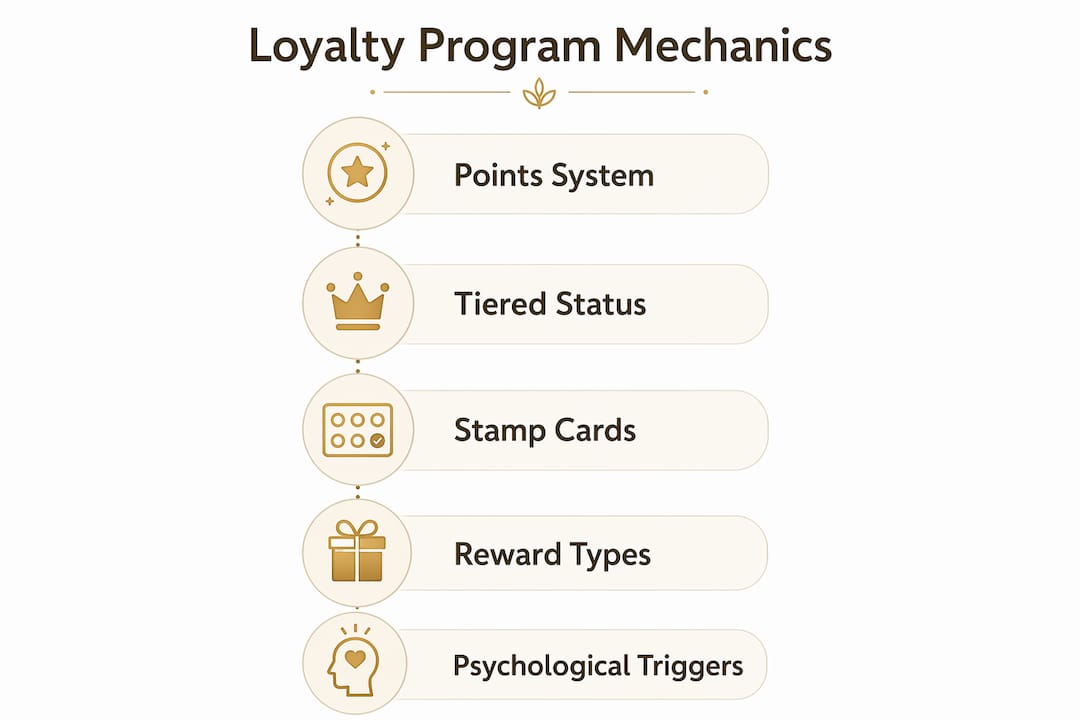
Loyalty program mechanics rest on four building blocks: points systems, tiered status, stamp cards, and reward types. Each element serves a different guest segment and business goal. Getting the mix right is what separates programs guests love from ones they forget.

Points systems
Points systems assign a numeric value to each dollar spent or each visit completed. A guest who spends $50 at dinner earns 50 points, which later convert to a free appetizer or a discount. The power of points is their flexibility. Managers can adjust earn rates, bonus multipliers for slow nights, or category-specific bonuses without redesigning the whole program. 80% of consumers demand flexibility in earning and redeeming rewards, and rigid rules are the primary reason programs fail.
Tiered status models
Tiered programs divide guests into levels, typically Bronze, Silver, and Gold, based on cumulative spend or visits. The top tier unlocks perks unavailable to general members: priority reservations, complimentary upgrades, or chef’s table access. Tiered systems effectively target the top 5–10% of customers to drive long-term retention. That small group often generates a disproportionate share of revenue, so rewarding them with status-driven perks pays back quickly.
Stamp card mechanics
Stamp cards are the simplest mechanic in hospitality loyalty. A guest buys eight coffees and earns the ninth free. Common stamp card grid sizes include 5, 8, 10, or 12 units, and the choice affects how quickly guests reach a reward. Smaller grids create faster gratification; larger grids build longer habits. Digital stamp cards, like those offered through Mydigimenu, add the benefit of automatic tracking without requiring any POS integration.
Reward types that create real value
Discounts are the most common reward, but they are not always the most effective. Programs offering exclusive access, milestone rewards, and personalized experiences create stronger emotional connections than standard discount offerings. A free dessert on a guest’s birthday, early access to a seasonal menu, or a private tasting event all carry perceived value that a 10% discount cannot match.
Pro Tip: Design at least one reward tier around experience rather than price reduction. Experiential rewards cost less to deliver and generate far more word-of-mouth than discounts.
Component | Best suited for | Primary benefit |
Points system | Full-service restaurants, hotels | Flexible, scalable, trackable |
Tiered status | Hotels, fine dining, multi-location groups | Targets high-value guests |
Stamp card | Cafes, quick-service, bars | Simple, low-cost, visual progress |
Experiential rewards | All segments | Emotional connection, social sharing |
How do psychological principles enhance loyalty program effectiveness?
Loyalty programs work because they tap into predictable human psychology, not just rational economics. Understanding these principles helps managers design mechanics that guests engage with instinctively.
The core psychological drivers behind effective programs are:
Reciprocity. When a program gives something first, such as a welcome bonus or a surprise reward, guests feel a natural pull to return the gesture with repeat visits. This is why welcome offers on signup consistently outperform programs that make guests wait for their first reward.
Loss aversion. Guests hate losing points more than they enjoy gaining them. Expiry warnings, “your points expire in 30 days” messages, and progress bars showing how close a guest is to a reward all trigger loss aversion and drive redemption behavior.
Status and sunk cost. Participants engage more when they perceive sunk cost in earned points and desire to maintain status. A Silver member who is 200 points from Gold will visit more frequently to protect their progress. That behavior is not rational; it is psychological, and programs should design for it deliberately.
Personalization timing. A reward delivered at the right moment, such as a birthday offer sent three days before the date, feels personal. The same offer sent a week late feels like an afterthought. Timing transforms a generic discount into a memorable gesture.
Pro Tip: Add a visible progress indicator to every guest-facing loyalty touchpoint. Showing “You are 2 stamps away from a free coffee” is more motivating than showing a points balance alone.
What financial metrics govern successful loyalty program mechanics?
Loyalty programs carry real financial obligations, and managers who ignore the numbers eventually face margin problems. Three metrics define program health: share of revenue given back, redemption rate, and breakage.
Metric | Healthy range | Risk signal |
Share of revenue given back | 1%–5% | Above 5% erodes margin |
Redemption rate | 50%–75% | Below 40% risks abandonment by year three |
Breakage rate | 15%–30% | Above 30% signals guest disengagement |
The share of revenue given back must stay between 1% and 5% to balance margin preservation and behavior impact. A hotel giving back 6% of room revenue in points is effectively discounting every stay, which destroys profitability without building genuine loyalty.
Redemption rate measures how often guests actually use their rewards. A healthy redemption rate sits between 50% and 75%. Above 80% suggests the rewards catalog is too easy to reach, which devalues the program. Below 40% means guests are not motivated enough to redeem, and the program will lose members by year three.
Outstanding points are accounting liabilities. Every unredeemed point represents a future cost. Breakage rates of 15%–30% are typical, meaning that portion of points will expire unused. Managers should verify breakage quarterly and work with their finance team to account for outstanding points accurately. Ignoring this creates budget surprises when redemption spikes.
What loyalty program models fit different hospitality segments?
Not every hospitality venue needs the same mechanics. The right model depends on ticket size, visit frequency, and guest profile.
Hybrid points-plus-tier model. This is the most effective structure for full-service restaurants, hotels, and multi-location groups. Guests earn points on every transaction and unlock tier benefits as cumulative spend grows. Hybrid loyalty models combining points and tiers drive long-term retention across restaurants, cafes, and hotels. The model rewards both casual guests through points and high-value guests through status perks.
Simple stamp card model. Cafes, quick-service restaurants, and neighborhood bars benefit most from stamp cards. The mechanic requires no complex technology and delivers immediate, visual progress. Stamp card mechanics require no POS integration and deliver immediate, visual progress, making them ideal for high-frequency, low-ticket venues. Digital versions through platforms like Mydigimenu add tracking and automation without adding friction.
Engagement-based mechanics. These reward non-transactional behaviors: writing a review, referring a friend, completing a guest profile, or sharing a post on social media. Engagement mechanics work well alongside points systems because they reward growth behaviors like referrals rather than purchases guests would have made anyway. A hotel that awards bonus points for completing a post-stay survey gets valuable data and reinforces the guest relationship simultaneously.
Milestone reward programs. These trigger a reward at a specific cumulative threshold, such as a free night after ten stays or a complimentary tasting menu after $1,000 in dining spend. Milestone programs work well for hotels and fine dining because the reward feels earned and significant. They also create natural re-engagement moments when a guest is close to a threshold.
Subscription or membership models. A flat monthly fee unlocks a defined set of perks: free delivery, priority booking, or a monthly complimentary dish. This model generates predictable revenue and attracts guests who visit frequently enough to justify the fee. It works best for restaurants with strong brand loyalty and consistent visit patterns.
How can hospitality managers implement loyalty mechanics effectively?
Execution separates programs that grow from programs that stall. The following steps build a program that is measurable from day one.
Set one primary goal before designing any mechanic. Increasing visit frequency requires different mechanics than increasing average spend. Managers who try to achieve both simultaneously often design programs too complex for guests to understand.
Define earn and burn rules with financial guardrails in place. Calculate the share of revenue given back before launch. If a 10-point-per-dollar earn rate with a 500-point free meal redemption gives back 8% of revenue, the math is wrong before the program starts.
Segment your mechanics by guest behavior. New guests need fast early wins to build the habit. Frequent guests need status and exclusivity to stay engaged. Lapsed guests need a re-engagement trigger, such as a “we miss you” bonus offer, to return.
Track KPIs monthly, not annually. Redemption rate, active member count, and average spend per loyalty member are the three numbers that tell you whether the program is working. Waiting for an annual review means problems compound for twelve months before anyone acts.
Use digital tools to automate personalization. Platforms like Mydigimenu capture guest profiles and enable targeted loyalty campaigns that trigger based on behavior, visit frequency, or spend thresholds. Automation removes the manual burden and makes personalization possible at scale.
Key takeaways
Effective loyalty program mechanics combine points, tiers, and psychological triggers within strict financial guardrails to build guest retention that compounds over time.
Point | Details |
Financial discipline is non-negotiable | Keep share of revenue given back between 1% and 5% to protect margin. |
Redemption rate signals program health | Target 50%–75%; below 40% means guests will abandon the program by year three. |
Match mechanics to your venue type | Stamp cards suit cafes; hybrid models suit hotels and full-service restaurants. |
Psychology drives engagement | Use loss aversion, status, and reciprocity to motivate behavior beyond transactions. |
Reward growth behaviors, not habits | Incentivize referrals and category expansion, not purchases guests already make. |
Why most loyalty programs disappoint, and what actually fixes them
The uncomfortable truth I have observed across hospitality loyalty programs is that most fail not because of bad technology but because of bad goal-setting. Managers launch a program to “increase loyalty” without defining what loyalty looks like in numbers. Is it a second visit within 30 days? A 20% increase in average spend? Without a specific target, there is no way to know if the mechanics are working.
The second pattern I see repeatedly is rewarding habitual behavior. A guest who visits every Tuesday for lunch does not need a points incentive to visit on Tuesday. Discounting items customers already buy does little to deepen loyalty. The program should be pushing that Tuesday regular to bring a colleague, try the dinner menu, or book a private event. That is where the real revenue growth lives.
Financial discipline is the third area where programs quietly fail. Outstanding points accumulate as liabilities, breakage assumptions go unverified, and suddenly the finance team flags a problem that the operations team did not see coming. Reviewing redemption rates and breakage quarterly is not optional; it is the same discipline you apply to food cost and labor cost.
The programs I find most exciting right now are the ones using digital platforms like Mydigimenu to connect menu personalization with loyalty triggers. When a guest’s profile tells the system they always order a specific dish, the program can offer a relevant reward at the right moment. That is loyalty mechanics working at their best: personal, timely, and financially governed.
— Abhi
Mydigimenu’s digital tools for hospitality loyalty programs
Mydigimenu gives restaurant and hotel managers a practical platform to run loyalty programs alongside their digital menus, without the complexity of enterprise software.
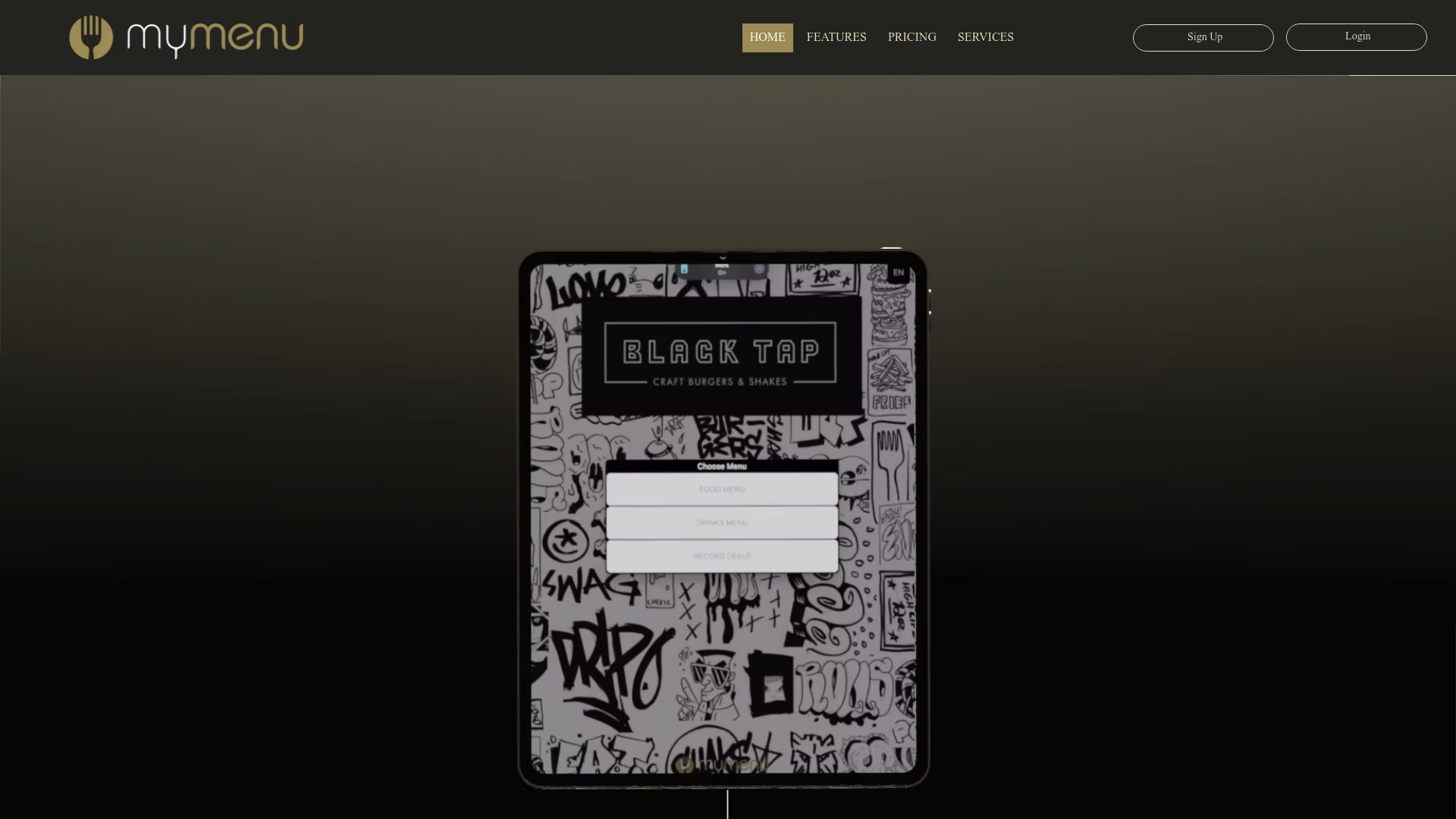
The platform’s digital tablet and QR menus capture guest profiles through social login, enabling CRM integration and targeted loyalty campaigns. Digital stamp cards run natively within the platform, requiring no POS integration and no app download from guests. Managers can track engagement, trigger personalized offers, and adjust mechanics based on real redemption data. For venues ready to see what the platform costs, current plans and pricing are available on the Mydigimenu website, with options suited to single locations and multi-venue groups alike.
FAQ
What are loyalty program mechanics?
Loyalty program mechanics are the structured rules that define how guests earn rewards, redeem points, and progress through tiers. They include points systems, stamp cards, tiered status levels, and the financial rules that govern reward value.
How do loyalty programs work in restaurants and hotels?
Guests earn points or stamps based on spend or visits, then redeem accumulated rewards for discounts, free items, or exclusive experiences. Hotels often add tiered status to reward high-frequency guests with upgrades and priority access.
What is a healthy redemption rate for a loyalty program?
A redemption rate between 50% and 75% is considered healthy. Rates below 40% indicate guests are not engaged enough to redeem, which leads to program abandonment within three years.
What is breakage in a loyalty program?
Breakage is the percentage of points that expire unused. Typical breakage rates range from 15% to 30% and should be verified quarterly because outstanding points are accounting liabilities.
Which loyalty model works best for cafes?
Simple digital stamp cards work best for cafes and other high-frequency, low-ticket venues. They require no POS integration, deliver immediate visual progress, and are easy for guests to understand and use.
Recommended
Comments