
Boost guest engagement with digital menus in 2026
- Abhi Bose
- Mar 18
- 10 min read


Digital menus have transformed restaurant ordering, yet adoption remains uneven. While contactless convenience appeals to tech-savvy diners, many guests still hesitate to scan QR codes or navigate mobile interfaces. For managers, this creates a balancing act: how do you leverage digital innovation without alienating traditional customers? The answer lies in strategic implementation. This guide explores proven digital menu benefits, real-world challenges, and actionable best practices to maximize guest engagement and ROI. You’ll discover data-backed insights, hybrid approaches, and practical steps to deploy digital menus that work for every guest at your venue.
Table of Contents
Key takeaways
Point | Details |
Digital menus boost sales significantly | Average order values rise 25-35% with digital ordering, delivering measurable revenue gains. |
QR adoption varies by guest demographics | Scan rates hover around 40-60%, with older guests often preferring paper alternatives. |
Hybrid models balance innovation and accessibility | Combining digital and traditional menus addresses diverse guest preferences and avoids frustration. |
AI and personalization enhance upscale experiences | Smart recommendations and tailored content increase upsell potential in premium venues. |
Strong ROI depends on proper execution | Testing, mobile optimization, and POS integration are critical for realizing returns within months. |
How digital menus work and key features
Digital menus primarily operate via QR codes scanned by guests’ smartphones, enabling ordering, payment, and integration with POS systems, reducing errors and waitstaff dependency. Guests scan a code placed on tables, tents, or walls, then access a mobile-optimized web app displaying your full menu. No downloads required. The interface typically includes high-resolution photos, ingredient details, and real-time pricing updates. Many platforms support animations or short videos showcasing signature dishes, helping guests visualize their choices before ordering.
Advanced digital menus integrate directly with kitchen display systems and POS software. When a guest submits an order, it flows instantly to the kitchen, cutting wait times and minimizing human error. Some systems offer bill-splitting features, allowing groups to divide checks seamlessly. Payment processing happens within the same interface, supporting credit cards, mobile wallets, and even cryptocurrency options for forward-thinking venues. This streamlined workflow reduces server trips and speeds table turnover.
AI-powered recommendations represent the next evolution. Platforms analyze guest preferences, order history, and trending items to suggest personalized pairings or upsells. For example, if a guest orders a steak, the system might recommend a premium wine or side dish based on data from similar diners. Personalization works especially well in upscale hotels and fine dining settings where guests expect tailored experiences. QR code menus can also capture guest profiles through social login, enabling targeted marketing and loyalty rewards over time.
Hybrid models keep paper menus available for guests who prefer traditional formats. This approach acknowledges that not every diner feels comfortable with digital interfaces. Offering both options ensures accessibility while still capturing the efficiency gains from guests who choose digital ordering. Staff can guide hesitant guests through the QR process or provide printed menus on request, creating a welcoming environment for all demographics.
Pro Tip: Test your QR codes in various lighting conditions and table positions before rollout. A code that scans perfectly in bright daylight may fail under dim restaurant lighting, frustrating guests and undermining adoption.
Benefits and proven results of digital menu adoption
Digital menus yield a 25-35% increase in average order value, 18-30% sales uplift, 30-40% labor savings, with ROI ranging 200-900% within 6-18 months. These figures come from venues that implemented mobile-optimized digital ordering systems with POS integration. The sales boost stems from several factors: enhanced visual presentation makes dishes more appealing, AI-driven upsell prompts encourage add-ons, and guests browse menus at their own pace without feeling rushed by servers. Impulse purchases increase when guests see appetizing photos and detailed descriptions.
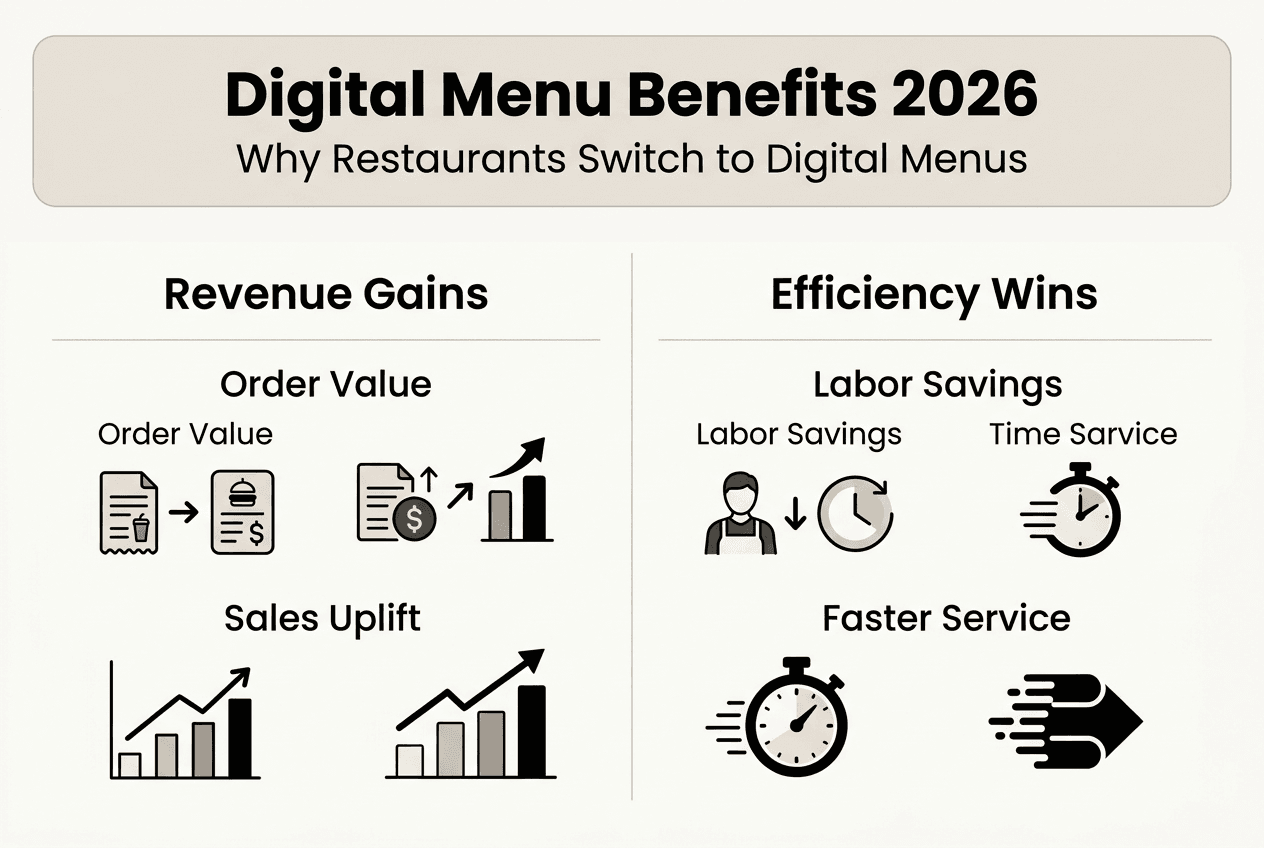
Labor reductions materialize through streamlined workflows. Servers spend less time taking orders and answering menu questions, freeing them to focus on hospitality and table management. Kitchen staff receive orders digitally, eliminating handwriting errors and miscommunications. This efficiency translates to faster service and higher table turnover, especially during peak hours. Venues report needing fewer front-of-house staff per shift while maintaining or improving service quality.
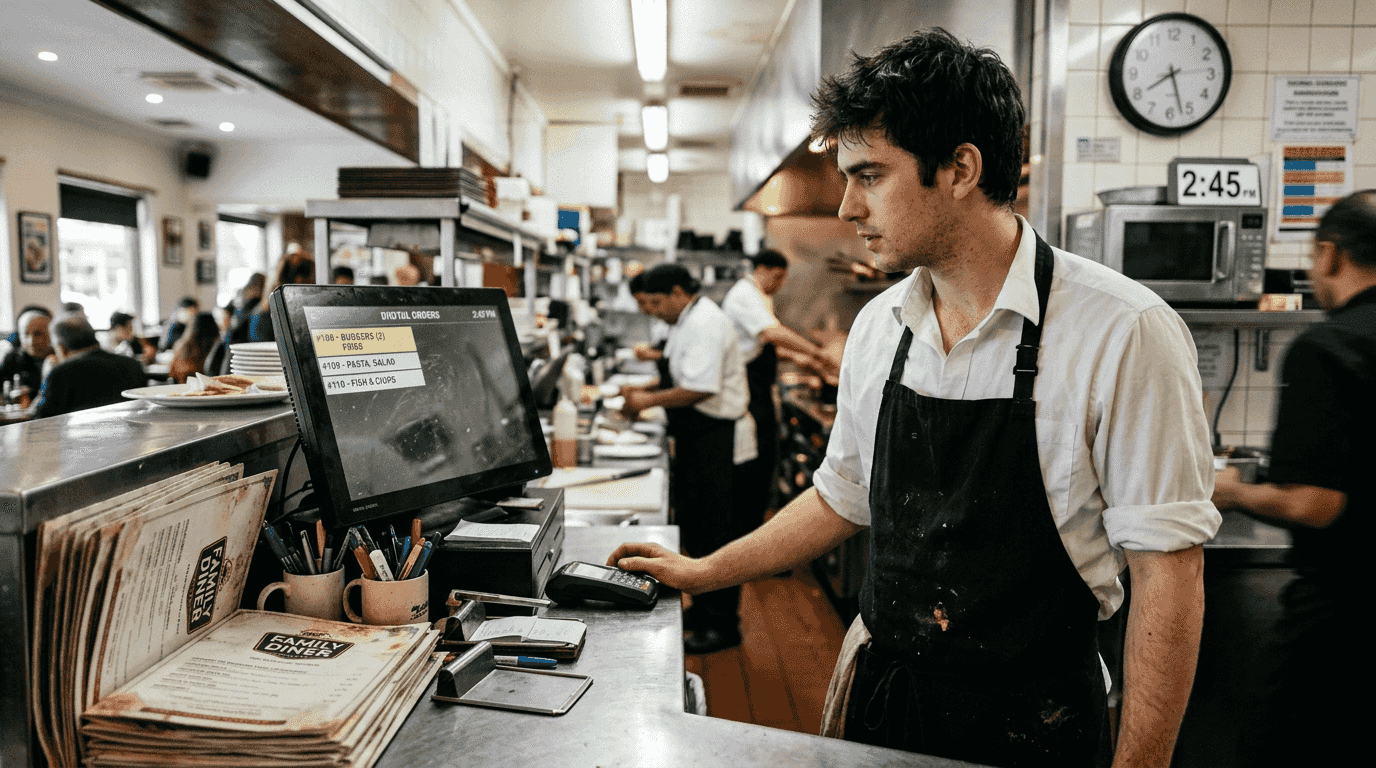
Cost savings extend beyond labor. Printing menus, inserts, and specials boards costs venues over $3,000 annually on average. Digital menus eliminate these expenses entirely. You update pricing, descriptions, and availability in real time through a cloud dashboard, no reprinting required. Seasonal menu changes or daily specials become effortless. Restaurant digital tablet menus also reduce wear and tear, as tablets last years with proper care compared to paper menus that need frequent replacement.
Digital menu boards in quick-service and casual dining settings add notable sales lift compared to static printed boards. Dynamic displays showcase rotating promotions, limited-time offers, and high-margin items during relevant dayparts. For example, breakfast items appear in the morning, then switch to lunch offerings automatically. Eye-catching animations draw attention to featured dishes, influencing purchase decisions at the point of sale. Studies show digital boards increase impulse buys by up to 30% compared to static alternatives.
“Venues implementing digital menus with robust POS integration and mobile optimization see ROI within six to twelve months, driven by increased average checks, reduced labor costs, and eliminated printing expenses.”
ROI timelines vary by venue type and implementation quality. Quick-service restaurants with high transaction volumes recoup investments faster than fine dining establishments with slower turnover. However, even upscale venues achieve strong returns when digital menus enhance guest experience and enable premium upsells. The key lies in choosing platforms that integrate seamlessly with existing systems and deliver measurable improvements in order accuracy and speed.
Metric | Typical Improvement | Impact |
Average order value | 25-35% increase | Higher revenue per guest |
Sales uplift | 18-30% growth | Measurable top-line gains |
Labor savings | 30-40% reduction | Lower staffing costs |
ROI timeline | 6-18 months | Fast payback period |
Annual printing savings | $3,000+ per location | Eliminated recurring expense |
Challenges and nuances: adoption barriers and user experience
Low QR code scan rates (40-60%), declining with older guests, and poorly designed menus cause frustration and lost sales; hybrid solutions and rigorous testing optimize results. Demographic factors play a significant role. Guests under 40 typically embrace QR menus readily, while those over 60 often prefer paper alternatives. Cultural background also influences comfort with digital ordering. International guests may struggle with language options or unfamiliar interfaces, leading to confusion and dissatisfaction.
Common implementation errors undermine adoption. Small QR codes placed in low-light areas scan poorly, forcing guests to fumble with their phones. Non-mobile-optimized pages load slowly or display incorrectly on smaller screens, creating a clunky experience. Menus with tiny text, low-contrast colors, or confusing navigation frustrate users and drive them back to traditional ordering methods. These design flaws damage your brand and reduce the likelihood guests will try digital menus again.
Venues without hybrid backup risk alienating significant guest segments. If you remove paper menus entirely, digitally hesitant guests feel excluded or pressured. This frustration harms loyalty and generates negative reviews. Accessibility concerns also arise for guests with visual impairments or limited smartphone proficiency. Offering both digital and paper options demonstrates inclusivity and ensures every guest enjoys a comfortable dining experience.
Testing QR codes and menu design before full rollout is critical. Conduct pilot tests with staff and select guests to identify usability issues. Check scan reliability across different smartphone models and operating systems. Verify that images load quickly even on slower mobile networks. Gather feedback on navigation flow, text readability, and overall intuitiveness. Addressing these issues pre-launch prevents costly fixes and reputational damage later.
Pro Tip: Train your staff to proactively assist guests who seem hesitant about QR menus. A friendly offer to explain the process or provide a paper menu builds trust and ensures no guest feels left behind by technology.
Approach | Pros | Cons |
Digital only | Maximum efficiency, lowest costs, fastest updates | Excludes guests uncomfortable with technology, accessibility issues |
Paper only | Universal accessibility, no learning curve | High printing costs, slow updates, no data capture |
Hybrid (digital + paper) | Accommodates all preferences, maintains efficiency gains | Slightly higher costs, requires managing two systems |
Balancing innovation with guest inclusivity maximizes acceptance. Position digital menus as a convenient option, not a mandatory requirement. Highlight benefits like faster service and personalized recommendations to encourage adoption without forcing it. Monitor scan rates and guest feedback to identify pain points and refine your approach. Venues that respect guest preferences while gently promoting digital options achieve the highest overall satisfaction and engagement.
Best practices for implementing and optimizing digital menus in 2026
Managers should prioritize mobile-optimized platforms, visually rich platforms synced with POS and keep hybrid formats; rigorous testing and personalization enhance engagement and ROI. Choose cloud-managed digital menu systems that update instantly across all devices. This ensures consistency whether guests access menus via QR codes, tablets at tables, or your website. Cloud platforms also provide centralized control, allowing you to adjust pricing, descriptions, and availability from a single dashboard without technical expertise.
Integrate menus with POS and online delivery systems to streamline operations. Seamless integration eliminates duplicate order entry and reduces errors. When a guest places a digital order, it flows directly to your kitchen and POS, updating inventory and sales data in real time. This connectivity also enables unified reporting, giving you visibility into which menu items perform best across dine-in, takeout, and delivery channels. Integration with third-party delivery platforms expands your reach without adding operational complexity.
Incorporate AI-driven recommendations and personalized experiences where suitable. For upscale venues, personalization adds perceived value and justifies premium pricing. AI can suggest wine pairings based on entree selections, recommend desserts aligned with guest preferences, or highlight limited-time specials relevant to past orders. These features work best when supported by guest profile data captured through social login or loyalty programs. However, avoid over-personalizing in casual settings where guests may find it intrusive.
Offer paper menus alongside digital for accessibility and guest preference. Display clear signage explaining both options so guests feel empowered to choose. Train staff to recognize signs of digital hesitation and offer assistance or paper alternatives without judgment. This dual approach maintains operational efficiency while ensuring every guest feels welcome and comfortable.
Test QR codes, visuals, and load times before full deployment. Use real devices in actual venue conditions to simulate the guest experience. Check that codes scan reliably from typical viewing distances and angles. Verify that images display crisply on various screen sizes and that pages load within two seconds even on 4G networks. Slow load times kill adoption, so optimize image file sizes and minimize unnecessary scripts.
Plan your digital menu strategy by defining goals (faster service, higher checks, better data) and selecting target guest segments most likely to adopt.
Choose a mobile-first platform with proven POS integration, cloud management, and strong vendor support for your venue type.
Design your menu with high-quality photos, concise descriptions, and intuitive navigation that requires minimal scrolling or taps.
Integrate with your existing POS, kitchen display, and payment systems to ensure seamless order flow and data synchronization.
Conduct pilot testing with staff and select guests, gathering feedback on usability, scan reliability, and overall experience.
Train your team to assist guests with digital menus, troubleshoot common issues, and offer paper alternatives when appropriate.
Launch with clear signage and staff support, monitoring adoption rates and guest feedback closely during the first weeks.
Optimize continuously by analyzing usage data, refining menu layout, and adjusting features based on real-world performance.
Pro Tip: Monitor guest feedback and usage data continuously after launch. Track metrics like scan rates, order completion rates, and average order values to identify opportunities for improvement. Small tweaks to layout, photos, or navigation can yield significant gains in engagement and sales.
Creating digital menus becomes straightforward with platforms designed for hospitality. Look for drag-and-drop interfaces that let you build and update menus without coding skills. Prioritize vendors offering dedicated onboarding support and responsive customer service. The right platform transforms digital menu management from a technical challenge into a routine task your team can handle confidently.
Explore digital menu solutions tailored for your venue
Ready to transform guest engagement and boost sales with digital menus? My Menu offers robust restaurant digital tablet menus and QR menu solutions designed specifically for restaurants, cafes, bars, and hotels. Our platforms deliver mobile-optimized experiences with high-resolution visuals, real-time updates, and seamless POS integration. Whether you manage a quick-service cafe or an upscale hotel restaurant, we provide flexible digital menu pricing plans that fit your budget and operational needs.
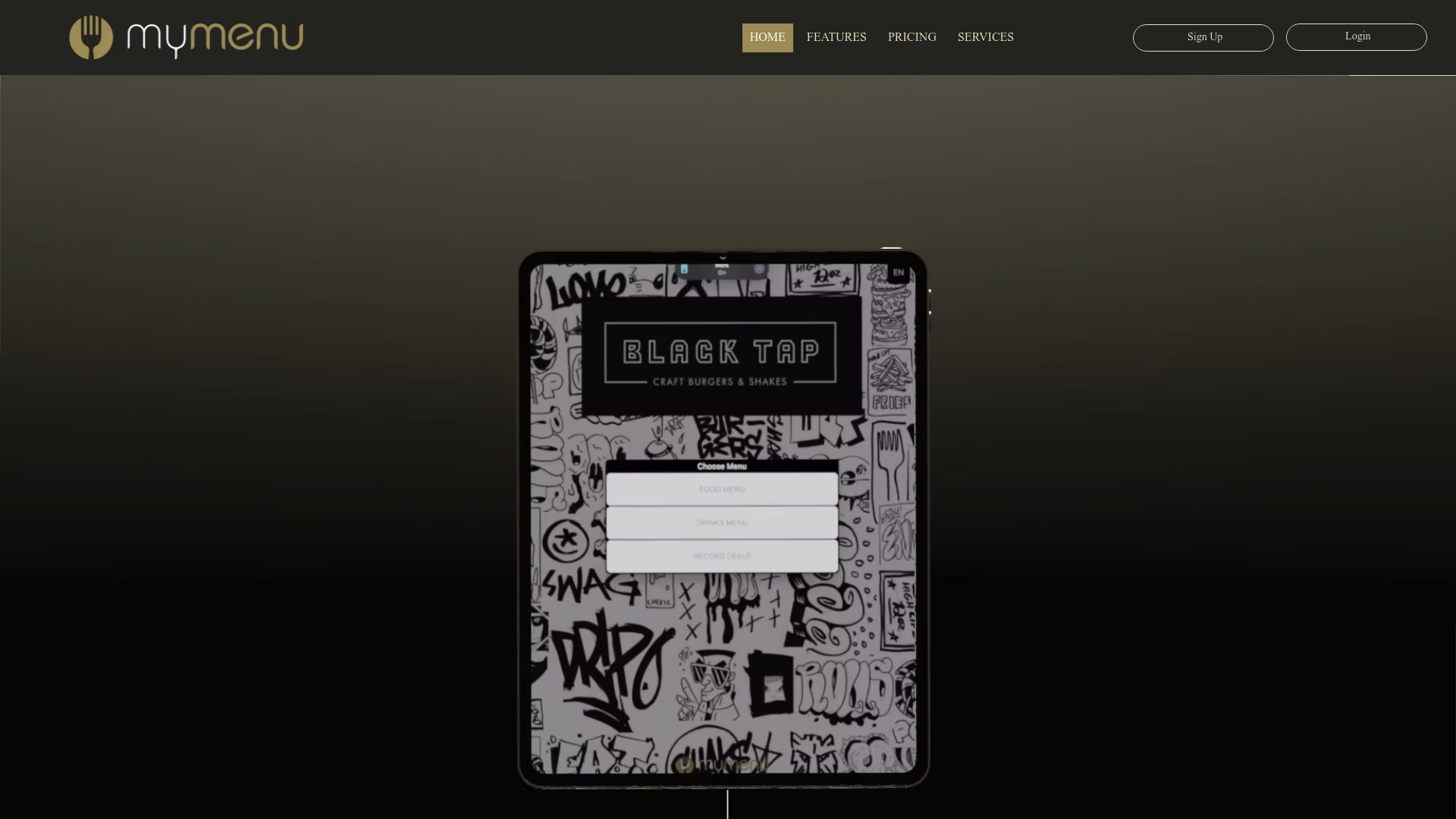
Our user-friendly interfaces enable quick setup and effortless menu updates, so you spend less time on technical tasks and more time delighting guests. Integration with online delivery portals and kitchen display systems ensures smooth workflows from order to fulfillment. Plus, our support team helps you customize menus to reflect your brand identity and optimize layouts for maximum engagement. Explore how My Menu can elevate your venue’s digital ordering experience and drive measurable results.
Frequently asked questions
How do digital menus improve guest engagement?
Digital menus offer contactless convenience that appeals to health-conscious guests and tech-savvy diners seeking faster service. Customization features like dietary filters, ingredient details, and personalized recommendations make menus more relevant to individual preferences. Real-time updates ensure guests always see current offerings and accurate pricing, reducing confusion and disappointment. AI-driven suggestions for pairings or add-ons enhance the browsing experience and encourage exploration of new menu items.
What are common challenges when switching to a digital menu?
Low QR scan rates among older guests and those unfamiliar with smartphone ordering create adoption barriers. Poorly designed menus with slow load times, small text, or confusing navigation frustrate users and drive them back to traditional ordering. Without hybrid options offering paper menus, venues risk alienating significant guest segments and generating negative feedback. Technical issues like QR codes that fail to scan in dim lighting or non-mobile-optimized pages undermine the entire digital experience.
How can I ensure a smooth digital menu rollout?
Test QR codes and menu displays extensively in real venue conditions before launch, using various smartphone models and lighting scenarios. Train staff thoroughly to assist digitally hesitant guests, troubleshoot common issues, and offer paper alternatives without making guests feel inadequate. Collect guest feedback continuously through surveys, comment cards, and direct observation, then refine the experience based on actual usage patterns and pain points. Monitor key metrics like scan rates and order completion to identify and address adoption obstacles quickly.
Do digital menus work for all types of venues?
Digital menus excel in quick-service restaurants, casual dining, cafes, and hotel restaurants where speed and efficiency matter most. Fine dining establishments benefit from personalization and premium upsell features but should maintain elegant paper menus for traditionalists. Bars and nightclubs see strong adoption due to younger demographics and high-volume ordering. However, venues serving primarily older clientele or those in areas with poor mobile connectivity may find hybrid approaches more practical than digital-only implementations.
What ROI can I expect from digital menu implementation?
Venues typically see 200-900% ROI within 6-18 months, driven by increased average order values, reduced labor costs, and eliminated printing expenses. Quick-service restaurants with high transaction volumes achieve faster payback than fine dining establishments with slower turnover. Success depends heavily on implementation quality, including mobile optimization, POS integration, and staff training. Venues that test rigorously, gather guest feedback, and optimize continuously realize the strongest returns and sustained performance improvements over time.
Recommended
Comments