
5 key advantages of online ordering for restaurants

TL;DR:
Online ordering boosts sales by encouraging higher order values through visual upselling and promotions.
It enhances operational efficiency by reducing errors, processing time, and labor costs.
First-party online orders increase profit margins by avoiding third-party commission fees.
Restaurant and cafe owners who have not yet embraced online ordering are watching a fast-moving train pull away from the station. Online ordering represents up to 31% of US restaurant sales and generates $43 billion in annual revenue, making it one of the most significant revenue channels in modern hospitality. The question is no longer whether to offer digital ordering, but how to do it well. This article unpacks five evidence-based advantages that show exactly how online ordering can increase your profit, sharpen your operations, and turn first-time guests into loyal regulars.
Table of Contents
Key Takeaways
Point | Details |
Boost sales and order value | Online ordering leads to 20-35% higher check averages and overall sales. |
Save on costs, reduce errors | Automated workflows cut labor costs by up to 20% and minimize mistakes. |
Keep more of your profits | First-party online orders avoid third-party commissions, lifting margins up to 25%. |
Enhance guest loyalty | Personalized digital experiences foster repeat business and satisfaction. |
Stay flexible for success | A hybrid online ordering strategy balances profit, reach, and guest trust. |
Drive more sales and higher order values
There is something almost magical about what happens when a guest browses a well-designed digital menu at their own pace. Without the subtle pressure of a server waiting nearby, they linger on descriptions, scroll through mouthwatering food photos, and almost always add one more item to their cart. That behavior translates directly into revenue.
Research confirms what many operators already suspect: customers spend 20 to 35% more per online order compared to third-party or phone orders. The reasons are rooted in psychology and design. A digital menu can surface high-margin items prominently, suggest add-ons at the right moment, and showcase combo deals that feel like a bargain rather than an upsell.
“When guests control their own ordering experience, they feel empowered rather than rushed, and that confidence leads to bigger, more satisfying orders.”
Here is what makes online ordering such a powerful sales engine for restaurants:
Visual upselling: High-quality food images and short videos make dishes irresistible, nudging guests toward premium options.
Automated promotions: Flash deals, happy hour pricing, and bundle offers can be scheduled in advance and triggered automatically.
Modifier prompts: “Would you like to add avocado?” style prompts appear naturally during checkout, increasing ticket size without staff effort.
Reduced friction: Guests order exactly what they want without mishearing or miscommunication, leading to higher satisfaction and fewer refunds.
For a deeper look at how these mechanics work together, the online ordering system overview at MyDigiMenu walks through the full picture.
Pro Tip: Feature your three highest-margin items with photos at the top of your digital menu. Guests almost always start browsing from the top, and visual anchoring shapes the entire order.
The cumulative effect is significant. A restaurant doing $800,000 in annual sales that shifts just 30% of orders online and sees a 25% increase in average ticket size adds $60,000 or more in revenue without a single new table.
Boost operational efficiency and cut costs
Every restaurant manager knows the quiet dread of a Friday night rush when the phone rings, a server mishears an order, and the kitchen fires the wrong dish. Online ordering eliminates that chain of errors by sending orders directly from the guest’s device to the kitchen display or printer, with zero manual re-entry.
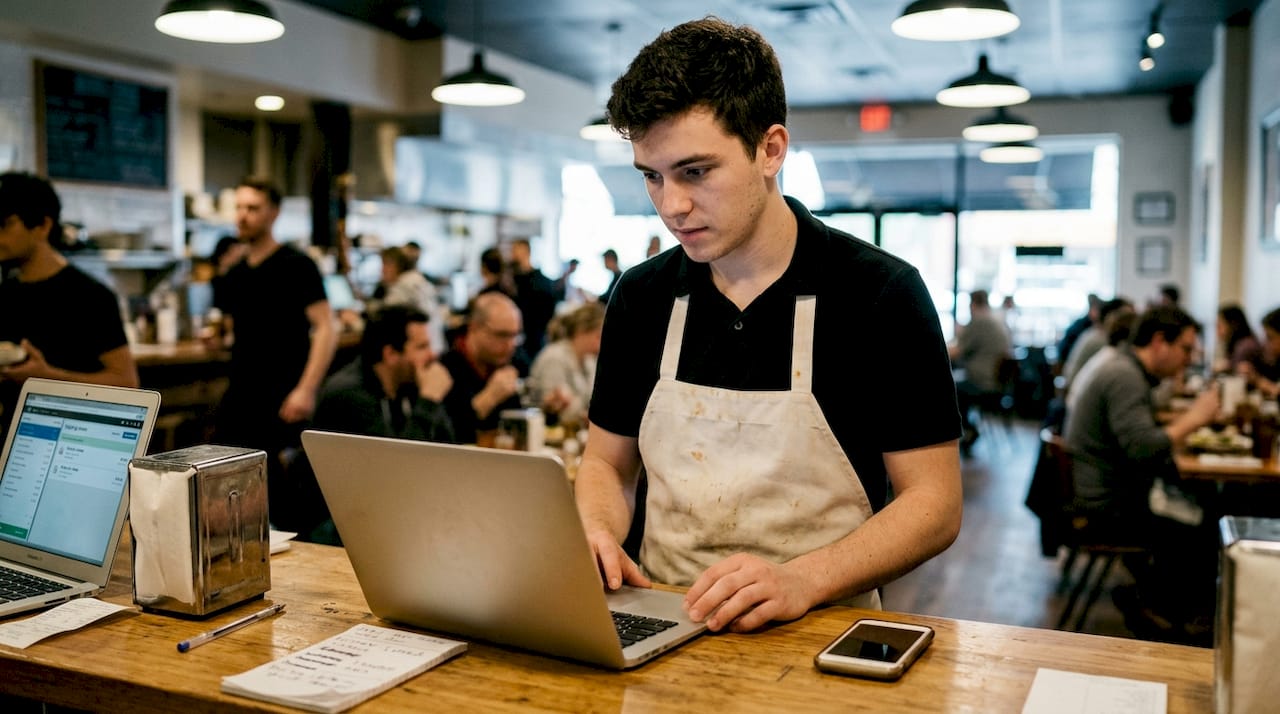
The operational benefits go well beyond error reduction. Automation and digital workflows can reduce labor costs by up to 20% through streamlined order processing. That is a meaningful number for any independent restaurant operating on thin margins.
The table below illustrates how online ordering compares to traditional phone and counter ordering across key operational metrics:
Metric | Traditional ordering | Online ordering |
Order error rate | 12 to 15% | Under 3% |
Average order processing time | 4 to 6 minutes | Under 90 seconds |
Labor hours per 100 orders | 8 to 10 hours | 5 to 6 hours |
Customer wait time (peak) | 15 to 20 minutes | 8 to 12 minutes |
Integrating your online ordering platform with your POS system adds another layer of efficiency. Inventory updates automatically as items sell, reporting becomes real-time, and end-of-day reconciliation takes minutes instead of an hour. Operators who focus on streamlining ordering workflow consistently report fewer staff complaints, lower turnover, and smoother service during peak periods.
Direct kitchen ticketing: Orders print or display in the kitchen the moment a guest confirms, cutting the relay chain entirely.
Inventory sync: Popular items that sell out update instantly on the menu, preventing guest disappointment.
Staff reallocation: With fewer calls to answer and less manual entry, front-of-house staff can focus on hospitality rather than admin.
The broader case for digitizing restaurant operations is not just about technology. It is about giving your team the breathing room to do their best work.
Pro Tip: Run a two-week pilot where all takeout orders go through your online system. Track error rates and labor hours before and after. The data will make the case for full adoption better than any pitch.
Retain more profit by avoiding third-party commissions
Operational efficiencies are valuable, but keeping more profit per order is a genuine game changer, especially for independent restaurants and cafes. Third-party delivery platforms like DoorDash, Uber Eats, and Grubhub charge between 15 and 30% in commissions per order. On a $50 order, that means $7.50 to $15 goes directly to the platform before you cover a single ingredient.
First-party online ordering, where guests order directly through your own website or app, eliminates that fee entirely. Online profit margins through direct ordering can reach 25%, which is notably higher than the 18% average margin on dine-in orders when you factor in table service labor and overhead.
“Every dollar you save on commission fees is a dollar you can reinvest in better ingredients, staff wages, or marketing to bring guests back.”
Here is a straightforward framework for building a profitable ordering strategy:
Launch your own direct ordering channel first. This becomes your primary profit engine and the foundation for guest data collection.
Use third-party platforms as a discovery tool. New customers who find you on DoorDash can be converted to direct orderers through incentives like a 10% discount on their next order placed directly.
Promote direct ordering at every touchpoint. Table cards, receipts, social media, and email should all point guests toward your own platform.
Track channel performance monthly. Know exactly what percentage of orders are first-party versus third-party and set a goal to shift that ratio over time.
For practical guidance on building this kind of efficient channel mix, food ordering workflow tips offer a useful operational lens.
The hybrid model, using both first and third-party channels strategically, is the approach that works best for most restaurants. The goal is to use third-party platforms for reach while capturing loyalty and margin through your own direct channel.
Enhance guest experience and drive loyalty
Repeat business is the lifeblood of hospitality. A guest who orders from you twice a month is worth exponentially more than one who visits once and never returns. Online ordering, when done thoughtfully, creates the kind of personalized, frictionless experience that makes coming back feel natural.
40% of consumers prefer ordering directly from a restaurant rather than through a third-party app, and digital convenience is a primary driver of that loyalty. When your platform remembers a guest’s favorite order, applies their loyalty points automatically, and sends a personalized birthday offer, you are not just processing a transaction. You are building a relationship.
“The restaurants that win long-term are the ones that make every guest feel like a regular, even on their second visit.”
Key ways online ordering elevates the guest experience:
Saved preferences: Guests can reorder favorites in seconds, reducing decision fatigue and increasing satisfaction.
Loyalty integration: Digital stamp cards and reward programs are easy to embed in the ordering flow, making participation effortless.
Real-time updates: Order confirmation and preparation status updates reduce anxiety and improve perceived service quality.
Personalized promotions: CRM data from past orders enables targeted offers that feel relevant rather than generic.
One important caution: a poorly designed mobile ordering experience can do more harm than good. Slow load times, confusing navigation, or limited payment options will frustrate guests and push them toward competitors. The focus on enhancing guest engagement must extend to the quality of the digital experience itself, not just the technology behind it.
Pro Tip: After a guest’s third online order, trigger an automated thank-you message with a small reward. That moment of recognition converts occasional customers into advocates who recommend your restaurant to friends.
A practical take: The real win is flexibility and guest trust
After observing how hundreds of restaurants approach digital ordering, one pattern stands out clearly. The operators who see the biggest gains are not necessarily the ones with the most sophisticated technology. They are the ones who treat online ordering as an extension of their hospitality philosophy rather than a replacement for it.
A hybrid approach works best for most restaurants. That means combining direct online ordering with selective third-party presence, integrating loyalty tools, and keeping the human warmth of your brand visible at every digital touchpoint. Technology should make your team more effective, not invisible.
The pitfall most owners overlook is launching an online ordering channel and then neglecting it. Menus go stale, promotions expire, and the experience degrades quietly. Guest trust, once lost, is hard to rebuild. Consistent attention to your restaurant system best practices is what separates restaurants that sustain growth from those that see a brief spike and plateau.
The real win is not just efficiency or margin. It is building a digital presence that guests genuinely enjoy using, one that makes your restaurant feel thoughtful, modern, and worth returning to.
Upgrade your ordering system for greater efficiency and sales
The advantages outlined above are real and measurable, but they only materialize when you have the right platform supporting your operation. MyDigiMenu is built specifically for restaurants, cafes, bars, and hotels that want to capture these gains without the complexity of enterprise software.
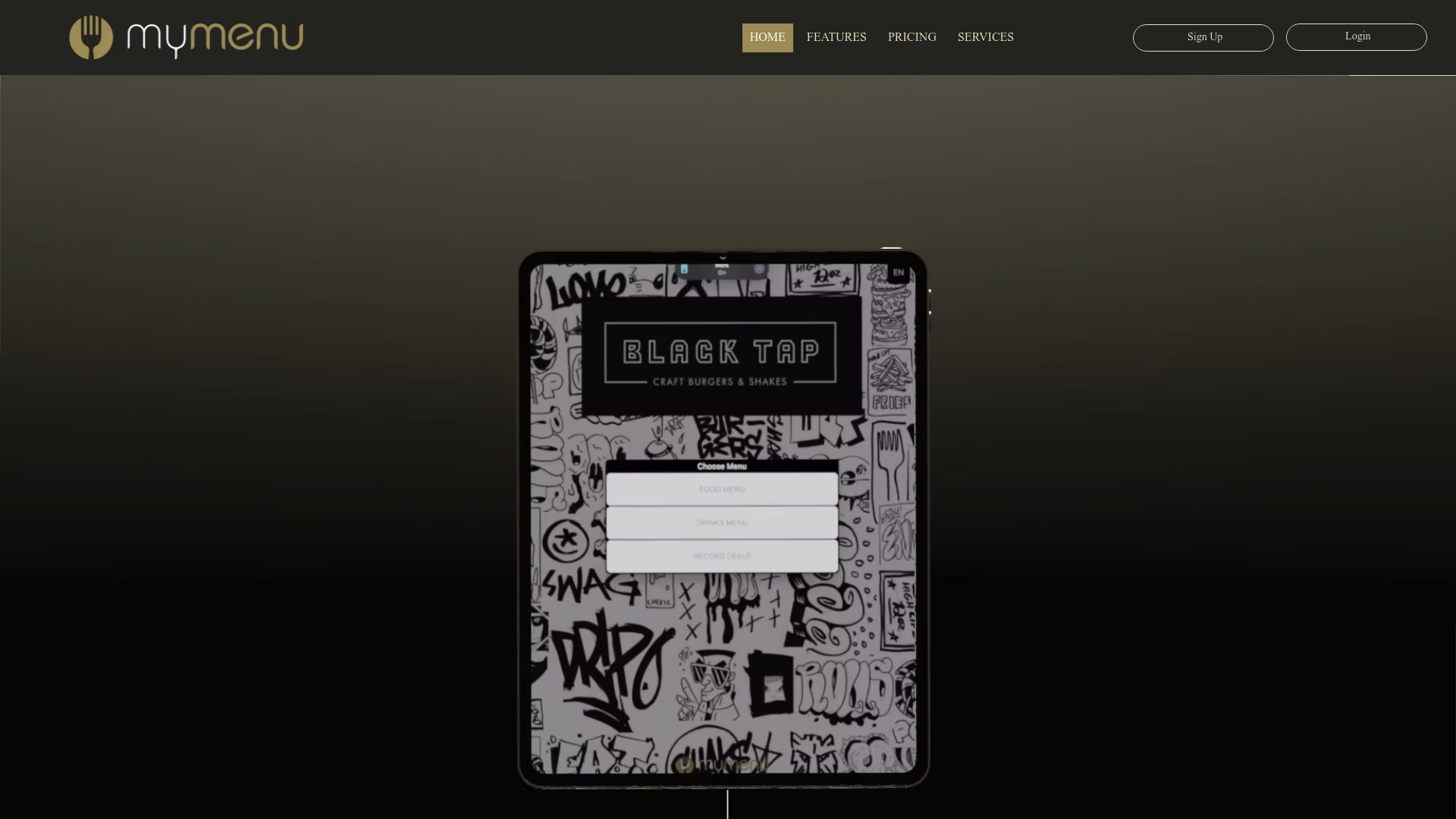
From restaurant digital menu solutions that showcase your dishes with stunning visuals to commission-free QR menu options that guests can access instantly from any device, MyDigiMenu gives you the tools to drive direct orders, build guest loyalty, and streamline your team’s workflow. Setup is straightforward, pricing is transparent, and the platform scales with your ambitions. Explore what a smarter ordering system can do for your restaurant today.
Frequently asked questions
How much can online ordering increase restaurant sales?
Online ordering systems can increase restaurant sales by 20 to 35% thanks to higher average order values and more upselling opportunities built directly into the digital experience.
Do online ordering systems reduce staffing costs?
Yes, automation and digital workflows can reduce labor costs by up to 20% through streamlined order processing and fewer manual tasks for front-of-house staff.
Are first-party or third-party online orders more profitable?
First-party online orders are generally more profitable because they avoid the 15 to 30% commissions that third-party delivery platforms charge on every transaction.
Does online ordering improve the guest experience?
Online ordering gives guests more convenience, personalization, and faster service. 40% of consumers prefer ordering directly from a restaurant, reflecting how digital convenience strengthens loyalty.
Recommended
Comments